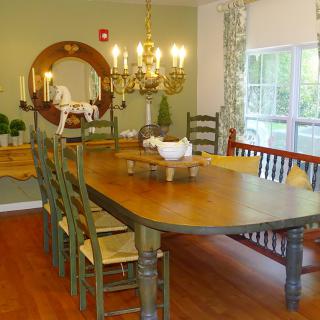
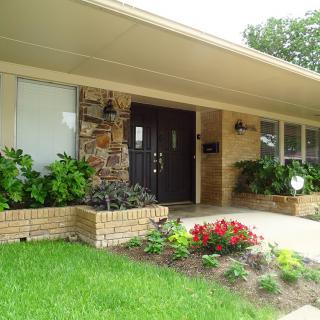
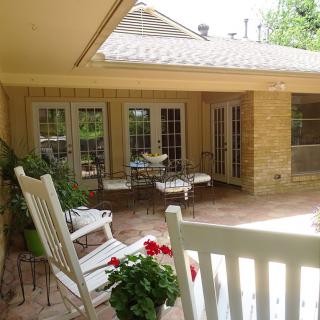

7541 Royal Place, Dallas, TX 75230
For more information about senior living options: (866) 208-4318
At Home Elderly Living Costs & Pricing
At Home Elderly Living offers a competitive monthly cost for private accommodations, priced at $3,850. This rate is significantly lower than the average costs in Dallas County, which stands at $4,702, and also below the state-wide average of $4,096 for Texas. This pricing structure positions At Home Elderly Living as an attractive option for families seeking quality care without the financial strain often associated with elder living facilities in the region. The affordability combined with personalized care makes this facility a commendable choice for those looking to enhance their loved ones' quality of life in a supportive environment.
| Floor plans | At Home Elderly Living | Dallas County | Texas |
|---|---|---|---|
| Private | $3,850 | $4,702 | $4,096 |
Assisted Living communities with a similar price nearby
-
About the same
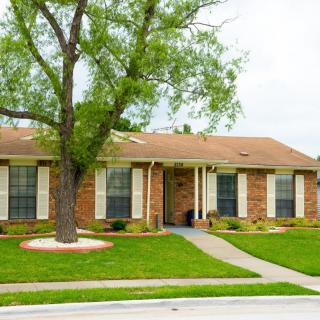
Silver Oaks Residential Assisted Living
$3,800 / month9.6 miles away -
from +$150 / mo

A Caring Home with Friends
$4,000 to $4,250 / month9.3 miles away -
from -$350 / mo
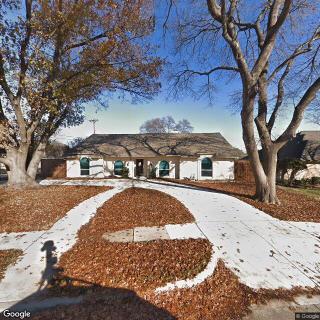
Locardia Homecare Living
$3,500 to $4,500 / month9.1 miles away -
from +$650 / mo
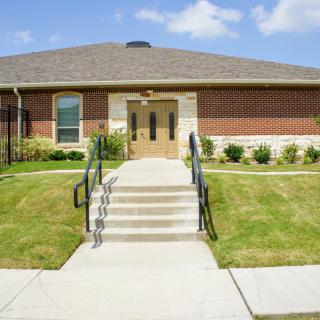
AvilaCare Senior Living
$4,500 to $5,500 / month17.8 miles away -
About the same

Appletree Court, A Vitality Living Community
$3,910 to $5,225 / month4.8 miles away
Overall Review of At Home Elderly Living
Pros
 The care and staff are excellent.
- Magnolia Assisted Living staff are very responsive and caring, and take great care of residents.
- The rooms are very nice and spacious.
- The home is clean, inviting, open and airy, with friendly and welcoming staff.
- The facility is highly regarded and tops the list.
- The staff are greatly appreciated by families, and At Home Luxury Living receives high praise.
- Caregivers are eager to learn and accommodating, and the home is immaculate and very clean.
- The consistent caregiver approach provides better communication and attentive care.
- Noelle and the staff provided compassionate care during the final months.
Cons
 The reviewer did not think it was an ideal fit for her mom.
- There weren’t many activities because the home was so small.
- There were only a few people living there, limiting social interaction.
- The reviewer wanted her mother to have more social opportunities.
- There may be a need for additional furniture.
- There was uncertainty about which bed to get for G to prevent further sores.
Review
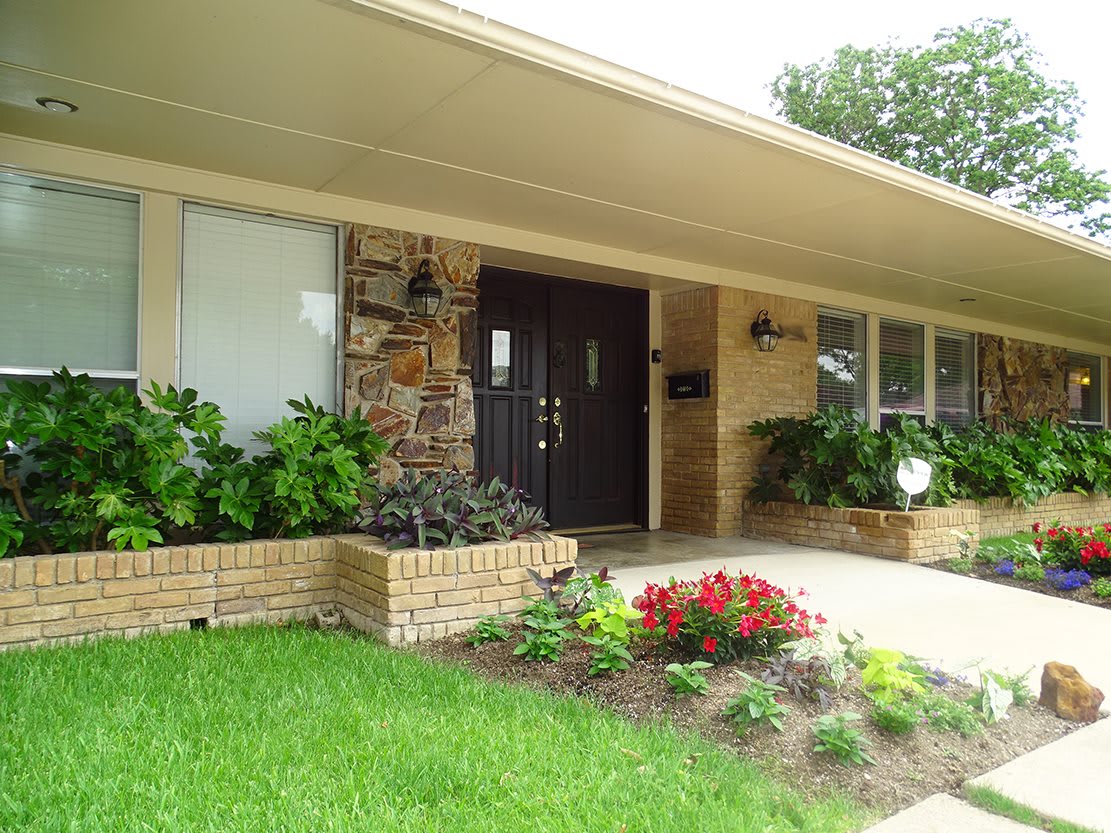
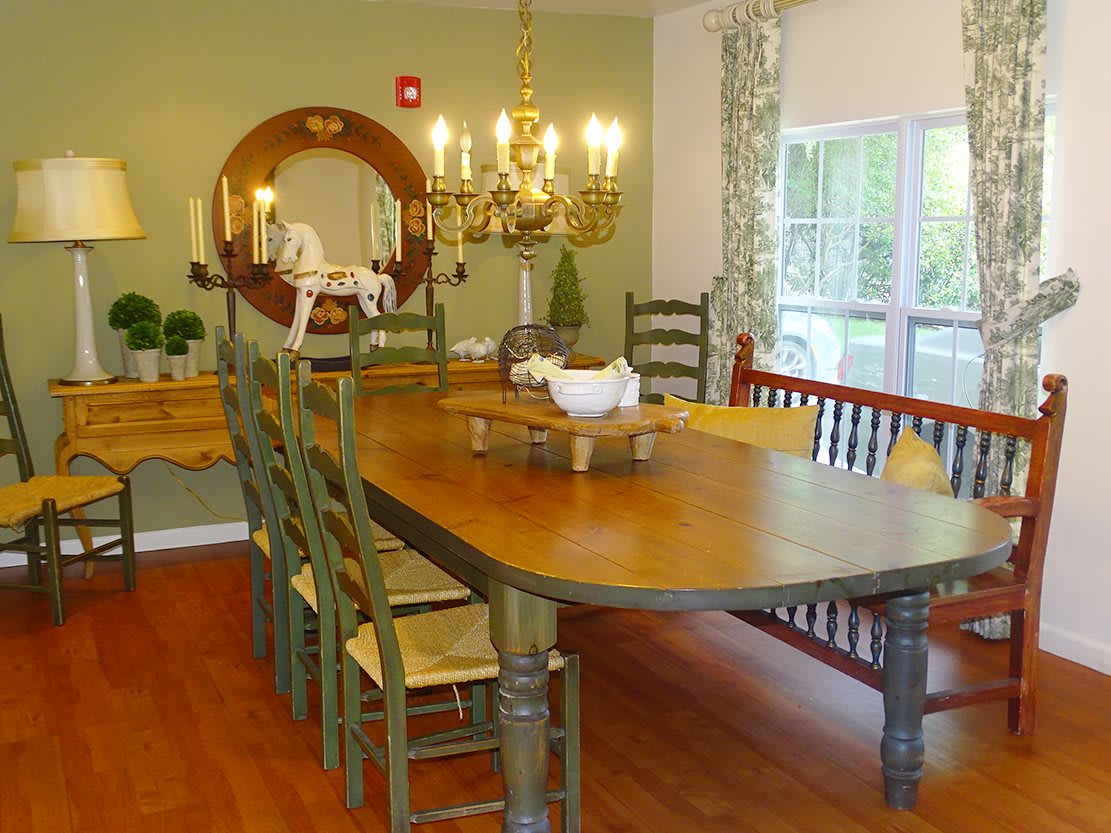
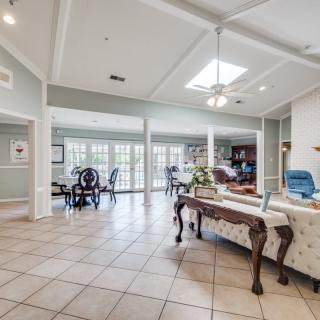
At Home Elderly Living in Dallas is best suited for families seeking a highly intimate, nurse-led care setting where every resident receives near-daily hands-on attention within a true home-like environment. This community operates from a single-family-home model, which cultivates a strong sense of continuity between residents and caregivers. The on-site leadership, an owner who is a registered nurse, supported by an LVN shared between houses and live-in caregivers, creates a predictable, health-aware cadence for daily routines and health monitoring. This arrangement is especially advantageous for seniors with mobility challenges or medical needs that benefit from quick recognition and a consistent point of contact. For couples or individuals who prioritize stability, safety, and personalized care over roomier common spaces, this setting is a practical, even ideal, match. Those prioritizing social buzz and abundant programming, however, should consider alternatives.
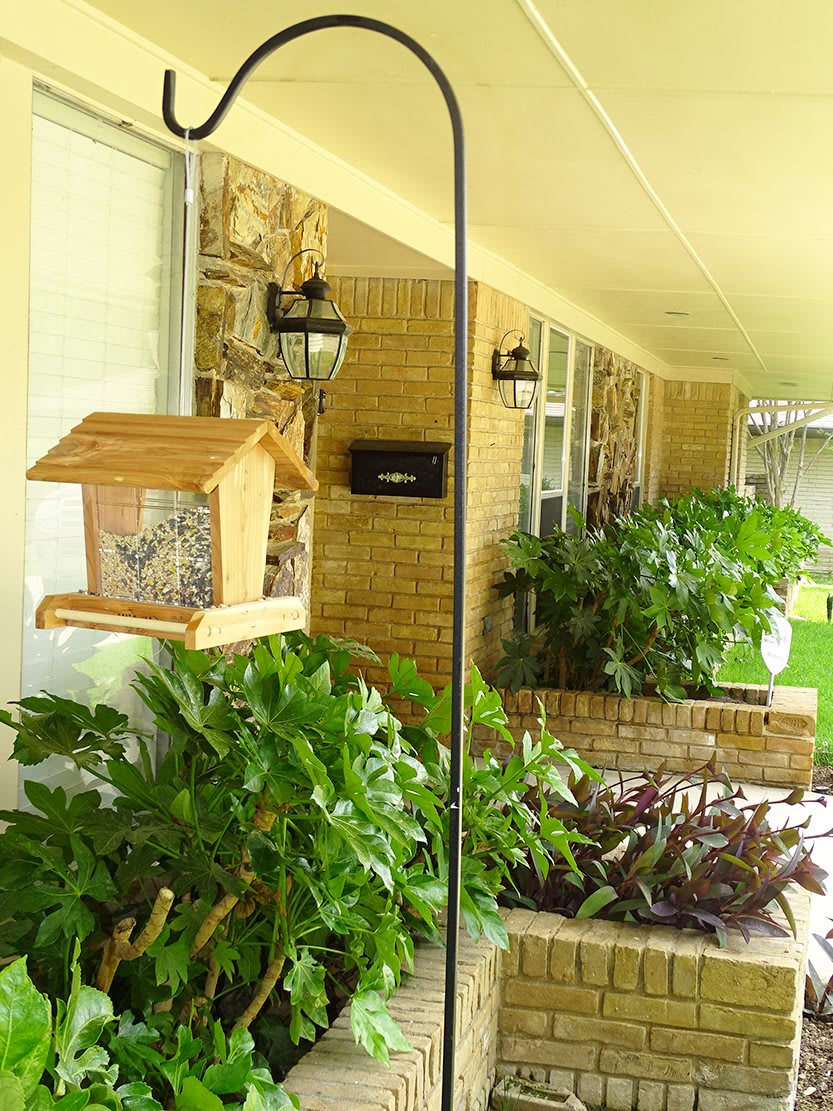
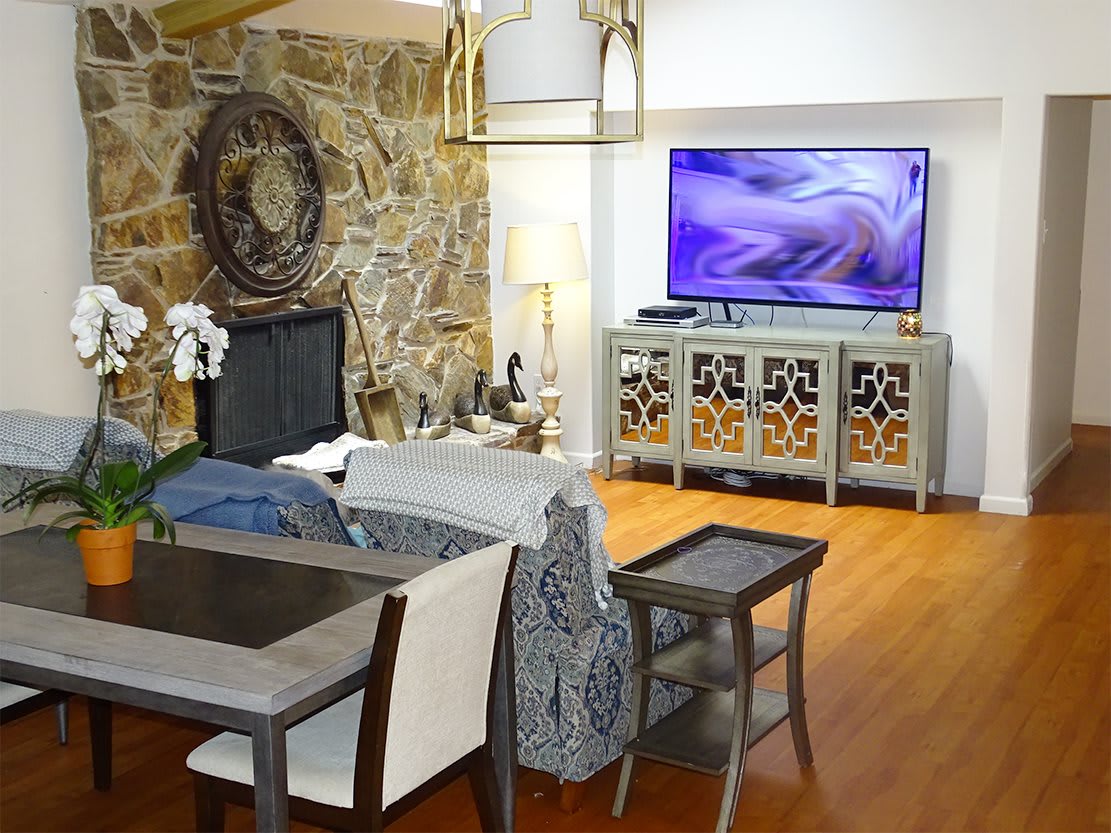
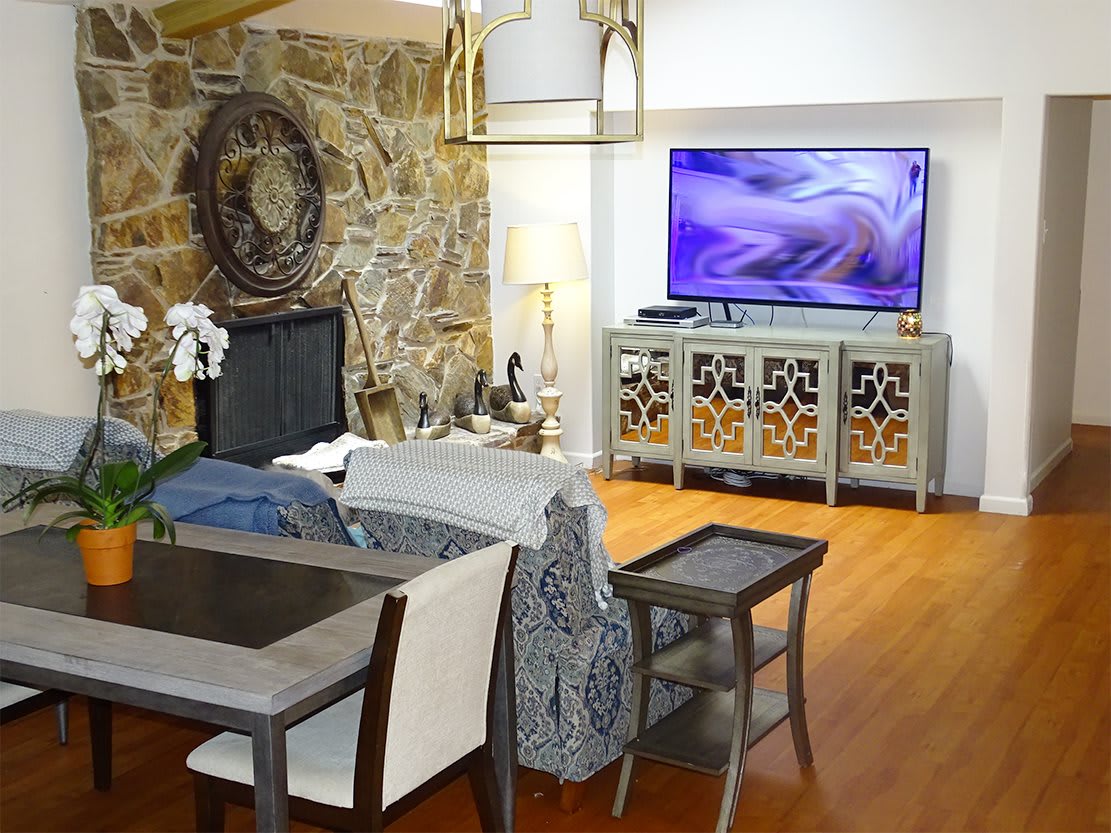
For families weighing options, the standout strength is the staff’s commitment to responsive, compassionate care. Multiple reviewers underscore how attentive and genuinely caring the team is, with caregivers actively seeking to understand each resident’s routines and preferences. The physical environment reinforces this reliability: the home is described as immaculate, clean, and inviting, with rooms that feel spacious and bathrooms that accommodate comfort and safety. A core advantage is the staffing model that minimizes miscommunication: a primary caregiver remains closely involved, with night coverage and weekend relief designed to maintain continuity as new residents join. In short, the intimate staffing approach translates into consistent, trustworthy day-to-day oversight that many families value deeply.
Yet the smaller scale that powers these strengths also constrains opportunity for social engagement. Several reviewers note the limited number of residents translates into fewer structured activities and a more individualized, rather-than group-oriented social scene. Some family members explicitly sought a more social environment and therefore chose not to move a loved one there, despite praising the care and cleanliness. The home’s size means less formal programming, fewer events, and a slower escalation of activity options as needs evolve. For seniors who thrive on a lively calendar, outings, and wide-ranging social interactions, this trade-off can be significant and worth exploring before committing.
This is where the decision hinges: the community’s pros offset the main drawbacks when the priority is safety, attentiveness, and personalized care in a calm setting. For residents requiring hands-on monitoring, equipment familiarization, or clear medical oversight, coupled with flexible, owner-led responsiveness, the benefits shine. The owner’s nursing background, the deliberate caregiver structure, and the willingness to adjust schedules and routines to fit a resident’s health picture create a strong net-positive for families who value peace of mind and a low-perturbation living environment. The emotional benefits, families feeling welcomed, residents receiving meaningful, presence-driven interaction, and a home-like atmosphere, are not trivial and materially affect daily quality of life.
Families who should consider alternatives are those seeking a more socially active community, robust therapy programs, or a broader slate of activities and resident-led clubs. Larger facilities with diversified programming, more frequent outings, and a wider pool of caregivers can better satisfy residents who crave constant engagement and a visible pace of life. Memory-care-specific units or communities with specialized clinical teams may also be preferable for individuals with complex behavioral needs or progressive dementia, where a bigger campus can provide a wider range of therapeutic resources. In those cases, the current model may feel limited by its size and scope.
In the end, At Home Elderly Living offers a practical, remarkably well-executed choice for families prioritizing intimate supervision, medical savvy, and a warm, safe home setting. The top-tier staff, clean and comfortable interiors, and the owner-led, health-conscious approach deliver outsized value for residents who fit a small-community profile. Prospective families should enter with a clear sense of their loved one’s social needs and activity expectations, and not overlook the importance of meeting the caregiving team and touring the home with those needs in mind. If intense social programming and a bustling atmosphere are non-negotiable, look elsewhere; if consistent, compassionate care in a quiet, well-run home is the priority, this community stands out as a highly reliable option.
 8 resident community capacity
 Assisted Living
 Board and Care Home
 Activities on-site
 Bath tubs
 Beautician on-site
 Cable or satellite TV
 Devotional services on-site
 Dining room
 Fully furnished
 Garden
 Housekeeping services
 Move-in coordination
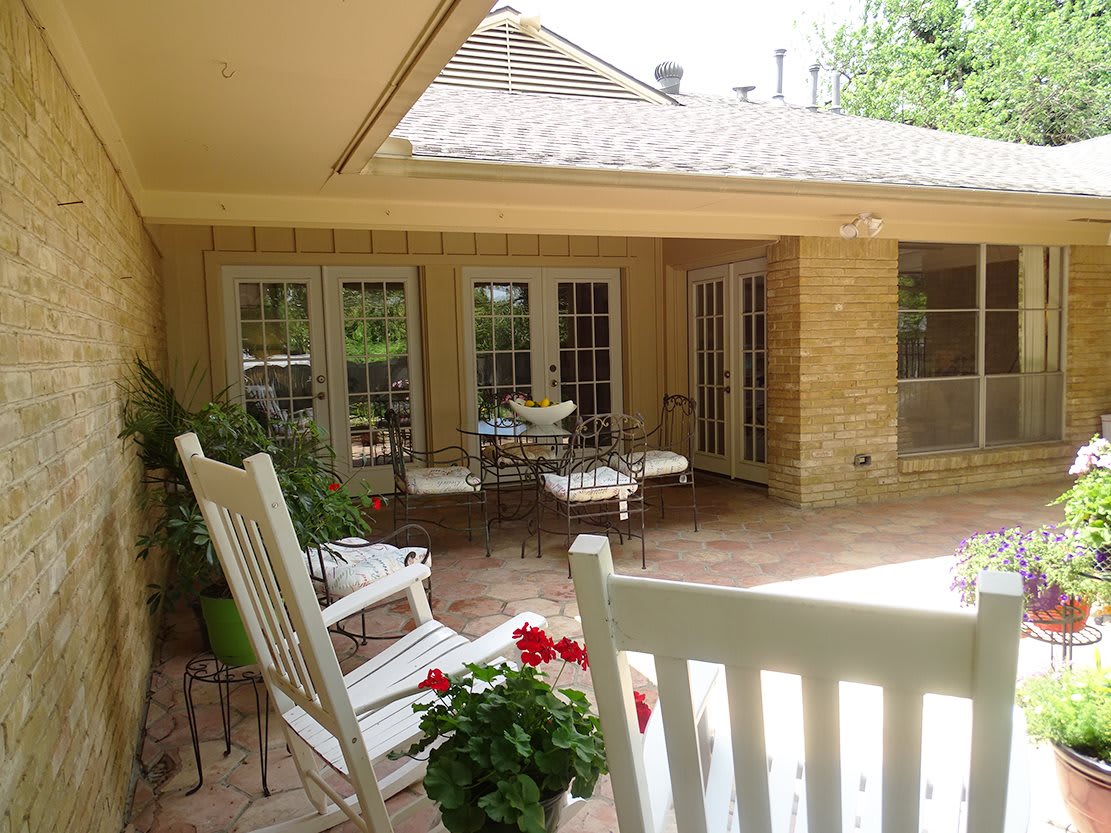
 Outdoor space
 Private
 Private bathrooms
 Respite or short term stays offered
 Telephone
 Wheelchair accessible showers
 Wi-Fi/high-speed internet available
 Dallas Love (6 miles away)
 24-hour supervision
 Ambulatory care
 Assistance with bathing
 Assistance with dressing
 Assistance with transfers
 Diabetes diet
 Diabetic care
 High acuity care
 Incontinence care
 Meal preparation and service
 Medication management
 Special dietary restrictions
 Transportation arrangement (medical)
 Transportation to doctors appointments






 Is Assisted Living Deductible on Your Taxes? Understanding the Complexities of Assisted Living Expenses and Deductions
 Assisted Living Support for Veterans: A Complete and Detailed Overview
 Exploring the Contrasts Between Assisted Living and Skilled Nursing