
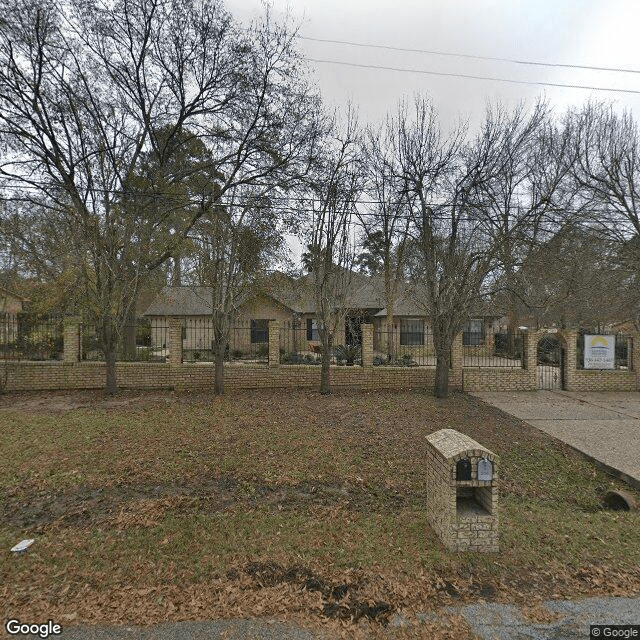
201 Bybee Drive, Conroe, TX 77301
For more information about senior living options: (866) 208-4318
Sunrise Senior Care Home Costs & Pricing
Sunrise Senior Care Home offers competitive pricing compared to both Montgomery County and the broader Texas state averages, providing a range of options for prospective residents. For private rooms, Sunrise's monthly cost of $2,500 stands out significantly against the county average of $4,177 and the state average of $4,096, making it an appealing choice for those seeking affordability without compromising on quality care. Additionally, their studio accommodations are priced at $3,500, which is slightly higher than the state average of $3,758 but lower than the county's average of $3,939. This positioning reflects Sunrise's commitment to delivering value while ensuring residents receive excellent support and services in a nurturing environment. Overall, these costs suggest that Sunrise Senior Care Home is a cost-effective option within its market segment in Montgomery County and Texas overall.
| Floor plans | Sunrise Senior Care Home | Montgomery County | Texas |
|---|---|---|---|
| Private | $2,500 | $4,177 | $4,096 |
| Studio | $3,500 | $3,939 | $3,758 |
Memory care communities with a similar price nearby
-
About the same

Northgate Assisted Living
$2,500 to $3,000 / month23.0 miles away -
from +$485 / mo
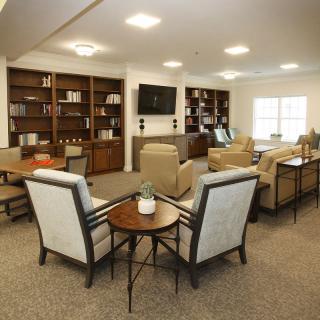
Reunion Court Of The Woodlands
$2,985 to $7,000 / month12.0 miles away -
from +$400 / mo

Faithful Senior Care, LLC
$2,900 to $3,900 / month0.1 miles away -
from +$270 / mo
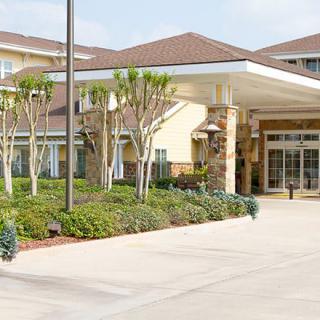
The Village at Gleannloch Farms, a CCRC
$2,770 to $6,226 / month20.5 miles away -
from +$495 / mo
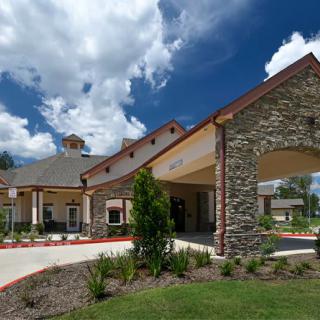
Ella Springs Senior Living Community
$2,995 to $4,975 / month21.9 miles away
Overall Review of Sunrise Senior Care Home
Pros
 Sunrise Senior Care Home provides excellent care for residents.
- The staff are kind, pleasant, and caring.
- The home feels like living at home, not a nursing home.
- It is very clean, beautiful, and family-run, with a warm, home-like ambiance.
- Residents have private, reasonably sized rooms in a small, converted house, making transitions easier.
- They offer hot daily meals, with homemade and delicious food.
- A range of activities and services are provided, including Bingo, barbecues, games, birthdays, and outings.
- The owners and staff maintain a strong family atmosphere and communicate well with families.
Cons
 It was described as the worst place for anyone with dementia, with staff who had no clue how to comfort or care for them and no medical experience.
 - Residents were reportedly threatened by the staff.
- The nursing staff and administration were said to not listen to concerns, leaving the patient neglected.
- The facility was described as offering no real rehabilitation, instead simply feeding residents and changing their Depends.
Review
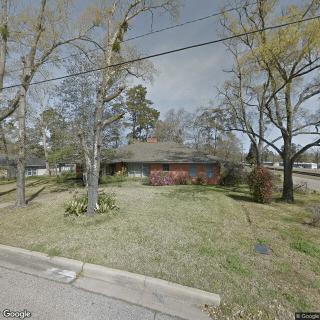
Sunrise Senior Care Home in Conroe is best for families seeking a genuine home setting with intimate, hands-on care. This community suits seniors who prefer a small, house-like environment where privacy and warmth come first, rather than a clinical, institutional feel. The facility is a converted private home that feels more like family living than a traditional nursing campus. It shines for residents who value open common areas, large private rooms, home-cooked meals, and a sense that staff and owners are personally invested in daily well-being. For a loved one who thrives on routine in a cozy, neighborly atmosphere, Sunrise delivers with notable warmth and attention.
Care decisions can pivot dramatically, however, depending on medical and cognitive needs. Those considering alternatives should note clear red flags for dementia-specific care here. A review explicitly labels Sunrise as unsuitable for anyone with dementia, citing a lack of specialized comfort strategies and medical experience. Another account notes irregular on-site medical oversight, with a nurse visiting roughly every two to three weeks. For families facing complex medical needs, persistent cognitive decline, or the requirement of robust, specialized memory care, a larger facility with dedicated dementia programming and round-the-clock nursing may be a wiser match.
The strongest draws are the home-like ambiance and the high level of personal attention. Residents enjoy an open kitchen and dining area, private rooms, and a layout that supports easy supervision by a tight-knit team. Staff are consistently described as kind, pleasant, and caring, with owners who stay closely involved and keep families well informed. The care philosophy emphasizes daily touchpoints, regular meals, social activities like Bingo, and accessible outings. Practical services extend beyond basic room and board: laundry, housekeeping, and even help getting hair and nails done, plus occasional transportation to places residents want to go.
These advantages offset several common drawbacks, but not all. The intimate scale, small numbers of residents and a family-run ownership, produces reliability and a high-touch feel that can compensate for fewer professional resources than a larger community. Meals are praised as homemade and tasty, and the atmosphere is described as cheerful and respectful, which often translates into better mood and daily cooperation from residents. Yet the trade-off is clear: limited on-site medical staff and fewer formal rehabilitation or memory-care programs can leave medically complex or dementia-impacted residents underserved. In other words, Sunrise excels at comfort and everyday vitality, while it may fall short on the clinical supports some families expect.
Pricing perceptions vary within the reviews. Several accounts commend Sunrise for being reasonably economical or offering strong value, especially given the home setting and comprehensive daily care. Others acknowledge budget tension, noting that the choice is “above our budget” for some families or requiring careful price checking. The prudent approach is to verify exact inclusions and any add-ons during tours and to compare with nearby options that offer more extensive medical staffing or dementia-certified programs. In a careful decision process, cost should align with the level of daily support, medical oversight, and the resident’s long-term needs.
In sum, Sunrise Senior Care Home is a compelling option for families seeking a warm, homelike alternative to a conventional facility, with generous meal quality, a welcoming atmosphere, and attentive, family-centered care. It stands out when the priority is comfort, personal attention, and home-like routines, making it a top choice for seniors who are relatively stable medically and do not require 24/7 nursing or specialized dementia services. For those with dementia or complex medical requirements, or for families prioritizing advanced clinical resources, it will be essential to explore other communities. A thoughtful visit, candid discussions about staffing, and a clear plan for future needs will clarify whether Sunrise is the right long-term home.
 12 resident community capacity
 Studio apartments
 Assisted Living
 Board and Care Home
 Memory Care
 Activities on-site
 Cable or satellite TV
 Computer center
 Devotional services off-site
 Dining room
 Financing advice
 Fully furnished
 Garden
 Golf
Golf Guest parking
 Housekeeping services
 Indoor common areas
 Laundry
 Move-in coordination
 Outdoor space
 Party space
 Private
 Swimming pool
 Telephone
 Wheelchair accessible showers
 Wi-Fi/high-speed internet available
 George Bush Intercontinental (25 miles away)
 Transportation & parking
 24-hour supervision
 Assistance with bathing
 Assistance with dressing
 Assistance with transfers
 Diabetes diet
 Diabetic care
 High acuity care
 Hospice care
 Meal preparation and service
 Medication management
 Physical therapy
 Psychiatric care
 Special dietary restrictions
 Transportation arrangement (medical)
 Arts and crafts
 Book club
 Educational speakers / life long learning
 Fitness programs
 Games
Games Live musical performances
 Wii bowling




 When Dementia Sparks Anger and Aggression: Understanding the Connection and Ways to Cope
 Dementia Behaviors: In-Depth Understanding and Effective Coping Strategies
 5 Early Indicators of Dementia and What You Can Do