St. Jude Residential Care

5 Anderson Crossing, Cedar Park, TX 78613

For more information about senior living options: (844) 490-3973

3.8 from 12 reviews
5 stars
8
4 stars
0
3 stars
1
2 stars
0
1 stars
3

Board and Care Home

St. Jude Residential Care Costs & Pricing

St. Jude Residential Care offers competitive pricing for its accommodations when compared to both Williamson County and the wider Texas market. For semi-private rooms, St. Jude charges $3,500 per month, which is notably lower than the county's average of $4,006 and slightly under the state's average of $3,680. Similarly, for private rooms, St. Jude's rate of $4,000 stands favorably against Williamson County's average of $4,482 and aligns closely with Texas' state average of $4,096. This positioning not only emphasizes the value that St. Jude provides but also ensures residents receive quality care without a significant financial burden relative to local and state norms.

Floor plansSt. Jude Residential CareWilliamson CountyTexas
Semi-Private$3,500$4,006$3,680
Private$4,000$4,482$4,096

What level of care are you interested in?

Assisted Living

Memory Care

Independent Living

Skilled Nursing Facility

Continuing Care Retirement Community (CCRC)CCRC

Other


Request a tour at St. Jude Residential Care

    Overall Review of St. Jude Residential Care

    Pros

    • pro Cedar Park Care Home is described as a very special place.
    • pro Cynthia Villasenor and her staff are praised for compassionate, comprehensive care.
    • pro The home sits in a peaceful country setting with outdoor views and animals.
    • pro With only a few residents, it feels like private nursing with prompt assistance.
    • pro Families report being very happy with the environment, meals, and care.
    • pro The facility is super clean, impeccably maintained, and tranquil.
    • pro The staff are described as wonderful, attentive, and caring.
    • pro The care is personalized and top-notch, including compassionate hospice support.
    • pro Multiple reviewers call Cedar Park the best place for elder quality life care.

    Cons

    • pro Cedar Park allegedly charged significantly more than what was reasonable and customary for a short hospice stay, taking advantage of a vulnerable state.
    • pro Mark allegedly made material misrepresentations about Cedar Park's rates, leading the reviewer to believe prices were lower and in line with industry standards.
    • pro Mark allegedly omitted material facts concerning his dating relationship to Cynthia Villasenor.
    • pro Mark, acting as a de facto Cedar Park agent, allegedly induced payment of several times the reasonable and customary charge for care.
    • pro Cedar Park allegedly refused to refund $5,600 and did not respond to emails.
    • pro The reviewer asserts Cedar Park used the family's emotional distress to overcharge.
    • pro Pricing reportedly increased by about $1,000 once hospice care started, with unclear additional benefits.
    • pro The reviewer claims the care was poor value, stating residents were fed very little and that caregivers could not speak English, implying poor quality for the money.
    • pro A commenter warned never to place a loved one there, citing poor care, limited visiting hours, and staffing concerns.

    Review

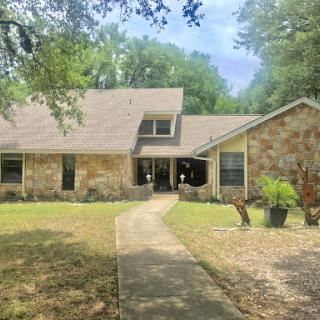
    Cedar Park Personal Care Home presents itself in the hearts of its reviewers as a place of quiet beauty and intimate, small-scale caregiving. Several writers paint a picture of a home tucked into a peaceful country neighborhood, surrounded by acreage, horse ranches, and a manicured landscape that feels almost like a private retreat rather than a clinical facility. The setting is repeatedly described as serene and welcoming: a place where loved ones can sit on a covered porch, watch animals roam, and receive care in a setting that seems intentionally uncluttered by the bustle and crowding that can mark larger facilities. The combination of a home-like atmosphere and a low resident count - often noted as three or fewer - contributes to a sense of individualized attention and a "private nursing" feel. For many families, the appeal lies in the calmer pace, the attention to daily activities, meals, and emotional support, and the opportunity for residents to enjoy outdoor spaces in a less institutional environment.

    Yet the testimonials are not uniformly favorable. A particularly stark account arises from a family member who faced a crisis of trust and affordability at Cedar Park. This reviewer describes being under hospital pressure to move a mother into hospice care and being guided toward Cedar Park by someone named Mark, who was associated with Silvey Manor at the time. The crux of the complaint is a claim of material misrepresentation and omission: the reviewer says Mark led them to believe Cedar Park's rates were lower and in line with industry norms, when in fact the charges turned out to be substantially higher. The initial payment - about $6,000 upfront for a 34-hour stay, roughly $176 per hour - became a point of contention, particularly in light of what the reviewer saw as a short, crisis-driven window to decide where the mother would receive care. The reviewer contends that this price was not reasonable or customary and that, after requesting a refund of $5,600, Cedar Park refused to reimburse or even engage in a discussion about the matter.

    Compounding the perceived harm, the reviewer asserts that Mark had a very close dating relationship with Cynthia Villasenor, the owner, and that material facts related to that relationship were omitted during the decision-making process. The claim is that these misrepresentations and omissions occurred in a moment of acute vulnerability, and that Cedar Park, through what the reviewer characterizes as a de facto agency relationship, leveraged the emotional state to secure a higher-than-expected charge for a brief hospice-related stay. The reviewer emphasizes that the total outlay was not only financially burdensome but also emotionally distressing, suggesting that the facility used the urgency of the situation to extract funds well above what would be typical for comparable services.

    In the same narrative, the reviewer notes a broader pattern they uncovered in their own research: many hospice facilities in the Austin area prorate charges by the day, rather than demanding a large upfront lump sum for a few hours of care. The implication is that Cedar Park's billing approach diverged from industry norms, and that the customer's expectations - and by extension, the decision-making window - were shaped by representations that turned out to be inaccurate. The contract and the billing method became points of contention, particularly when the reviewer sought a partial refund after discovering what they felt was a fairer, day-by-day pricing approach. The sentiment expressed is that, in an emotionally charged moment, Cedar Park did not respond with the transparency or flexibility the family felt it deserved.

    Despite this strong negative account, Cedar Park is tempered in the public eye by a substantial body of positive feedback. Multiple reviewers speak glowingly of Cynthia Villasenor, portraying her as a compassionate, dedicated caregiver who provides exceptional, attentive care to both patients and their families. One reviewer highlights Cynthia's compassionate and attentive approach, noting that she met physical, emotional, and spiritual needs in a way that left a lasting, favorable impression on the family. Across several testimonials, the owner's hands-on care stands out as a defining feature of Cedar Park, with references to the emotional warmth and thoughtful, individualized attention that helped families feel supported during challenging times.

    Other accounts focus on the quality of life and the everyday environment at Cedar Park. Families describe well-kept, clean facilities and a staff that is described as "wonderful and caring." The invitation to enjoy outdoor spaces - sitting on the porch, watching horses and other animals - appears repeatedly as a highlight, reinforcing the sense that Cedar Park offers a peaceful, home-like setting. Reviewers praise the home's cleanliness, the nutrition and meals provided, and the overall atmosphere that makes residents feel seen and valued. In several posts, loved ones recount how staff went above and beyond to ensure daily routines, activities, and social engagement contributed to a sense of community and well-being.

    The mix of perspectives includes a chorus of gratitude from families who feel their loved ones thrived under Cedar Park's care. Testimonials recount long-term satisfaction: grandmothers who lived there for years with ongoing, attentive care; parents and relatives who appreciate the staff's dedication to everyday needs; and siblings who were reassured by the home's ability to balance independence and support. Some reviewers specifically mention the facility's small scale - only a handful of residents - which they interpret as enabling timely assistance, shorter waits for help, and a level of personalized attention that larger facilities struggle to match. The positive voices also reference the staff's empathy, the attention to nutrition, and the clear affection shown toward residents, reinforcing a sense that Cedar Park can be a nurturing home for many families.

    Still other comments reflect a tempered, cautious voice. A few reviewers describe concerns they experienced or observed, including reports of limited visiting hours, scheduling quirks, and questions about how pricing is structured once hospice care begins. One reviewer recalls a specific critique of pricing increases tied to hospice status and questions about what extras, if any, were included for those higher charges. Another unhappy account claims that the care was not up to expectations and warns against placing a loved one there, citing insufficient food, limited staff presence, and language barriers among caregivers. Still others recommend careful due diligence and urge readers to listen to a broad range of experiences, including those who explicitly encourage relying on firsthand experiences rather than general impressions.

    Taken together, the collection of reviews presents Cedar Park Personal Care Home as a place of strong contrasts: a setting of undeniable charm, warmth, and personal attention for many residents, paired with a narrative of financial and ethical controversy in at least one highly charged case. For some families, the home represents a sanctuary - an antidote to the impersonal feel of larger facilities, where staff are described as genuinely caring, the environment is tranquil, and the care resonates across physical, emotional, and spiritual dimensions. For others, the experience is shadowed by questions about pricing, transparency, and the integrity of transitions to hospice care, with claims that factors beyond care quality - relationships, representations, and contractual terms - played a decisive role in the financial outcome.

    If you're evaluating Cedar Park, these reviews collectively suggest a thoughtful approach: weigh the documented care quality and the home's peaceful, intimate setting against the contested pricing practices and the concerns about communication and documentation raised by at least one family. As with any care decision, it may be prudent to seek direct conversations with the facility about pricing structures, what is included in hospice-related charges, and the process for refunds or adjustments. And it could be valuable to corroborate the information with hospital social workers, hospice coordinators, and other families who have recent experiences with Cedar Park, to form a well-rounded view that reflects both the warmth of the care environment and the complexities that accompany decisions during highly stressful times.

    Features

    Types of Care

    • Board and Care Home Board and Care HomeBoard and care homes provide a smaller, more intimate setting for seniors who require assistance with daily tasks but do not need the level of care offered by a nursing home. They offer personalized care, meals, and social activities in a homelike environment, ensuring that seniors receive individualized attention and support in their golden years.

    Pets

    • Cats allowed Cats allowed"Pet friendly" senior living communities are important for seniors because pets provide companionship, reduce feelings of loneliness and depression, promote physical activity and mental stimulation, and offer a sense of purpose and responsibility. Pets can improve overall well-being and quality of life for seniors in many ways.
    • Dogs allowed Dogs allowed"Pet friendly" senior living communities are important for seniors because pets provide companionship, reduce feelings of loneliness and depression, promote physical activity and mental stimulation, and offer a sense of purpose and responsibility. Pets can improve overall well-being and quality of life for seniors in many ways.

    Amenities

    • Activities off-site Activities off-siteEngaging in off-site activities is crucial for seniors to maintain social connections, stay active, and stimulate their minds. It promotes overall well-being and helps combat feelings of isolation and loneliness.
    • Bath tubs Bath tubsBath tubs are important for seniors because they provide a safe and relaxing way to bathe, helping to prevent slips and falls while promoting independence and overall well-being.
    • Devotional services off-site Devotional services off-siteDevotional services off-site are important for seniors as they provide spiritual nourishment, social engagement, and a sense of community outside of the senior living facility. This can enhance overall well-being and help combat feelings of isolation and loneliness often experienced by older adults.
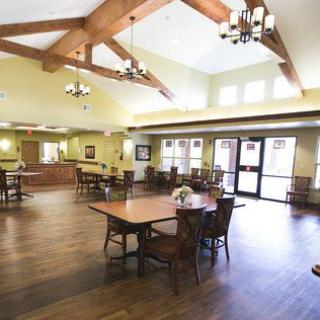
    • Indoor common areas Indoor common areasIndoor common areas are crucial for seniors as they provide a space for socialization, recreation, and community engagement, promoting overall well-being and reducing feelings of isolation and loneliness.
    • Outdoor common areas Outdoor common areasOutdoor common areas are important for seniors as they provide a space for socialization, physical activity, and relaxation. Being outside in nature can improve mood and overall well-being, while also encouraging movement and engagement with others. These spaces can help combat feelings of isolation and promote a sense of community among residents.
    • Private PrivatePrivacy is important for seniors as it allows them to maintain their independence, dignity, and sense of control over their own lives. It also gives them the space and freedom to relax, reflect, and engage in activities that bring them joy and fulfillment. Creating private spaces within senior living facilities is crucial for promoting overall well-being and quality of life.
    • Private bathrooms Private bathroomsPrivate bathrooms are important for seniors in senior living communities because they provide independence, dignity, and comfort. Having a private bathroom allows seniors to maintain their personal hygiene routines without the need for assistance, promoting a sense of autonomy and privacy. Additionally, private bathrooms help prevent the spread of infections and provide a safe and clean environment for seniors to navigate safely.
    • Wheelchair accessible showers Wheelchair accessible showersWheelchair accessible showers are crucial for seniors as they provide a safe and independent bathing option for those with mobility challenges. These showers help prevent falls and allow seniors to maintain their dignity and autonomy while ensuring they can bathe comfortably.

    Transportation

    • Austin-Bergstrom International (24 miles away) Austin-Bergstrom International (24 miles away)

    Care Services

    • Ambulatory care Ambulatory care"Ambulatory care services provide essential medical support and treatment to seniors without requiring hospitalization, allowing them to maintain their independence and quality of life while managing chronic conditions or receiving routine medical care."

    Dining

    • Kosher KosherKosher options are important for seniors because they adhere to dietary laws that are significant to many Jewish individuals, providing them with peace of mind and an opportunity to maintain their cultural traditions and beliefs while living in a senior living community.
    • Meals provided Meals provided"Meals provided" are crucial for seniors in assisted living communities as it ensures they have access to nutritious, balanced meals without the stress of meal planning and preparation. This can help promote overall health and well-being for seniors who may have limited mobility or cognitive abilities.
    • Vegetarian VegetarianA vegetarian diet is important for seniors because it can help lower the risk of chronic diseases, maintain a healthy weight, and provide essential nutrients needed for aging bodies. Additionally, plant-based diets are often easier on digestive systems and can contribute to overall well-being in older adults.

    Activities

    • Activities off-site Activities off-siteEngaging in off-site activities is crucial for seniors to maintain social connections, stay active, and stimulate their minds. It promotes overall well-being and helps combat feelings of isolation and loneliness.
    • Christian services Christian servicesChristian services are important for seniors because they provide a sense of community, spiritual support, and opportunities for connection with others who share their faith. These services can offer comfort, hope, and guidance as seniors navigate the challenges of aging and find meaning and purpose in their lives.
    • Devotional activities offsite Devotional activities offsiteDevotional activities offsite are important for seniors because they provide social engagement, spiritual growth, and a sense of community outside of their living environment. This can improve overall well-being, mental health, and combat feelings of isolation or loneliness.

    Description

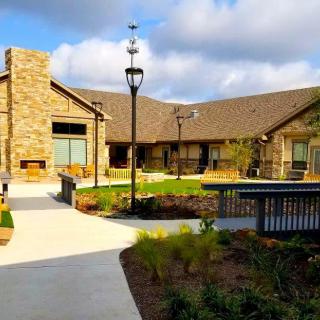
    St. Jude Residential Care in Cedar Park, TX is a welcoming assisted living community that offers a wide range of amenities and services to enhance the comfort and well-being of its residents. Our facility features spacious living areas where residents can relax and socialize with fellow residents, both indoors and outdoors. The private rooms come equipped with private bathrooms, ensuring convenience and privacy.

    We understand the importance of maintaining a healthy lifestyle, which is why we provide nutritious meals on a daily basis, catering to both regular and vegetarian diets. Residents can also enjoy devotional services off-site as part of their spiritual well-being.

    Engaging in various activities is an integral part of life at St. Jude Residential Care. Our community offers Christian services for those who seek religious fulfillment, as well as devotional activities off-site for a change of scenery. Furthermore, our location boasts numerous nearby cafes, parks, pharmacies, physicians' offices, restaurants, places of worship, theaters, hospitals, and transportation options to ensure convenience and accessibility for our residents.

    At St. Jude Residential Care in Cedar Park, TX, we strive to create a nurturing environment that promotes independence and enriches the lives of our residents through exceptional care and thoughtful amenities.

    Nearby Places of Interest

    Parks

    • Ranch Trails Park (0.8 miles)
    • Champion Park (1.7 miles)
    • Williamson County Regional Park (1.8 miles)
    • Lakewood Park (3.1 miles)
    • Rattan Creek Park (5.9 miles)
    • Arboretum Park (6 miles)

    Cafes

    • Red Horn Coffee House and Brewing Co. (0.8 miles)
    • Summer Moon Wood-Fired Coffee (2.5 miles)
    • Starbucks (3 miles)
    • Cuppa Austin (3.9 miles)
    • 85 C Bakery Cafe USA (4.3 miles)
    • Starbucks (4.4 miles)
    • HTeaO (4.5 miles)

    Restaurants

    • Mandola's Italian Kitchen (0.9 miles)
    • Whataburger (1.2 miles)
    • McDonald's (1.3 miles)
    • The League Kitchen & Tavern (2.5 miles)
    • Freddy's Frozen Custard (2.6 miles)
    • McDonald's (2.7 miles)
    • Jack Allen's Kitchen (2.8 miles)

    Physicians

    • Retina Group of Texas (1.1 miles)
    • Whitestone Pediatrics (2.5 miles)
    • Aspire Allergy & Sinus (2.5 miles)
    • Oncology Group (3.1 miles)
    • Longhorn Imaging (3.4 miles)
    • Pediatric Center of Round Rock (3.6 miles)
    • Heart Hospital of Austin at St. David's Round Rock Medical Center (3.6 miles)

    Places of Worship

    • Jehovah's Witnesses (1.4 miles)
    • St Vincent De Paul Catholic Church (3.1 miles)

    Pharmacies

    • CVS Pharmacy (2 miles)
    • Walgreens (2.5 miles)
    • CVS Pharmacy (2.5 miles)
    • Walgreens (3.5 miles)
    • CVS Pharmacy (3.8 miles)
    • CVS Pharmacy (4.2 miles)
    • H-E-B Pharmacy (4.4 miles)

    Hospitals

    • Cedar Park Regional Medical Center (2.7 miles)
    • Round Rock Medical Center (3.6 miles)
    • Scott & White Hospital (5.3 miles)
    • Reliant Rehab Central Tx (5.6 miles)

    Theaters

    • Cinemark Cedar Park (2.9 miles)
    • Alamo Drafthouse Lakeline (4.6 miles)
    • Cinemark 14 Round Rock (5.1 miles)

    Transportation

    • MetroRail Lakeline Station (3.9 miles)

    Frequently Asked Questions

    How much does it cost to live at St. Jude Residential Care in Cedar Park, TX?
    Where is St. Jude Residential Care?
    Does St. Jude Residential Care allow residents to have pets?

    Nearby Communities

    Related Resources

    • what is home health careUnderstanding Home Health Care: A Comprehensive Guide

      Home health care has become essential for supporting independence among the aging population, offering diverse services such as skilled nursing and rehabilitation in familiar environments, while also incorporating technology for personalized care. Despite its benefits, including improved recovery rates and emotional well-being, challenges like safety, staff availability, and insurance navigation must be managed for effective implementation.

    • what is home health careHome Health Care Demystified: A Comprehensive Guide for Families and Caregivers

      Home health care offers a range of clinical services provided in a patient's home, including nursing and therapy, tailored to individual needs, particularly for aging seniors with chronic conditions. This approach enhances patient independence, promotes better disease management, and utilizes technology for real-time monitoring while fostering collaboration among healthcare providers and family members.

    • uber for seniorsSeniors and Modern Transportation: Exploring Uber, Lyft, and Other Ride-Hailing Options

      Seniors benefit from ride-hailing services like Uber and Lyft, which provide convenient and accessible transportation options that promote independence and social engagement, while addressing mobility challenges. These platforms have adapted to meet senior needs with user-friendly features and safety measures, although costs can be a concern; community programs may help subsidize rides for older adults.


    Get Pricing Ask A Question Schedule A Tour Contact Senior Advisor