

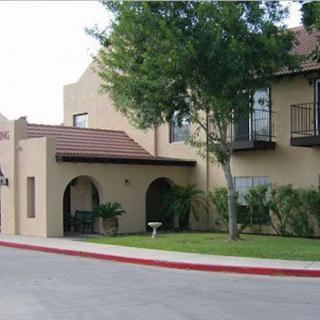
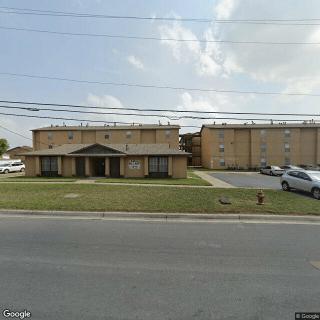
420 E Ruben M Torres Blvd, Brownsville, TX 78520
To contact a resident: (956) 550-9679
For more information about senior living options: (866) 208-4318
Overall Review of Meadows Assisted Living
Pros
 The staff at Spanish Meadows provide excellent care and are friendly, polite, and attentive to residents' needs.
- The Director of Nursing, Joe, and Nurse Alicia answer questions with respect and a positive attitude and are very helpful.
- Their professionalism and knowledge are evident.
- They go above and beyond to make sure residents feel right at home.
- The facility is welcoming to volunteers, and the rehabilitation team is caring, compassionate, and competent.
- The service and care at Spanish Meadows are excellent.
Cons
 The facility was totally disorganized and there was no communication among the staff.
- The resident's clothes were always lost.
- They never informed the family about the resident's pneumonia.
- It was described as the worst place to take a loved one.
- The grandmother's needs were ignored, and alarms go unanswered for a long time.
- They moved him to another room without informing the family.
Review
Meadows Assisted Living in Brownsville is best suited for families that want hands-on nursing attention and a clearly capable rehabilitation team, and who can commit to actively overseeing day-to-day care. The strongest argument in its favor is the presence of attentive nurses and a Director of Nursing who respond with professionalism and practical knowledge. When staff are praised, it is usually about responsive bedside care and a caregiving mindset that feels genuine to families. The rehab team is repeatedly described as caring and competent, and at least one volunteer tester found the environment professional and welcoming. For families seeking close clinical oversight and a facility where staff genuinely engage with residents, Meadows can be a solid option if the surrounding operational questions are satisfactorily addressed.
Those who should consider alternatives are precisely the families that cannot tolerate inconsistent communication or gaps in day-to-day operations. Several reviews raise red flags about disorganization, missed information, and poor transparency. Instances where clothes are lost, rooms are changed without notice, and routine needs, like bathroom assistance or diaper changes, trigger alarms with slow or unclear responses, cannot be dismissed as minor irritants. When a resident’s health event is not promptly communicated to family members, trust erodes quickly. Potential residents with high safety or urgent medical needs should approach Meadows with heightened scrutiny, because the negative experiences in multiple accounts suggest that reliability and timely communication are not consistently present.
The key pros, friendly, professional nursing staff; evident expertise among the DON and nurses; and a rehabilitative emphasis, do not fully offset the main cons when taken across the board. The positive comments about staff competence create a sense of security around clinical care and rehabilitation, yet they sit alongside a pattern of disorganization and missed follow-through. A facility can deliver excellent bedside care while still failing in administrative and logistical areas that directly affect daily life: laundry mishaps, abrupt room relocations, and the perception that alarms and needs are not prioritized. For families, the decisive question becomes whether the care excellence at the bedside can survive constant advocacy and meticulous oversight from loved ones and guardians.
From a practical decision-making perspective, several exacting steps should guide the investigation. Request current staffing ratios and a transparent tour of the alarm-response process to verify that emergencies are addressed within a reasonable window. Ask to review recent incident reports, room-change notifications, and the laundry logs to gauge efficiency and accountability. Speak directly with the Director of Nursing and the administrator about communication protocols, scope for family involvement in daily care planning, and clear policy on separating or assigning rooms. Observe a live call-light response in a common area and ask for a concrete care plan tailored to the resident’s specific needs, including fall prevention and medication management.
Residents with complex medical needs or memory-related challenges require even more assurance. The reviews show a troubling possibility of mislabeling diagnoses or implying dementia as a blanket explanation for operational lapses, which undermines trust and demands corrective transparency. Families should verify the facility’s protocols for cognitive impairment, ensure that care plans reflect current diagnoses, and confirm that staff receive training in delirium prevention, de-escalation, and timely communication with families about health changes. If these assurances cannot be delivered in a straightforward, documented manner, alternatives that emphasize consistent communication and proven safety records become compelling.
In sum, Meadows Assisted Living presents a conditional invitation. It can serve well for families who value authentic, attentive nursing care and a rehabilitative orientation, provided there is strong resident advocacy and ongoing monitoring. For those who prioritize rock-solid communication, reliable incident handling, and unambiguous consistency in daily operations, caution is prudent. Prospective residents should pursue a structured, evidence-based evaluation: a candid conversation with the DON, verification of staffing and alarm-response metrics, a review of incident logs, and multiple site visits at different times to judge consistency. If these checks satisfy, Meadows can be a sound fit; if not, the search should continue with a facility where everyday reliability supports peace of mind without constant family oversight.
 Assisted Living
 Activities on-site
 Devotional services off-site
 Indoor common areas
 Brownsville S.Padre Island International (3 miles away)
 Ambulatory care
 Diabetic care
 High acuity care
 Meals provided



 Understanding Medicaid Coverage for Assisted Living: A Comprehensive Guide
 How and When Medicaid May Cover Assisted Living Costs
 A Detailed Exploration of Assisted Living Medicaid Waivers Across the United States