Scc At Valley Grande

901 Wildrose Lane, Brownsville, TX 78520

For more information about senior living options: (844) 490-3973

2.3 from 13 reviews
5 stars
3
4 stars
0
3 stars
2
2 stars
1
1 stars
7

Skilled Nursing Facility

Overall Review of Scc At Valley Grande

Pros

  • pro The staff at Valley Grande Manor is by and large excellent, including nurses and CNAs.
  • pro The night crew was amazing.
  • pro The administrator Joe Longoria is accessible and provides solutions to concerns.
  • pro Nurse Juan is an extraordinary nurse who keeps families informed about their loved one's health.
  • pro Nurse Monica B. is exceptional.
  • pro Amy stays true to her word and is there for families when contacted.
  • pro The front desk staff were kind and professional.

Cons

  • pro The staff are heartless and have neglected patients, including the reviewer's aunt.
  • pro The reviewer believes their mother's health deteriorated and she died after staying there, and they do not recommend the facility.
  • pro Some nurses are nasty, and the management is not forthcoming with information, avoiding conversations with residents.
  • pro The administration needs to change; meetings do not solve issues and staff workflows are hampered.
  • pro The activities room was moved to the dining room without residents' consent, showing disrespect for residents and volunteers.
  • pro The DON, Tonia Thiele, is accused of racism and discriminating against CNAs who don't speak English.
  • pro Nepotism and mistreatment are alleged, including a relative of the DON in charge of activities and firing long-time staff, with perceived favoritism and age discrimination.
  • pro The administrator Jose Longoria is seen as uncaring and unresponsive to complaints, with criticism about resource management (van needs) while other costs are incurred.

Review

What emerges from these personal accounts is a complex and emotionally charged portrait of Valley Grande Manor, a place that some families credit with genuine care and dedication, while others describe as a site of neglect, management missteps, and painful strain on residents and their loved ones. The reviews span at least two locations and multiple years, but they converge on a central tension: the quality of care often depends on who is on duty, who runs the facility, and how transparent and responsive the leadership proves to be. In one voice you hear praise for compassionate nurses and a responsive bedside team; in another you hear warnings that loved ones were left waiting for essential attention, with critical health problems unaddressed and with families left in the dark about what was happening.

Several reviewers recount harrowing medical lapses that they believe contributed to deterioration and, in one case, the death of a parent. One aunt reportedly went weeks with a urinary tract infection without being informed until it was too late, a failure that left the family feeling that vital signs and infections were not being communicated promptly. A mother's health deteriorated over six months, culminating in death, and the reviewer was convinced more proactive treatment and better communication would have changed the outcome. These stories share a sense of frustration with delays in diagnosis and a perceived lack of urgency in pursuing aggressive treatment when it was warranted. Across these experiences, families describe a pattern in which information about their loved ones' conditions was not shared in a timely or thorough manner, leaving them to learn of developments long after signals of trouble had appeared.

Yet there is not a single, uniform narrative of failure. Other families report that many staff members - nurses, CNAs, and front-desk workers - were kind, patient, and attentive. The contrast is stark: some residents describe the bedside team as one of the few bright spots, with caregivers who treated them with respect and compassion, and who worked long hours to meet the needs of those in their care. In these accounts, the care teams are capable of warmth and effective communication, and families express gratitude for specific individuals who went above and beyond in moments of distress. The facility's administration is described by some as charming or helpful, even if not always transparent, highlighting the nuanced dynamic that can exist in long-term care settings where personal relationships influence perceptions of overall performance.

At the same time, the administrative side of Valley Grande Manor draws sharp critique from several reviewers. One family notes that the business manager could be engaging but was not consistently forthcoming with information, and that she tended to "hide when she sees me coming" rather than engage in constructive dialogue. Within another review, a resident accuses the Director of Nursing of fostering a tense atmosphere and racism, arguing that the DON discriminates against CNAs who do not speak perfect English and creates a climate of fear or discomfort when she is present. The Administrator is painted as a figure who relays information and answers questions only in ways that leave residents and families feeling unheard, with some conversations described as unproductive "meetings that don't solve anything" and as interruptions that take staff away from the floor for extended periods. There is also a sense of systemic tension - between the demands of meetings, the reality of staffing shortages on the floor, and the perception that some staffing decisions are driven by personal relationships or nepotism rather than by patient care needs.

A particularly vivid thread runs through a lengthy narrative from the Zepeda family, who recounts a series of friction points that include moving the activities room to the dining room without resident consent, and removing a much-loved activities space that had become part of the residents' daily life. They describe a perceived lack of respect for volunteers and for religious observances, including Catholic rosary readings and sermons, which caused distress and embarrassment when residents had to request repeats of religious services. The reviewer mentions specific staff members and accuses a DON and an administrator of prioritizing meetings over direct care, leaving the residents with insufficient staff coverage on the floor for long stretches. Allegations of favoritism and discrimination surface here as well, including claims that a relative of the DON was given preferential scheduling, and that there were concerns about age and language-based discrimination in personnel decisions. The reviewer questions the facility's priorities, noting that while there is talk of compassion and care, practical resources such as gas for the agency van and timely maintenance are neglected, replaced instead by ordinary consumer expenses that feel at odds with the needs of residents.

In the midst of these criticisms, one particularly heartfelt account from a Mississippi hospital patient's family offers a contrasting but equally strong portrait of a different Valley Grande experience. This account centers on a father's arrival and a staff network that is repeatedly described as professional, communicative, and deeply respectful. The front desk staff are praised for their politeness and efficiency, and Amy in intake is singled out for reliability and reassurance. The night shift and head nurse - the person who addressed the family's concerns during a moment of distress - are described as attentive and proactive. The daily communication from nurses like Juan, Tom, Adrian, and Monica B. is highlighted as exemplary, with the nurse consistently providing full reports about the father's health, coordinating with family members who may be geographically distant, and showing genuine care for both patient and family. The administrator, Joe Longoria, is lauded for his accessibility and problem-solving approach, arriving late at night if necessary to ensure concerns are addressed. In this account, the staff's teamwork, willingness to go the extra mile, and a sense of shared purpose create a highly positive impression that stands in stark relief to the dissatisfaction voiced in other reviews.

Even within positive testimonials, there are notes of critique that temper the exuberance. One family who speaks highly of the staff still acknowledges that the director of nursing should have acted with more diligence and that better communication with doctors could have supported more timely decisions in care. This nuance - the idea that excellent frontline care can exist alongside administrative gaps - winds through the different testimonies, reminding readers that long-term care settings are complex ecosystems in which success depends on aligning bedside compassion with clear, proactive leadership and transparent communication.

Taken together, these varied experiences illustrate a facility marked by potential and genuine warmth in many shifts and rooms, but also a recurring pattern of concerns that cannot be ignored. The best-case narratives emphasize compassionate caregivers who form trusting bonds with residents and families, while the most troubling accounts emphasize neglect, communication breakdowns, and leadership challenges that undermine trust. For families considering Valley Grande Manor, the converging message is clear: outcomes may depend heavily on the specific staff on duty, the leadership in place, and ongoing commitments to transparent communication, staffing adequacy, and respect for residents' needs and beliefs. The mixture of praise and protest suggests that meaningful improvements would require consistent, proactive engagement from administration, more reliable information-sharing with families, and a sustained focus on staffing, training, and the respectful treatment of all residents and staff, regardless of language, background, or relationships.

Features

Housing

  • 93 resident community capacity 93 resident community capacity

Types of Care

  • Skilled Nursing Facility Skilled Nursing FacilitySkilled Nursing Facilities are crucial for seniors as they provide round-the-clock medical care, rehabilitation services, and assistance with daily activities. These facilities ensure that seniors receive the specialized care they need to maintain their health and well-being as they age.

Amenities

  • Air-conditioning Air-conditioningAir conditioning is important for seniors as they are more vulnerable to heat-related illnesses and may have underlying health conditions that make it difficult for them to regulate their body temperature. It helps to keep them comfortable, safe, and healthy in hot weather.
  • Beauty salon Beauty salonBeauty salons are important for seniors because they provide a space for them to feel pampered, socialize, and maintain their personal grooming and hygiene. Regular visits to a beauty salon can help boost seniors' self-esteem and overall well-being.
  • Cable or satellite TV Cable or satellite TVCable or satellite TV is important for seniors because it provides entertainment, news, and companionship, helping to combat loneliness and boredom. It also offers a wide range of programming options tailored to different interests and preferences.
  • Computer center Computer centerA computer center is essential for seniors as it provides access to technology, communication tools, and resources that can enhance their daily lives. It allows them to stay connected with loved ones, engage in online activities, and learn new skills, ultimately promoting socialization and mental stimulation.
  • Dining room Dining roomDining rooms are important for seniors as they provide a space for socialization, connection, and nutritious meals. They offer opportunities for residents to bond over shared meals, foster a sense of community, and promote healthy eating habits. Dining rooms also ensure that seniors have access to well-balanced meals tailored to their dietary needs and preferences.
  • Fitness room Fitness roomHaving a fitness room in a senior living community is essential for seniors to stay active, maintain their physical health, and improve their overall well-being. Regular exercise can help prevent falls, reduce the risk of chronic diseases, and promote mental sharpness. It also provides social opportunities for residents to connect with others and enjoy a sense of community.
  • Fully furnished Fully furnishedFully furnished senior living communities are important for seniors because they provide convenience, comfort, and a hassle-free moving experience. Seniors can easily settle into their new living space without the stress of having to buy and move furniture. This allows them to focus on enjoying their new home and community.
  • Gaming room Gaming roomGaming rooms are important for seniors as they provide a fun and engaging environment for socializing, cognitive stimulation, and physical activity. Games can improve memory, problem-solving skills, and overall mental well-being while fostering friendships and reducing feelings of isolation.
  • Garden GardenGardens are important for seniors as they provide a peaceful and therapeutic environment for relaxation, physical activity, and socialization. Being in nature has been shown to reduce stress, improve mood, and promote overall well-being. Gardens also offer opportunities for seniors to engage in gardening activities, which can improve mobility, flexibility, and cognitive function. Additionally, gardens create a sense of community and connection with others who share a passion for plants and outdoor spaces.
  • Housekeeping services Housekeeping servicesHousekeeping services are important for seniors because they help maintain a clean and safe living environment, promote independence, and reduce the risk of accidents or illnesses. Additionally, having assistance with household chores can alleviate physical strain and allow seniors to focus on other aspects of their well-being.
  • Kitchenette KitchenetteKitchenettes are important for seniors living in senior living communities because they provide the convenience and independence of being able to prepare simple meals and snacks in the comfort of their own living space. This can help promote a sense of autonomy and well-being for seniors, allowing them to maintain some level of control over their dietary choices and daily routines.
  • Move-in coordination Move-in coordinationMove-in coordination is important for seniors because it helps ease the transition into their new living environment. It ensures that all logistics, such as packing, organizing movers, and setting up utilities are taken care of, allowing seniors to focus on settling in and adjusting to their new home. Having a smooth move-in process can alleviate stress and anxiety, making the transition smoother and more enjoyable for seniors.
  • Outdoor space Outdoor spaceOutdoor spaces are important for seniors as they provide opportunities for physical activity, social interaction, exposure to natural light and fresh air, and a sense of connection to nature. Having access to outdoor spaces can improve overall well-being and quality of life for older adults living in senior communities.
  • Private bathrooms Private bathroomsPrivate bathrooms are important for seniors in senior living communities because they provide independence, dignity, and comfort. Having a private bathroom allows seniors to maintain their personal hygiene routines without the need for assistance, promoting a sense of autonomy and privacy. Additionally, private bathrooms help prevent the spread of infections and provide a safe and clean environment for seniors to navigate safely.
  • Restaurant-style dining Restaurant-style diningRestaurant-style dining is important for seniors because it allows them to enjoy delicious, nutritious meals in a social and upscale setting. This enhances their dining experience, promotes healthy eating habits, and fosters socialization with fellow residents, ultimately contributing to their overall well-being and quality of life.
  • Small library Small librarySmall libraries are important for seniors as they provide access to a variety of reading materials, including books, newspapers, and magazines. This can help stimulate their minds, keep them engaged, and provide a sense of community through book clubs and other social activities. Additionally, reading has been shown to improve cognitive function and overall mental well-being in older adults.
  • Telephone TelephoneTelephones are important for seniors as they provide a lifeline for communication with loved ones, emergency services, and healthcare providers. They offer a sense of security and independence, enabling seniors to stay connected and access assistance when needed.
  • Wellness center Wellness centerWellness centers are important for seniors because they offer a variety of programs and services that promote physical, mental, and emotional well-being. These centers provide opportunities for exercise, socialization, education, and relaxation, helping seniors maintain their overall health and quality of life.
  • Wi-Fi/high-speed internet available Wi-Fi/high-speed internet availableWi-Fi/high-speed internet is important for seniors to stay connected with loved ones, access online resources, and participate in virtual activities to combat feelings of loneliness and isolation. It also allows them to easily manage healthcare needs, access entertainment, and engage in lifelong learning opportunities.

Transportation

  • Brownsville S.Padre Island International (6 miles away) Brownsville S.Padre Island International (6 miles away)
  • Valley International (22 miles away) Valley International (22 miles away)
  • Community operated transportation Community operated transportationCommunity operated transportation is crucial for seniors as it provides them with the means to access essential services, social activities, and medical appointments. It allows seniors to maintain their independence and quality of life by ensuring they can participate in activities outside of their homes. Additionally, community-operated transportation services offer a safe and reliable way for seniors to travel without having to rely on family or friends for assistance.
  • Transportation arrangement Transportation arrangementTransportation arrangements are crucial for seniors as they may face challenges with driving, mobility, or access to public transportation. Having reliable transportation services ensures that seniors can easily attend appointments, social activities, and maintain their independence and quality of life.
  • Transportation arrangement (non-medical) Transportation arrangement (non-medical)Transportation arrangements are essential for seniors as they provide access to essential services, activities, and social interactions outside the home. This service helps maintain independence, mobility, and overall well-being for seniors who may have limited transportation options.
  • Transportation to doctors appointments Transportation to doctors appointmentsTransportation to doctors appointments is crucial for seniors as it ensures they have access to necessary medical care and support, promoting their health and well-being. It allows them to receive timely treatment, monitor existing conditions, and address any new health concerns efficiently. Additionally, transportation services can help seniors maintain their independence and quality of life by enabling them to stay connected with their healthcare providers.

Care Services

  • 12-16 hour nursing 12-16 hour nursing12-16 hour nursing care is crucial for seniors in order to ensure around-the-clock monitoring, timely medication administration, and prompt response to any health concerns or emergencies. This level of care helps to promote the overall well-being and safety of seniors living in senior living communities.
  • 24-hour call system 24-hour call system24-hour call systems are important for seniors because they provide peace of mind and immediate assistance in case of emergencies. This technology ensures that help is always available, promoting safety and security for elderly individuals living alone or in assisted living facilities.
  • 24-hour supervision 24-hour supervision24-hour supervision is important for seniors to ensure their safety, well-being, and access to immediate assistance in case of emergencies or health issues. This constant support provides peace of mind for both seniors and their loved ones, allowing them to age in place with dignity and security.
  • Activities of daily living assistance Activities of daily living assistanceActivities of daily living assistance are important for seniors because they provide essential support with tasks such as eating, bathing, dressing, and mobility. This assistance helps seniors maintain their independence, dignity, and overall quality of life as they age.
  • Assistance with bathing Assistance with bathingAssistance with bathing is crucial for seniors as it helps maintain personal hygiene, prevents infections, and ensures their overall well-being and comfort. It also provides a sense of dignity and independence for seniors who may struggle with this task on their own.
  • Assistance with dressing Assistance with dressingAssistance with dressing is important for seniors because it helps maintain their independence, promotes personal hygiene, prevents accidents and injuries, and improves overall quality of life. This service ensures that seniors can continue to dress comfortably and confidently, despite any physical limitations they may have.
  • Assistance with transfers Assistance with transfersAssistance with transfers is crucial for seniors as it helps prevent falls and injuries, maintains their independence, and ensures they can safely navigate their living environment. It also provides peace of mind for both seniors and their loved ones.
  • Diabetes diet Diabetes dietA diabetes diet is crucial for seniors as it helps manage blood sugar levels, reduce risks of complications, and improve overall health and well-being. By following a balanced and nutritious diet tailored to their specific needs, seniors can better control their diabetes and enhance their quality of life.
  • Meal preparation and service Meal preparation and serviceMeal preparation and service are crucial for seniors as they may have limited mobility or energy to cook nutritious meals. Having access to healthy and convenient food options can ensure they are getting the proper nutrition needed to maintain their overall health and well-being.
  • Medication management Medication managementMedication management is crucial for seniors to ensure they are taking the right medications at the correct dosages and times. This helps prevent adverse drug interactions, reduces the risk of medication errors, and promotes overall health and well-being. Proactive management also allows for adjustments as needed based on changing health conditions or new prescriptions.
  • Mental wellness program Mental wellness programMental wellness programs are essential for seniors as they promote cognitive stimulation, emotional support, and social engagement. These programs help prevent isolation, depression, and cognitive decline, ultimately enhancing the overall quality of life for older adults.
  • Special dietary restrictions Special dietary restrictionsSpecial dietary restrictions are important for seniors because age-related changes in metabolism and health conditions can make it difficult for their bodies to process certain foods. By following a diet tailored to their specific needs, seniors can maintain their overall health and well-being, manage chronic conditions, and reduce the risk of complications such as malnutrition or food interactions with medications.

Dining

  • Diabetes diet Diabetes dietA diabetes diet is crucial for seniors as it helps manage blood sugar levels, reduce risks of complications, and improve overall health and well-being. By following a balanced and nutritious diet tailored to their specific needs, seniors can better control their diabetes and enhance their quality of life.
  • Special dietary restrictions Special dietary restrictionsSpecial dietary restrictions are important for seniors because age-related changes in metabolism and health conditions can make it difficult for their bodies to process certain foods. By following a diet tailored to their specific needs, seniors can maintain their overall health and well-being, manage chronic conditions, and reduce the risk of complications such as malnutrition or food interactions with medications.

Activities

  • Community-sponsored activities Community-sponsored activitiesCommunity-sponsored activities are important for seniors as they provide opportunities for social interaction, mental stimulation, and physical activity. These activities can help improve overall well-being, combat loneliness and isolation, and promote a sense of belonging and purpose among older adults.
  • Concierge services Concierge servicesConcierge services are essential for seniors as they provide assistance with daily tasks and errands, enhance their quality of life by offering convenience and personalized care, and promote a sense of safety and security.
  • Fitness programs Fitness programsFitness programs are crucial for seniors as they help improve strength, flexibility, balance, and overall well-being. Staying active can reduce the risk of chronic diseases, improve mental health, and enhance quality of life in older adults.
  • Planned day trips Planned day tripsPlanned day trips are important for seniors because they offer opportunities for socialization, mental stimulation, and physical activity. They provide a change of scenery and help seniors stay engaged and connected to their community, promoting overall well-being and quality of life.
  • Resident-run activities Resident-run activitiesResident-run activities are important for seniors as they encourage social interaction, creativity, and a sense of autonomy. These activities empower seniors to stay engaged and active in their community while fostering meaningful connections with their peers.
  • Scheduled daily activities Scheduled daily activitiesScheduled daily activities are important for seniors because they provide structure, socialization, mental stimulation, and physical activity. Engaging in regular activities can improve overall well-being and quality of life for seniors living in a community setting.

Description

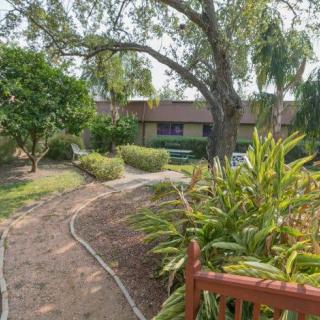
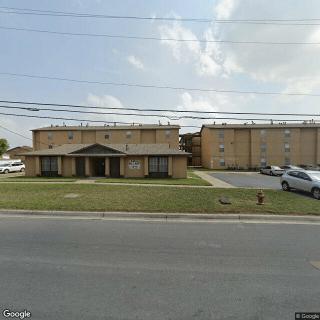
Scc At Valley Grande is an assisted living community located in Brownsville, TX. Our community offers a wide range of amenities and care services to ensure the comfort and well-being of our residents.

For convenience and relaxation, we provide a beauty salon where residents can pamper themselves, as well as cable or satellite TV for entertainment. Our community also operates transportation services to help residents get around town easily. We have a computer center for those who want to stay connected digitally, and a small library for those who love reading.

Residents can enjoy delicious meals in our dining room with restaurant-style dining. We cater to special dietary restrictions and offer diabetes diet options. In addition, our kitchenette allows residents to prepare their own snacks or drinks if they prefer.

We offer a variety of recreational facilities including a fitness room, gaming room, garden, and outdoor space for residents to stay active and enjoy the outdoors. We believe that mental wellness is equally important, so we provide activities like concierge services, fitness programs, planned day trips, resident-run activities, and scheduled daily activities.

Our assisted living community ensures the safety and well-being of our residents through 24-hour call systems and supervision. Our dedicated staff provides assistance with daily living tasks such as bathing, dressing, transfers, meal preparation and service, medication management, and transportation arrangements.

With numerous cafes, parks, pharmacies, physicians' offices, restaurants nearby as well as transportation available near our community makes it easy for residents to access various amenities within the area.

At Scc At Valley Grande in Brownsville, TX we strive to provide a comfortable and enriching environment where seniors can thrive with the support they need while enjoying an active lifestyle.

Nearby Places of Interest

This part of Brownsville, Texas offers a variety of amenities and services that may interest you as a senior looking for a place to live. With several physicians, pharmacies, and hospitals nearby, you can be assured of easy access to medical care. There are also numerous restaurants and cafes within close proximity for dining out or grabbing a quick bite to eat. Additionally, there are parks for leisurely walks and relaxation, as well as transportation options such as the La Plaza at Brownsville Multimodal Terminal for convenient travel. Overall, this area provides a mix of healthcare facilities, dining options, recreational opportunities, and transportation services that cater to the needs of seniors.

Physicians

  • Valley Day & Night Clinic (0.4 miles)
  • Texas Oncology-Brownsville (0.5 miles)
  • Rio Valley Dermatology (1.4 miles)
  • Bentcourt Alejandro M D (3 miles)
  • Garza Morales Arturo Dr (3.6 miles)
  • Martinez Martinez Manuel Angel Dr (3.6 miles)
  • Martinez Ramirez Maribel Dra. (3.6 miles)

Restaurants

  • Cobbleheads (0.5 miles)
  • Taqueria Ultimo Taco (0.5 miles)
  • McDonald's (0.6 miles)
  • Super Cream (0.7 miles)
  • Taco Bell (0.7 miles)
  • Red Lobster (0.7 miles)
  • IHOP (1.2 miles)

Cafes

  • Starbucks (1.1 miles)
  • Starbucks (1.8 miles)
  • Fina's Coffee Shop (2 miles)
  • 7th and Park (2.2 miles)
  • El Hueso De Fraile (2.5 miles)

Pharmacies

  • Walgreens (1.7 miles)
  • CVS Pharmacy (2.7 miles)
  • Walgreens (2.9 miles)
  • Farmacia Express (3.3 miles)
  • Centro Naturista del Norte (3.8 miles)
  • Farmacias Guadalajara (3.9 miles)
  • Farmacias de Similares (3.9 miles)

Parks

  • Zoo Playground (2 miles)
  • Parque Olimpico (3.8 miles)

Transportation

  • La Plaza at Brownsville Multimodal Terminal (2.8 miles)
  • Hunt Pan AM Aviation (5.1 miles)
  • Brownsville/South Padre Island International Airport (BRO) (5.2 miles)

Hospitals

  • Centro de Especialidades Medico Quirurgicas (3.9 miles)
  • Cemq (4.1 miles)
  • Hospital San Charbel (5.1 miles)

Theaters

  • Cinemex (5.5 miles)

Places of Worship

  • PDV (8.2 miles)

Frequently Asked Questions

Where is Scc At Valley Grande?

Nearby Communities

  • Royal Villa

    Royal Villa

    Brownsville, TX


    pro Intimate 9-resident board-and-care with 24/7 supervision, personalized daily living support, and coordinated medical care.

  • Candlewick Townhomes

    Candlewick Townhomes

    Brownsville, TX


    pro Peaceful setting with convenient access to dining, healthcare, parks, and transportation.

  • Spanish Meadows

    Spanish Meadows

    Brownsville, TX

    3.5 from 22 reviews
     

    pro Friendly staff, clean facilities, and engaging activities for residents.

  • Ebony Lake Nursing And Rehabilitation Center

    Ebony Lake Nursing And Rehabilitation Center

    Brownsville, TX

    4.7 from 105 reviews
     

    pro Caring, attentive staff and a welcoming environment.

  • Alta Vista Rehabilitation & Healthcare

    Alta Vista Rehabilitation & Healthcare

    Brownsville, TX

    4.8 from 100 reviews
     

    pro Private furnished rooms with private baths, restaurant-style dining, on-site amenities, and 24/7 supervision.

  • Lindale Village Apartments

    Lindale Village Apartments

    Brownsville, TX

    2.5 from 2 reviews
     

    pro Great access to healthcare, dining, and entertainment nearby.

  • Valley Grande Manor

    Valley Grande Manor

    Weslaco, TX

    3.9 from 22 reviews
     

    pro Extensive on-site amenities and 24/7 care.

Related Resources

  • how much does 24/7 in home care cost per monthUnderstanding the Full Cost of 24/7 In-Home Care: A Detailed Overview

    The guide outlines the rising costs of 24/7 in-home care, ranging from $10,000 to over $20,000 monthly, driven by factors such as location and caregiver qualifications. It discusses the limited coverage by Medicare and private insurance, potential Medicaid support, and the emotional and living condition considerations influencing families' decisions on care arrangements.

  • home health nurseExploring the World of Home Health Nurses: Qualifications, Roles, and Hiring Tips

    Home health nursing is an expanding field where licensed professionals provide specialized medical care in patients' homes, addressing the needs of an aging population through personalized services like assessments and medication management. Effective collaboration with healthcare teams, cultural sensitivity, and quality assurance measures are essential for fostering trust and ensuring positive patient outcomes.

  • does medicare cover home health careNavigating Medicare Coverage for In-Home Care Services

    Medicare covers in-home health care services, which are medical and provided by licensed professionals under a physician's supervision, whereas non-medical personal assistance is generally not covered unless part of a broader skilled care plan. Eligibility for benefits depends on being homebound and needing intermittent skilled services from a Medicare-certified agency, with specific coverage limitations and additional resources available for navigating options.