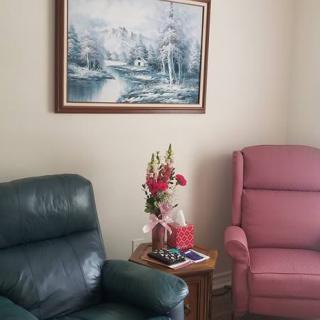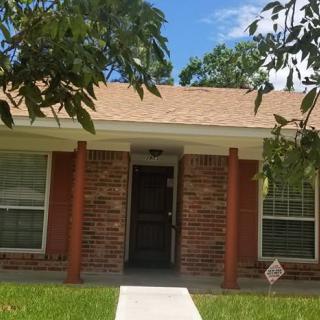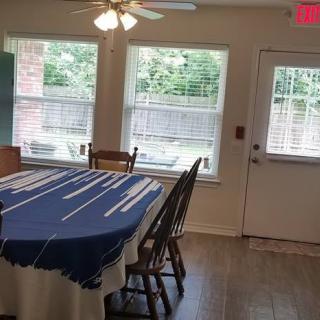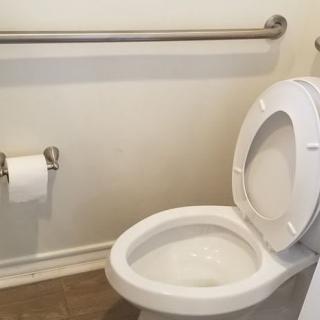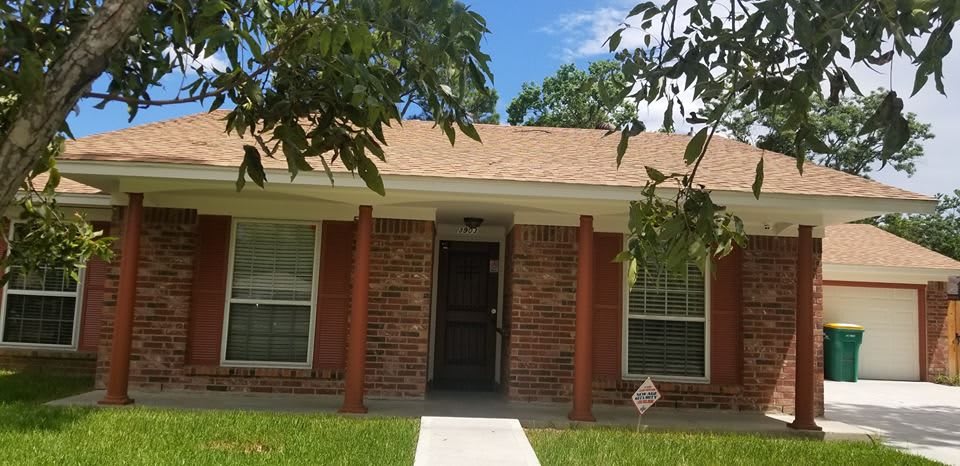
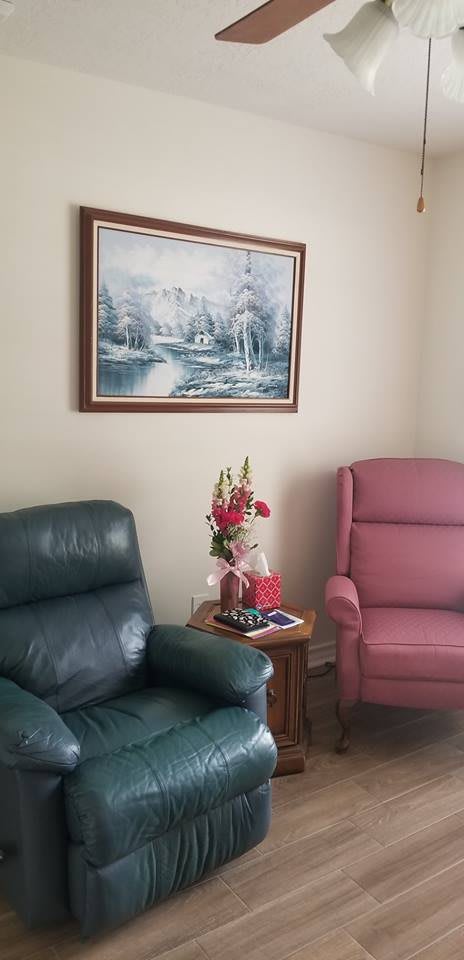
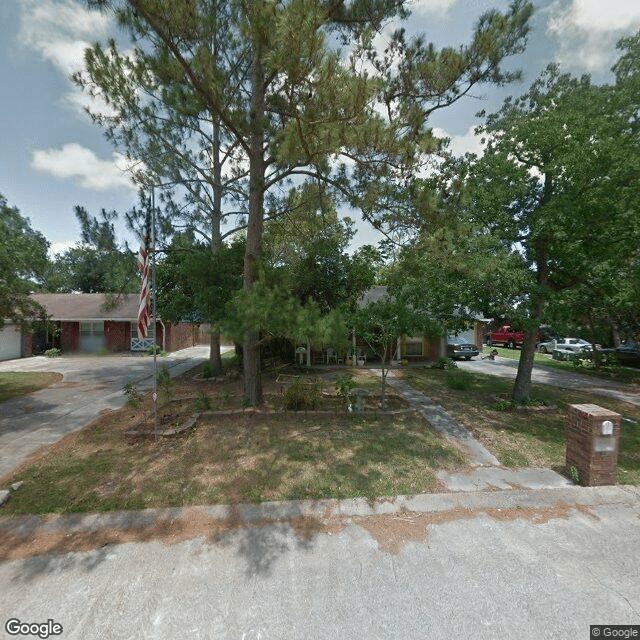
3903 Canterbury Drive, Baytown, TX 77521
For more information about senior living options: (866) 208-4318
Adl Assited Living 2 Costs & Pricing
Adl Assisted Living 2 offers competitive pricing for its services compared to the surrounding market in Harris County and across Texas. For a semi-private room, residents can expect to pay $3,000 per month, which is significantly lower than the average cost of $3,518 in Harris County and $3,680 statewide. Similarly, the private room option at Adl Assisted Living 2 is priced at $3,500, offering a more economical choice than both the county average of $3,784 and the state average of $4,096. This positioning not only reflects a commitment to affordability but also enhances accessibility for families seeking quality assisted living solutions in a challenging economic landscape.
| Floor plans | Adl Assited Living 2 | Harris County | Texas |
|---|---|---|---|
| Semi-Private | $3,000 | $3,518 | $3,680 |
| Private | $3,500 | $3,784 | $4,096 |
Assisted Living communities with a similar price nearby
-
from -$200 / mo
Atascocita Seniors Care Home
$2,800 to $3,300 / month22.5 miles away -
from +$500 / mo
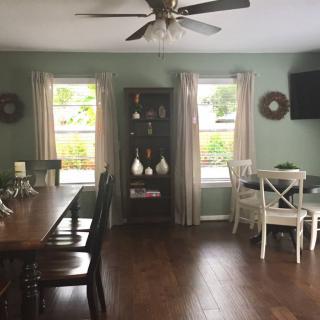
Bahia Personal Care Home
$3,500 to $4,000 / month21.3 miles away -
from +$183 / mo
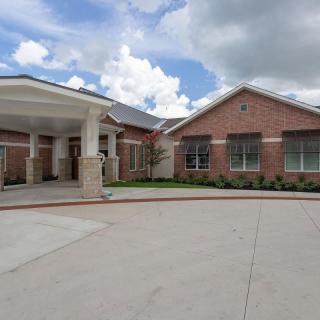
The Delaney at South Shore
$3,183 to $5,341 / month21.1 miles away -
from -$350 / mo

Rosemont Assisted Living And Memory Care
$2,650 to $5,195 / month22.2 miles away -
from +$100 / mo
The Reserve at Pasadena
$3,100 to $4,860 / month17.5 miles away
Overall Review of Adl Assited Living 2
Pros
 The director and care staff at ADL Assisted Living are highly praised for attentive care and ongoing communication with loved ones.
- Meals are adjusted to residents' abilities, with staff offering help with eating as needed.
- Visiting physicians and nurse practitioners regularly review medications and monitor residents' health.
- Housekeeping is performed daily, keeping rooms clean, dusted, and beds made.
- The staff is described as wonderful, kind, calm, and always available, with personalized attention to each resident.
- The facility is regarded as an excellent place, and reviewers would absolutely recommend it to family and friends.
Review
Adl Assisted Living 2 in Baytown is best suited for seniors who want a warm, relationship-driven caregiving environment where a steady director and a stable care team are highly engaged, and where families receive timely, proactive updates about the resident’s status. The right resident is likely someone who benefits from meals tailored to their current eating abilities, assistance with eating when needed, and a cadence of medical review provided by visiting clinicians rather than a facility with 24/7 on-site nursing. This community rewards consistency, clear communication, and individualized attention over high-acuity, full-time medical supervision.
Those who may want to consider alternatives are residents with higher medical needs requiring constant on-site nursing or complex, around-the-clock medical supervision, or individuals seeking extensive memory-care programming. While the visiting physician and nurse practitioner model supports medication management and periodic health checks, it does not substitute for continuous clinical oversight. Families prioritizing robust on-site staffing at all hours or specialized dementia care should compare options that foreground dedicated on-site medical teams and more intensive care tracks.
The strongest profile emerges where families prize transparency and hands-on staff engagement. The care team and Director are repeatedly described as on top of issues, available, and communicative, creating a reliable loop of information for loved ones. This translates into practical advantages: caregivers who know residents well, proactive note-taking on changes, and timely coordination when adjustments in care or medications are warranted. The medical oversight model, visiting physicians and nurse practitioners who review medications, monitor tests, and conduct periodic checks, offers essential health management without insisting on full-time on-site medical staff. For families who want principled accountability and steady morale support from staff, these attributes are decisive.
Operationally, the facility shines on housekeeping, cleanliness, and daily routines. Daily housekeeping keeps spaces spotless, beds made, and rooms feeling orderly, which reduces risk and supports dignity. The staff are described as calm, kind, and available, with a genuine orientation toward individualized attention rather than a one-size-fits-all approach. Residents benefit from a steady rhythm of daily care that feels personal, not cookie-cutter, and from a sense that staff will work with each resident to accommodate preferences and needs. The environment also includes a varied slate of activities, which helps sustain engagement and social connection, a critical factor for mood and well-being in assisted living settings.
Despite these strengths, there are clear trade-offs to consider. The absence of 24/7 on-site nursing means that residents with acute medical events or those requiring immediate, around-the-clock clinical responses may face delays or a sense of insufficient coverage. The reviews do not indicate extensive dementia-specific programming or memory-care track, so families evaluating residents with advanced cognitive needs should probe whether the available programming aligns with those requirements. Finally, the sample of reviews is small, which invites cautious interpretation; the strong impressions may reflect exceptional moments rather than a universal, always-consistent experience.
In practice, decisions about Adl Assisted Living 2 should hinge on a match between the resident’s care profile and the community’s model. For families who value direct access to a responsive Director, dependable housekeeping, individualized attention, and health oversight through visiting clinicians, this community offers a compelling combination in Baytown. It represents a practical, reassuring option for seniors who don’t require continuous on-site medical staff but still want proactive health management, strong family communication, and a dignified living environment. For those with higher acuity needs or specialized memory-care demands, exploring alternatives with more intensive on-site medical support or targeted dementia programming is prudent.
 8 resident community capacity
 Assisted Living
 Board and Care Home
 Activities on-site
 Air-conditioning
 Cable or satellite TV
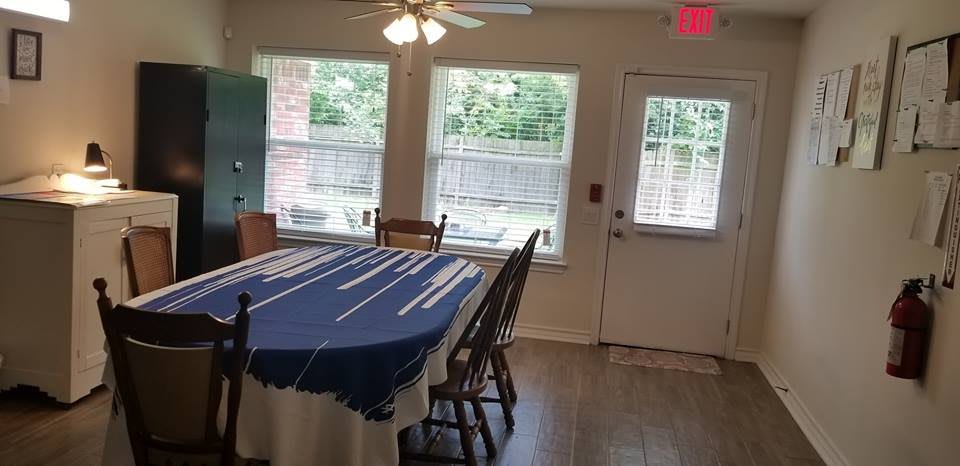
 Dining room
 Fully furnished
 Garden
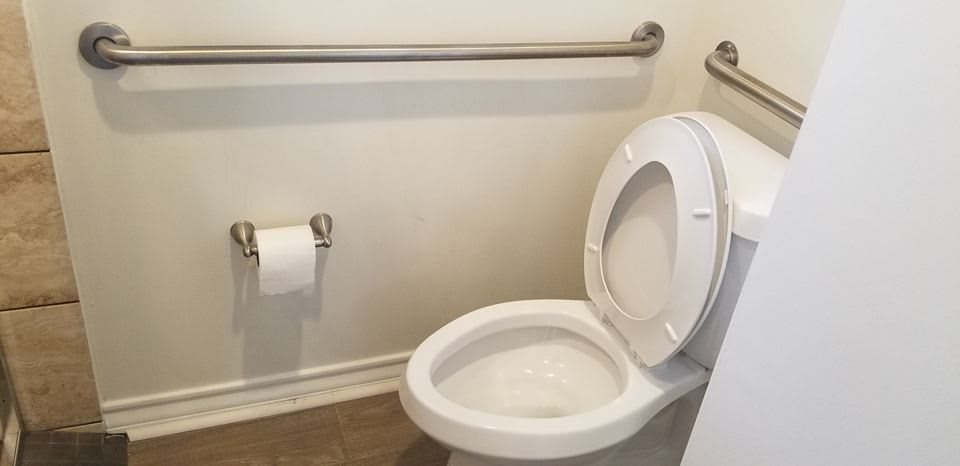
 Handicap accessible
 Housekeeping services
 Indoor common areas
 Move-in coordination
 Outdoor common areas
 Private
 Respite or short term stays offered
 Telephone
 Wheelchair accessible showers
 Wi-Fi/high-speed internet available
 William P X (23 miles away)
 24-hour supervision
 Assistance with bathing
 Assistance with dressing
 Assistance with transfers
 Diabetes diet
 Diabetic care
 High acuity care
 Incontinence care
 Meal preparation and service
 Medication management
 Special dietary restrictions
 Transportation arrangement (medical)
 Transportation to doctors appointments
 Live musical performances
 Live well programs






 Comprehensive Insights into Activities of Daily Living (ADLs) and Their Assessment
 Medicare Coverage for Assisted Living: An In-Depth Exploration
 Your Comprehensive Guide to Luxury Assisted Living: Elevated Facilities, Amenities, and Costs