

12590 E Highway 84, Axtell, TX 76624
To contact a resident: (254) 863-5792
For more information about senior living options: (866) 208-4318
Lucy's Loving Home Care Costs & Pricing
Lucy's Loving Home Care offers competitive pricing for its services compared to both McLennan County and the broader state of Texas. For a semi-private room, residents can expect to pay $2,500 per month, significantly lower than the county average of $4,099 and the state average of $3,680. Similarly, for those seeking a private room, Lucy's fee stands at $4,500 per month. While this is slightly higher than the county's average of $4,254, it remains notably competitive compared to the state's average cost of $4,096. Overall, Lucy's provides an attractive option for families looking for quality care that prioritizes affordability within the local market landscape.
| Floor plans | Lucy's Loving Home Care | McLennan County | Texas |
|---|---|---|---|
| Semi-Private | $2,500 | $4,099 | $3,680 |
| Private | $4,500 | $4,254 | $4,096 |
Senior living communities with a similar price nearby
-
from +$383 / mo

The Delaney at Lake Waco
$2,883 to $5,350 / month18.2 miles away -
from +$166 / mo
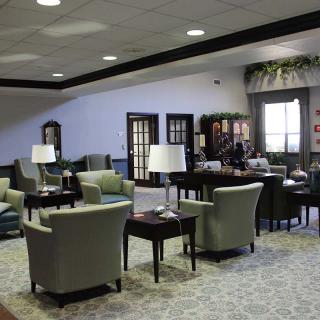
Providence Village
$2,666 to $4,138 / month17.4 miles away -
from -$310 / mo
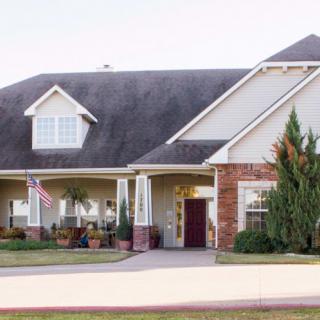
Brookdale Lakeshore
$2,190 to $4,130 / month14.6 miles away -
from -$311 / mo

Holiday Lakeshore Estates
$2,189 to $3,559 / month15.9 miles away -
About the same

Crystal Manor Assisted Living
$2,500 to $3,500 / month10.9 miles away
Overall Review of Lucy's Loving Home Care
Pros
 Beni is always polite and readily available.
- Beni took great care of a dad in need.
- Lucy was very helpful in hospice care.
- The caregivers are professional, compassionate, and truly dedicated.
- They go above and beyond for those they care for.
- They are great people in a beautiful, loving home environment.
- Lucy is kind and thoughtful, treating patients like family.
- They provide excellent one-on-one care.
Review
Lucy’s Loving Home Care in Axtell, TX is best suited for families seeking an intimate, in-home senior care arrangement where care is deeply personal, consistently available, and anchored in a warm, family-like atmosphere. It works well for seniors who want to stay in their own home or a private residence while receiving steady hands-on assistance, compassionate supervision, and a trusted caregiving team. This option shines when the focus is on dignity, comfort, and meaningful, one-on-one or very small-group attention rather than a larger, impersonal facility. It is especially suitable for end-of-life or hospice-supported needs, where clear communication with family and ongoing emotional support are as important as practical help with daily tasks. In short, this is for families prioritizing long-tenured relationships with caregivers who treat the resident as a beloved member of the family.
That emphasis on a home setting and small-team approach is also a reason to consider alternatives. Families that prize a structured program with formal daily activities, a wider social network of peers, or robust on-site nursing oversight may find a larger assisted living environment more aligned with their expectations. Similarly, those who require 24/7 nursing, comprehensive medical supervision, or a wide array of in-house therapies may need a more traditional facility. A caveat for Lucy’s Living Home Care is its private-home model: the operation currently accommodates a very small number of residents, with one review noting two elderly individuals presently in residence. That small scale can translate into limited activity options and slower intake, so prospective families must plan around availability and the level of social programming they expect.
The strongest pro set centers on the people running and delivering care. Beni, Lucy’s son, is repeatedly described as polite and consistently available, a practical sign of reliable support when needs arise. Lucy and her husband Peter are memorialized as exceptionally kind, thoughtful, and devoted, with families emphasizing that they are “amazing people” who go above and beyond. The caregiving team is portrayed as professional, compassionate, and genuinely dedicated, capable of meeting both daily and specialized needs with a sense of family warmth. Care is consistently described as one-on-one or one-on-two, which translates into high caregiver familiarity, better observation of subtle changes, and more precise tailoring of routines. The home itself becomes a selling point: a beautiful, well-maintained private setting that feels welcoming to visitors and reinforces a sense of security and belonging. When meals, emotion, and practical care all feel personalized, the resilience of the resident’s routine improves markedly.
These strengths effectively offset the more limited aspects of a private-home arrangement. The personalized attention, combined with a feeling of being treated as family, tends to reduce agitation, confusion, and the stress associated with transitions between caregivers and living spaces. The ability to adjust schedules, pacing, and care plans to match the resident’s preferences often produces a higher quality of life than a larger, more rigid facility can offer. The on-site presence of Lucy and her family, partners who are described as deeply involved, fosters trust, accountability, and rapid problem-solving. The documented willingness to accommodate hospice-related needs and to sustain a calm, respectful environment means families pay a premium in terms of relationships, not price alone, and receive dividends in peace of mind and continuity of care.
Still, families should be candid about what may be missing in a private home setting and weigh those gaps against the proven strengths. The reviews hint at a potential lack of explicit, structured activities and programmatic offerings. While the care team delivers warmth and attentiveness, there may be fewer organized social events or formal activity schedules than found in a mid-size assisted living community. Capacity is another practical consideration: with a current two-resident footprint, availability may be limited and there may be a longer lead time before placement. For households seeking robust peer-to-peer engagement, planned excursions, or a broad spectrum of therapeutic services within a single campus, alternatives will likely provide more comprehensive programming and predictable occupancy.
For families deciding whether Lucy’s Loving Home Care is the right match, the prudent move is a focused discovery process. Verify licensing and staffing coverage, understand who delivers medical oversight if needed, and confirm eligibility for 24/7 on-call support versus daytime-only arrangements. Probe the caregiver-to-resident ratio, the process for identifying and escalating health changes, and the specifics around activities, what is offered, how often, and how participation is encouraged. Ask for examples of how hospice or palliative needs were managed in real cases, and request candid references from families who faced transitions. Finally, consider a short-term trial or a sit-down visit to observe daily rhythms, the home environment, and the degree of resident autonomy. Real-world clarity on these points will reveal whether the extraordinary warmth and reliability described in reviews translates into a sustainable daily life for the prospective resident.
In the end, Lucy’s Loving Home Care represents a compelling choice for families who prize a truly personalized, home-like experience delivered by a small, devoted team. The standout advantages, exceptional personal warmth, consistent access to caregivers, and a setting that treats residents as treasured family members, create a powerful counterweight to the absence of a large-scale activity calendar and formal institutional amenities. For seniors who are comfortable with or prefer smaller-scale, intimate care and who want direct, dependable engagement rather than a bustling community atmosphere, this option is hard to beat. For those who need broader social programming, extensive medical staffing, or a facility-style floorplan, alternatives deserve careful consideration. The decision hinges on the resident’s tolerance for precious, highly individualized attention versus the desire for a larger, more structured daily routine.
 Board and Care Home
 Private
 Private bathrooms
 Waco Regional (17 miles away)
 Ambulatory care
 Diabetic care
 High acuity care
 Christian services







 Understanding Home Health Care: A Comprehensive Guide
 Home Health Care Demystified: A Comprehensive Guide for Families and Caregivers
 Seniors and Modern Transportation: Exploring Uber, Lyft, and Other Ride-Hailing Options