
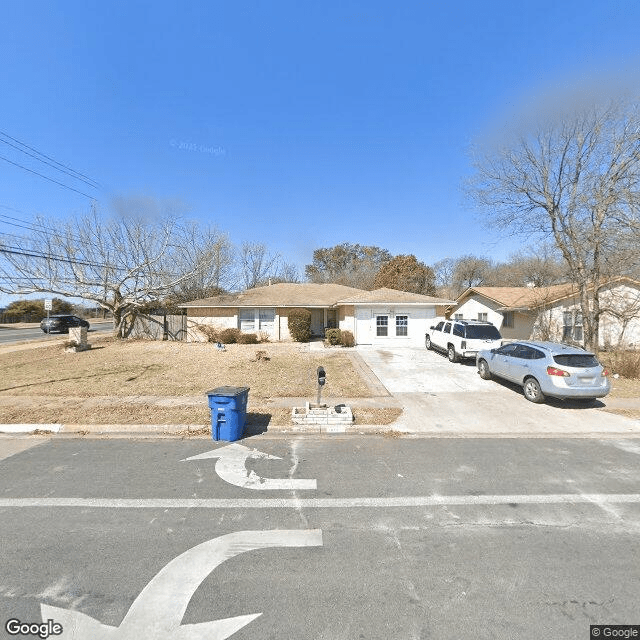
8110 Furness Dr., Austin, TX 78723
To contact a resident: (512) 837-7904
For more information about senior living options: (866) 208-4318
Texas Resident and Vocational Services Costs & Pricing
In Texas, the costs associated with Resident and Vocational Services demonstrate a nuanced picture, particularly when comparing Travis County to state averages. For a studio apartment, the monthly rate stands at $3,075, which is notably lower than both Travis County's cost of $3,999 and the state's average of $3,758. Similarly, for one-bedroom units, Texas residents see a price tag of $3,670 - competitive yet still above the state average of $3,761 while remaining close to Travis County's rate of $3,919. The trend shifts slightly with two-bedroom apartments; here, Texas' figure of $4,475 aligns closely with Travis County's rate of $4,448 and exceeds the overall Texas average of $4,215. This comparative analysis highlights that while Texas offers some more affordable options for resident services relative to Travis County and statewide costs, prices can vary significantly based on location and type of accommodation.
| Floor plans | Texas Resident and Vocational Services | Travis County | Texas |
|---|---|---|---|
| Studio | $3,075 | $3,999 | $3,758 |
| 1 Bedroom | $3,670 | $3,919 | $3,761 |
| 2 Bedrooms | $4,475 | $4,448 | $4,215 |
Senior living communities with a similar price nearby
-
from +$425 / mo

A Perfect Setting
$3,500 to $4,500 / month17.3 miles away -
from +$425 / mo

Lavender Springs
$3,500 to $4,385 / month21.6 miles away -
About the same

A Serene Setting
$3,000 to $3,800 / month13.1 miles away -
from +$425 / mo

Accession Estate Assisted Living Homes
$3,500 to $4,800 / month14.3 miles away -
from +$125 / mo

University Village
$3,200 to $5,300 / month15.7 miles away
Overall Review of Texas Resident and Vocational Services
Pros
 They are glad they protected their personal information by not sharing it on the phone.
- They appreciate the reminder to only use the SSA website for personal info.
- They feel confident in recognizing and avoiding scam attempts.
- They are thankful for being vigilant, which helps prevent identity theft.
- They believe their caution can serve as a helpful example to others.
Cons
 The facility is described as a scam.
- A phone call claiming to be from the SSA is viewed as an impersonation attempt.
- The call’s request for the SSN and mother's maiden name is deemed dangerous and inappropriate.
- The reviewer remains wary about sharing personal information over the phone.
- The reviewer advises that personal information should only be provided on the SSA website.
Review
Texas Resident and Vocational Services in Austin is best suited for families that want a low-cost entry point and are prepared to do heavy due diligence. The two available reviews present a mixed-to-poor signal, but the dominant takeaway is clear: any decision should rest on rigorous verification of identity, governance, and data handling. For households that require transparent licensing, predictable operations, and explicit privacy protections, this provider is not a reliable first option. Those who should seriously consider alternatives are families prioritizing established oversight, consistent communications, and verifiable safety practices rather than hopeful impressions based on a small, uneven sample.
From the limited feedback, a four-star rating suggests there may be some redeeming qualities, but the small sample size makes that impression fragile. The up-front warning comes from a one-star report describing a scam-style outreach that asked for sensitive identifiers. Whether this incident involved the facility directly or an impostor using a familiar name, the experience signals a troubling gap in intake safeguards and staff training. In practical terms, any prospective resident or family must assume that routine information exchanges carry risk unless the provider demonstrates airtight verification processes. Positive notes in another review cannot erase the alarm raised by that report.
The apparent pros, potentially lower costs, local convenience, or basic service offerings, do not automatically translate into a trustworthy care environment when trust and privacy are on the line. The central con is a credible threat to personal security, undermining confidence in the ability to maintain continuity of care. With only two reviews to go on, service quality remains highly uncertain. Even if some aspects satisfy initial expectations, the combination of questionable intake security and a low overall rating should push families toward more thoroughly vetted options.
Given the balance of risks versus any ambiguous benefits, the cons significantly outweigh potential advantages. The tiny evidence base prevents a robust appraisal of staffing quality, care coordination, or safety protocols, yet the clear privacy and trust concerns are enough to guide prudent choices away. If a family is willing to demand extensive due diligence, written privacy policies, independent licensing checks, and verified third-party testimonials, the calculus could shift. Until that level of accountability is demonstrated, the inherent risk remains a decisive factor against engaging.
Families evaluating Austin options should pursue concrete due diligence steps. Verify the facility’s licensing status with the state and request written disclosures about privacy practices and data handling. Insist on in-person meetings with a licensed administrator, and obtain up-to-date references from other families and healthcare partners. Cross-check any phone outreach against official channels, and never share Social Security numbers or other sensitive identifiers by phone or email. Build a red-flag checklist and walk away if anything feels off or unverified, especially when impersonation risks are involved. Engage local aging services resources or consumer protection offices to corroborate legitimacy before committing resources.
In the end, this community is not recommended for families seeking secure, well-governed assisted living in Austin. The combination of a weak reputational signal and privacy concerns outweigh any potential savings or convenience. For those comparing options, prioritize facilities with transparent licensing, consistent staffing, and robust privacy protections, providers with proven regulatory compliance and responsive administration. If this option must be considered, demand a comprehensive written plan detailing intake procedures, privacy safeguards, and a clear chain of supervision. Absent compelling documentation and verifiable assurances, the prudent path is to pursue alternatives that offer trusted oversight, predictable care, and a safer, less risky transition for a loved one.
 Board and Care Home
 Austin-Bergstrom International (10 miles away)







 Comprehensive Exploration of Living Wills and Other Advance Directives
 A Detailed Exploration of Living Wills and Advance Directives
 Comprehensive Guide to Medicare Coverage for Hospice Care