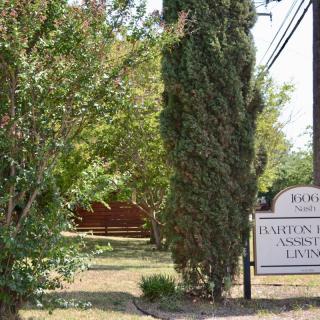
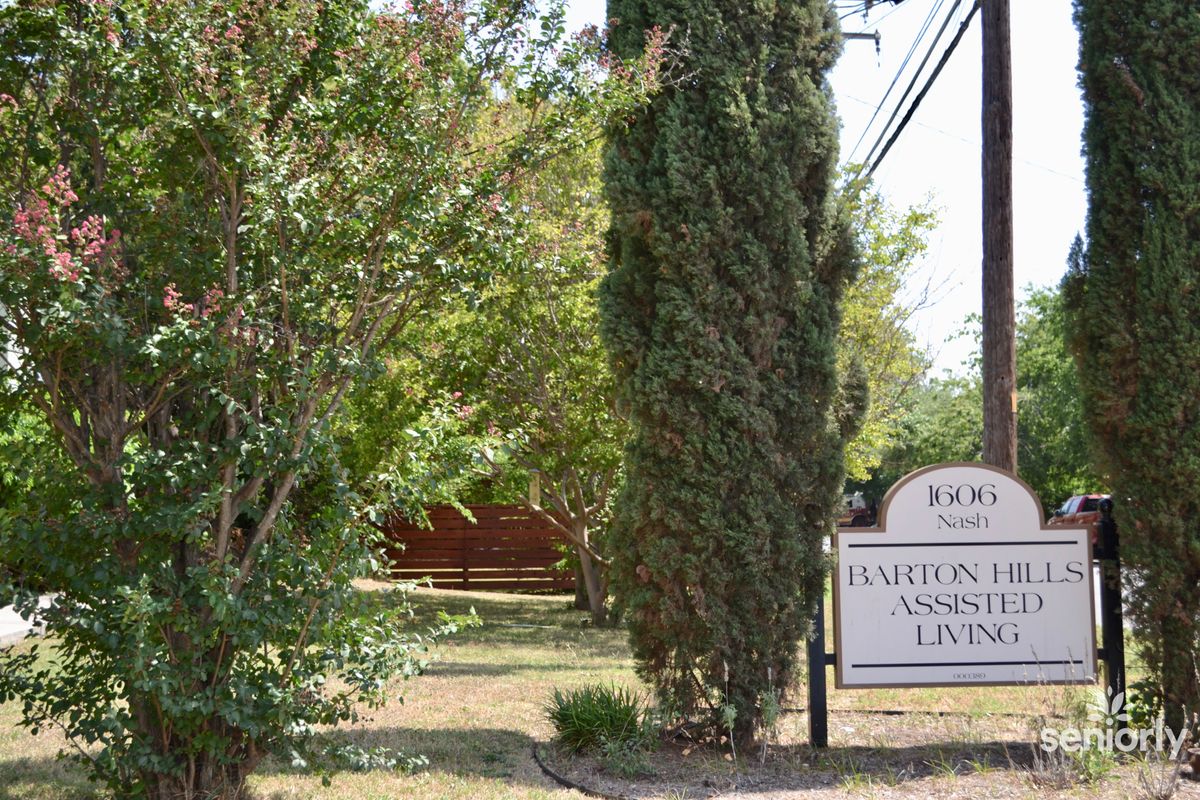
1606 Nash Avenue, Austin, TX 78704
For more information about senior living options: (866) 208-4318
Barton Hills Assisted Living Costs & Pricing
Barton Hills Assisted Living offers a competitive pricing structure that stands out when compared to both Travis County and the broader Texas market. For semi-private accommodations, residents pay $3,450 per month, which is notably lower than the county average of $4,300 and slightly below the state average of $3,680, providing significant savings for families exploring assisted living options. The one-bedroom option is also attractively priced at $3,950 per month - this figure is in line with Travis County's rate of $3,919 and surpasses the state average of $3,761 by a modest margin. This strategic pricing not only reflects Barton Hills' commitment to affordability but also underscores its dedication to offering quality care without compromising on comfort and service.
| Floor plans | Barton Hills Assisted Living | Travis County | Texas |
|---|---|---|---|
| Semi-Private | $3,450 | $4,300 | $3,680 |
| 1 Bedroom | $3,950 | $3,919 | $3,761 |
Skilled Nursing Facilities with a similar price nearby
-
from +$150 / mo

Hill Country Care Inc
$3,600 to $4,800 / month20.7 miles away -
from -$450 / mo
The Crossing at Oak Hill Assisted Living and Memory Care
$3,000 to $4,495 / month6.9 miles away -
from -$450 / mo

Brown-Karhan Healthcare
$3,000 / month19.5 miles away -
from +$550 / mo
The Watermark At Southpark Meadows
$4,000 to $5,000 / month6.1 miles away -
from +$180 / mo
Juniper Village at Spicewood Summit
$3,630 / month8.3 miles away
Overall Review of Barton Hills Assisted Living
Pros
 The facility is clean, well taken care of, and the staff are caring.
- The facility is well managed and family oriented.
- Residents are treated like family and can come and go as they please.
- The staff respond immediately to issues, providing peace of mind.
- The environment feels home-like rather than institutional.
- Private rooms are spacious, quiet, and comfortable.
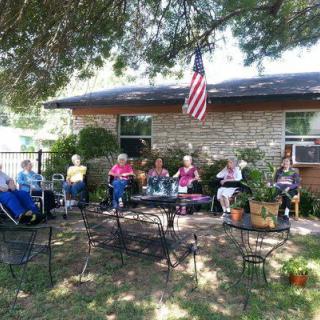
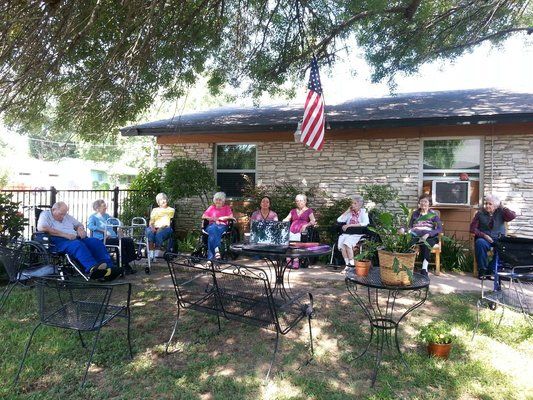
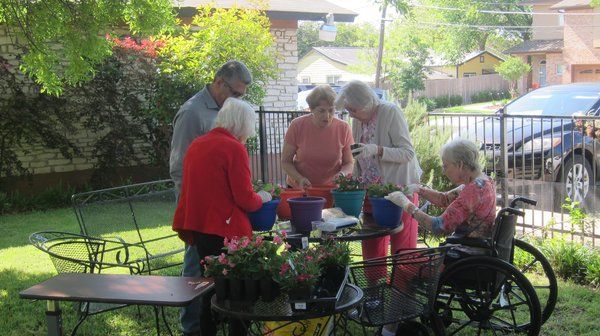
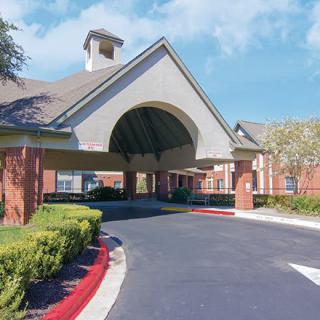
- The outside grounds are beautifully maintained with inviting social spaces.
- The dining room is attractive, and meals offer healthy options.
Cons
 The facility's alarm system needs updating.
- The facility was not the right place for them.
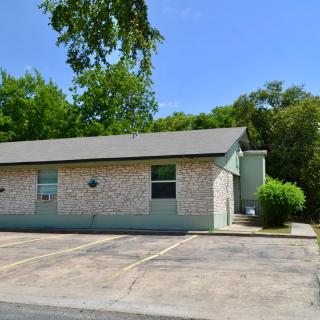
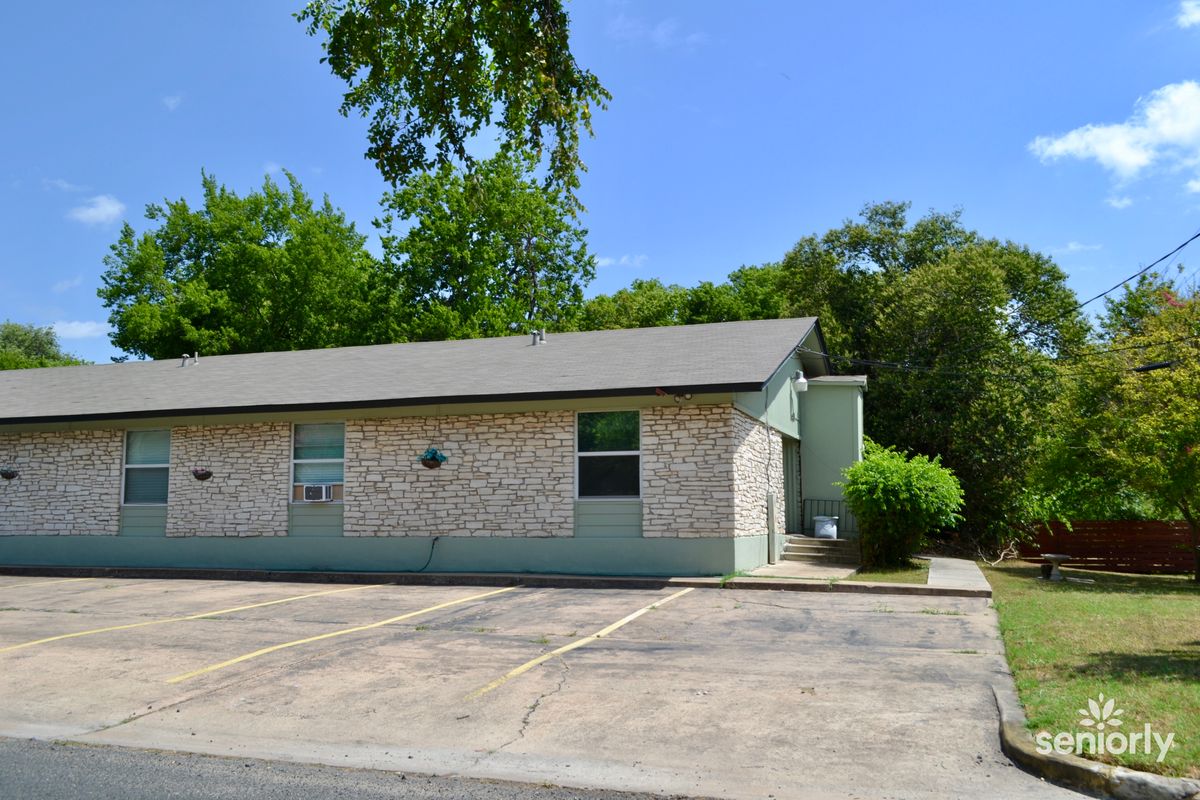
- Barton Hills Assisted Living is not updated or nice; it’s an older house.
- There was a peculiar smell in the facility.
- The bathrooms were small.
- State law requires residents to bear their own weight to evacuate, which prevented the reviewer’s mother.
Review
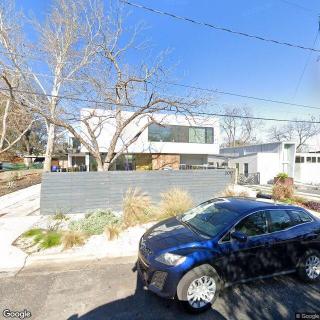
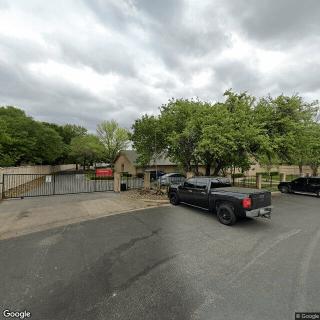
Barton Hills Assisted Living is best suited for families seeking a warm, home-like senior living option in Austin where care feels personal, responsive, and centered on peace of mind. It works especially well for older adults who value a family-oriented atmosphere, where staff accessibility and regular, friendly contact with residents are priorities. The community emphasizes dignity, quiet comfort, and a sense that residents are part of a close-knit, welcoming household. It is not aimed at those chasing a hospital-like, modernized campus or heavy clinical immediacy; for families demanding the newest finishes and private baths in every room, Barton Hills will feel dated and less aligned with those expectations.
Those who should consider alternatives are those who require private bathrooms in every residence, modern construction, or more intensive clinical oversight. The building’s age is evident: constructed in the early 1960s, with shared lavatories in most rooms and a communal shower rather than private facilities. For families prioritizing contemporary layouts, upgraded safety systems, and a facility that reads as distinctly “new,” other options will likely be a better fit. Additionally, residents who must evacuate quickly or rely on robust weight-bearing ability may find the current safety provisions and design less reassuring, given state guidance observed by some reviewers.
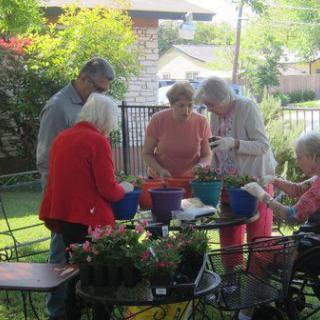
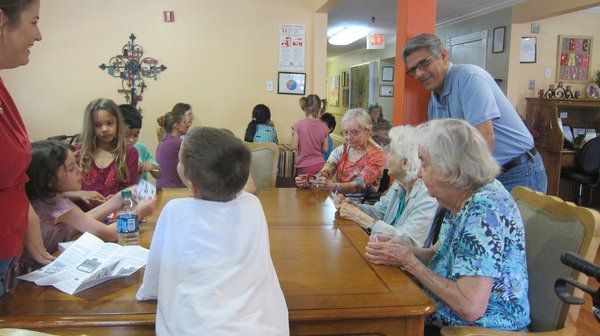
The strongest positives are real and well executed: cleanliness, strong day-to-day management, and a visible commitment to treating families as partners. Staff are described as caring, attentive, and consistently responsive to issues, which translates into tangible peace of mind for relatives who drop by or stay involved. The homey, non-institutional feel, paired with welcoming dogs and therapy animals, helps residents settle in and stay engaged. Outdoor space matters too: well-kept grounds, patios, and garden areas invite social time and respite. Inside, the dining room and common areas render meals and activities feel private and social, not clinical, with a robust slate of exercise classes, cultural outings, and opportunities to pursue existing interests.
On the downside, the architectural and design limitations matter. The older house vibe, while charming to some, can clash with expectations for privacy and modern day-to-day convenience. The shared bathrooms and communal shower create friction for residents who value personal space or who have mobility needs that demand more accessible, private facilities. Some reviewers noted sensory drawbacks like peculiar smells and busier traffic around lunchtime, hints of an environment that can feel crowded at peak activity periods. A recurring caution is the safety framework: the need to bear one’s own weight for evacuation reflects a real constraint for some residents and families weighing long-term risk versus comfort.
Yet those cons do not erase the core strengths. For families willing to trade ultra-modern finishes for a deeply personal, engaged living experience, Barton Hills often delivers substantial value. The owner’s hands-on role, transparent collaboration with families, and the ease of visitation create a sense that “home” is still the guiding principle. Residents appear content, caregivers are consistently described as capable and compassionate, and the environment rewards social participation with accessible programming and a non-sterile, welcoming vibe. In short, the pros, personal attention, warmth, and an emphasis on living well, often offset the facility’s older footprint for many potential residents.
Decision-making guidance: Barton Hills should be on the short list for families who prize connection, stability, and a nurturing atmosphere over cutting-edge design. Prospective movers must verify private bathroom availability, obtain a clear sense of the evacuation plan, and confirm the facility’s safety upgrades in light of its 1960s construction. Ask about staffing ratios during peak hours, the cadence of maintenance upgrades, and the specific activity calendar to confirm alignment with the resident’s interests. Inspect a few rooms at different times of day to assess noise, privacy, and odor, and seek help from staff in understanding how health changes would be managed on-site. Finally, compare the overall living experience against alternatives that offer private baths, newer construction, and a stronger clinical footprint to ensure the choice matches long-term care needs and family expectations.
 35 resident community capacity
 Studio apartments
 Assisted Living
 Respite Care
 Skilled Nursing Facility
 Cats allowed
 Dogs allowed
 Activities on-site
 Beauty salon
 Cable or satellite TV
 Devotional services off-site
 Dining room
 Financial aid
 Fully furnished
 Garden
 Housekeeping services
 Indoor common areas
 Kitchenette
 Laundry
 Move-in coordination
 Outdoor space
 Party space
 Resident parking
 Restaurant-style dining
 Security gate
 Small library
 Telephone
 Wi-Fi/high-speed internet available
 Austin-Bergstrom International (7 miles away)
 24-hour call system
 Ambulatory care
 Assistance with bathing
 Assistance with dressing
 Assistance with transfers
 Diabetes diet
 Diabetic care
 Medication management
 Mental wellness program
 Psychiatric care
 Special dietary restrictions
 Arts and crafts
 Educational speakers / life long learning
 Fitness programs
 Games
Games Live musical performances
 Stories
 English

 How and When Medicaid May Cover Assisted Living Costs
 A Detailed Exploration of Assisted Living Medicaid Waivers Across the United States
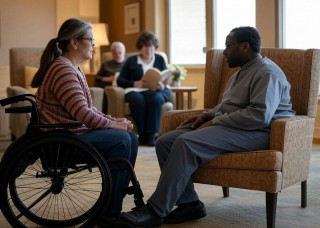 Comprehensive Residential Support and Assisted Living Solutions for Individuals with Disabilities