For more information about senior living options: (866) 208-4318
3.3 from 29 reviews
5 stars
16
4 stars
1
3 stars
0
2 stars
0
1 stars
12
Overall Review of Mary Lee Foundation Rehabilitation Center
common14 reviews mention this
Staff care is a mixed picture
Residents describe both genuinely helpful support and troubling care experiences.
Many reviewers thank the care team for guidance, support, and kindness, including specific praise for staff during rehabilitation and day-to-day help. Others report the opposite, citing unfriendly staff, neglect or verbal abuse, understaffing, and medication-related mix-ups. Several negative reviews also mention lapses in supervision, which they link to residents being unsafe or out of control.
caveat3 reviews mention this
Cleanliness and upkeep concerns recur
Multiple residents report cleanliness and maintenance problems.
Some reviewers say rooms and shared spaces were not kept clean, including concerns about bugs and infestations. Others mention equipment or facility upkeep issues, like outlets not working and appliances that had not been fixed. A separate review also alleges a maintenance worker acted improperly, including breaking into a room.
common4 reviews mention this
Activities and programming vary widely
Residents mention daily programming, with experiences ranging from structured to frustrating.
Several reviews describe meaningful programming tied to rehabilitation—classes in budgeting and life skills, plus physical, occupational, and speech therapy. Other residents describe the scheduled programming as inadequate or difficult to navigate, including complaints about long waits for a nurse. A couple of reviewers also mention outings, while one negative review says staff restrict outings when residents question them.
caveat3 reviews mention this
Safety and supervision issues are cited
Safety and supervision concerns show up in multiple reviews.
Some reviewers point to incidents involving behavior in common areas, frequent police presence, and fears about bed bugs. Others describe falling or not being supervised, including a report that a relative was left drugged to the point of not being able to communicate. One reviewer also describes an unsafe nighttime transportation experience while waiting for pickup.
How we summarize
Counts show how many written reviews mention each theme; a review can touch several themes, and only frequently mentioned themes are displayed.
Features
Housing
16 resident community capacity
Types of Care
Assisted Living
Board and Care Home
Memory Care
Amenities
Cable or satellite TV
Dining room
Fully furnished
Garden
Housekeeping services
Move-in coordination
Outdoor space
Telephone
Wi-Fi/high-speed internet available
Transportation
Austin-Bergstrom International (7 miles away)
Care Services
24-hour supervision
Activities of daily living assistance
Assistance with bathing
Assistance with dressing
Assistance with transfers
Coordination with health care providers
Dementia waiver
Diabetes diet
Hospice waiver
Meal preparation and service
Medication management
Mental wellness program
Mild cognitive impairment
Special dietary restrictions
Specialized memory care programming
Transportation arrangement (medical)
Transportation to doctors appointments
Dining
Diabetes diet
Special dietary restrictions
Activities
Community-sponsored activities
Scheduled daily activities
Nearby Places of Interest
Theaters
Alamo Drafthouse Cinema (0.1 miles)
AMC Barton Creek Square 14 (2.6 miles)
Regal Metropolitan (3.9 miles)
Restaurants
Eberly (0.5 miles)
Loro (0.6 miles)
Chuy's (0.6 miles)
Mattie's at Green Pastures (0.7 miles)
Whataburger (0.9 miles)
Guero's Taco Bar (1 miles)
Perla's (1 miles)
Pharmacies
CVS Pharmacy (0.6 miles)
Walgreens (1 miles)
CVS Pharmacy (1.6 miles)
Peoples Pharmacy (1.8 miles)
CVS Pharmacy (2 miles)
Austin Compounding Pharmacy (2.2 miles)
Walgreens (2.4 miles)
Cafes
Starbucks (0.6 miles)
Merit Coffee (1.2 miles)
Better Half Coffee & Cocktails (1.2 miles)
Starbucks (2 miles)
Radio Coffee & Beer (2.1 miles)
Nordstrom Ebar Artisan Coffee (2.6 miles)
Lazarus Brewing (2.6 miles)
Parks
Zilker Metropolitan Park (0.7 miles)
Auditorium Shores at Lady Bird Lake (1 miles)
Pease District Park (2 miles)
Waterloo Park (2.3 miles)
Franklin Park (4.1 miles)
Places of Worship
Faith United Methodist Church (1.1 miles)
Physicians
Texan Eye - Main South (1.8 miles)
Austin Regional Clinic (1.9 miles)
Austin Gastroenterology (2.2 miles)
Surgicare of South Austin (2.2 miles)
Victory Medical & Family Care (2.2 miles)
Texas Heart & Vascular (2.2 miles)
Austin Radiological Association (2.2 miles)
Hospitals
Emergency Room - Dell Seton Medical Center at The University of Texas (2.4 miles)
The features offered by the Mary Lee Foundation Rehabilitation Center are specifically designed to enhance the quality of life for residents with dementia or Alzheimer's disease. Assistance with dressing, bathing, and transfers ensures that residents receive the physical support necessary for dignity and comfort, while 24-hour supervision provides a safety net that helps prevent wandering and other risks associated with cognitive decline. Medication management and coordination with healthcare providers ensure that medical needs are met promptly and accurately, preventing complications related to missed doses or medication errors. Meal preparation and service cater to dietary needs, promoting nutrition which is vital for overall health. Transportation arrangements facilitate access to necessary medical appointments, while specialized memory care programming engages residents in meaningful activities tailored to their cognitive abilities. Additionally, programs addressing mental wellness and mild cognitive impairment contribute to emotional stability and cognitive engagement, fostering an environment conducive to both physical care and mental stimulation. The dementia waiver allows for flexibility in care plans, ensuring personalized approaches that adapt as residents' needs evolve. Together, these features create a holistic approach aimed at enhancing both the daily living experience and overall well-being of individuals facing the challenges of memory loss.
Nearby Communities
Barton Hills Assisted Living
Austin, TX
4.2 from 16 reviews
$3,450 to $3,950 / month
Home-like atmosphere with caring staff and engaging activities.
Dementia, influenced by aging and certain medications, may be exacerbated by drug classes such as anticholinergics, benzodiazepines, and antipsychotics, which are associated with cognitive impairment. Regular medication reviews by healthcare professionals are crucial for older adults to manage risks and optimize cognitive health.
Dementia often results in disrupted sleep patterns, leading to excessive daytime sleeping due to factors like brain damage affecting circadian rhythms, medication side effects, and lack of structure in daily activities. Caregivers must monitor these changes closely, as oversleeping can increase risks such as malnutrition or dehydration, and provide necessary support and routines to enhance patient engagement and well-being.
The transition from assisted living to skilled nursing care is often prompted by complex medical needs that assisted living cannot meet, with key indicators including frequent health declines, increased falls, severe memory issues, and caregiver burnout. Families should recognize these signs early to discuss options with healthcare providers and prepare for the emotional and logistical aspects of moving to a facility that offers comprehensive medical support.
Get PricingAsk A QuestionSchedule A TourContact Senior Advisor
By clicking submit, you agree to our Partner's Terms of Use. You
also consent to receive calls and texts, which may be autodialed, from our Partner. Your consent is not a condition to
using our Partner's service. Please visit our Partner's Privacy Policy for information about their privacy practices.

 16 resident community capacity
 Assisted Living
 Board and Care Home
 Memory Care
 Cable or satellite TV
 Dining room
 Fully furnished
 Garden
 Housekeeping services
 Move-in coordination
 Outdoor space
 Telephone
 Wi-Fi/high-speed internet available
 Austin-Bergstrom International (7 miles away)
 24-hour supervision
 Activities of daily living assistance
 Assistance with bathing
 Assistance with dressing
 Assistance with transfers
 Diabetes diet
 Hospice waiver
 Meal preparation and service
 Medication management
 Mental wellness program
 Special dietary restrictions
 Transportation arrangement (medical)
 Transportation to doctors appointments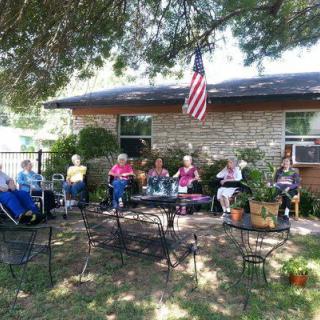
 Home-like atmosphere with caring staff and engaging activities.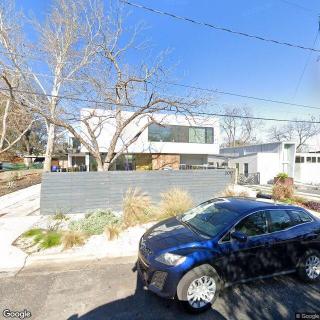

 A Thorough Discussion of Medications Potentially Linked to Dementia Risk
 Why Do Dementia Patients Sleep So Much? Understanding Oversleeping, Stages, and Care Approaches
 8 Key Indicators That Suggest It May Be Time to Transition from Assisted Living to Skilled Nursing Care