

3405 Woodside Drive, Arlington, TX 76016
To contact a resident: (817) 451-4336
For more information about senior living options: (866) 208-4318
Overall Review of Grace and Mercy
Pros
 The home is located in a beautiful, safe, established neighborhood and is sparkling clean throughout.
- Toyin Akinyode, the owner and on-site manager, is a licensed pharmacist whose medical background inspires confidence.
- The facility is not short-staffed; there are two licensed caregivers on-site 24 hours a day with resident call buttons.
- Toyin and her staff are incredibly attentive, compassionate, and quick to respond to questions or concerns.
- Families experience peace of mind knowing their loved ones are thriving in this setting.
- The staff provide exceptional one-on-one care and treat residents like loved ones.
- The home is impeccably clean, well-maintained, and the meals are highly regarded.
- The atmosphere is welcoming and non-institutional, with a homey vibe.
- Residents are happy, well cared for, and enjoy a sense of safety and personal attention.
Cons
 The short-staffing industry-wide left many patients with too few caregivers.
- There were several negative experiences with other facilities before discovering Woodside Place.
Review
Grace and Mercy in Arlington is best suited for families seeking a small, home-like alternative where frail seniors can receive constant, highly personal attention. This community works well for residents who thrive on predictable, one-on-one care, and for families that value direct access to the person steering day-to-day care. The on-site owner and manager brings medical credibility to medication management, which translates into a reassuring layer of oversight for residents who need careful dosing and monitoring. In short, it’s ideal for those who want a warm, non-institutional setting with a tight-knit caregiving team watching over a handful of residents.
Conversely, those who must have extensive, round-the-clock nursing or a broader spectrum of therapy and programming may want to explore alternatives. The intimate size, six residents maximum, limits the scale of activities, social opportunities, and on-site medical complexity. Families pursuing robust memory-care support, advanced wound care, or a facility with large, structured activity rosters and multiple specialized staff may find a larger community more fitting. For residents with high-acuity needs requiring frequent hospital-level care or frequent transitions, a bigger campus with dedicated memory-care wings and licensed nursing staff around the clock could be a better match.
The strongest pros hinge on the small, homey structure and the medical-savvy leadership. The on-site owner’s background as a pharmacist offers a level of medication stewardship that is rare in tiny homes, and that translates into careful ordering, dosing, and frontline clinical judgment. Two licensed caregivers on-site 24 hours a day create a genuine sense of safety and accessibility; the available call buttons and the absence of staff shortages translate into timely responses and a calmer daily rhythm for residents and families. The clean, attractively decorated environment reinforces a sense of dignity and comfort, while the staff’s attentiveness, compassion, and transparent communication help families sleep at night.
These advantages offset the most common concerns associated with small facilities. With a maximum of six residents, the team can tailor routines, meals, and activities to each person’s preferences, something repeatedly noted in family testimonials. The emphasis on one-on-one contact means changes in health or mood are noticed quickly, and families are kept informed without having to push for updates. The caring culture is not merely a feel-good narrative; it’s backed by consistent caregiving that treats residents like loved ones, which in practice reduces the distress families often feel when a loved one needs assisted living.
End-of-life care emerges as a standout strength. Families repeatedly describe how the team integrates hospice professionals smoothly and with deep professionalism, providing comfort for both the resident and the family. Stories of a loved one winding down in a peaceful, well-cared-for setting, with home-cooked meals and a surrounding staff that “bends over backwards” to ensure comfort, underscore the emotional relief this model delivers. The combination of meticulous hygiene, nourishing meals, and a home atmosphere makes end-of-life transitions more manageable, a critical factor for families weighing the emotional and logistical burden of caregiving.
In final terms, Grace and Mercy offers a compelling option for those who prize intimate care, medical-informed leadership, and a home-like environment in Arlington. It is a particularly strong fit for residents who do not require large-scale programming or hospital-level services, and for families who want consistent, open communication and hands-on engagement from the owner and caregivers. Pros strongly outweigh the potential drawbacks when the priority is personalized attention, reliable staffing, and compassionate, family-centered care. Prospective families should plan a tour, verify staffing patterns, and discuss how medical oversight, medication management, and end-of-life support are coordinated to determine if this setting aligns with their loved one’s specific needs and goals.
 Board and Care Home
 Dallas-Fort Worth International (16 miles away)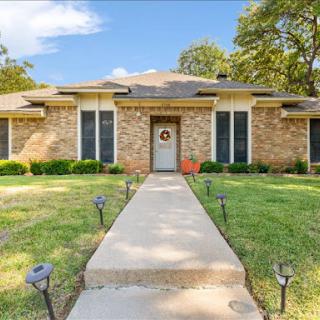







 Understanding the Sandwich Generation: Stress and Responsibilities for Multigenerational Caregivers
 8 Essential Assistive Devices for Older Adults
 Navigating the Financial Road to Nursing Home Care: In-Depth Guidance and Resources