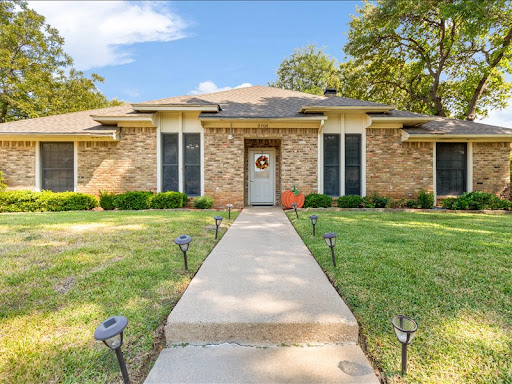
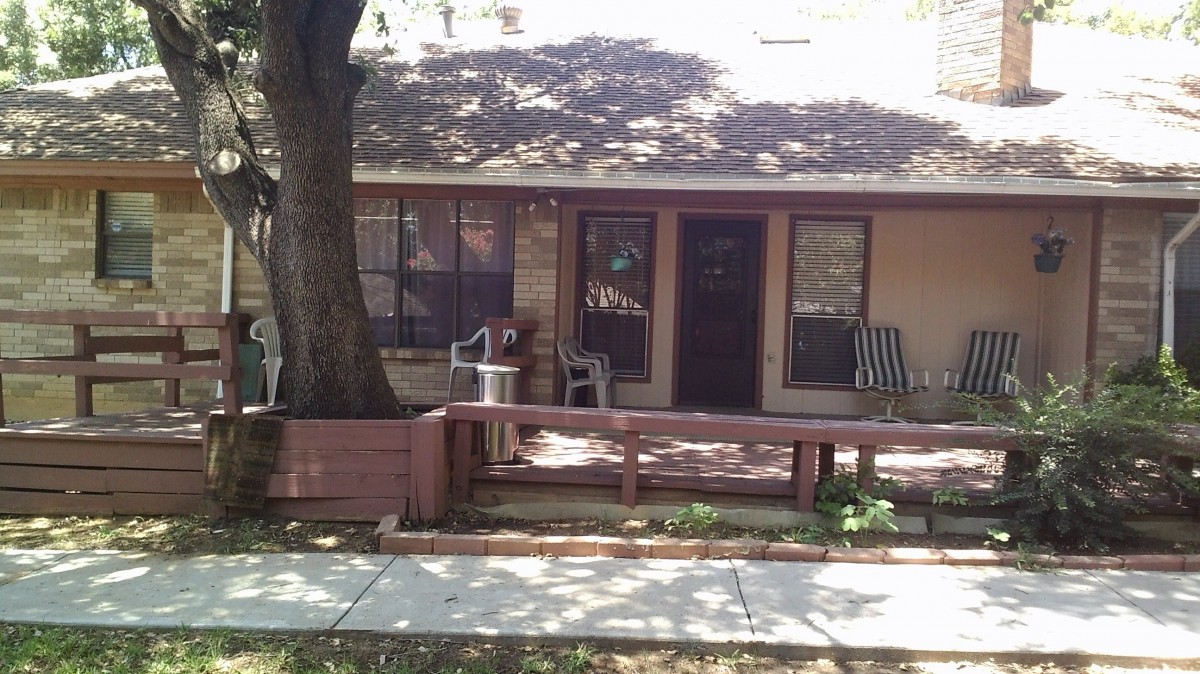









3405 Woodside Drive., Arlington, TX 76016
For more information about senior living options: (866) 208-4318
Grace & Mercy Assisted Living Costs & Pricing
Grace & Mercy Assisted Living offers competitive pricing compared to the broader market in Tarrant County and Texas. For a semi-private room, residents can expect to pay $2,000 monthly, which is significantly lower than the county average of $3,889 and the state average of $3,680. Similarly, for private accommodations, the monthly fee at Grace & Mercy is set at $2,600 - again more affordable than both the county's average of $3,704 and Texas's average of $4,096. This pricing structure reflects Grace & Mercy's commitment to providing quality care while remaining accessible to families seeking assisted living options in a challenging financial landscape.
| Floor plans | Grace & Mercy Assisted Living | Tarrant County | Texas |
|---|---|---|---|
| Semi-Private | $2,000 | $3,889 | $3,680 |
| Private | $2,600 | $3,704 | $4,096 |
Overall Review of Grace & Mercy Assisted Living
Pros
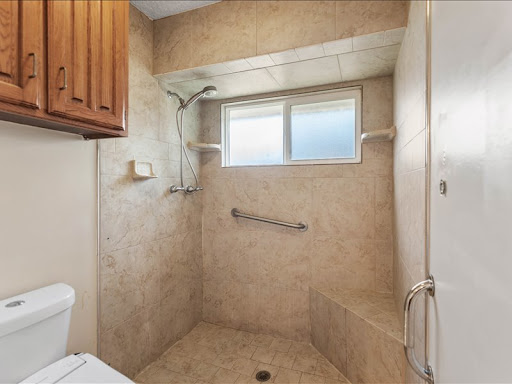
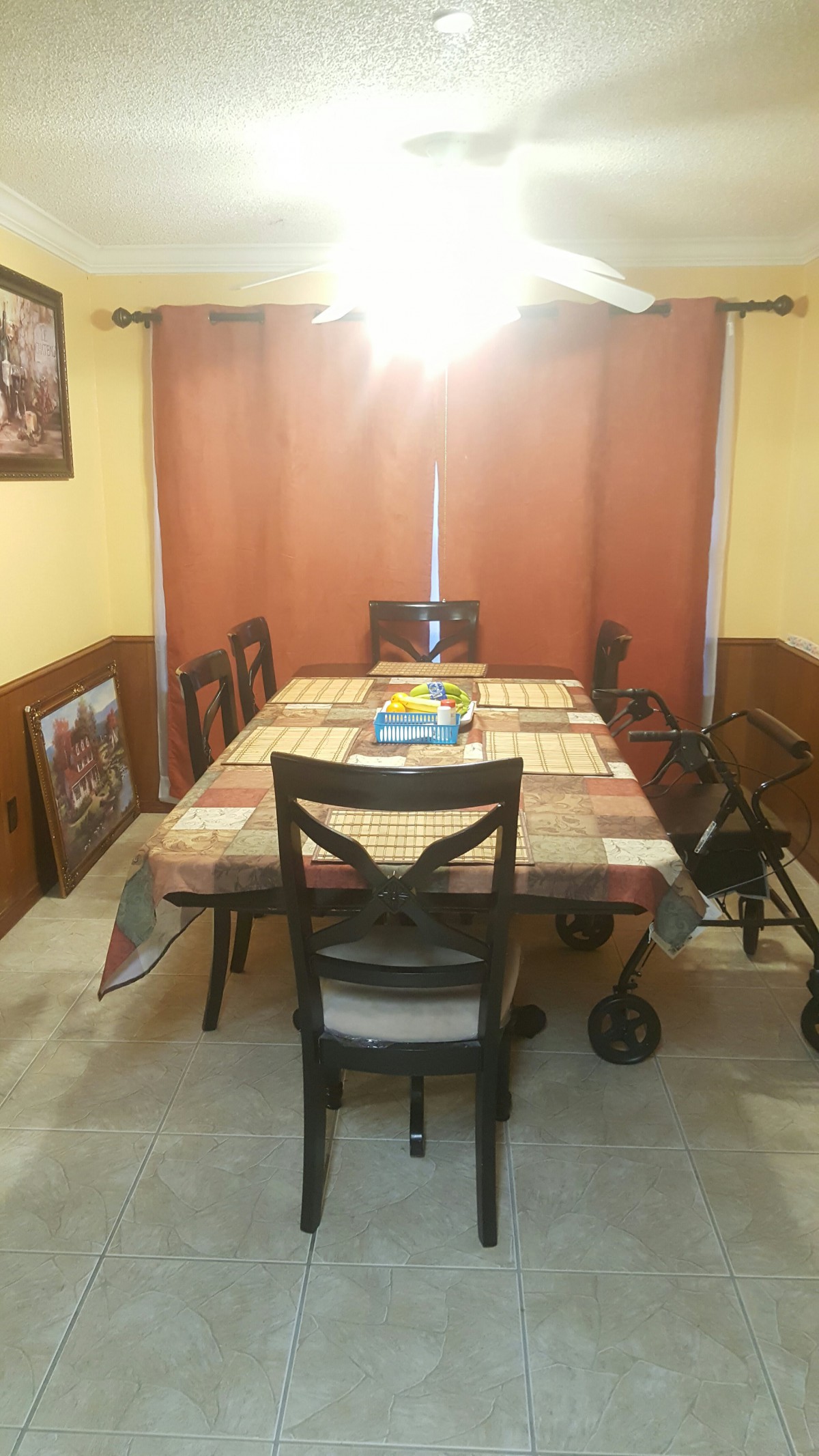
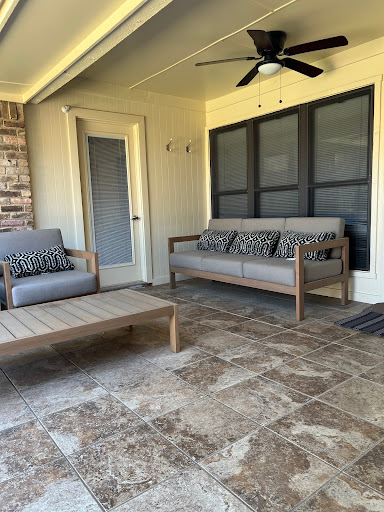
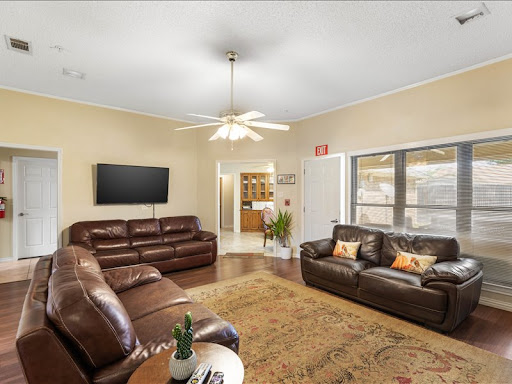
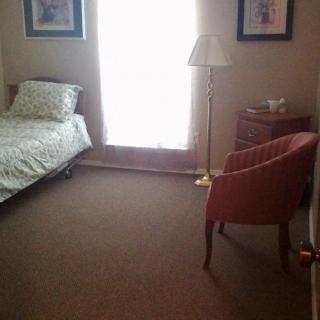
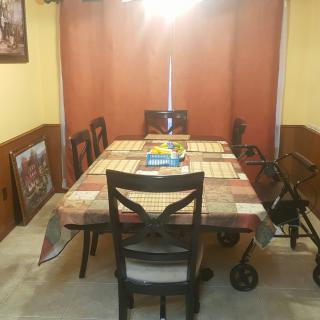
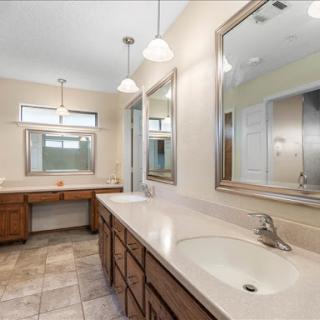
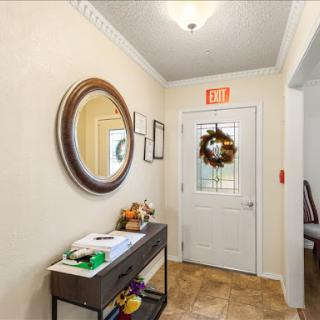
 The home is located in a beautiful, safe neighborhood, sparkling clean throughout, and welcoming with a homey vibe.
- Toyin Akinyode, the owner and on-site manager, is a licensed pharmacist, inspiring confidence with her medical background.
- There are two licensed caregivers on-site 24 hours a day, with a maximum of six residents and call buttons available for each.
- Toyin and her staff are incredibly attentive, compassionate, and responsive, keeping families informed.
- Families experience peace of mind knowing their loved ones are thriving in this home.
- The facility is extremely clean, friendly, and feels like a loving, family-oriented environment.
- Toyin is described as a genuinely nice, caring leader who supports residents and families.
- The care provided is highly personalized and one-on-one, with staff going the extra mile to ensure comfort and well-being.
- Many reviewers call Woodside Place a blessing, noting great food, a warm atmosphere, and a trusted, caring team.
Cons
 There is industry-wide short-staffing, with too many patients for too few caregivers.
- The care from the owner and operator is described as zero out of five.
- The owner should not even be allowed to run a dog shelter.
Review
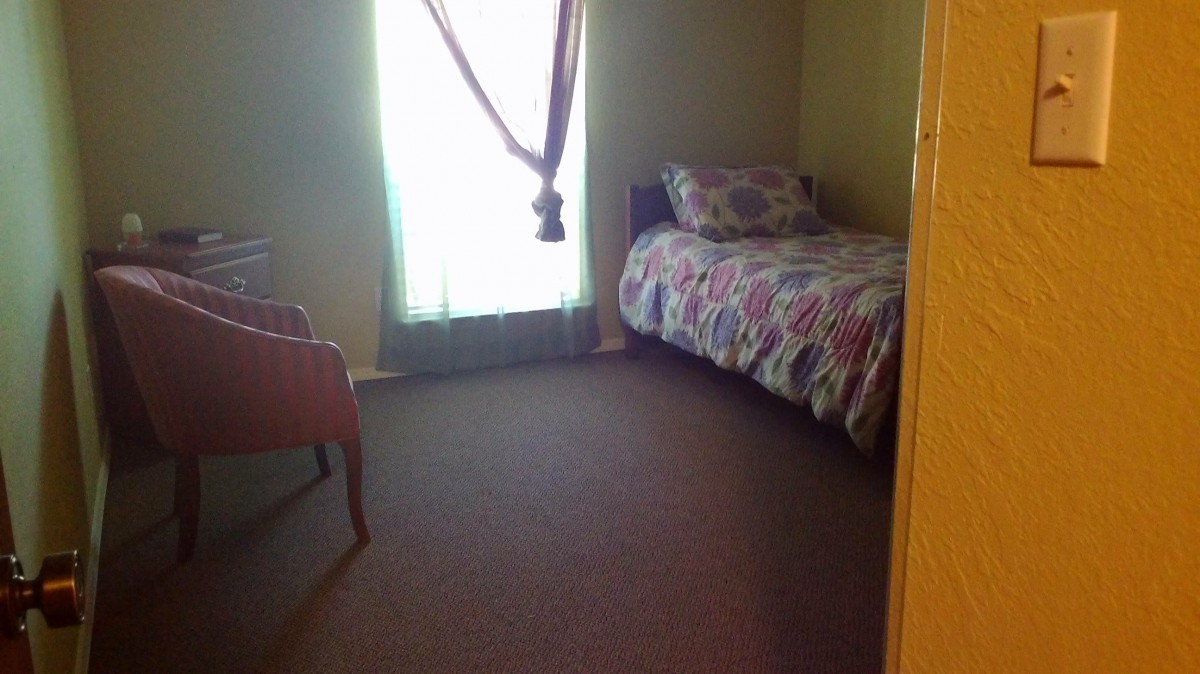
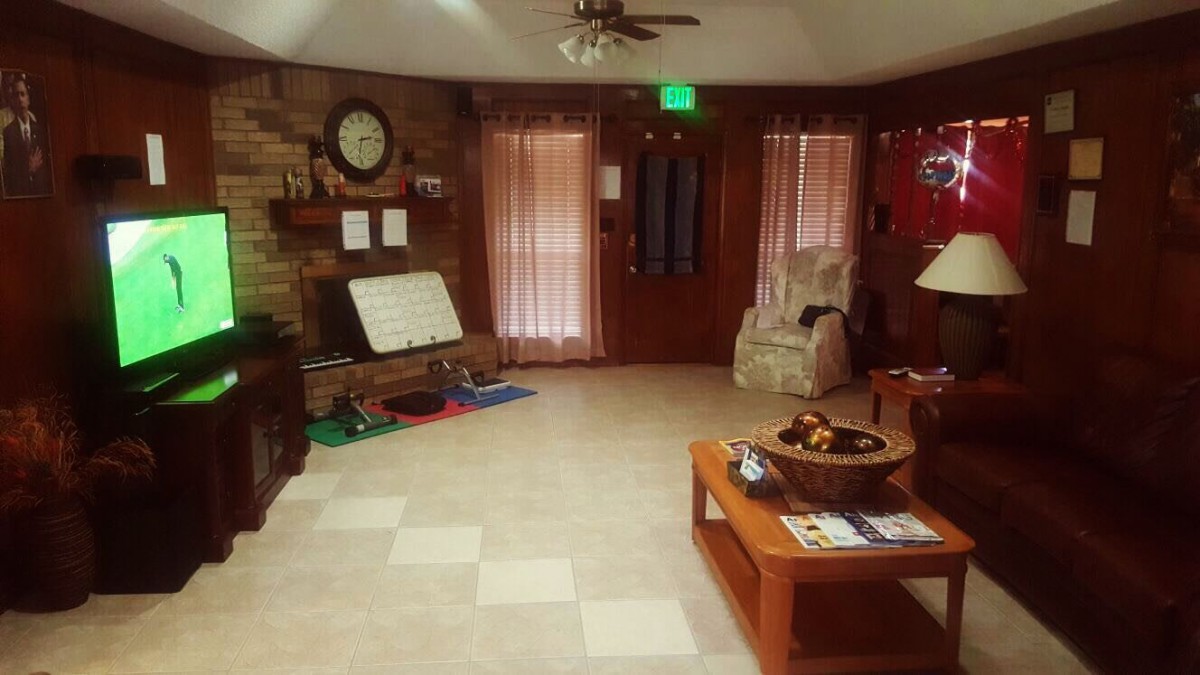
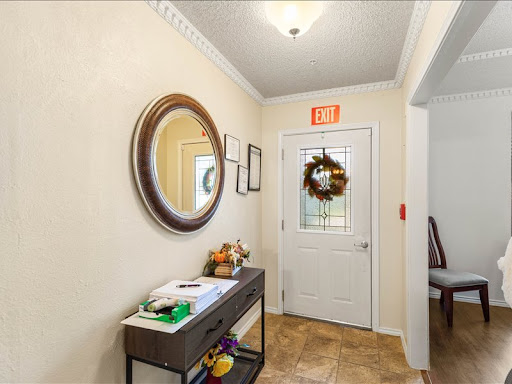
The strongest fit for Grace & Mercy-style care, based on the available reviews, is a small, home-like assisted living setup that combines hands-on owner involvement with a stable, tightly knit caregiving team. This model works best for families seeking intimate attention, highly personalized routines, and a residence that feels more like a private home than a clinical facility. The standout features include a very small resident count (approximately six), two licensed caregivers on site around the clock, and an owner-operator with a medical background who can oversee medications and clinical needs without layering on layers of bureaucracy. The environment is consistently described as clean, welcoming, and safely situated in a pleasant Arlington neighborhood, with strong emphasis on warmth and family-style communication.
Those weighing Grace & Mercy against alternatives should consider that this option is less suitable for families needing extensive, on-site medical specialization or broad, programmatic offerings typical of larger communities. If memory care with structured cognitive programs, high-intensity nursing teams, or diverse activity calendars are non-negotiables, a larger facility or a traditional nursing home might serve better. Likewise, if concerns exist about potential variability in leadership or a heavy dependence on one owner, families may prefer a model with more defined corporate oversight or a broader leadership team. The reviews highlight these trade-offs and point to a reality: small, owner-driven homes can deliver extraordinary warmth, but carry a different risk profile than larger operators.
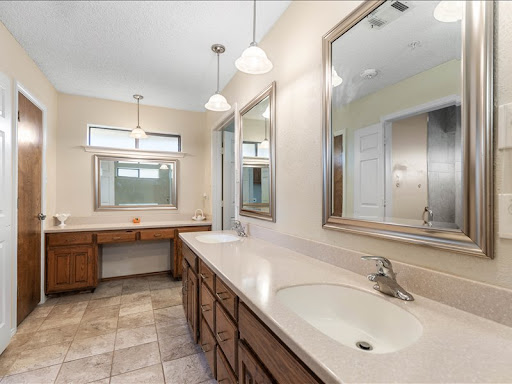
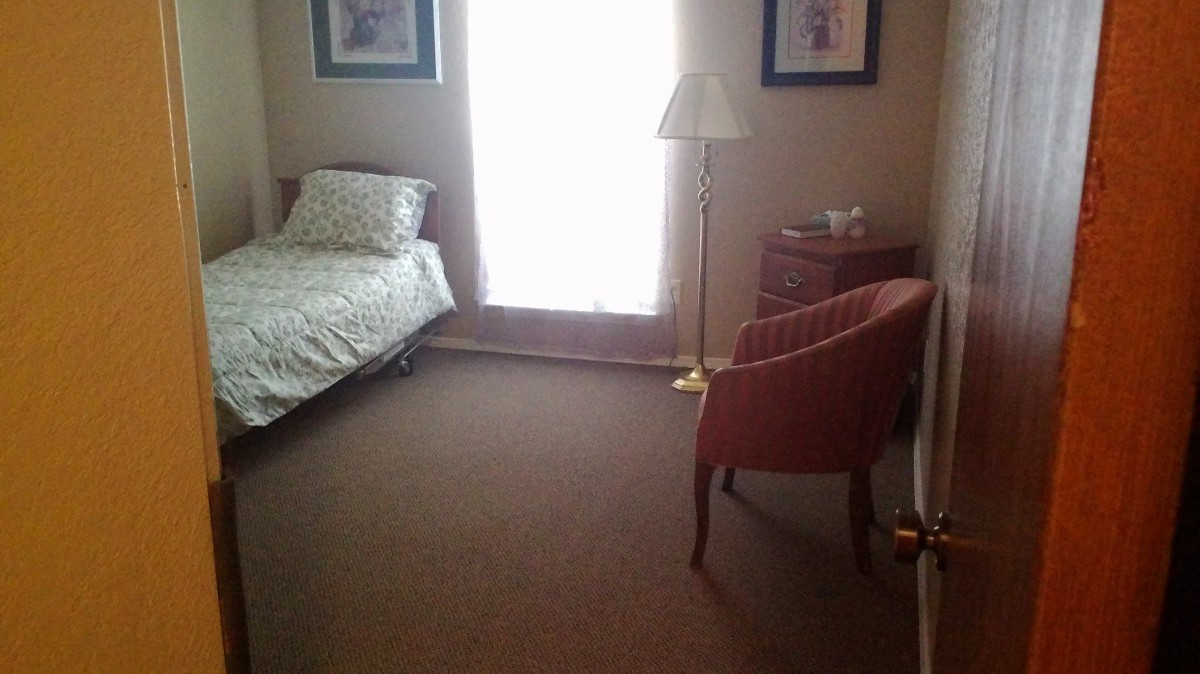
The primary advantages rest on personal attention and immediate responsiveness. Residents benefit from the presence of two licensed caregivers on site at all times, a setup that translates into rapid help at call buttons, tailored care plans, and a consistent sense of security for families. The owner’s background in pharmacy is repeatedly cited as a practical asset for medication management and coordination with healthcare providers, reducing friction and uncertainty around treatments. The home’s cleanliness, tastefully decorated rooms, and the courteous, compassionate demeanor of staff contribute to a peaceful, non-institutional atmosphere that many families associate with genuine peace of mind. The positive emphasis on family communication, prompt updates and transparent answers to concerns, further reinforces trust.
Yet, the strongest con to this model centers on reliance on a single owner/operator for the vision and daily oversight. At least one reviewer described the owner’s performance as a notable drawback, signaling that leadership quality can swing and that personal dynamics may influence care delivery. That sentiment, coupled with the inherently small team and limited resident pool, suggests a potential vulnerability if the owner is unavailable or if staffing needs shift due to illness or turnover. For families seeking contingency plans, questions about backup leadership, cross-training, and backup caregivers become essential parts of due diligence before committing.
When the positives are weighed against the drawbacks, the offset tends to favor families who prioritize relationships, transparency, and medication oversight over breadth of programming. The tight-knit environment minimizes transition stress, makes daily routines predictable, and fosters strong bonds between residents and caregivers. A clean, home-like setting reduces hospital-like anxiety, and the resulting emotional comfort often translates into steadier daily functioning for residents. In decision terms, the model excels where stability, personalized attention, and family trust trump the need for expansive clinical services or scalable programming.
In practical terms, families should use the Grace & Mercy context to guide their inquiries: tour with eyes open to staff-to-resident ratios, observe how the owner interacts with residents, and verify the plan for coverage if the owner cannot be present. Ask about medication management protocols, how hospice or outside medical teams coordinate, and what backup arrangements exist for staffing. If the goal is a warm, intimate home where staff know each resident well and respond quickly, this model delivers with remarkable consistency. If the aim is to maximize clinical breadth and institutional scale, broader options deserve exploration. The bottom line: for a senior who thrives on close-knit care, clear communication, and a pharmacy-informed approach to meds, this small, owner-led home can be an excellent match; for others, cast a wider net to identify communities with deeper medical resources and multi-disciplinary oversight.
 6 resident community capacity
 Assisted Living
 Board and Care Home
 Activities off-site
 Air-conditioning
 Cable or satellite TV
 Devotional services off-site
 Dining room
 Fully furnished
 Garden
 Handicap accessible
 Housekeeping services
 Indoor common areas
 Move-in coordination
 Outdoor common areas
 Private
 Private bathrooms
 Respite or short term stays offered
 Telephone
 Wheelchair accessible showers
 Wi-Fi/high-speed internet available
 Dallas-Fort Worth International (16 miles away)
 24-hour supervision
 Ambulatory care
 Assistance with bathing
 Assistance with dressing
 Assistance with transfers
 Diabetes diet
 Diabetic care
 High acuity care
 Incontinence care
 Meal preparation and service
 Medication management
 Special dietary restrictions
 Transportation arrangement (medical)
 Transportation to doctors appointments
 BBQs or picnics
 Birthday parties
 Cooking classes
 Stretching classes
 Visiting chaplain or priest








 Securing Financial Support for Assisted Living: A Comprehensive Overview
 Social Security Benefits and Assisted Living: Navigating Options Across the U.S.
 An Extensive Exploration of the VA Aid and Attendance Benefit