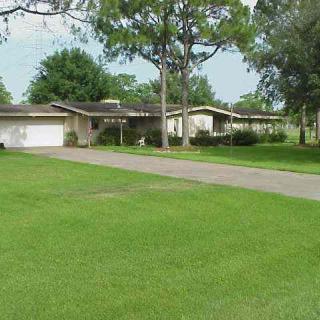




2220 Cr 144, Alvin, TX 77511
For more information about senior living options: (866) 208-4318
Desire To Live Costs & Pricing
At Desire To Live, the monthly cost for a semi-private room is set at $2,500, making it a more economical choice compared to both Galveston County and the broader Texas state averages. In Galveston County, similar accommodations typically run around $3,715 per month, while state-wide rates hover around $3,680. This significant difference in pricing underscores Desire To Live's commitment to providing quality care at an accessible price point, reflecting a dedication to supporting the financial well-being of residents and their families without compromising on the essential services and community atmosphere that define their living experience.
| Floor plans | Desire To Live | Galveston County | Texas |
|---|---|---|---|
| Semi-Private | $2,500 | $3,715 | $3,680 |
Memory care communities with a similar price nearby
-
from +$350 / mo

The Gardens of Bellaire
$2,850 to $3,211 / month20.2 miles away -
from +$195 / mo

Inspired Living at Sugar Land
$2,695 to $5,395 / month18.9 miles away -
from +$300 / mo
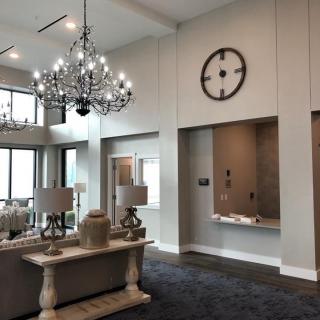
Sodalis - Deer Park
$2,800 to $5,100 / month19.2 miles away -
from -$130 / mo

Morada Friendswood
$2,370 to $4,385 / month6.2 miles away -
About the same

Brazos Towers
$2,570 to $4,700 / month18.6 miles away
Overall Review of Desire To Live
Pros
 Ms. Butler has provided excellent and dependable care.
- Her experience and expertise with those with special needs far exceeds other facilities.
- The owner and staff genuinely enjoy being with the residents.
- They take residents to plays, restaurants, and even short vacations.
- Families are invited to participate in activities.
- The staff created a comforting hospice setting with a private room and thoughtful amenities.
- The owner is kind and helps those less fortunate get on their feet.
- Desire to Live helps those who are unable to help themselves and spreads love and joy in the community.
Cons
 Wanda was mean and verbally abusive toward the reviewer, to the point she feared physical confrontation.
- The caregiver is described as prone to tantrums and not nice to residents.
- There were no activities for residents, and learning residents’ names was discouraged as unimportant.
- The facility did not provide PPE; gloves had to be purchased by staff, and cleanliness was poor with ragged towels and sheets.
- The reviewer worked 85 hours in one week and was never paid.
- The former employee characterized Wanda Butler as the closest to Satan’s daughter, possessed with unclean spirits, and described several abusive incidents toward clients (e.g., pouring cold water on a resident, confiscating belongings, harshly reprimanding a resident).
- The reviewer warned that placing a family member there would not be advisable.
Review
Desire to Live in Alvin is best suited for families seeking a small, home-like setting where long-tenured caregiving is the norm and relationships between staff and residents feel personal. The community excels for loved ones who require specialized, attentive care for dementia- or behavior-related challenges and who value daily engagement over institutional formality. When a resident responds to individualized routines, familiar routines, and frequent family participation, this option can deliver warmth, continuity, and meaningful activity, things that turn a facility into a kind of extended home.
Those who should consider alternatives are families prioritizing consistent professional governance, standardized operations, and rigorous risk management. Several reviews raise red flags about management conduct and workplace culture, including allegations of harsh treatment toward staff and residents, questions about PPE and cleanliness, and disputes over pay and accountability. For families needing airtight oversight, transparent complaint histories, and a track record of steady staffing, the reported chaos and interpersonal volatility at times observed here make other communities with formalized processes and larger teams more reassuring.
The core positives partly offset the concerns when care is steady and well-led. Long-term, hands-on attention from a caregiver with deep experience in special-needs care translates into practical, compassionate responses to difficult behaviors and daily routines. The home-like atmosphere, residents participating in chores, outings, meals out, and even occasional celebrations, creates a sense of belonging that is hard to reproduce in larger facilities. Families report that the owner and staff cherish residents, invite family involvement, and provide moments of normalcy and comfort, including private hospice-style accommodations when needed. Those elements can make a real difference for residents who thrive on familiarity and personal connection.
However, the negatives cannot be dismissed and must shape the decision. Reports from former staff and reviewers describe moments of verbal or emotional miscue, perceived instability in leadership, and a lack of formal systems in everyday operations. Allegations include improper handling of waste and PPE, inconsistent staff treatment, and disputes over compensation, all of which raise legitimate concerns about safety, dignity, and reliability. While some praise the owner for generosity and community impact, the conflicting narratives create a real, practical risk: what happens when tensions rise, or when resident needs intensify beyond a caregivers’ capacity? These questions matter, especially for residents with complex medical or behavioral requirements.
From a decision-making standpoint, prospective buyers should demand clarity before committing. Schedule multiple visits at various times, including evenings and weekends, to observe staff interactions, supervision, and routines. Request a transparent care plan that outlines staffing levels, training, and how behaviors are managed, along with copies of licensing, recent inspections, and any formal complaints. Speak with current residents and families about consistency of caregiving, response times, and how emergencies are handled. Verify PPE practices, cleanliness standards, and incident reporting, and confirm how conflicts between ownership, staff, and families are resolved. This due diligence will reveal whether the homey strengths can be sustained under predictable governance.
In practical terms, Desire to Live offers a distinctive, heartfelt option for families who prioritize personalized, affectionate care and a lived-in sense of community for a loved one who thrives on routine and engagement. The upside is tangible: a caregiver who understands the resident’s history, frequent social and recreational activities, and an environment that feels like home. The caveat is substantial: the facility’s governance and consistency must be proven to be reliable and safe. If these conditions can be verified and sustained, this community can be an excellent match for a resident who benefits from warmth, involvement, and a flexible, home-centered lifestyle. If not, or if professional standards and predictable operations are non-negotiable, exploring other options with stronger oversight is strongly advised.
 9 resident community capacity
 Assisted Living
 Board and Care Home
 Memory Care
 Activities off-site
 Bath tubs
 Cable or satellite TV
 Dining room
 Fully furnished
 Garden
 Housekeeping services
 Indoor common areas
 Move-in coordination
 Outdoor common areas
 Private bathrooms
 Respite or short term stays offered
 Telephone
 Wheelchair accessible showers
 Wi-Fi/high-speed internet available
 William P X (13 miles away)
 24-hour supervision
 Assistance with bathing
 Assistance with dressing
 Assistance with transfers
 Diabetes diet
 Diabetic care
 High acuity care
 Incontinence care
 Meal preparation and service
 Medication management
 Special dietary restrictions
 Transportation arrangement (medical)
 Transportation to doctors appointments






 Vibrant Senior Living: A Comprehensive Guide for Active Older Adults
 Assisted Living and Memory Care: Understanding Their Core Differences
 Choosing the Right Senior Care: A Detailed Exploration of Assisted Living and Nursing Homes