
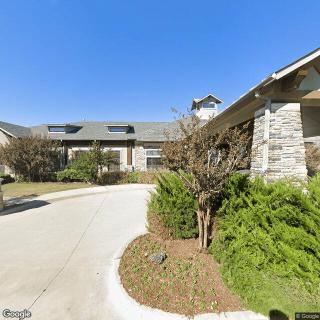
1056 Balmorhea Drive, Allen, TX 75013
For more information about senior living options: (866) 208-4318
Overall Review of The Mulberry House III
Pros
 The mom loves Mulberry House 3 and would not be placed anywhere else.
 - The staff treat residents like family and are very helpful.
- The rooms are spacious and comfortable.
- The setting is small and intimate, allowing for individualized, one-on-one care.
- The head caregiver is kind and genuinely cares for residents.
- Mulberry House 3 in Allen is highly recommended.
Cons
 Unqualified caregivers were hired and kept on staff despite reports that they were unable to care appropriately.
- There was no system in place for caregivers to update each other during shift changes, and night shifts were not guaranteed with only one caregiver on duty during the day.
- Medications were not administered appropriately and were sometimes not given at all.
- There was no meal plan, leading to unbalanced meals.
- Residence rooms were not cleaned and the house was often dirty.
- Caregivers talked about, made fun of, and verbally bullied residents and coworkers, creating a toxic environment.
- The owners charged high fees for very short stays (e.g., a 3-day stay) and did not offer refunds for the community fee or other charges.
Review
The Mulberry House III in Allen, TX is best suited for families seeking an exceptionally intimate, home-like environment where a resident can receive highly personalized attention. This community shines for residents who benefit from one-on-one interaction and a small-house, caregiver-driven approach, particularly when medical needs are steady and the daily rhythm can be guided by a consistent, compassionate team. It is not the right fit for families that require robust, regimented staffing, rigorous medication administration protocols, or a large-scale program of activities and amenities. For residents who thrive on predictability and close-knit caregiver relationships, Mulberry House III can feel safer and more comforting than larger facilities.
Those considering alternatives should weigh options if reliability and formal systems are paramount. Prospective families with concerns about staffing stability, shift coverage, and clear handoffs will want to compare facilities where daytime and overnight coverage is verified and where there is a documented process for transitioning care between shifts. If medication management, routine meal planning, and regular housekeeping are non-negotiable, or if a resident requires comprehensive memory-care oversight, this community may fall short. Additionally, families wary of opaque or punitive-fee practices would be prudent to examine the contract closely and compare outright refunds or adjustments in cases of early withdrawal or unexpected discharge.
On the plus side, the small, home-like setting produces strong positives that can decisively tilt the decision in its favor. Several residents’ families highlight genuine, family-style care from attentive caregivers, with one caregiver specifically named for going above and beyond. The rooms are described as spacious and comfortable, and even for residents who are bedridden, the degree of personal interaction and individualized attention stands out as a meaningful difference from larger facilities. The overall impression is that relationship quality between staff and residents is deeply valued, and that intimate staffing levels enable more personalized care than in many comparable establishments.
Yet the negatives cited in reviews are not minor or easily dismissed. Repeated concerns center on staffing inconsistency, including a single caregiver on duty during the day and uncertain night coverage, which directly affects safety, timely assistance, and the ability to administer medications properly. Reports of unqualified caregivers, poor shift communication, and a lack of a formal handoff process point to risks in care continuity. Additional red flags include claims of inadequate meal planning, infrequent housekeeping, and a hostile or toxic atmosphere at times, with residents and coworkers reportedly subjected to disrespectful treatment. A high emphasis is placed on the friction between care quality and operational gaps, making these concerns a critical part of the decision.
These pros and cons pull in opposite directions, but they do not cancel each other out. The depth of personal care in Mulberry House III can be transformative for residents who need attentive, individualized support and who respond well to a small-team dynamic. When staffing is stable and well-supervised, the one-on-one attention can outweigh many structural limitations. However, without reliable shifts, proper medication protocols, and a consistently clean, respectful environment, the advantages risk being eroded. Families should assess whether the current leadership is actively addressing staff training, resident safety, and transparent governance to stabilize the caregiving core.
For families weighing a choice, the practical path is to demand clarity and verify details before committing. Request a current care plan and caregiver-to-resident ratio during peak hours, insist on seeing the medication administration process, and ask for examples of daily menus and housekeeping schedules. Seek written policies on handling early move-outs and refunds, and request references from current or recent residents’ families. If memory-care needs loom, confirm how the home’s approach aligns with those requirements or if alternative memory-care specialists would better fit. In short, Mulberry House III can be an excellent fit for the right resident, but it requires vigilant due diligence to ensure the environment remains nurturing, safe, and consistently well-managed.
 6 resident community capacity
 Assisted Living
 Board and Care Home
 Cable or satellite TV
 Dining room
 Fully furnished
 Garden
 Housekeeping services
 Move-in coordination
 Outdoor space
 Telephone
 Wi-Fi/high-speed internet available
 Dallas Love (21 miles away)
 24-hour supervision
 Activities of daily living assistance
 Assistance with bathing
 Assistance with dressing
 Assistance with transfers
 Diabetes diet
 Meal preparation and service
 Medication management
 Special dietary restrictions
 Transportation arrangement (medical)
 Transportation to doctors appointments







 Funding and Affording Assisted Living: A Thorough Overview
 Assisted Living Expenses and Long-Term Care Insurance: A Comprehensive Exploration
 Securing Financial Support for Assisted Living: A Comprehensive Overview