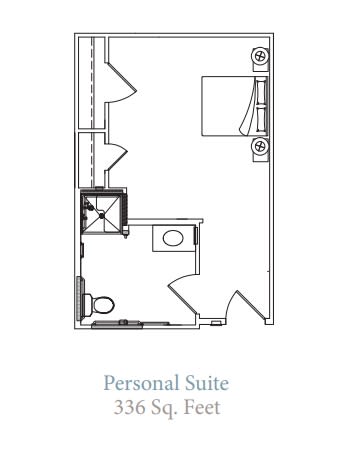
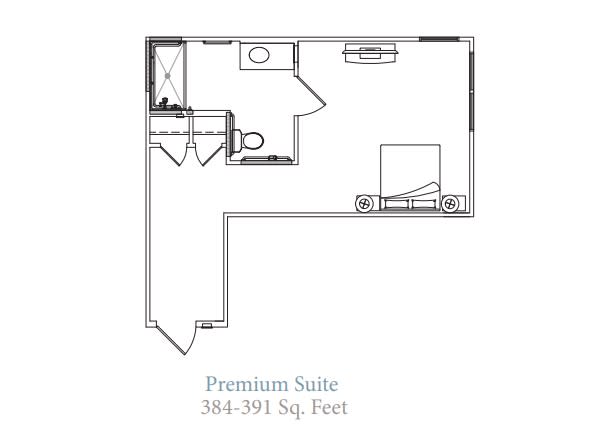
Grand Brook Memory Care of Allen offers a specialized environment for memory care, with monthly costs for a studio room set at $7,100. This figure is significantly higher than the average rates in Collin County, where similar accommodations are priced around $4,225 per month, and even more so compared to the statewide average of $3,758 in Texas. The elevated pricing reflects not only the quality of care and comprehensive services provided at Grand Brook but also the distinct advantages of its location and amenities tailored for residents with memory challenges. While the costs may be above average, many families find that the personalized attention and supportive atmosphere justify the investment in their loved ones' well-being.
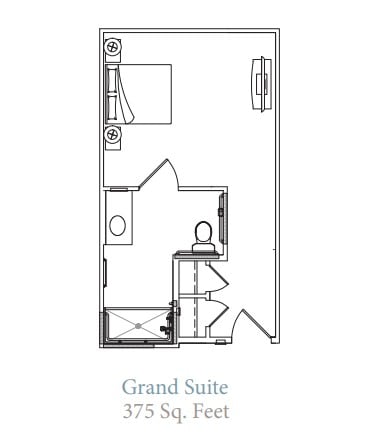
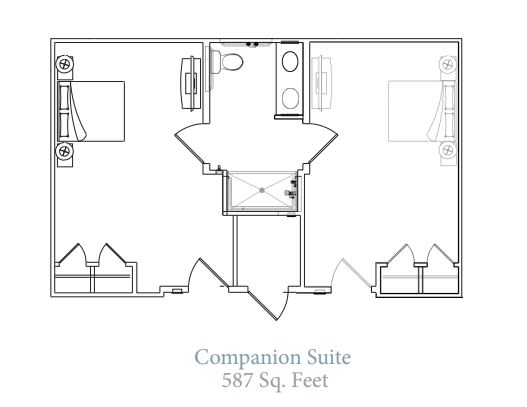
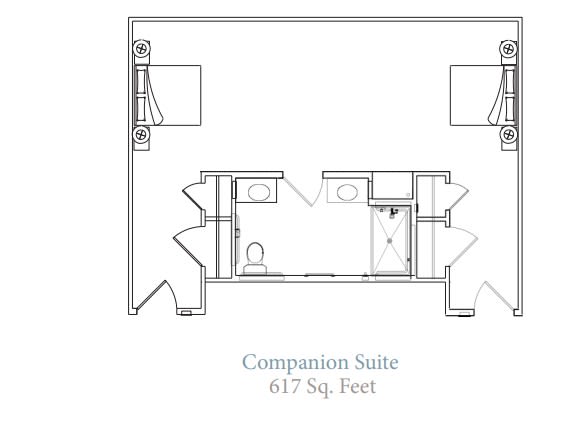
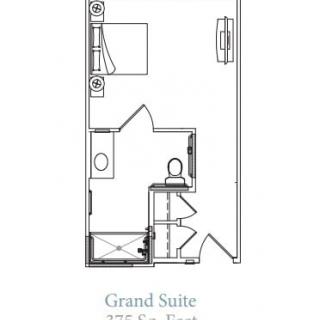
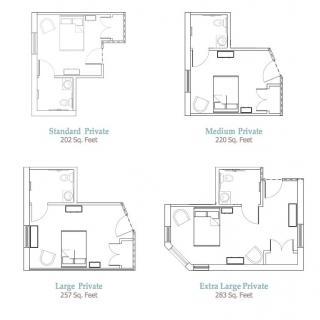
Floor plans
Grand Brook Memory Care Of Allen
Collin County
Texas
Studio
$7,100
$4,225
$3,758
Memory care communities with a similar price nearby
Overall Review of Grand Brook Memory Care Of Allen
common52 reviews mention this
Staff care feels personal
Residents and families consistently describe staff as loving, patient, and deeply engaged.
Across the reviews, families repeatedly say the staff treats residents like family and shows patience, kindness, and respect. Multiple reviewers also describe attentive, day-to-day support and the sense that employees take time to learn residents as individuals. A number of comments also highlight teamwork within the care team and strong leadership that families can reach when they have questions or concerns.
common8 reviews mention this
Daily activities keep residents engaged
The community emphasizes keeping residents involved throughout the day.
Several reviewers describe a schedule that keeps residents out of their rooms and participating in groups and entertainment. Families mention activity directors drawing residents into activities based on mood and abilities, along with frequent daily engagement. This theme lines up with the community’s focus on scheduled daily activities and day trips/outings.
differentiator2 reviews mention this
Communication and medication support
Residents receive timely medical attention and families feel informed.
Reviewers mention that medication timing is handled carefully and that the medical staff communicates quickly when there’s a concern. Families also describe feeling confident that their loved one’s needs are being monitored and addressed, which helps reduce worry during transitions. This matches the care services that include medication management and coordination with health care providers.
common4 reviews mention this
Facility cleanliness and home feel
Families frequently describe the facility as clean, comfortable, and welcoming.
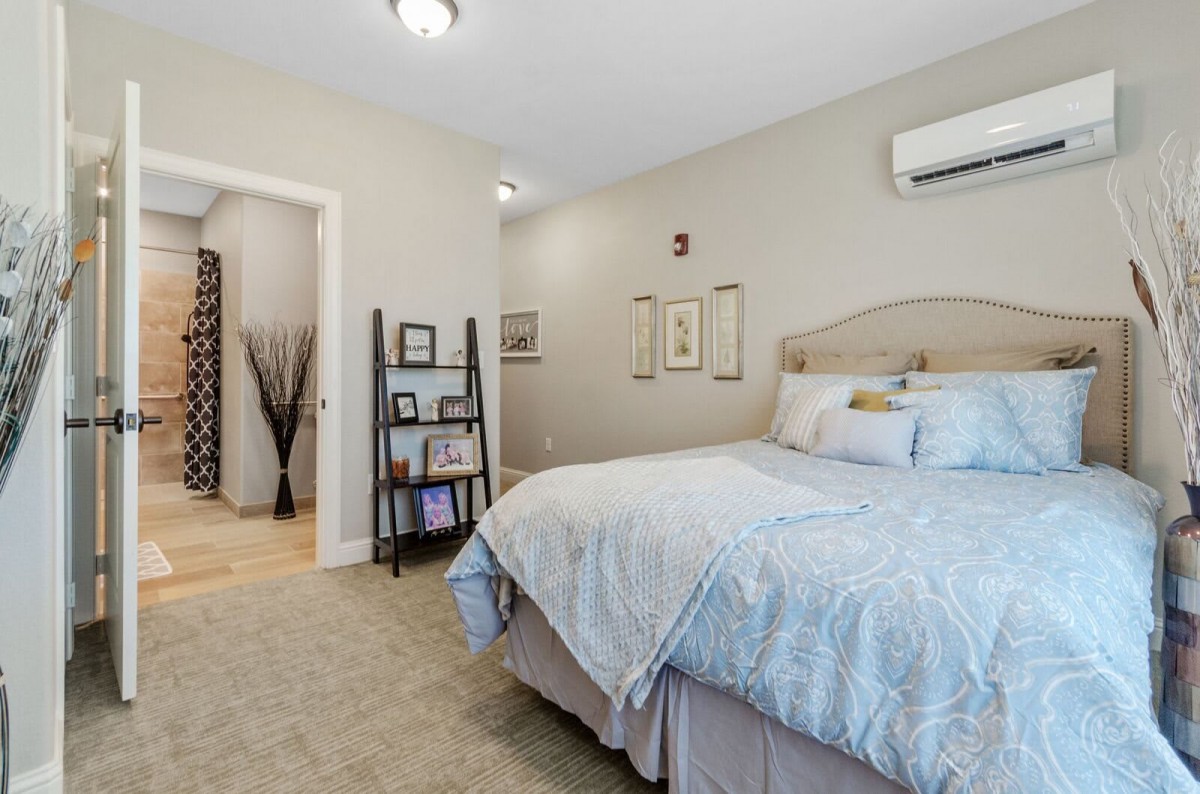
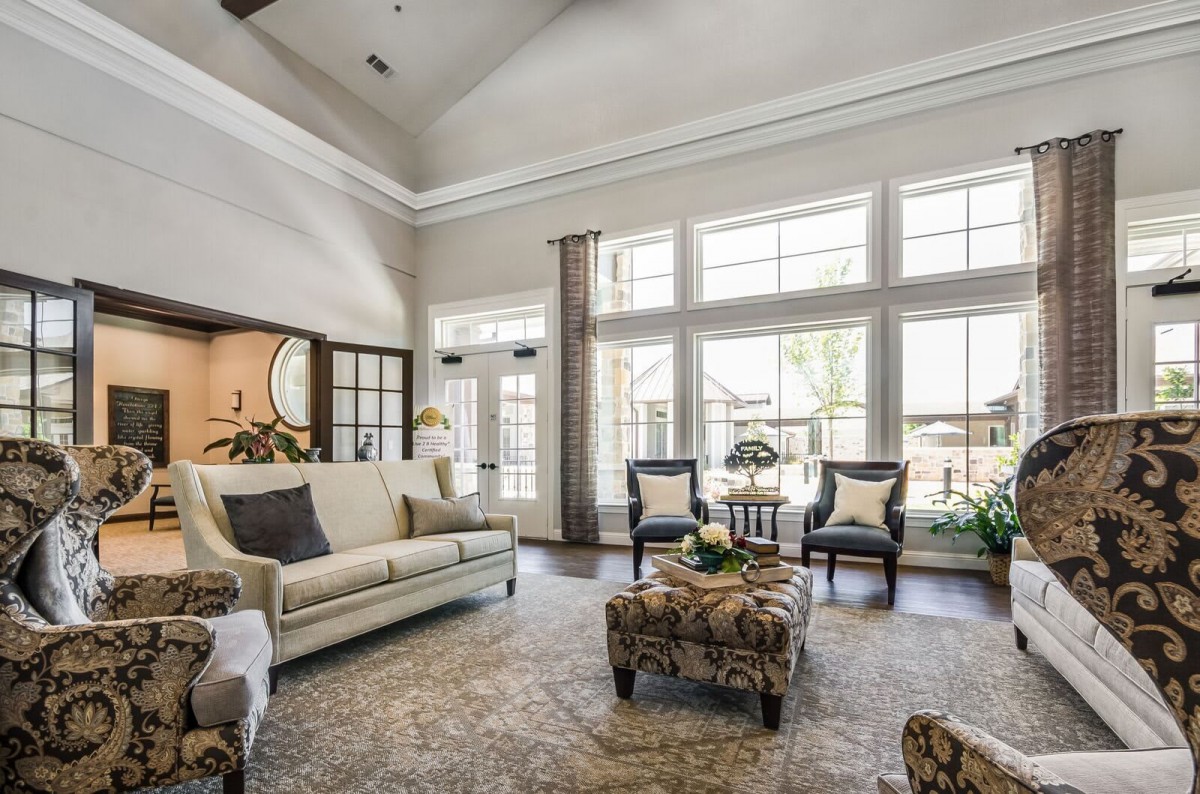
Multiple reviews point to a well-kept, clean environment and describe the building as home-like rather than institutional. Some families also comment on how the layout supports keeping residents active and out in the community spaces. Others mention comfortably furnished apartments and clean, well-maintained rooms.
caveat2 reviews mention this
Pricing is higher than expected
Some families mention that the cost can be higher than they anticipated.
At least a couple of reviewers acknowledge that the community may cost more than other options they considered. Even with that concern, those same families often frame the higher price as being worth it for the care and peace of mind they experienced. This aligns with the provided pricing context showing rates above county and state benchmarks for studios.
How we summarize
Counts show how many written reviews mention each theme; a review can touch several themes, and only frequently mentioned themes are displayed.
Features
Housing
36 resident community capacity
Types of Care
Assisted Living
Memory Care
Pets
Dogs allowed
Amenities
Activities off-site
Activities on-site
Air-conditioning
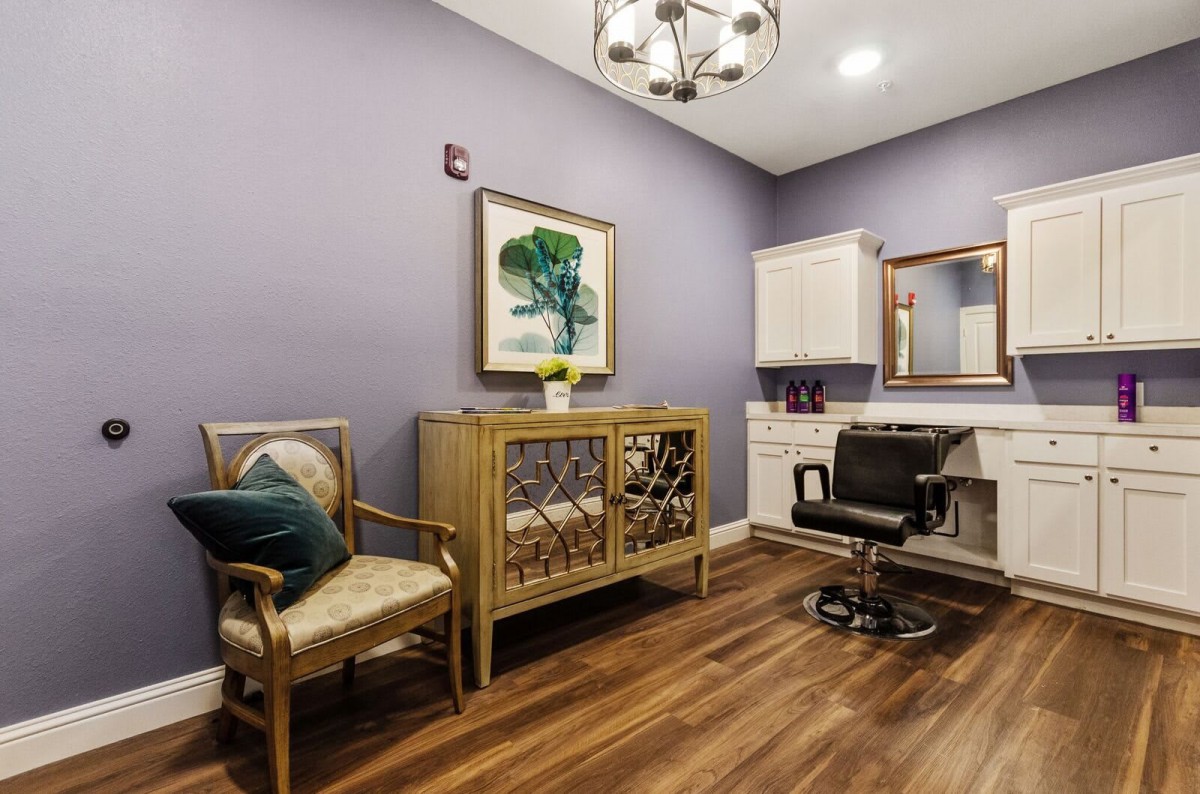
Beautician on-site
Beauty salon
Cable or satellite TV
Devotional services on-site
Dining room
Fully furnished
Garden
Ground floor units
Handicap accessible
Housekeeping services
Indoor common areas
Kitchenette
Move-in coordination
Outdoor common areas
Outdoor space
Respite or short term stays offered
Telephone
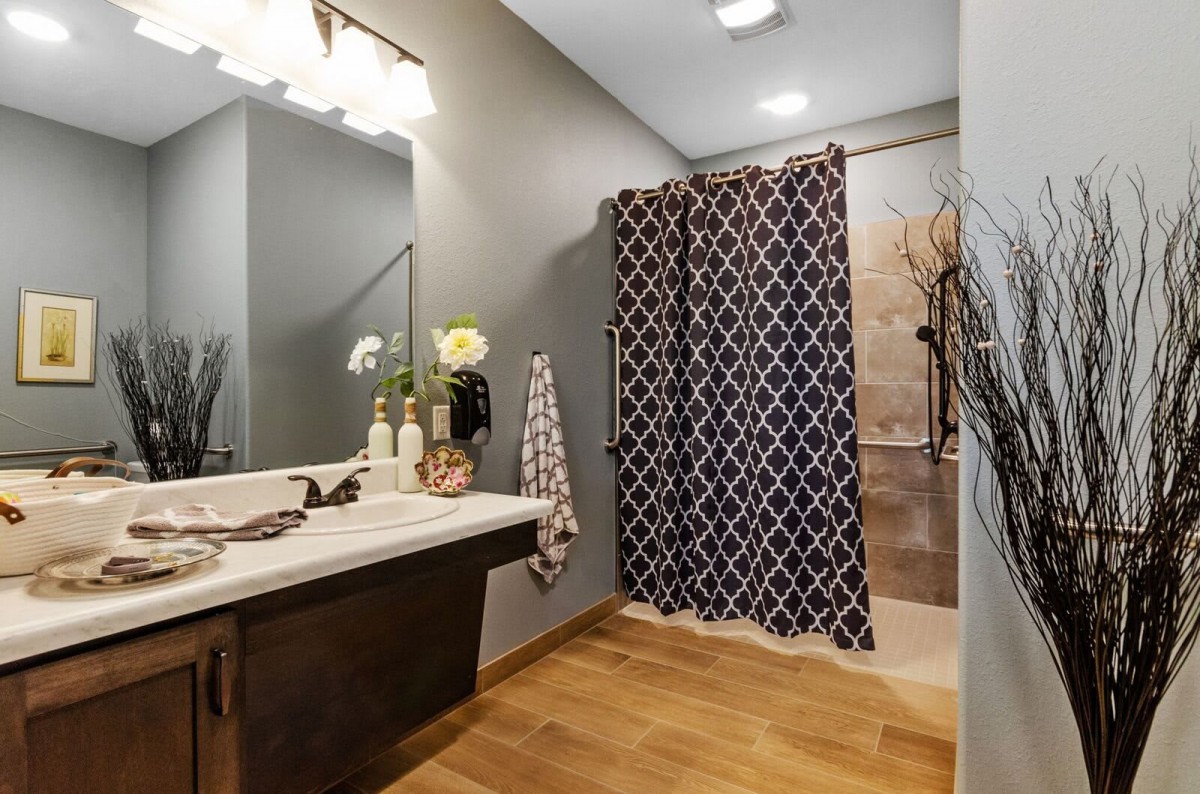
Wheelchair accessible showers
Wi-Fi/high-speed internet available
Transportation
Dallas Love (21 miles away)
Care Services
24-hour call system
24-hour supervision
Activities of daily living assistance
Ambulatory care
Assistance with bathing
Assistance with dressing
Assistance with transfers
Coordination with health care providers
Diabetes diet
Diabetic care
High acuity care
Incontinence care
Meal preparation and service
Medication management
Mental wellness program
Special dietary restrictions
Transportation arrangement (medical)
Transportation to doctors appointments
Dining
Anytime dining
Diabetes diet
Gluten-free
Guest meals
International cuisine
Kosher
Low / no sodium
Meals provided
No Sugar
Organic
Restaurant style dining
Room service
Special dietary restrictions
Special dining programs
Vegan
Vegetarian
Activities
Art classes
Bible study group
Catholic services
Community-sponsored activities
Cooking classes
Day trips and outings
Devotional activities on-site
Educational speakers / life long learning
Karaoke
Live well programs
Other religious services
Resident-run activities
Scheduled daily activities
Visiting Rabbi
Visiting chaplain or priest
Videos
Nearby Places of Interest
Located in Allen, Texas, this area offers a variety of amenities and services that cater to senior living needs. With multiple restaurants such as Chick-Fil-A, Lupe Tortilla, and The Cheesecake Factory within close proximity, seniors can enjoy a wide range of dining options. Additionally, parks like Quail Run Park and Twin Creeks Park provide peaceful outdoor spaces for leisurely walks or picnics. Pharmacies such as CVS Pharmacy and Walgreens are conveniently located nearby for easy access to medications. Places of worship like Chase Oaks Church and Stonebridge United Methodist Church offer spiritual support within the community. Furthermore, healthcare services are readily available with physicians' offices like Texas Health Family Care and hospitals like Medical Center of McKinney in close proximity. Overall, this area provides a well-rounded environment for senior living with various amenities and services to support a comfortable lifestyle.
Restaurants
Chick-Fil-A (0.8 miles)
McDonald's (0.8 miles)
Lupe Tortilla (1.3 miles)
Rosa's Café & Tortilla Factory (1.4 miles)
Mi Cocina (1.6 miles)
The Cheesecake Factory (1.6 miles)
Dodies Place (1.7 miles)
Parks
Quail Run Park (0.9 miles)
Twin Creeks Park (2.8 miles)
Hoblitzelle Park (4.1 miles)
Memorial Park (5 miles)
WestRidge Subdivisions (6.7 miles)
Pharmacies
CVS Pharmacy (1.1 miles)
CVS Pharmacy (1.4 miles)
Kroger Pharmacy (1.7 miles)
Walgreens (2.3 miles)
CVS Pharmacy (3.1 miles)
CVS Pharmacy (3.2 miles)
Walgreens (3.4 miles)
Cafes
Starbucks (1.7 miles)
Starbucks (1.8 miles)
Starbucks (2.2 miles)
Mozart Bakery (4.9 miles)
Starbucks (5.1 miles)
Red Truck Cafe (5.4 miles)
Starbucks (5.8 miles)
Theaters
Cinemark (2.2 miles)
Cinemark Holdings (3 miles)
Places of Worship
Chase Oaks Church (3.2 miles)
One Community Church (3.4 miles)
Stonebridge United Methodist Church (5.4 miles)
Shiloh Missionary Baptist Church (6.7 miles)
Hope Fellowship (6.9 miles)
Physicians
Texas Health Family Care (3.2 miles)
Pediatric Healthcare Associates PA (3.8 miles)
Center For Dermatology (4.1 miles)
Snyder-Hopkins Family Medicine Center (4.2 miles)
Allergy Ear Nose & Throat Clinic (4.2 miles)
Digestive Health Associates of Texas (4.2 miles)
Lowery, Bryan Dr - Village Health Partners Mckinney Medical Village (4.7 miles)
Grand Brook Memory Care of Allen offers a specialized environment for memory care, with monthly costs for a studio room set at $7,100. This figure is significantly higher than the average rates in Collin County, where similar accommodations are priced around $4,225 per month, and even more so compared to the statewide average of $3,758 in Texas. The elevated pricing reflects not only the quality of care and comprehensive services provided at Grand Brook but also the distinct advantages of its location and amenities tailored for residents with memory challenges. While the costs may be above average, many families find that the personalized attention and supportive atmosphere justify the investment in their loved ones' well-being.
The features provided by Grand Brook Memory Care of Allen are essential in fostering a supportive environment for residents with dementia or Alzheimer's disease. With 24-hour supervision, residents are ensured safety and immediate assistance during any moment of confusion or distress. Activities of daily living assistance, including help with bathing, dressing, and transfers, empower residents to maintain a level of independence while ensuring their personal hygiene and comfort. Coordination with healthcare providers guarantees that medical needs are met promptly and effectively, while medication management minimizes the risk of errors that could compromise health. Incontinence care is handled sensitively to preserve dignity, and meal preparation ensures that nutritional needs are addressed with consideration for preferences. The mental wellness program promotes cognitive engagement and emotional support tailored to the unique challenges faced by those with memory impairments. Finally, transportation arrangements facilitate necessary medical visits without adding stress to the residents or their families, underscoring a holistic approach to memory care.
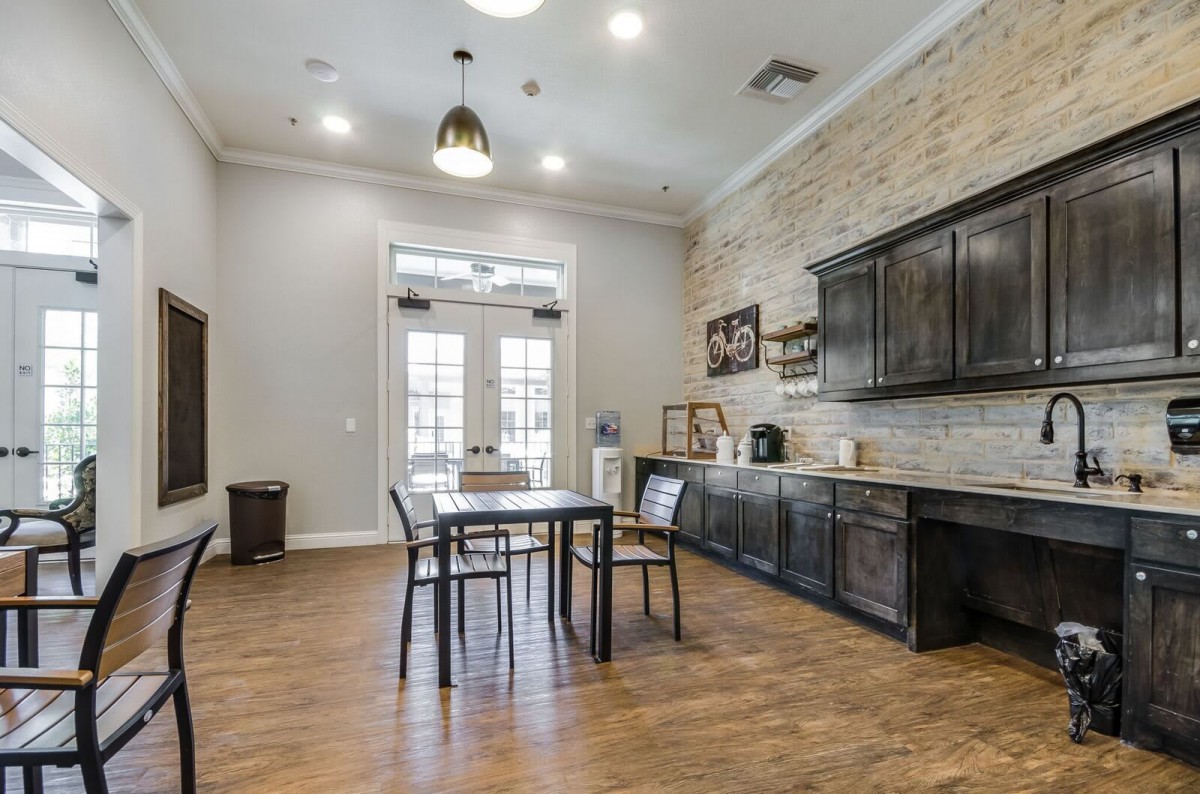
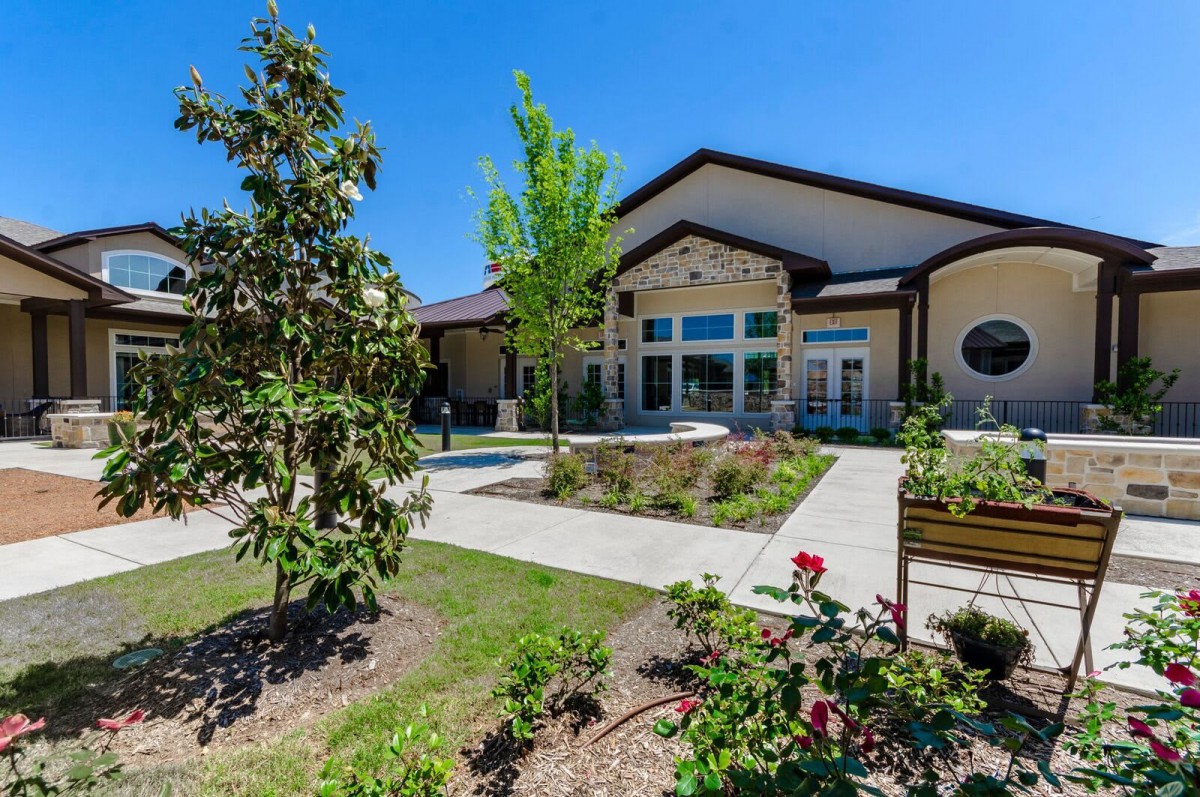
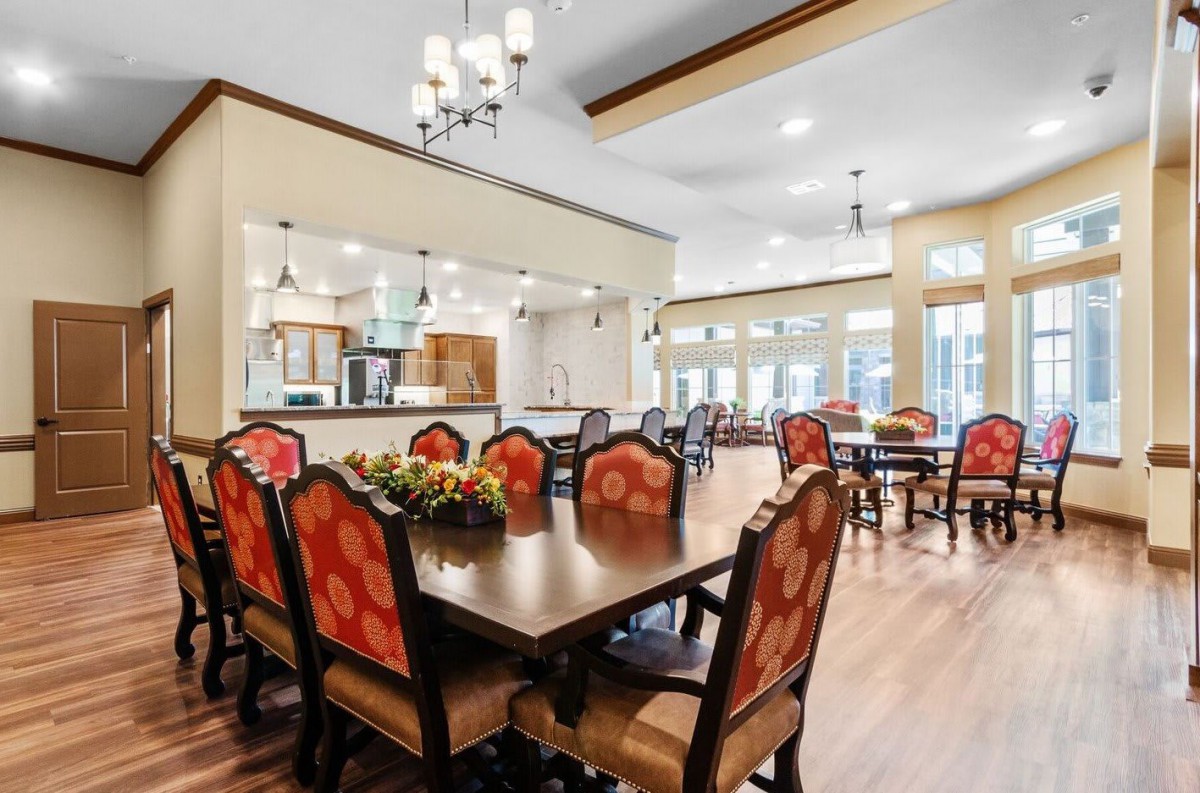
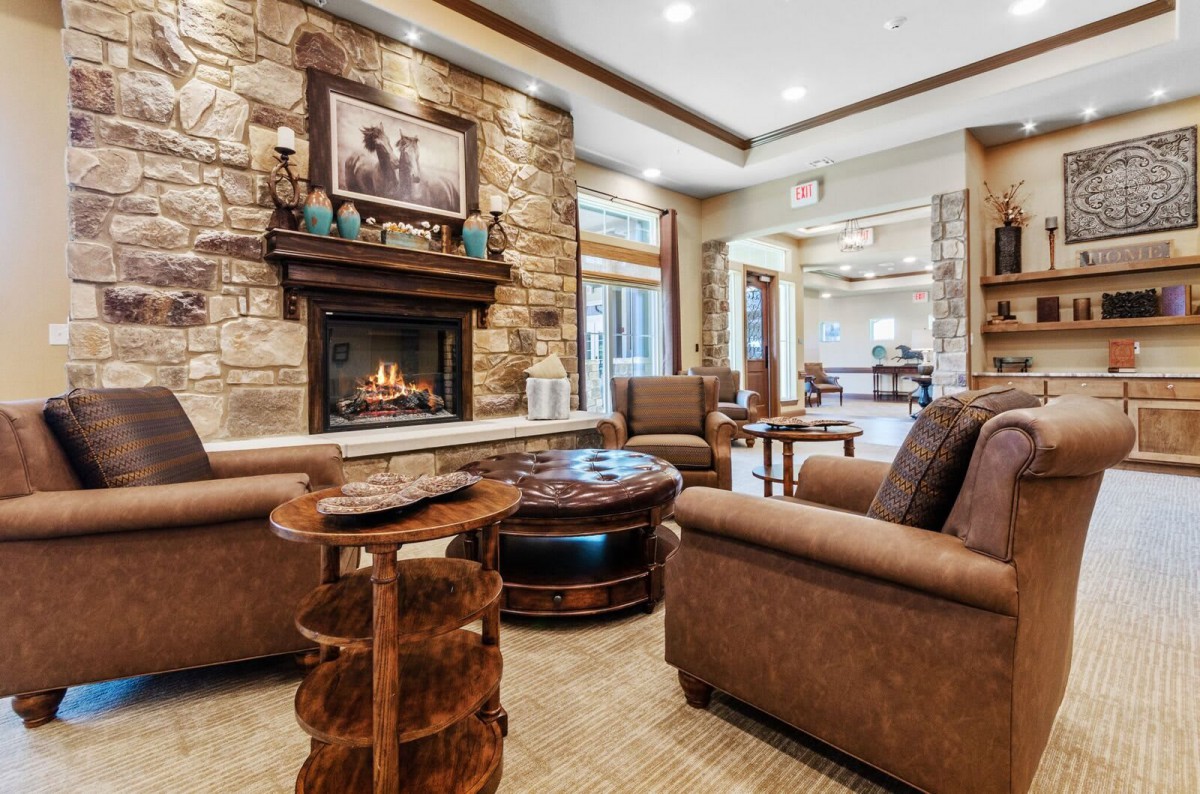
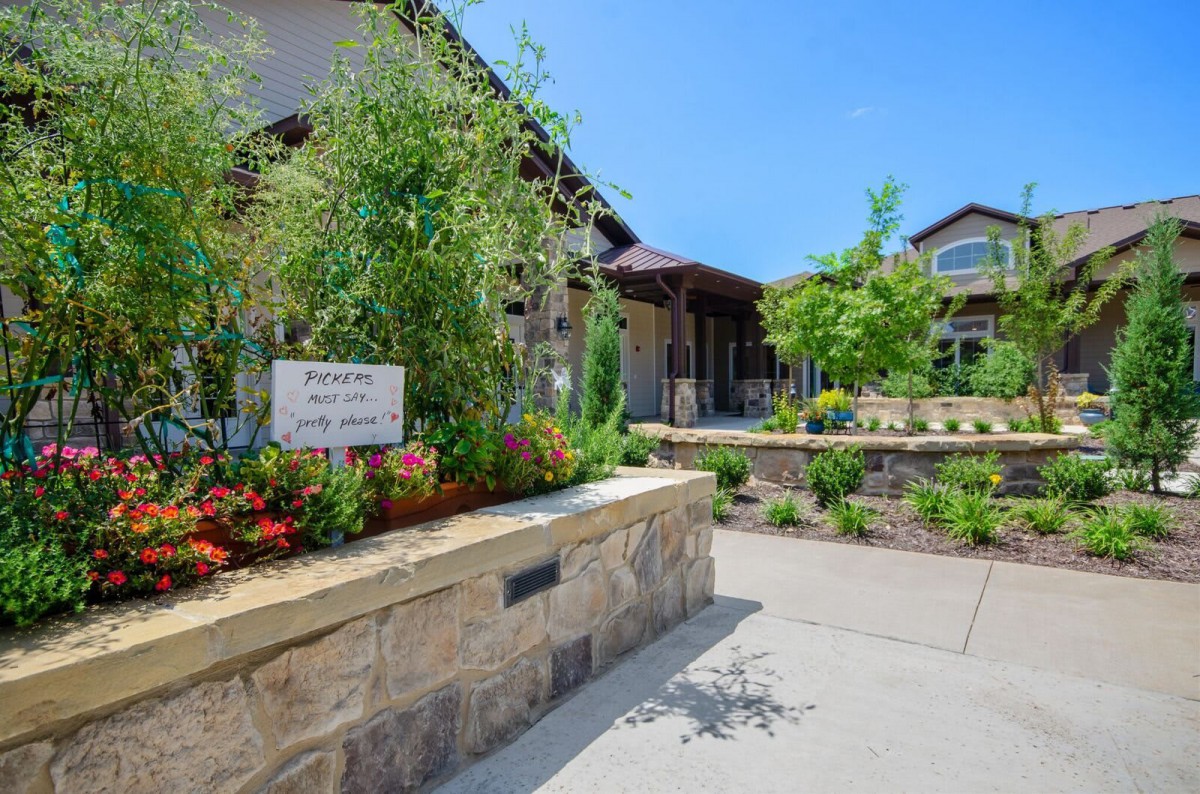
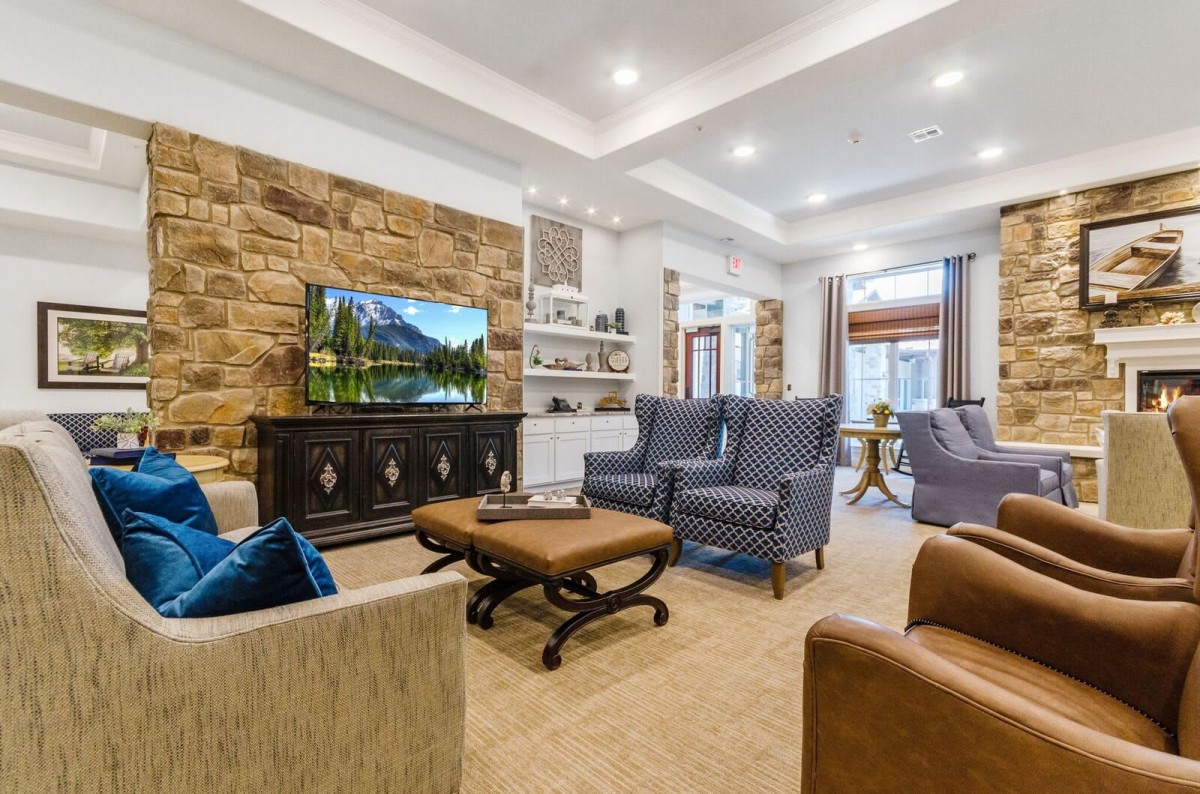
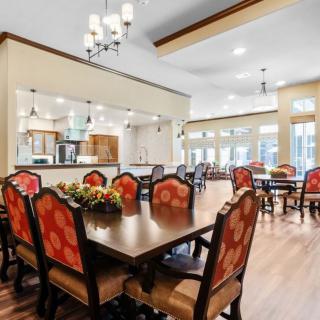
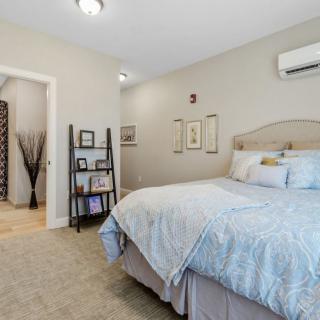
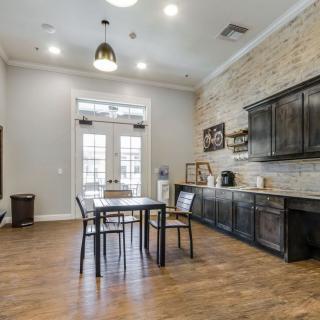
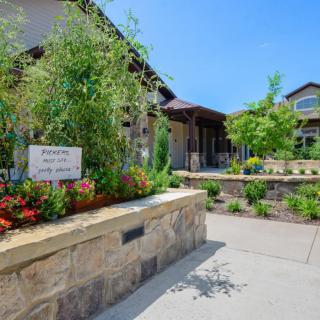
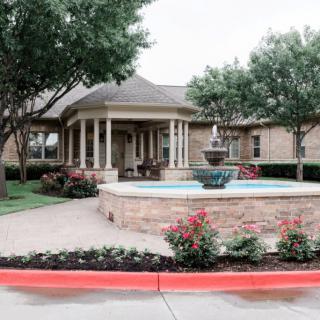
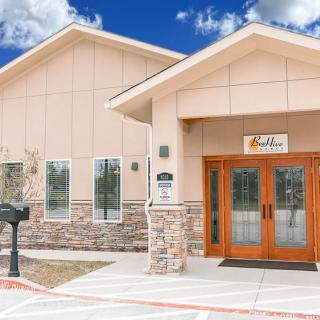
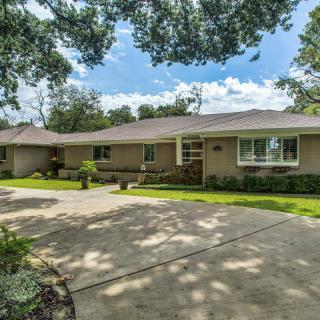
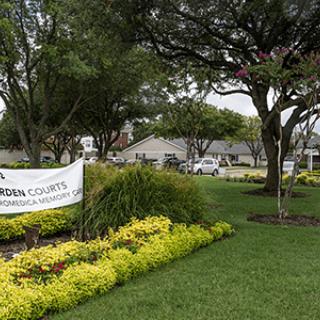
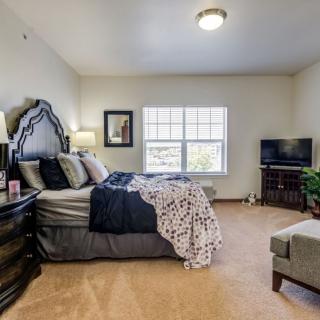
Grand Brook Memory Care Of Allen on seniors.fyi includes 16 photos including images showing interior, floor plan, decor, living room, room design, bedroom, bathroom, stone wall, and more.
Nearby Communities
The Belmont At Twin Creeks
Allen, TX
3.7 from 163 reviews
$4,500 to $5,700 / month
Attentive staff and strong therapy in an attractive, well-maintained facility.
Larkspur at Twin Creeks
Allen, TX
4.4 from 114 reviews
$1,650 to $2,001 / month
Friendly staff; comfortable apartments; active on-site/off-site programs; convenient location near dining and shopping.
Discovery Village at Twin Creek
Allen, TX
4.4 from 63 reviews
Clean, well-maintained facility with friendly, knowledgeable staff.
Discovery Village At Twin Creeks
Allen, TX
4.5 from 74 reviews
Friendly, active community with well-maintained facilities and engaging activities.
Alexis Estates Gracious Retirement Living
Allen, TX
4.7 from 93 reviews
$2,645 to $4,595 / month
Friendly, attentive staff in a clean, social community with on-site services.
The Heritage at Twin Creeks
Allen, TX
4.5 from 135 reviews
$4,175 to $5,875 / month
Friendly staff, engaging activities, and a clean, welcoming environment.
Emerald Cottages of Stonebridge
McKinney, TX
4.8 from 17 reviews
$3,300 / month
Home-like cottages with attentive staff and an active social life.
Legend of McKinney
McKinney, TX
4.7 from 99 reviews
$4,710 to $6,925 / month
Caring staff, tasty meals, and a warm, homelike atmosphere with engaging activities.
The article presents five subtle indicators of dementia, such as memory lapses and mood swings, to help families assess cognitive decline in loved ones. It emphasizes early detection, open communication, and seeking professional help while providing practical support steps.
Dementia encompasses progressive neurological disorders that impair cognitive functions and can lead to paranoia due to cognitive decline and emotional changes. The article discusses the triggers of paranoia in dementia, caregiver strategies for managing it, and the importance of distinguishing between dementia-related paranoia and other psychiatric conditions.
Memory care activities are essential for improving the quality of life of seniors with cognitive impairments, as they stimulate cognitive function, promote well-being, and encourage social interaction through tailored strategies. These activities combine structured exercises with spontaneous tasks, sensory engagement, physical workouts, creative pursuits, and intergenerational interactions to enhance emotional connection and a sense of purpose.
Get PricingAsk A QuestionSchedule A TourContact Senior Advisor
By clicking submit, you agree to our Partner's Terms of Use. You
also consent to receive calls and texts, which may be autodialed, from our Partner. Your consent is not a condition to
using our Partner's service. Please visit our Partner's Privacy Policy for information about their privacy practices.








 36 resident community capacity
 Assisted Living
 Memory Care
 Dogs allowed
 Activities off-site
 Air-conditioning
 Beautician on-site
 Cable or satellite TV
 Devotional services on-site
 Dining room
 Fully furnished
 Garden
 Ground floor units
 Handicap accessible
 Housekeeping services
 Indoor common areas
 Kitchenette
 Move-in coordination
 Outdoor common areas
 Respite or short term stays offered
 Telephone
 Wheelchair accessible showers
 Wi-Fi/high-speed internet available
 Dallas Love (21 miles away)
 24-hour call system
 Ambulatory care
 Assistance with bathing
 Assistance with dressing
 Assistance with transfers
 Diabetes diet
 Diabetic care
 High acuity care
 Incontinence care
 Meal preparation and service
 Medication management
 Mental wellness program
 Special dietary restrictions
 Transportation arrangement (medical)
 Transportation to doctors appointments
 Art classes
 Bible study group
 Cooking classes
 Day trips and outings
 Educational speakers / life long learning
 Karaoke
 Live well programs
 Visiting Rabbi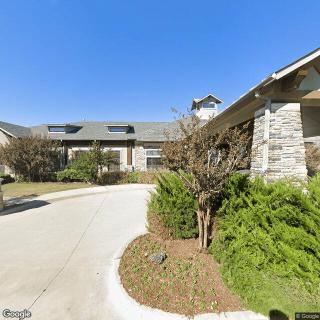
 Attentive staff and strong therapy in an attractive, well-maintained facility.




 Five Subtle Dementia Indicators to Observe: An In-Depth Guide to Understanding “Does My Mom Have Dementia?”
 Dementia, Paranoia, and Caregiver Guidance: Understanding the Connection
 Engaging Memory Care Activities That Enhance Quality of Life