For more information about senior living options: (866) 208-4318
4 from 63 reviews
5 stars
45
4 stars
1
3 stars
2
2 stars
2
1 stars
13
The Reserve At Spring Hill Costs & Pricing
At The Reserve At Spring Hill, the monthly costs for various room types present a competitive option compared to both Williamson County and the broader state of Tennessee. For a studio apartment, residents pay $2,990 per month, significantly lower than the county average of $3,740 and the state average of $3,485. In contrast, the pricing for a one-bedroom unit stands at $9,560, which is notably higher than both the county rate of $4,261 and Tennessee's average of $3,592. This discrepancy suggests that while The Reserve may offer an attractive price point for studio living, it positions itself differently in the market for larger accommodation options. Overall, potential residents may find appealing value in the studio offerings while needing to weigh their budget against the premium associated with one-bedroom units at this community.
Floor plans
The Reserve At Spring Hill
Williamson County
Tennessee
Studio
$2,990
$3,740
$3,485
1 Bedroom
$9,560
$4,261
$3,592
Overall Review of The Reserve At Spring Hill
differentiator6 reviews mention this
Physical therapy is a focus
Residents and patients describe structured physical therapy and hands-on support during rehab.
Multiple reviews mention that physical therapy helped patients regain strength after hospital stays or injuries. One resident describes one-on-one physical therapy with a therapist staying with them during exercises. Others specifically call out excellent physical therapy outcomes and day-to-day therapy involvement, including occupational and speech therapy. A separate review of a fall incident still credits physical therapy as kind and effective, while criticizing how other care elements were handled.
common5 reviews mention this
Food earns frequent compliments
Meals are consistently described as tasty, with residents getting choices and restaurant-like food.
Several reviews highlight food as a strong point, describing it as delicious and restaurant-like. Residents and family members also mention the chef and kitchen staff, and say the meals look fresh. One review says there are many choices and that residents can choose what they eat. Another family notes their loved one raves about the food after moving in.
caveat4 reviews mention this
Night care and call response
Some residents and families question how well the facility handles night supervision and timely responses.
While many reviews are positive, a few raise concerns about night coverage and whether help is provided promptly. One reviewer says they were told a family member would have to stay overnight to prevent wandering. Another describes a night fall and reports delayed communication to family afterward. A further review complains of long waits after calling for assistance in the evening, including instances where staff seemed inattentive to call signals.
How we summarize
Counts show how many written reviews mention each theme; a review can touch several themes, and only frequently mentioned themes are displayed.
Features
Housing
30 resident community capacity
Studio apartments
Types of Care
Assisted Living
Skilled Nursing Facility
Amenities
Activities on-site
Beauty salon
Cable or satellite TV
Devotional services off-site
Dining room
Fully furnished
Garden
Housekeeping services
Indoor common areas
Kitchenette
Move-in coordination
Outdoor space
Telephone
Wi-Fi/high-speed internet available
Care Services
24-hour call system
24-hour supervision
Activities of daily living assistance
Ambulatory care
Assistance with bathing
Assistance with dressing
Assistance with transfers
Coordination with health care providers
Diabetes diet
Diabetic care
Meal preparation and service
Medication management
Mental wellness program
Special dietary restrictions
Transportation arrangement (medical)
Transportation to doctors appointments
Dining
Diabetes diet
Meals provided
Special dietary restrictions
Activities
Activities on-site
Community-sponsored activities
Devotional activities offsite
Scheduled daily activities
Nearby Places of Interest
This part of Spring Hill, Tennessee, offers convenient access to a variety of healthcare services, including pediatricians, orthopedic clinics, family doctors, dermatologists, and oral surgery centers. Additionally, there are several pharmacies in close proximity for easy access to medications. Residents can also enjoy a range of dining options such as Burger King, McDonald's, Taco Bell, and more. For those looking to relax and unwind, there are cafes like The Fainting Goat Coffee and Panera Bread nearby. The area also boasts well-maintained parks like Harvey Park for outdoor activities. Transportation options are available through Alamo car rental services for added convenience. In case of emergencies or specialized medical needs, Maury Regional Hospital is located approximately 12.6 miles away. Overall, this neighborhood presents a combination of essential services and amenities suitable for senior living in Spring Hill.
Physicians
Columbia Pediatrics Columbia Pediatricsspring Hill Spring Hill (0.7 miles)
Mid-Tennessee Bone & Joint Clinic (0.7 miles)
America's Family Doctors (2.3 miles)
Spring Hill Dermatology (2.6 miles)
Spring Hill Oral & Maxillofacial Surgery (2.7 miles)
At The Reserve At Spring Hill, the monthly costs for various room types present a competitive option compared to both Williamson County and the broader state of Tennessee. For a studio apartment, residents pay $2,990 per month, significantly lower than the county average of $3,740 and the state average of $3,485. In contrast, the pricing for a one-bedroom unit stands at $9,560, which is notably higher than both the county rate of $4,261 and Tennessee's average of $3,592. This discrepancy suggests that while The Reserve may offer an attractive price point for studio living, it positions itself differently in the market for larger accommodation options. Overall, potential residents may find appealing value in the studio offerings while needing to weigh their budget against the premium associated with one-bedroom units at this community.
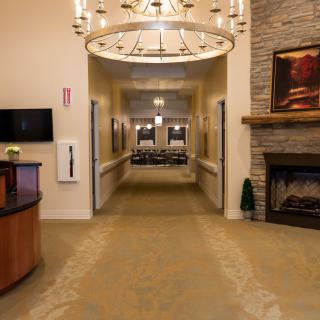
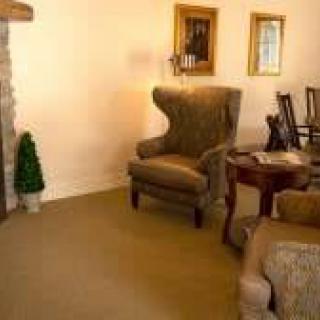
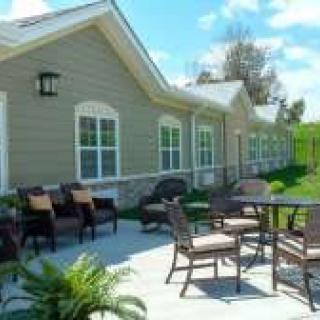
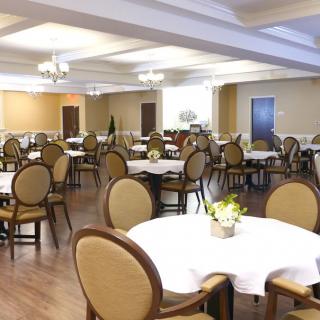
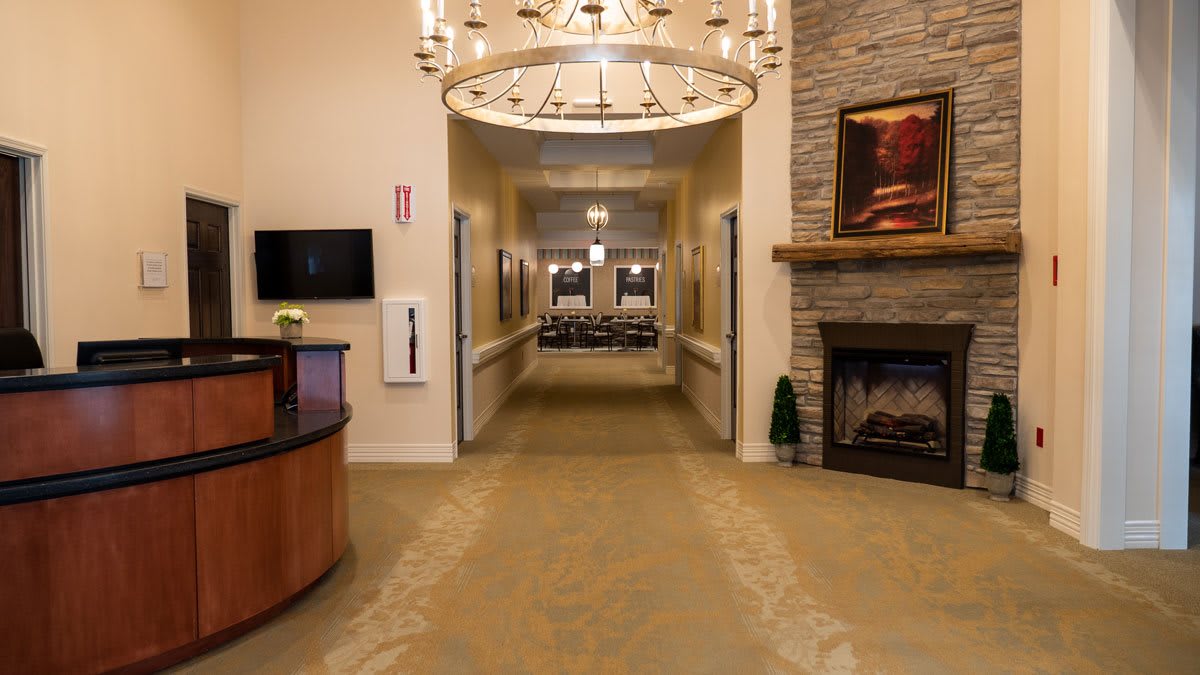
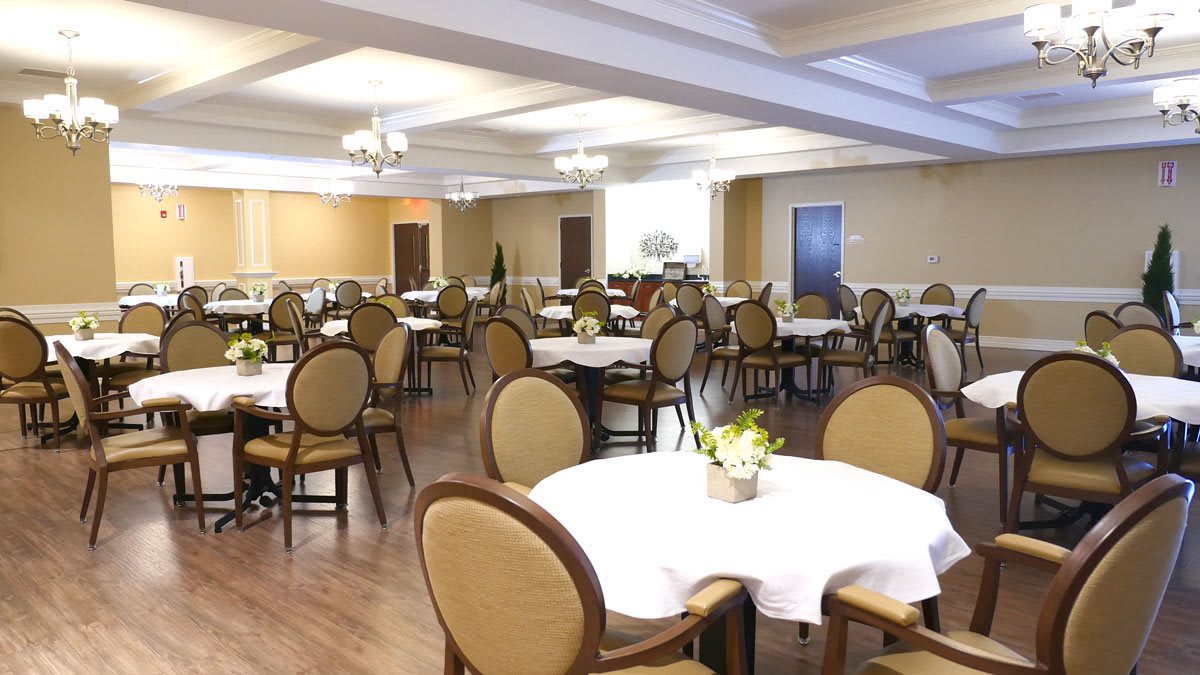
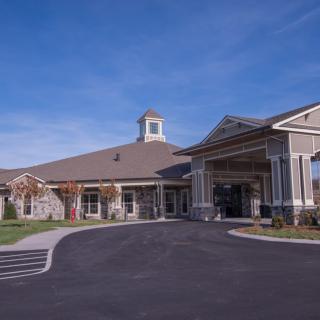
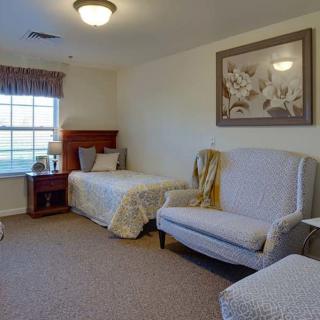
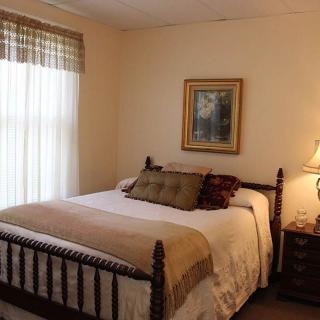
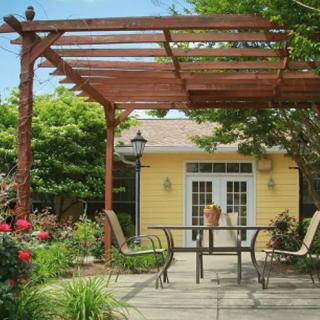
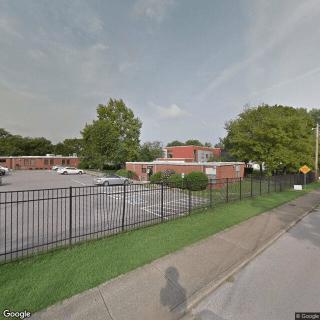
The Reserve At Spring Hill on seniors.fyi includes 5 photos including images showing decor, interior, dining, chandelier, fireplace, hallway, reception area, living room, and more.
Nearby Communities
Morning Pointe Of Spring Hill
Spring Hill, TN
4.9 from 45 reviews
Comprehensive memory-care program with 24/7 staff and restaurant-style dining.
The Goldton at Spring Hill
Spring Hill, TN
4.5 from 112 reviews
$2,800 to $5,500 / month
Friendly, caring staff in a clean, modern setting with engaging activities and strong dining.
Morning Pointe of Spring Hill
Spring Hill, TN
4.8 from 42 reviews
$2,995 to $4,095 / month
Engaging Main Street design with active activities and affordable pricing.
Del Webb Southern Springs
Spring Hill, TN
4.4 from 70 reviews
Integrated care with meals, medication management, housekeeping, and reliable Wi-Fi.
Willow Springs Senior Living
Spring Hill, TN
4.3 from 54 reviews
$3,400 to $5,100 / month
Caring staff with strong communication and all-inclusive services
Home Instead TN Franklin
Franklin, TN
4.6 from 107 reviews
Generally prompt, caring caregivers and cooperative administration.
Poplar Estates Retirement Center
Columbia, TN
4.7 from 6 reviews
$1,700 to $2,600 / month
Compassionate, personalized care with memory-care options.
Belvedere Commons of Franklin
Franklin, TN
3.8 from 118 reviews
$2,800 to $3,915 / month
Caring staff and a clean, quiet environment with good value for the Franklin area.
Claiborne & Hughes Nursing & Rehabilitation Center
Franklin, TN
3.6 from 79 reviews
$5,100 to $5,400 / month
Strong nursing and therapy care with long-tenured staff, plus high cleanliness and regular updates.
Assisted living facilities provide support for older adults needing help with daily activities without extensive medical care, but their costs can be high and vary by location and services offered. Families often seek various funding options and financial strategies to manage these expenses effectively while considering future needs and potential price increases.
The article discusses assisted living expenses, the importance of long-term care insurance in covering these costs, and various financing options, highlighting the need for careful policy review and early planning to address potential needs. It also clarifies common misconceptions about Medicare and private health insurance limitations regarding long-term care coverage.
Assisted living facilities offer crucial support for older adults needing help with daily activities but come with varying and significant costs, which can be financed through personal savings, government assistance programs, long-term care insurance, and home equity options. Professional guidance from experts can aid families in navigating these financial complexities to establish a sustainable budgeting approach for assisted living services.
Chandelier, Fireplace, Lobby, Hallway, and Reception Area
Get PricingAsk A QuestionSchedule A TourContact Senior Advisor
By clicking submit, you agree to our Partner's Terms of Use. You
also consent to receive calls and texts, which may be autodialed, from our Partner. Your consent is not a condition to
using our Partner's service. Please visit our Partner's Privacy Policy for information about their privacy practices.

 30 resident community capacity
 Studio apartments
 Assisted Living
 Skilled Nursing Facility
 Activities on-site
 Beauty salon
 Cable or satellite TV
 Devotional services off-site
 Dining room
 Fully furnished
 Garden
 Housekeeping services
 Indoor common areas
 Kitchenette
 Move-in coordination
 Outdoor space
 Telephone
 Wi-Fi/high-speed internet available
 24-hour call system
 Ambulatory care
 Assistance with bathing
 Assistance with dressing
 Assistance with transfers
 Diabetes diet
 Diabetic care
 Meal preparation and service
 Medication management
 Mental wellness program
 Special dietary restrictions
 Transportation arrangement (medical)
 Transportation to doctors appointments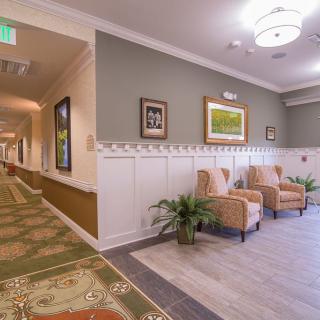
 Comprehensive memory-care program with 24/7 staff and restaurant-style dining.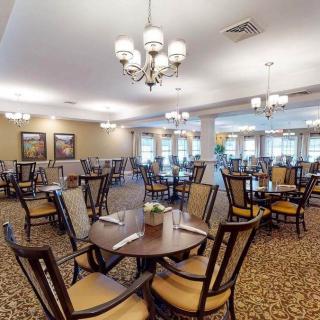


 Funding and Affording Assisted Living: A Thorough Overview
 Assisted Living Expenses and Long-Term Care Insurance: A Comprehensive Exploration
 Securing Financial Support for Assisted Living: A Comprehensive Overview