
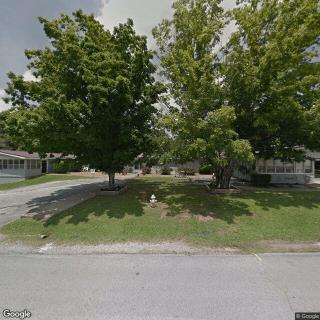
311 Colloredo Boulevard, Shelbyville, TN 37160
For more information about senior living options: (866) 208-4318
Overall Review of 68 Carriage House Inn
Pros
 Carriage House is described as a very friendly place.
- The grandmother has resided at Carriage House for over four years.
- Her family is very grateful for the excellent care she receives.
Cons
 They describe the food given to residents as hit-or-miss and heavily sugared.
- They say sugar and processed foods are the worst for dementia patients.
- They report memory-care residents push the food away and call it slop.
- They feel paying so much to get slop to eat is sad.
- They believe the sugar-laden diet worsens dementia and is detrimental.
- They suggest the facility should be reported to the state for nutritional oversight.
Review
This community is best suited for families seeking a warm, home-like atmosphere where day-to-day routines and steady caregiver relationships matter most. Carriage House Inn tends to deliver a human-scale, personable experience rather than a high-polish clinical setting. The strongest case for choosing this community rests on the continuity residents enjoy: staff who recognize names, long-tenured aides who repeatedly address the same small-circle needs, and a culture that prioritizes companionship as much as oversight. For memory-care residents, the established rhythms and familiar faces can reduce agitation and confusion, while relatives appreciate ongoing, transparent communication about daily life, milestones, and needs. In short, this is the kind of place where a resident’s sense of belonging becomes a meaningful thread through each day, not merely a supervisory arrangement.
That warmth comes with caveats. Families focused on nutrition specifically tailored to dementia or other medical conditions may want to explore other options, because meals here have drawn sharp critique. Reports describe sugar-heavy menus that residents and family members view as counterproductive to cognitive health, and at least one review questions the adequacy of the overall diet. If evidence-based dietary management and transparent menu planning are top priorities, the absence of consistent alignment between claims of nutrition seriousness and actual resident experience can be a red flag. Another family consideration is administrative responsiveness. Several comments suggest frustration with how concerns are handled by leadership, which can be a decisive factor for households needing rapid issue resolution or clear, proactive communication.
Yet the strongest positives sustain the case for Carriage House Inn. Multiple reviewers describe the community as very friendly, noting a genuine warmth in daily interactions. A family recounts four-plus years of residency with a demonstrably grateful attitude toward the care provided, signaling reliability, stability, and the kind of trust that makes long-term placement feasible. The social atmosphere and personalized attention appear to translate into meaningful quality of life for residents who respond well to routine and companionship. When care is steady and staff know preferences, from meals to activity schedules, these factors can offset concerns about budgetary or bureaucracy-driven shortcomings. For families evaluating trade-offs, the human connection often matters more in daily life than occasional lapses in programmatic rigor.
Nevertheless, nutrition is not a minor consideration; it touches the core of health for many seniors, especially those with dementia. The critique about sugar and processed foods is not incidental: cognitive decline and metabolic stress can accelerate under less-than-ideal diets. The reviews imply a gap between promises of nutritional seriousness and lived experience, plus an impression that leadership may be less receptive to concerns than desired. This dynamic matters most when memory care requires careful food planning, hydration, and monitoring of weight and other health indicators. Where the community shows strength, staff familiarity, consistent routines, and a warm living environment, it also reveals a vulnerability: the need for a transparent, collaborative approach to nutrition and issue resolution to maintain trust over time.
To translate these impressions into a confident choice, families should pursue concrete information before moving in. Request a sample menu and a walk-through of the weekly plan, with details on portion sizes, desserts, and any sugar-reduction options for residents with dietary restrictions. Seek a candid conversation with the administrator and, if possible, the dietary director, about how nutrition is overseen and adjusted for dementia care. Inquire how concerns are tracked and escalated, and ask for references from current families who can speak to responsiveness. If feasible, arrange a short trial stay or regular visiting hours to gauge real-time interactions, meal quality, and the staff’s responsiveness. A complete view emerges only when nourishment, engagement, and oversight align in daily life.
When weighed against its strengths, Carriage House Inn serves as a practical, patient-centered option for families prioritizing warmth, stability, and long-term relationships in Shelbyville. The community’s track record of friendly staff and durable resident attachment offers real value for seniors who flourish in familiar surroundings. The cautions around nutrition and leadership responsiveness are not trivial; they are decisive for households where diet quality and transparent problem-solving define satisfaction. If these concerns can be addressed, through clearer menu planning, ongoing nutrition oversight, and more proactive family communication, this facility aligns well with memory-care needs grounded in routine, social engagement, and dependable caregiving. For those whose expectations center on dietary rigor or highly responsive administration, it is prudent to explore alternatives with stronger nutrition programs and more transparent governance, even while recognizing the overall favorable field of care Carriage House Inn represents.
 49 resident community capacity
 Assisted Living
 Beauty salon
 Cable or satellite TV
 Dining room
 Fully furnished
 Garden
 Housekeeping services
 Kitchenette
 Move-in coordination
 Outdoor space
 Telephone
 Wi-Fi/high-speed internet available
 24-hour call system
 Activities of daily living assistance
 Assistance with bathing
 Assistance with dressing
 Assistance with transfers
 Diabetes diet
 Meal preparation and service
 Medication management
 Mental wellness program
 Special dietary restrictions
 Transportation arrangement (medical)
 Transportation to doctors appointments







 When to Transition from Assisted Living to Memory Care: Key Indicators, Steps, and Finding the Right Community
 Assisted Living and Memory Care: Understanding Their Core Differences
 Beyond the Bingo Hall: 50+ Enriching Activities for Seniors in Assisted Living