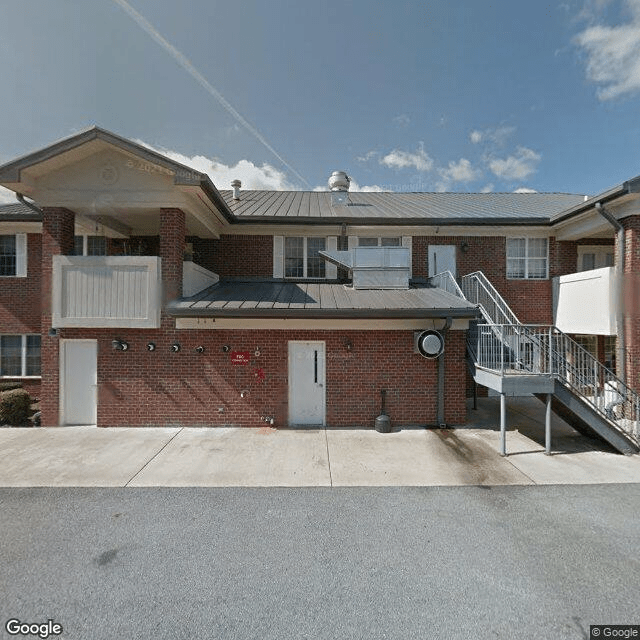
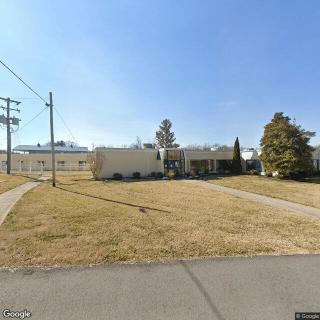
201 Richland Lake Drive, Portland, TN 37148
For more information about senior living options: (866) 208-4318
Richland Place Senior Living Center Costs & Pricing
Richland Place Senior Living Center offers competitive pricing for its residents compared to the broader market in Sumner County and across Tennessee. The monthly cost for a studio apartment at Richland Place is $2,300, which is significantly lower than the average rates of $3,714 in the county and $3,485 statewide. For those seeking more space, a one-bedroom unit at Richland Place is priced at $2,700, again showcasing a favorable comparison to the local average of $4,058 and the state average of $3,592. These pricing structures not only reflect an attractive option for seniors looking for quality living arrangements but also underscore Richland Place's commitment to providing affordable care within a supportive community environment.
| Floor plans | Richland Place Senior Living Center | Sumner County | Tennessee |
|---|---|---|---|
| Studio | $2,300 | $3,714 | $3,485 |
| 1 Bedroom | $2,700 | $4,058 | $3,592 |
Assisted Living communities with a similar price nearby
-
from +$340 / mo
Morningside of Springfield
$2,640 to $3,295 / month22.0 miles away -
from +$100 / mo
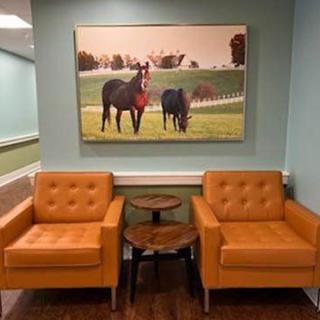
Legacy Village of Hendersonville
$2,400 to $3,195 / month17.9 miles away -
from -$100 / mo
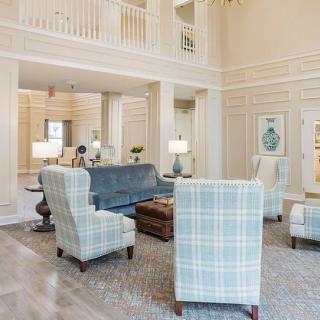
Cadence at Rivergate
$2,200 to $3,300 / month21.6 miles away -
from -$300 / mo
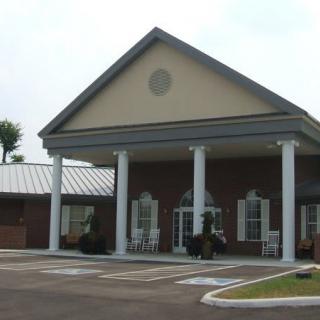
Trousdale Senior Living Center
$2,000 to $4,500 / month22.7 miles away -
from -$300 / mo
The Place at Crossfield
$2,000 to $2,500 / month21.1 miles away
Overall Review of Richland Place Senior Living Center
Pros
 Mama feels at home there.
- The staff loves and cares for her.
- Everyone there is wonderful to the family.
- The food is wonderful, and the dietary staff is happy to provide alternatives.
- They have wonderful activities, both on the property and off.
- The administrator makes every effort to get to know the residents and their families and tries diligently to accommodate requests.
Cons
 The facility is described as behind the times and relies on techs, not nurses, to administer medications.
- It has only one nurse on duty, and that nurse is there only part-time.
- The administrator is sometimes helpful, but at times it feels like residents are a bother.
- Activities are inadequate and the same ones occur every month.
- The staff is not trained properly.
- Some staff members seem to be there only for the paycheck and lack proper training or education.
- Wages are low, with a call for more training and bonuses to attract and retain staff.
- Caregivers are not qualified or trained to work with dementia patients.
- Dementia management includes lockdown halls and restricted access, which limits residents’ movement.
- Residents have been left unattended or in unsafe situations that could lead to falls, such as being left on the toilet or in the shower longer than necessary.
- The dining options lack variety, repeating chicken dishes with little diversity.
Review
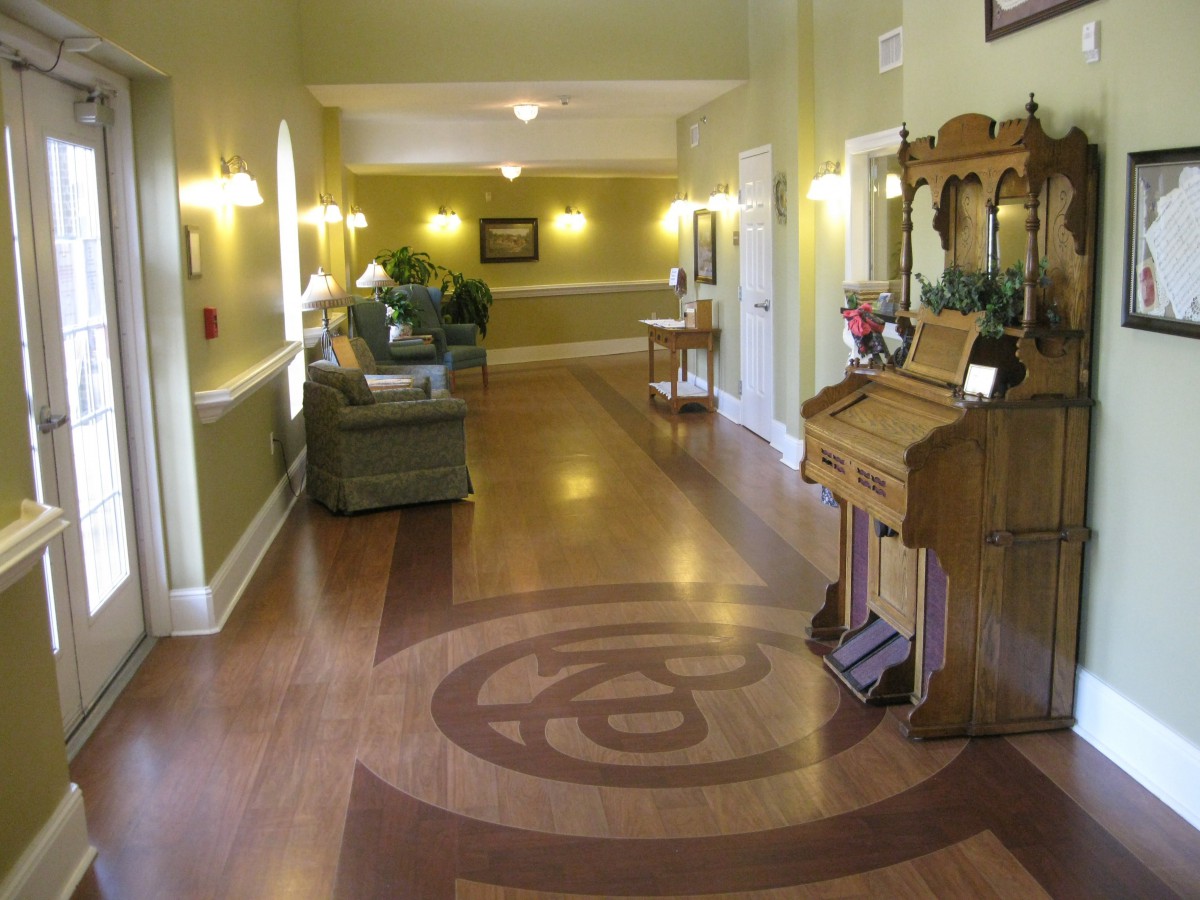
Richland Place is best suited for seniors who want a warm, home-like environment and can manage daily living with light assistance, while prioritizing a caring, engaged staff and a schedule of accessible activities. It fits residents who do not require around-the-clock nursing oversight or specialized memory-care services, and who value strong family involvement and open communication with the administration. Families should consider alternatives if a loved one needs consistent licensed nursing coverage, complex medical monitoring, or dedicated memory-care programming with secure dementia-specific housing.
What stands out positively are the staff relationships and the sense of community. Families repeatedly praise caregivers for genuine warmth, attentiveness, and kindness, with residents often described as feeling safe and well cared-for. The administrator’s accessibility and willingness to engage with families emerge as a core strength, helping to resolve issues and keep families informed. Residents enjoy meals that many describe as high quality, and the dining experience is complemented by a robust menu that can accommodate substitutes. Activity options are evident, with on-site and off-site outings that create a social rhythm rather than a static routine, contributing to a lively, participatory atmosphere.
Yet significant cautions temper the favorable impression. Medication management relies on tech staff rather than full-time licensed nurses, with only a single nurse on site part-time. That gap creates real concerns about timely medical oversight, dose accuracy, and the ability to respond to health changes quickly. Staffing quality is not uniformly consistent; some aides and caregivers are highly capable, but others show gaps in training, especially around dementia care and acute safety issues. Reports of residents being left unattended or not receiving timely assistance underline a risk profile that families must weigh carefully, especially for those with mobility or memory challenges. The care model appears to struggle when behavioral or cognitive needs intensify.
These strengths and weaknesses do not cancel each other out; they simply balance differently depending on a resident’s profile. For a relatively healthy senior who needs occasional medication help and companionship, Richland Place can deliver a dependable, affectionate environment with meaningful engagement. For a loved one living with dementia or requiring daily, on-site medical monitoring, the gaps in licensed nursing coverage and dementia-specific programming may be too large to overlook. In such cases, the potential benefits of a nurturing community could be undermined by safety and care consistency concerns.
Families evaluating Richland Place should enter with a concrete plan to verify nursing coverage and memory-care readiness. Key questions should include: how many licensed nurses are on-site per shift, what the exact medication administration process is, and whether a clinician is available for urgent medical questions. Tour spaces dedicated to memory care if applicable, observe how staff respond to residents who need help with mobility or daily tasks, and assess the variety and responsiveness of dining options beyond what’s listed in the marketing materials. Ask about staff training programs, turnover rates, and whether the administration has a roadmap for advancing clinical capabilities or adding on-site specialists.
Bottom line: Richland Place excels at warmth, reliability, and resident-family connectedness, delivering a dependable daily life with strong social energy. It is a compelling choice for seniors who prize a caring culture and a homey setting and who do not require constant, licensed medical oversight. For families confronting dementia care needs or those insisting on robust on-site nursing and precise clinical management, exploring alternatives with dedicated memory-care offerings and steadier licensed coverage is strongly advisable. The facility’s strengths are real, but the decision hinges on whether the expected medical and cognitive support aligns with a loved one’s specific care trajectory.
 64 resident community capacity
 1-bedroom apartments
 Assisted Living
 Cats allowed
 Dogs allowed
 Activities off-site
 Air-conditioning
 Beautician on-site
 Cable or satellite TV
 Computer center
 Devotional services on-site
 Dining room
 Financial aid
 Fitness room
 Fully furnished
 Gaming room
 Garden
 Housekeeping services
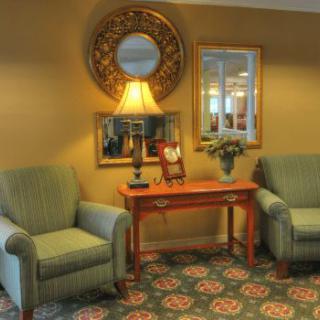
 Indoor common areas
 Kitchenette
 Laundry
 Move-in coordination
 Outdoor common areas
 Private bathrooms
 Restaurant-style dining
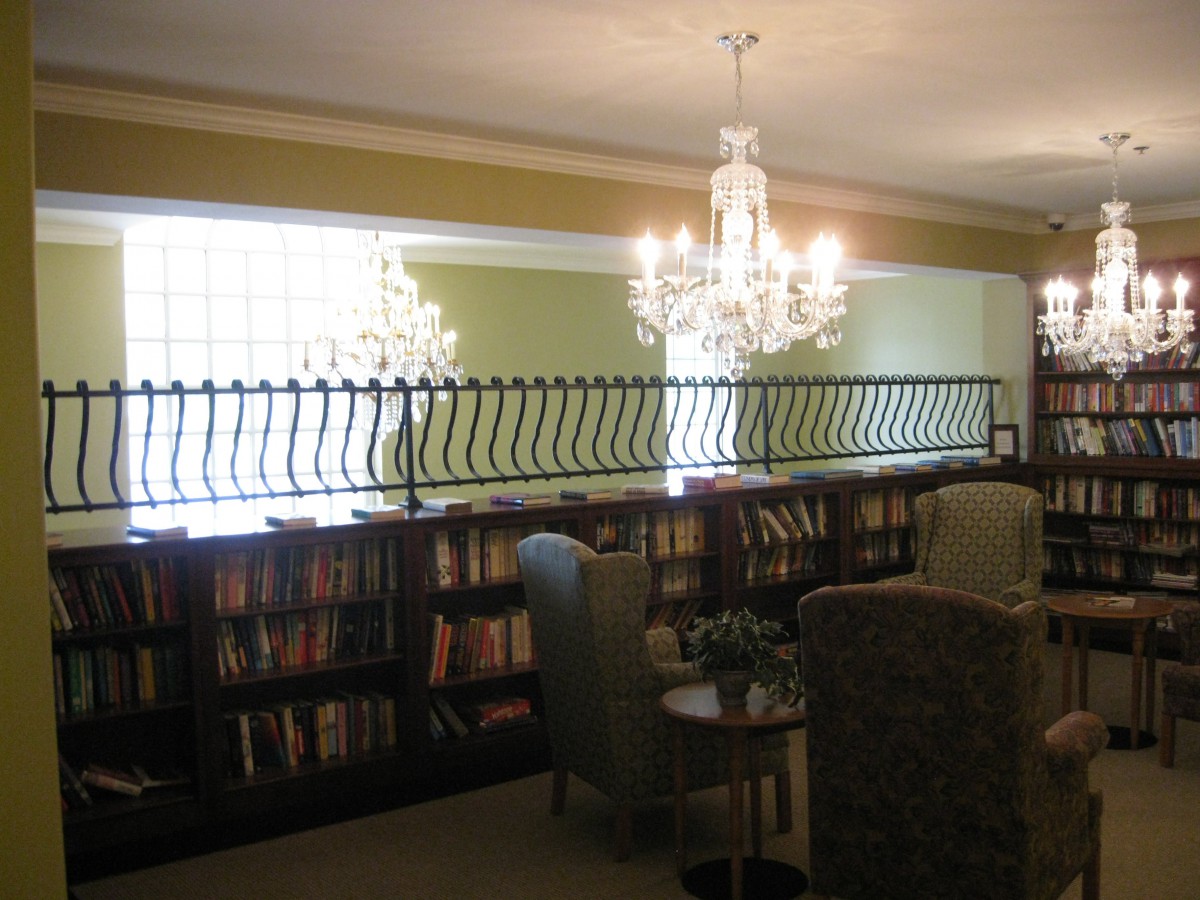
 Small library
 Telephone
 Wellness center
 Wi-Fi/high-speed internet available
 Community operated transportation
 24-hour call system
 Ambulatory care
 Assistance with bathing
 Assistance with dressing
 Assistance with transfers
 Diabetes diet
 Diabetic care
 Incontinence care
 Medication management
 Special dietary restrictions
 Concierge services
 Planned day trips
 English



 Understanding the Distinctions: Assisted Living and Memory Care Explained
 Guiding Elderly Parents Who Refuse Assisted Living: 6 Practical Steps
 Your Comprehensive Guide to Luxury Assisted Living: Elevated Facilities, Amenities, and Costs