Wellington Manor Assisted Living offers competitive pricing for its services, particularly when compared to both Jefferson County and the broader state of Tennessee. For a semi-private room, residents can expect a monthly cost of $2,595, which is slightly lower than the county average of $2,644 and significantly more affordable than the state average of $3,162. Additionally, the studio option at Wellington Manor is priced at $3,295 - also offering savings in comparison to the county's average of $2,838 and a notable difference from the state's higher average rate of $3,485. These figures highlight Wellington Manor's commitment to providing quality care at a reasonable price point within the local marketplace.
Floor plans
Wellington Manor Assisted Living
Jefferson County
Tennessee
Semi-Private
$2,595
$2,644
$3,162
Studio
$3,295
$2,838
$3,485
Memory care communities with a similar price nearby
Overall Review of Wellington Manor Assisted Living
common
Staff kindness is a consistent theme
Residents and families consistently describe staff as kind, attentive, and supportive.
Across the reviews, families emphasize how warmly staff members respond to questions, comfort residents, and help with day-to-day needs. Several reviewers also mention communication and follow-up, describing staff as quick to return calls and keep families informed. A few comments specifically highlight compassion and respect for residents’ dignity.
common
Daily activities keep residents engaged
Residents participate in frequent activities and off-site outings.
Many reviews mention that residents stay busy with planned activities, including events led by an activity director and group time together. Reviewers also point to variety, describing music, drawing, and other scheduled options. The community offers community-sponsored activities and day trips and outings, which aligns with the focus residents describe.
common
Dining works for multiple diets
Dining is frequently praised, including options for special dietary needs.
Several residents and families describe meals as good and note that alternatives are available when someone can’t have what’s on the main menu. Multiple comments also reference accommodating dietary restrictions, and some reviewers mention that alternatives are readily provided. The community offers restaurant-style dining and meal programs tied to different dietary needs, which matches what families say they experience.
differentiator
Care for memory care needs
Families mention attentive support for dementia and memory-care situations.
Reviews specifically call out memory care, describing staff going out of their way for residents with dementia and providing ongoing help. Some reviewers describe the memory care wing as small and also mention that they felt supported with changes and transitions. The community provides assistance with daily activities, medication management, and incontinence care, and it offers memory care alongside assisted living.
caveat
Pricing feels high for some families
Some families feel the overall cost is more than expected.
While a few reviews mention choosing the community because of price, others describe it as expensive—particularly in relation to how apartments are set up. One family also raised concerns about the food not meeting expectations for freshness, even while still recommending the community. The listed pricing range is below county and state averages in the provided deltas, but the reviews show that affordability still depends on the unit and what families expected to include.
How we summarize
We summarize when many written reviews mention each theme; a review can touch several themes, and only frequently mentioned themes are displayed.
Features
Housing
60 resident community capacity
Studio apartments
Types of Care
Assisted Living
Memory Care
Amenities
Activities off-site
Activities on-site
Air-conditioning
Beautician on-site
Beauty salon
Cable or satellite TV
Computer center
Devotional services off-site
Devotional services on-site
Dining room
Fitness room
Fully furnished
Gaming room
Garden
Ground floor units
Housekeeping services
Indoor common areas
Kitchenette
Laundry
Move-in coordination
Outdoor common areas
Outdoor space
Party space
Private bathrooms
Respite or short term stays offered
Restaurant-style dining
Small library
Telephone
Wellness center
Wheelchair accessible showers
Wi-Fi/high-speed internet available
Transportation
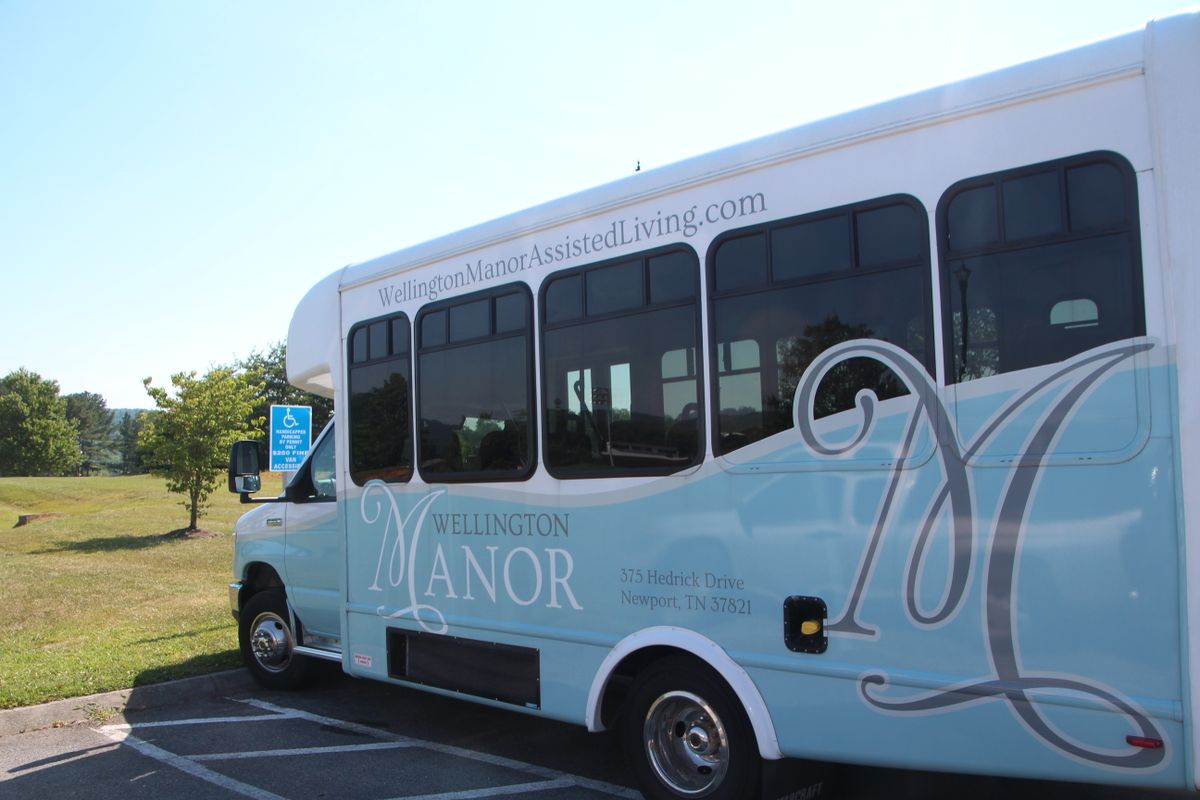
Community operated transportation
Transportation & parking
Transportation arrangement
Care Services
24-hour call system
24-hour supervision
Activities of daily living assistance
Ambulatory care
Assistance with bathing
Assistance with dressing
Assistance with transfers
Diabetes diet
Diabetic care
Incontinence care
Meal preparation and service
Medication management
Personal care assistants
Physical therapy
Special dietary restrictions
Dining
Diabetes diet
Gluten-free
Guest meals
Low / no sodium
Meals provided
No Sugar
Restaurant style dining
Room service
Special dietary restrictions
Special dining programs
Activities
Activities off-site
Art classes
Community-sponsored activities
Concierge services
Cooking classes
Day trips and outings
Devotional activities offsite
Devotional activities on-site
Fitness programs
Forever fit
Live dance or theater performances
Live musical performances
Live well programs
Other religious services
Planned day trips
Religious services
Resident-run activities
Scheduled daily activities
Visiting chaplain or priest
Languages Spoken
English
Videos
Nearby Places of Interest
Located in Newport, Tennessee, this area offers convenient access to various amenities and services. With several pharmacies nearby such as CVS Pharmacy and Walgreens, seniors can easily access their medications and health care needs. There are also multiple physicians' offices within close proximity, including Summit Medical Group and Tennova General Surgery, ensuring quality medical care is readily available. In terms of leisure activities, there are restaurants like Sonic Drive-In and Taco Bell for dining options, as well as Newport City Park for outdoor recreation. Additionally, Baptist Hospital of Cocke County and Newport Medical Center provide accessible healthcare services. Overall, this area provides a mix of essential facilities that cater to the needs of older adults considering senior living in the Newport area.
Wellington Manor Assisted Living offers competitive pricing for its services, particularly when compared to both Jefferson County and the broader state of Tennessee. For a semi-private room, residents can expect a monthly cost of $2,595, which is slightly lower than the county average of $2,644 and significantly more affordable than the state average of $3,162. Additionally, the studio option at Wellington Manor is priced at $3,295 - also offering savings in comparison to the county's average of $2,838 and a notable difference from the state's higher average rate of $3,485. These figures highlight Wellington Manor's commitment to providing quality care at a reasonable price point within the local marketplace.
The features offered by Wellington Manor Assisted Living play a crucial role in supporting residents with dementia or Alzheimer's disease by providing a structured and supportive environment tailored to their unique needs. With 24-hour supervision, residents benefit from constant oversight, ensuring safety and immediate assistance during any moments of confusion or distress. Assistance with activities of daily living, such as bathing and dressing, promotes dignity while helping residents maintain personal hygiene and appearance, which can enhance self-esteem. Safe transfers ensure mobility is supported without risking injury, while incontinence care addresses a significant concern for many families, thus minimizing discomfort and promoting well-being. Meal preparation and service ensure that nutritional needs are met with meals that are both appealing and appropriately timed. Medication management helps prevent errors that could adversely affect health outcomes, while physical therapy can aid in maintaining mobility and overall physical health, contributing to enhanced quality of life for residents in varying stages of cognitive decline. Each feature collectively fosters an environment where residents feel cared for, secure, and respected.
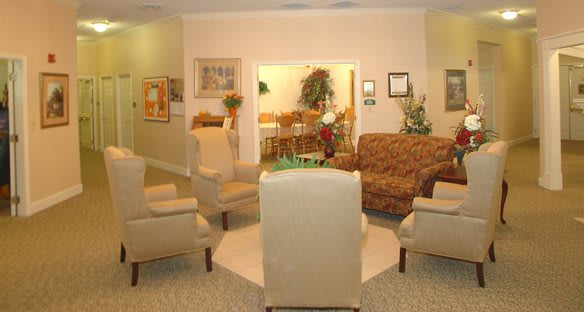
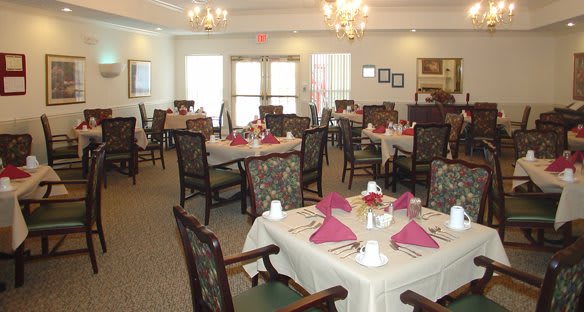
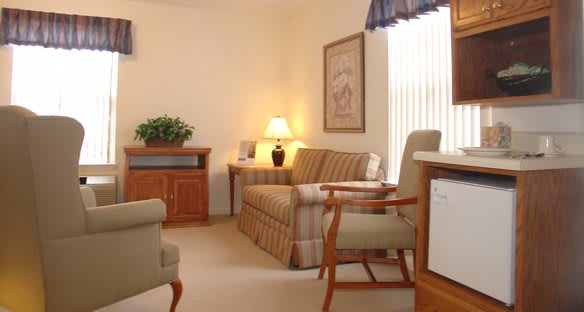
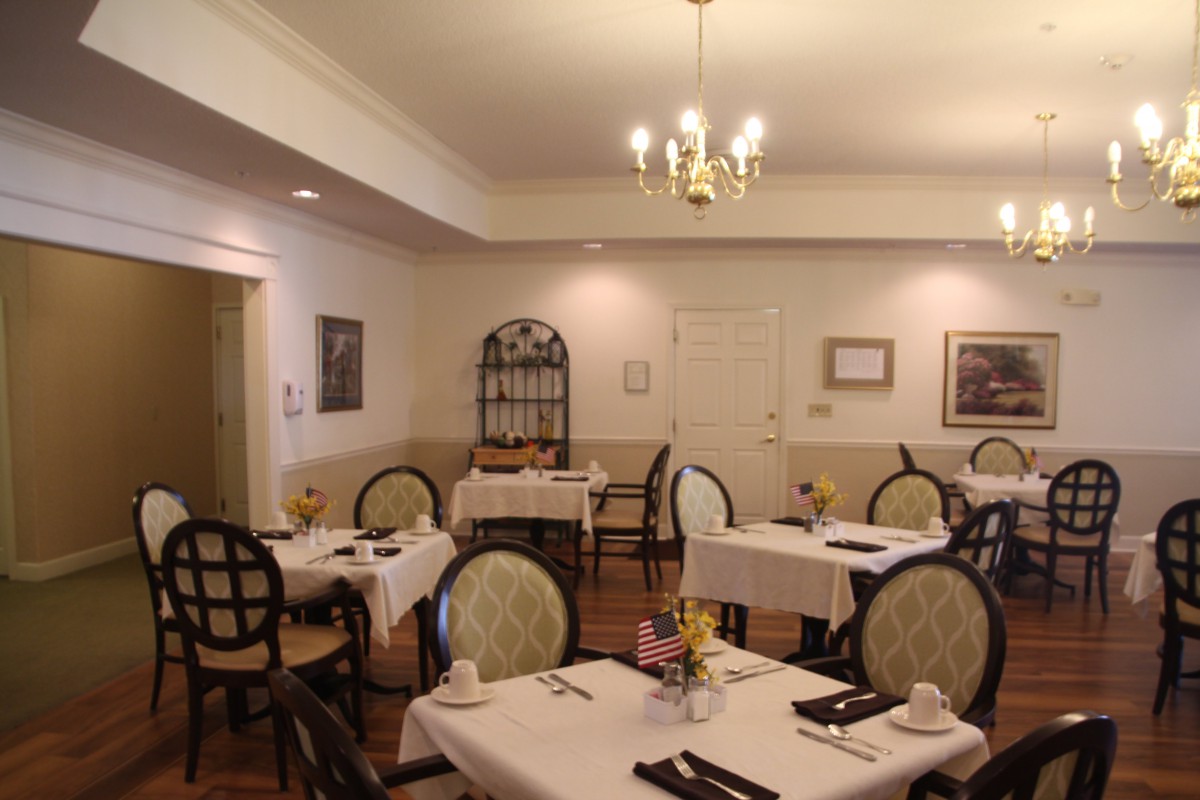
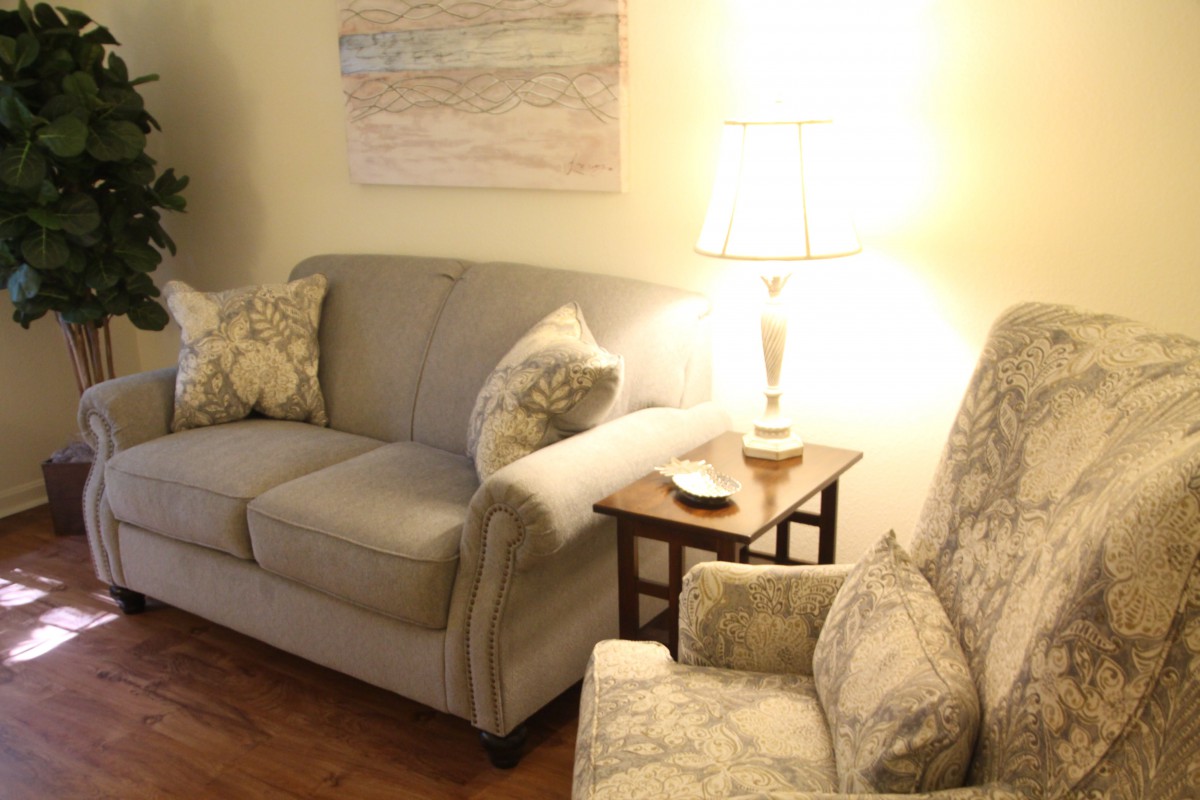
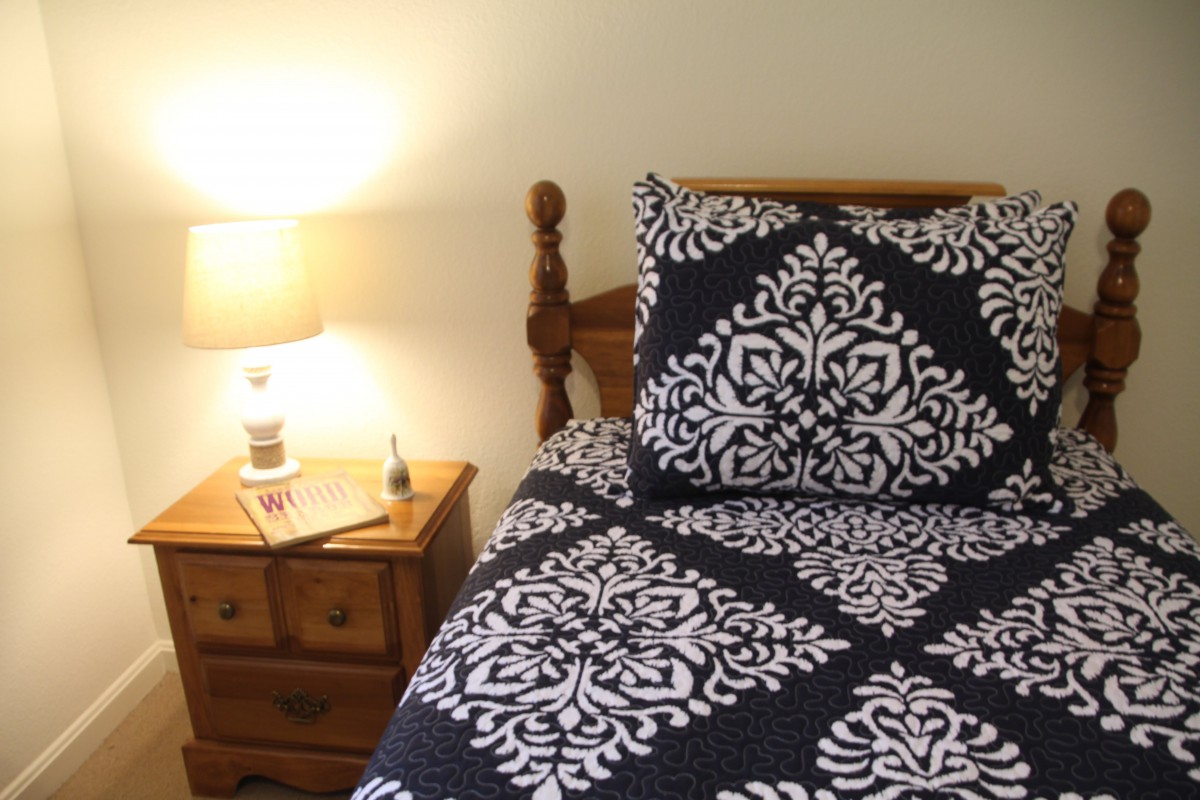
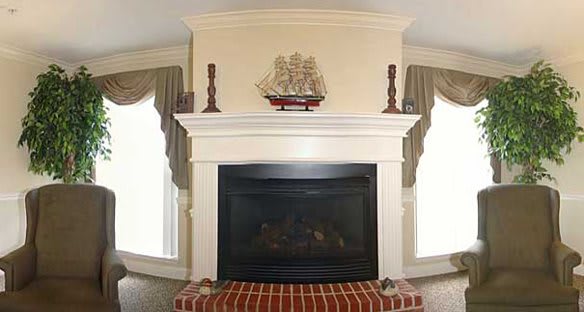
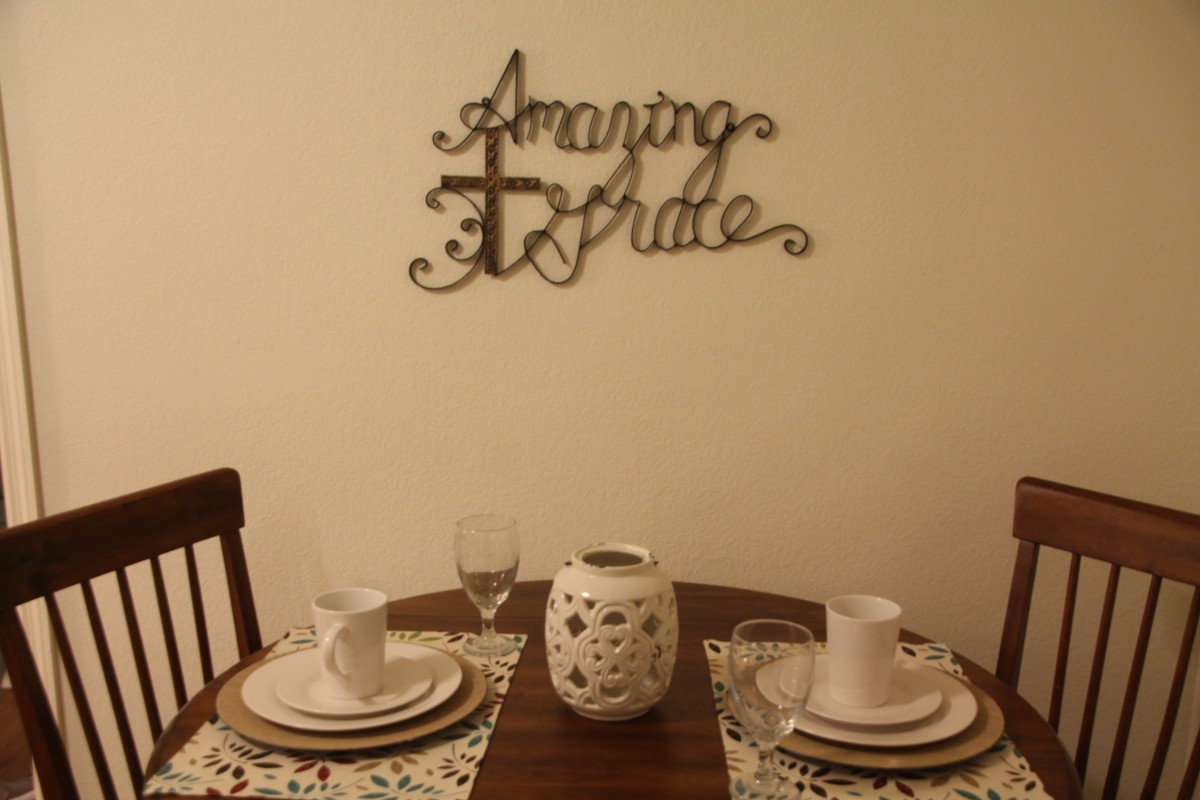
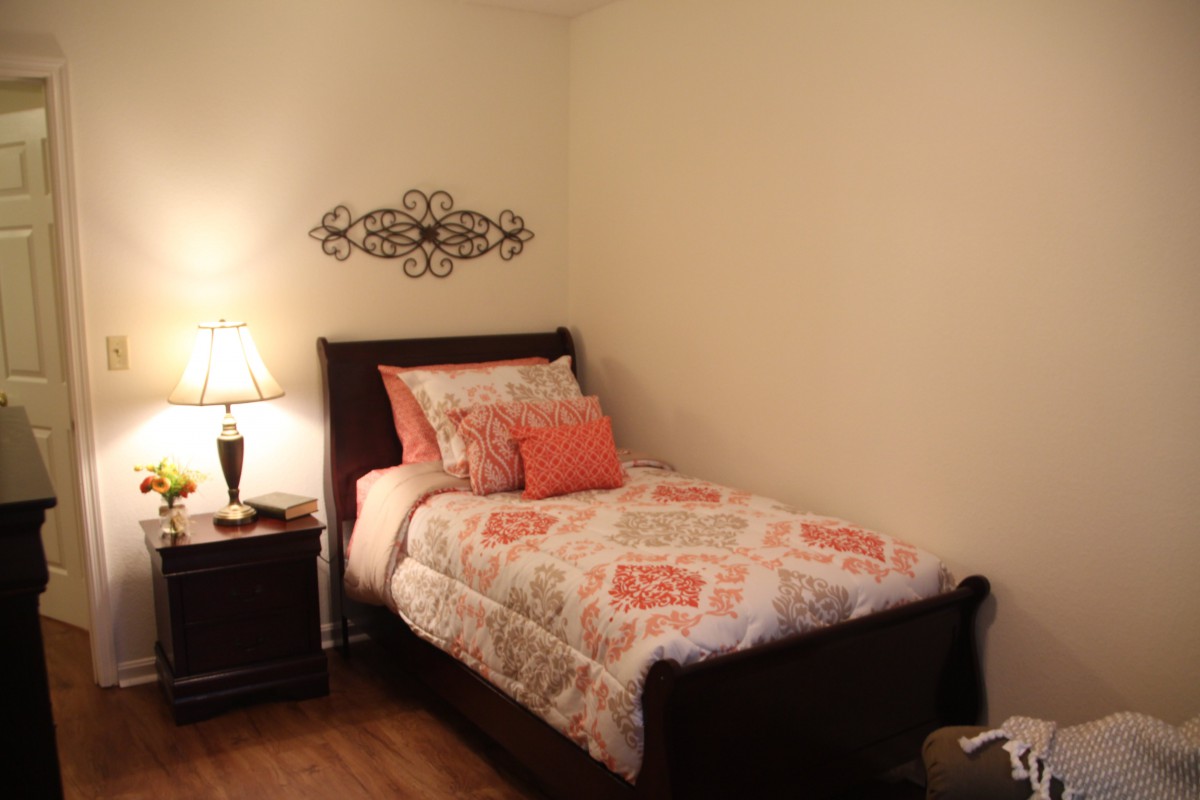
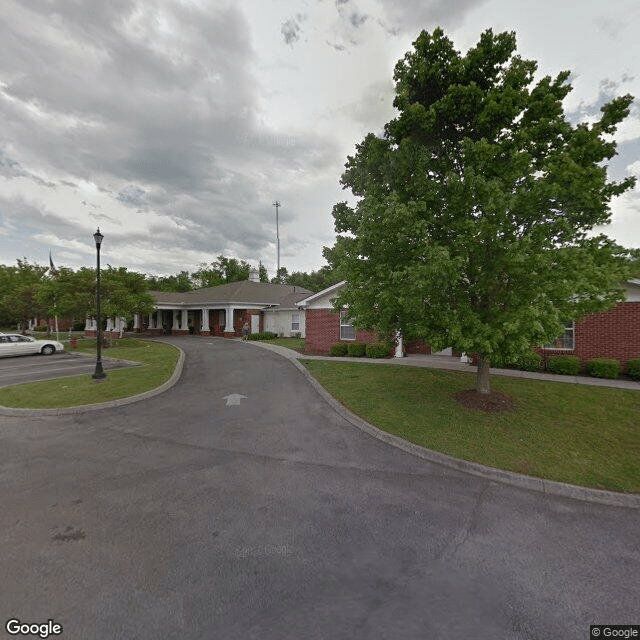
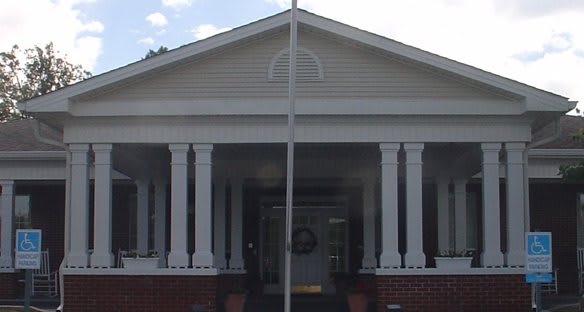
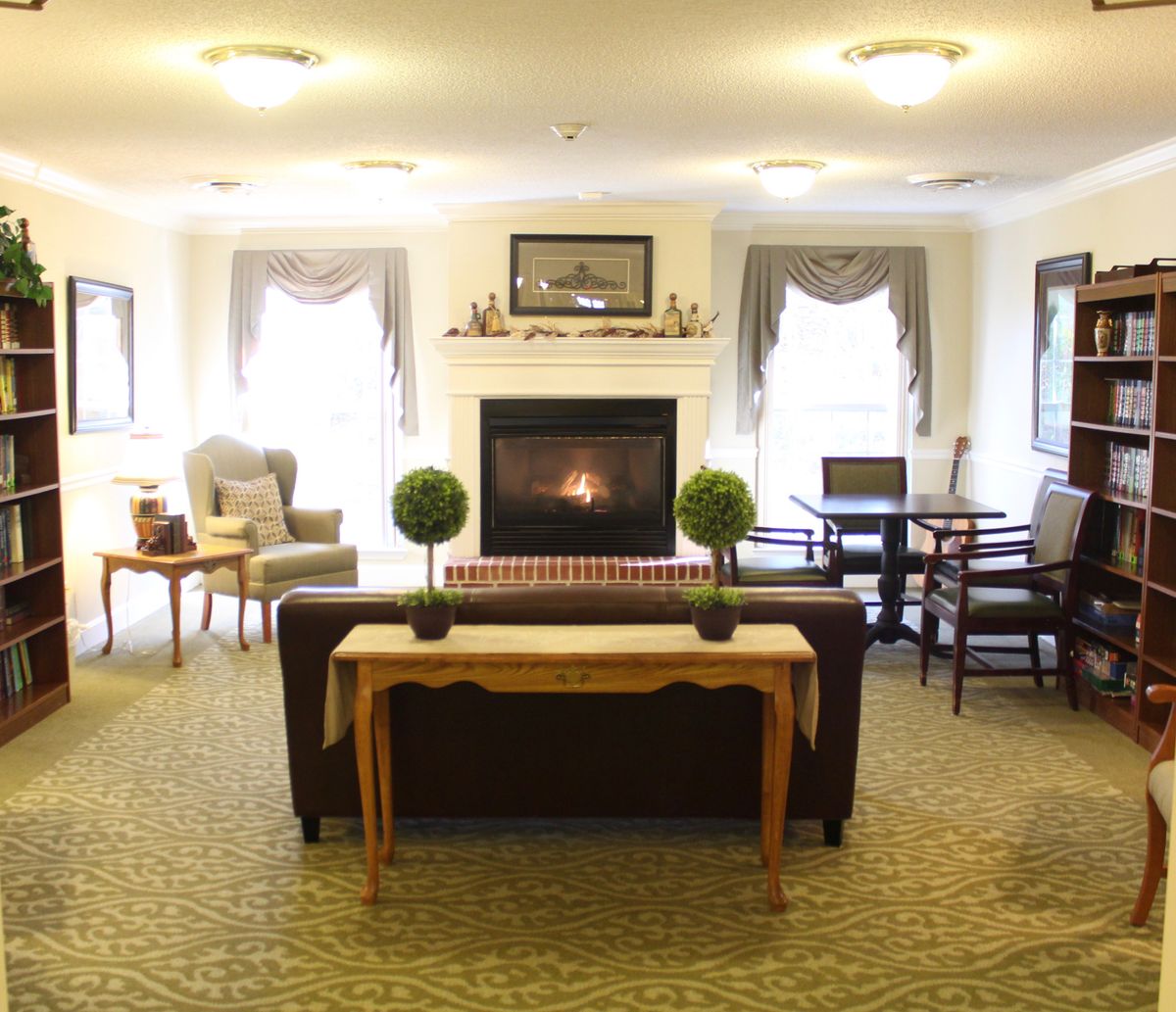
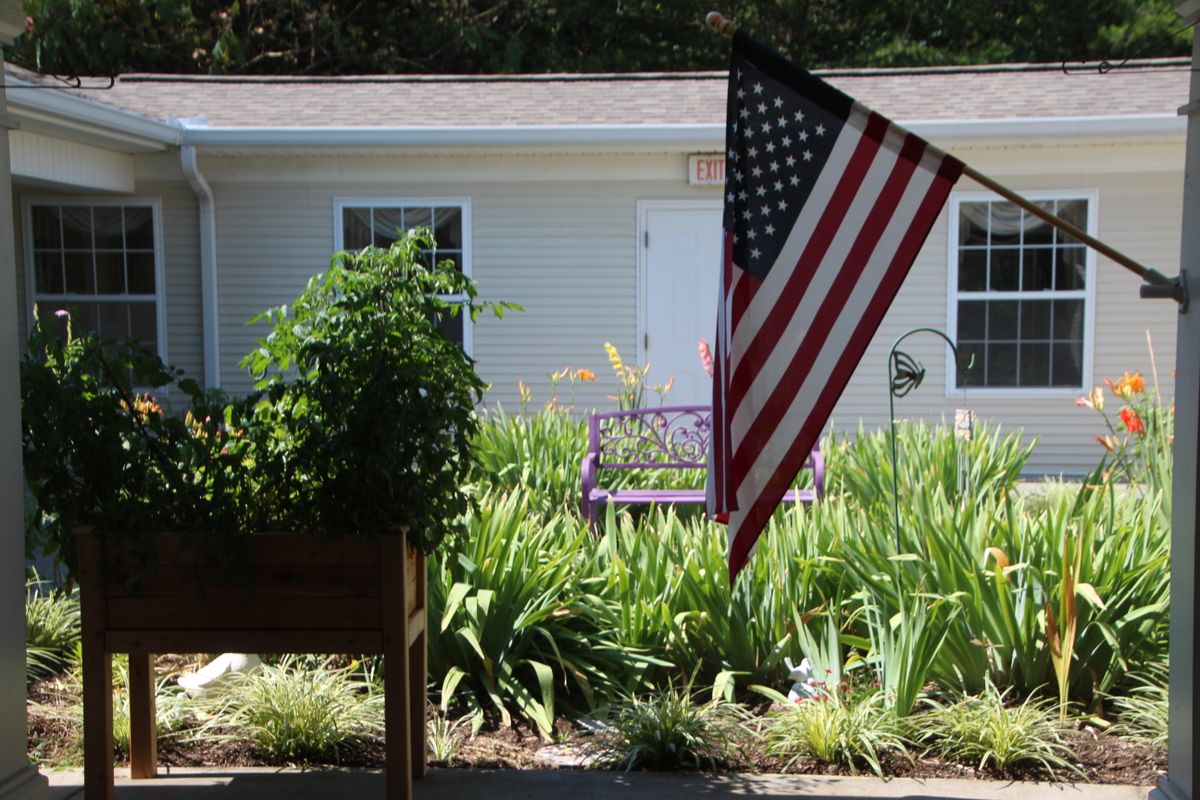
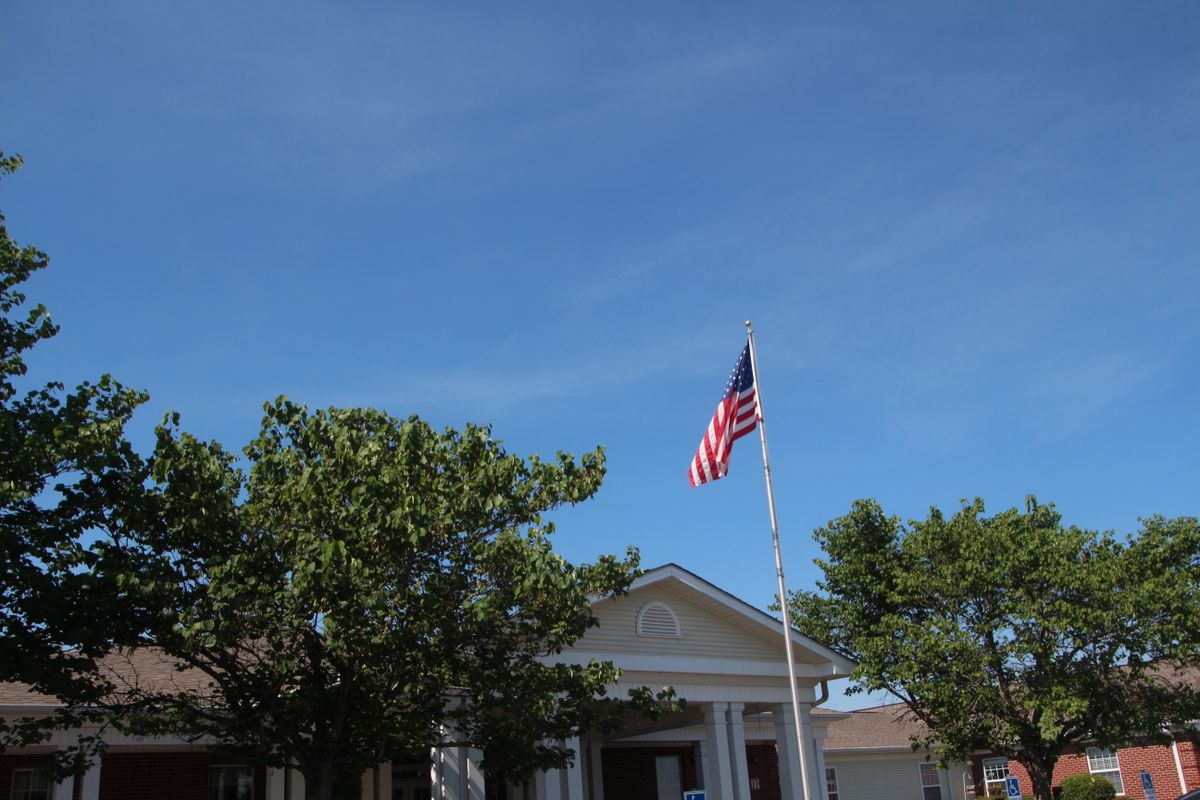
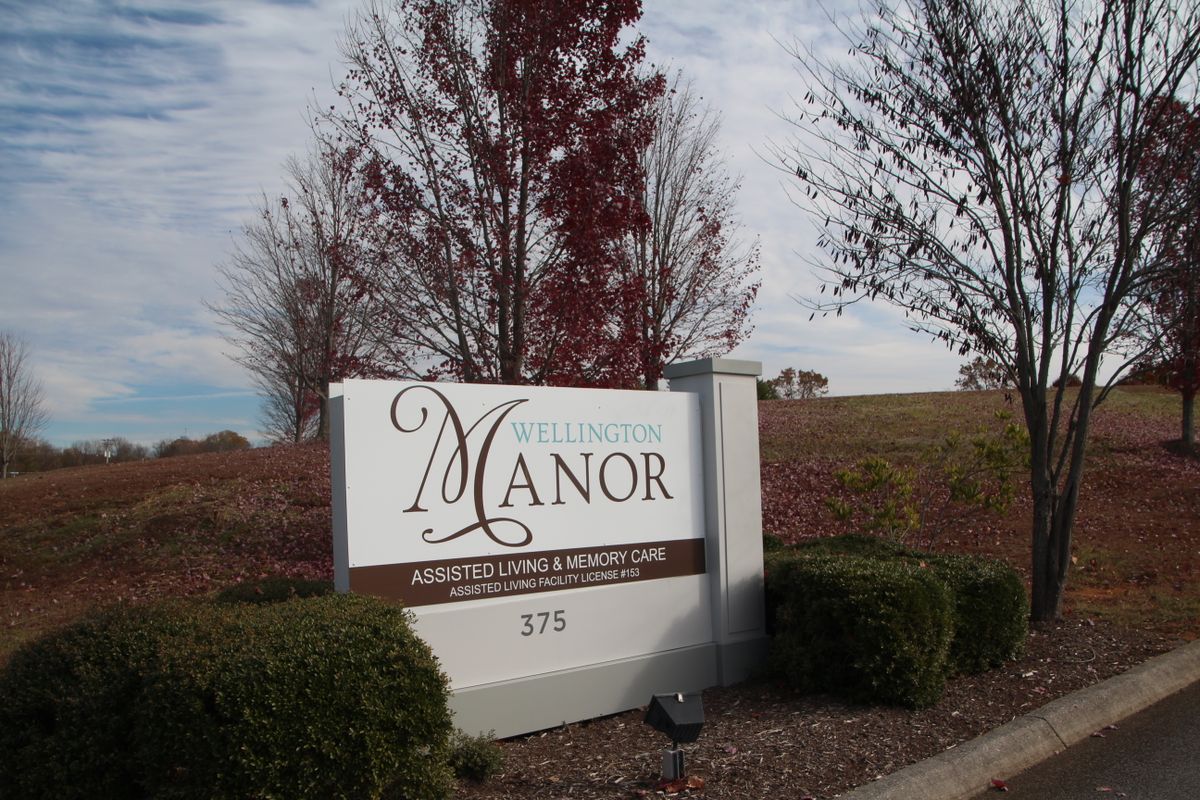
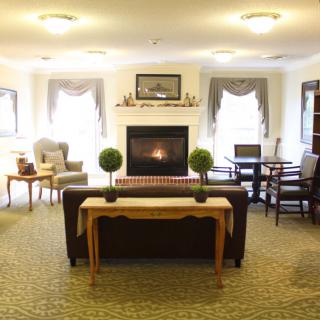
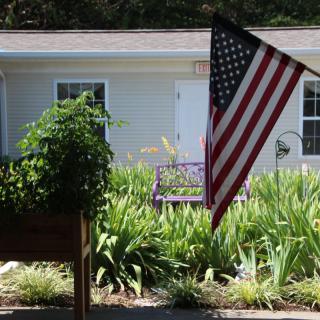
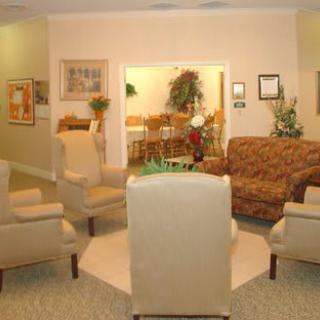
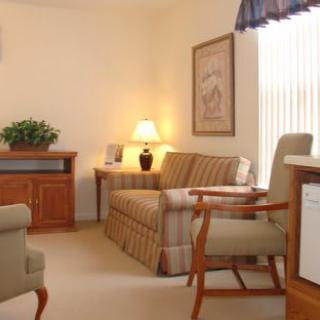
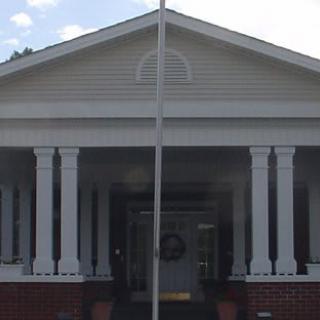
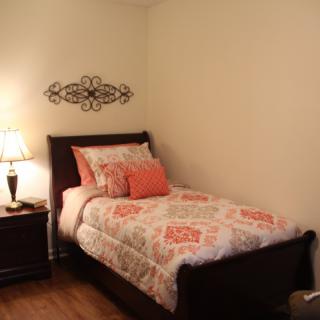
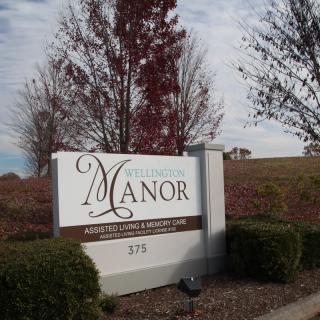
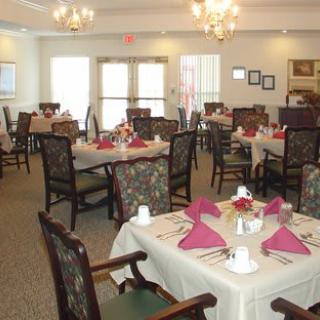
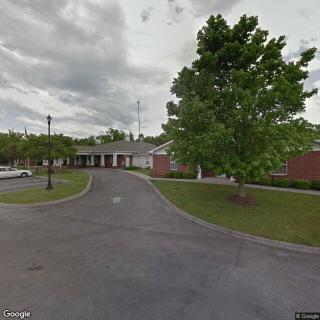
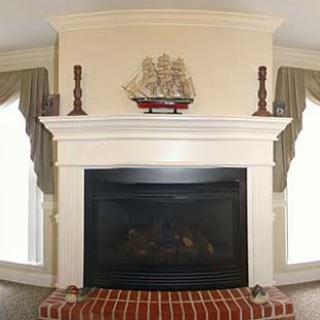
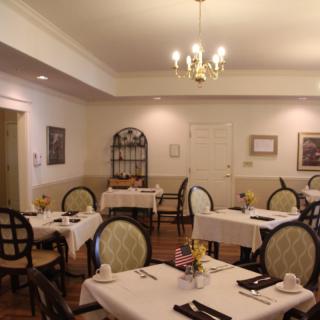
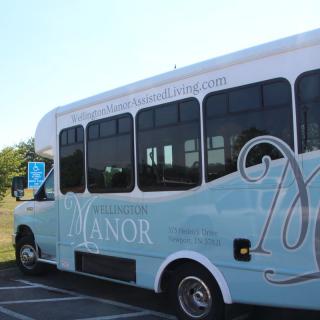
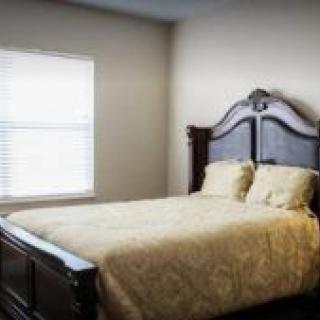
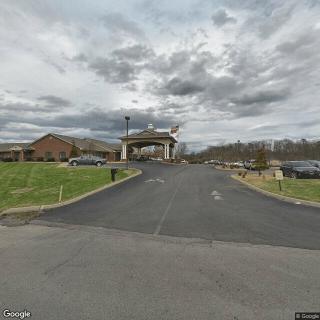
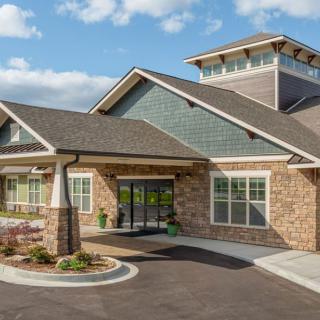
Wellington Manor Assisted Living on seniors.fyi includes 17 photos including images showing decor, interior, bedroom, building, living room, dining, flag, landscaping, and more.
Nearby Communities
Bicentennial Apartments
Newport, TN
4.4 from 5 reviews
Excellent access to healthcare, pharmacies, parks, dining, worship, and entertainment nearby.
Tennova Newport Convalescent Center
Newport, TN
3.7 from 9 reviews
Comprehensive on-site amenities and 24/7 care support.
Senior Citizens Home Assistance Service, Inc.
Newport, TN
5 from 2 reviews
Convenient access to parks, pharmacies, physicians, restaurants, transportation, worship, theater, and hospitals nearby.
Newport Health And Rehabilitation Center
Newport, TN
3.6 from 73 reviews
Caring staff with effective therapy
Jefferson County Nursing Home
Dandridge, TN
4.2 from 96 reviews
Attentive, caring staff; clean, pleasant environment; strong sense of community with engaging activities.
Agape Acres
Jefferson City, TN
3.9 from 17 reviews
Excellent access to healthcare and nearby amenities (pharmacies, doctors, hospital, restaurants, and places of worship) in Jefferson City, TN.
Regency Retirement Village - Morristown
Morristown, TN
4.8 from 156 reviews
$2,095 to $3,234 / month
Beautiful exterior, welcoming staff, and a robust activity program.
Heritage Center Nursing Care
Morristown, TN
4.3 from 91 reviews
Some staff are caring and meals are well-received, with residents forming a sense of community.
Dominion Senior Living of Sevierville
Sevierville, TN
4.9 from 90 reviews
$4,600 to $5,900 / month
Caring, attentive staff in a clean, welcoming setting with engaging activities and high-quality dining, plus transparent all-inclusive pricing.
The article highlights eight indicators that a loved one with dementia may require specialized memory care, emphasizing the emotional and logistical challenges families encounter in this decision. It discusses signs such as difficulties with daily tasks, safety concerns, and caregiver burnout, suggesting that memory care facilities can provide the necessary support and structured environments for those experiencing cognitive decline.
Dementia, primarily caused by Alzheimer's disease but also linked to other conditions, leads to cognitive decline impacting memory and daily functioning, with individuals experiencing varied awareness of their impairments. Despite memory loss, emotional connections persist, enabling responses to familiar stimuli, highlighting the need for caregivers to provide compassionate support that recognizes both limitations and retained emotional depth.
The article presents five subtle indicators of dementia, such as memory lapses and mood swings, to help families assess cognitive decline in loved ones. It emphasizes early detection, open communication, and seeking professional help while providing practical support steps.
Get PricingAsk A QuestionSchedule A TourContact Senior Advisor
By clicking submit, you agree to our Partner's Terms of Use. You
also consent to receive calls and texts, which may be autodialed, from our Partner. Your consent is not a condition to
using our Partner's service. Please visit our Partner's Privacy Policy for information about their privacy practices.








 60 resident community capacity
 Studio apartments
 Assisted Living
 Memory Care
 Activities off-site
 Air-conditioning
 Beautician on-site
 Cable or satellite TV
 Computer center
 Devotional services off-site
 Dining room
 Fitness room
 Fully furnished
 Gaming room
 Garden
 Ground floor units
 Housekeeping services
 Indoor common areas
 Kitchenette
 Laundry
 Move-in coordination
 Outdoor common areas
 Party space
 Private bathrooms
 Respite or short term stays offered
 Restaurant-style dining
 Small library
 Telephone
 Wellness center
 Wheelchair accessible showers
 Wi-Fi/high-speed internet available
 Community operated transportation
 24-hour call system
 Ambulatory care
 Assistance with bathing
 Assistance with dressing
 Assistance with transfers
 Diabetes diet
 Diabetic care
 Incontinence care
 Medication management
 Physical therapy
 Special dietary restrictions
 Art classes
 Concierge services
 Cooking classes
 Day trips and outings
 Live dance or theater performances
 Live musical performances
 Visiting chaplain or priest
 English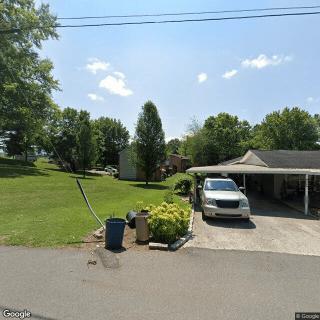
 Excellent access to healthcare, pharmacies, parks, dining, worship, and entertainment nearby.


 8 Important Indicators That Memory Care May Be Necessary
 Delving into the Inner World of Dementia: Insights into Thoughts and Awareness
 Five Subtle Dementia Indicators to Observe: An In-Depth Guide to Understanding “Does My Mom Have Dementia?”