Overall Review of Newport Health And Rehabilitation Center
common
22 reviews mention this
Staff care gets mixed reviews
Staff is frequently described as caring and helpful, but some residents and families also report rudeness and neglect.
Many reviews praise the way caregivers and nurses treat residents, noting friendliness, kindness, and staff going out of their way to help. Families also describe better communication at times, including updates from nursing or other staff. At the same time, several reviews complain about call-button delays, nurses not answering, and a lack of responsiveness, including reports that staff were rude or dismissive when families asked for help.
caveat
14 reviews mention this
Food quality is inconsistent
Residents describe meals ranging from enjoyable to cold, unappetizing, or otherwise unpleasant.
Several reviews say meals were good, well prepared, and that the kitchen or dietary team did a good job. Other reviewers describe food as disgusting, inedible, or not warm, including comments about receiving meals cold and trays arriving late. This makes dining one of the most uneven parts of the experience across reviews, even though the community offers restaurant-style dining and structured dietary options like diabetes and special restrictions.
caveat
12 reviews mention this
Cleanliness and odors divide families
Cleanliness is a recurring concern, with reports of urine odors alongside reviews that say the facility stays clean.
Some families and residents report the facility is clean, with housekeeping and a generally cared-for environment. Others describe strong urine odors, run-down conditions, and lack of basic housekeeping, including mentions of dirty areas and the smell noticeable when entering. Because there are both positive and negative cleanliness observations, it appears to be a frequent point of disagreement in resident and family accounts.
caveat
11 reviews mention this
Call response and communication vary
Some families say communication and answering calls can be difficult, especially after hours.
A number of reviews describe getting answers, receiving updates, and being able to reach staff with questions. Others report difficulty contacting staff after hours, long waits for assistance, and call buttons not being answered. A few reviews also mention limited phone access for residents, reinforcing the theme that timely support can be inconsistent.
common
10 reviews mention this
Rehab and therapy often stand out
Physical and occupational therapy are frequently described as attentive and effective.
Many reviews highlight the therapy team, including positive comments about physical therapy support, occupational therapy, and help with mobility and recovery goals. Some reviewers specifically thank therapists for going above and beyond, and others say their loved ones seemed to benefit from the rehab environment. While nursing experiences vary, therapy support is one of the more consistently praised areas in the reviews.
common
4 reviews mention this
Activities and day-to-day structure
Residents mention structured activities and opportunities to stay engaged.
Some reviewers describe planned schedules and community activities designed to keep residents motivated, including activities directors and resident-run or scheduled events. A few comments also connect the activity environment with resident mood and engagement. This aligns with the types of day-to-day activity offerings listed for the community.
How we summarize
Counts show how many written reviews mention each theme; a review can touch several themes, and only frequently mentioned themes are displayed.


 150 resident community capacity
 Skilled Nursing Facility
 Air-conditioning
 Beauty salon
 Cable or satellite TV
 Computer center
 Dining room
 Fitness room
 Fully furnished
 Gaming room
 Garden
 Housekeeping services
 Kitchenette
 Move-in coordination
 Outdoor space
 Private bathrooms
 Restaurant-style dining
 Small library
 Telephone
 Wellness center
 Wi-Fi/high-speed internet available
 Community operated transportation
 12-16 hour nursing
 24-hour call system
 Activities of daily living assistance
 Assistance with bathing
 Assistance with dressing
 Assistance with transfers
 Diabetes diet
 Medication management
 Mental wellness program
 Special dietary restrictions
 Concierge services
 Planned day trips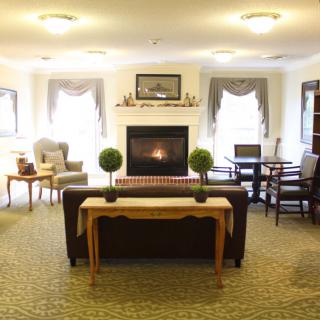
 Caring, long-tenured staff in a clean, engaging community.



 Encouraging Participation in Adult Day Care: A Guide to Supporting a Hesitant Parent
 Comprehensive Exploration of Living Wills and Other Advance Directives
 A Detailed Exploration of Living Wills and Advance Directives