
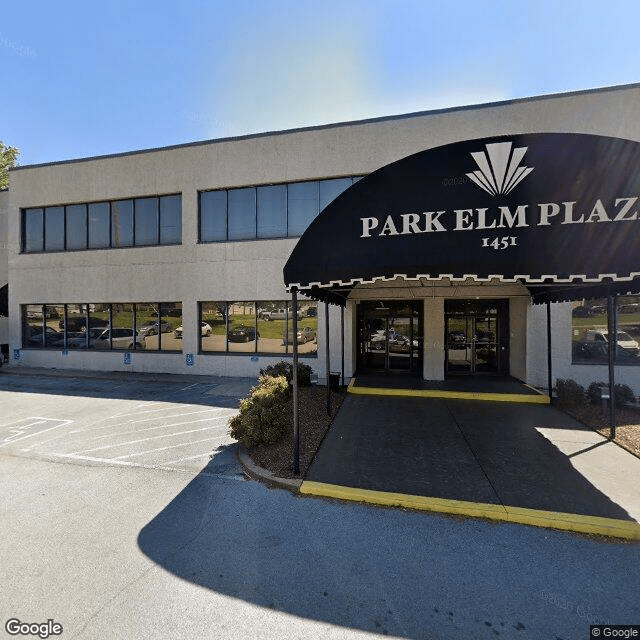
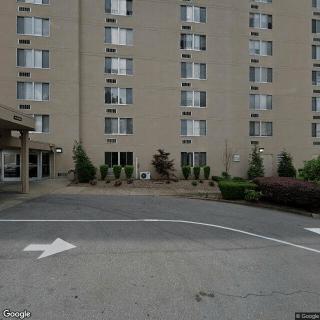
1451 Elm Hill Pike, Suite 166, Nashville, TN 37210
To contact a resident: (888) 365-7539
For more information about senior living options: (866) 208-4318
Overall Review of Comprehensive Care - Alleo Health System
Pros
 Elk Valley gives the best care.
- Their nurses are wonderful and always willing to help.
- The staff are easy to reach and always find answers.
- Ms. Wanda is a great supervisor, and schedulers are easy to work with.
- Nicole has a bubbly personality and is extremely helpful and knowledgeable.
Cons
 They describe Elk Valley as the worst company they’ve ever worked with, noting a supervisor told them to find someone else to watch their sick child.
- They allege Elk Valley swaps employees from full-time to part-time with no notice, causing loss of benefits.
- They claim Elk Valley doesn’t care about employees or whether they can pay their bills.
- They say Elk Valley has wronged several employees and mishandles checks, delaying pay so bills can go unpaid.
- They accuse Elk Valley of accepting PTO donations but rarely approving recipients, suggesting money goes to the company.
- They state they were lied to, ignored when resolving issues, and that caregiver no-shows are tolerated.
- They express that neglect of patients’ needs is unacceptable and appalling.
Review
This community is best suited for families that prize hands-on, compassionate direct care from skilled nurses and aides and can tolerate some variability in operations. When frontline caregivers are consistently available, families describe a reassuring, human touch: staff who are approachable, responsive, and willing to help with daily tasks and medical needs. The strongest positives come from the caregivers themselves, nurses and aides who communicate well, show genuine concern, and are easy to reach. In short, the care quality on the ground can be excellent where staffing aligns, and the personal rapport is evident.
That said, there is a clear caveat: stability in scheduling and reliable administration are not consistently present. Families and staff alike report frequent shifts between full-time and part-time status without timely notice, which undermines benefits and benefits continuity. Payroll errors, delayed pay, and ambiguous PTO handling appear to ripple into comfort and security for both staff and residents. For families relying on predictable coverage and clear, transparent procedures, these issues are not mere irritants, they are potential gaps in essential care that can erode trust over time.
The key pros, excellent bedside care, accessible nurses, and responsive, personable staff, do offset some, but not all, of the main cons. When caregivers are present and well-coordinated, the experience can be very positive: caregivers who remember preferences, who coordinate with families, and who show up prepared to meet medical and daily living needs. However, the inconsistencies behind the scenes, missed shifts, delayed responses to concerns, and promises that aren’t kept, quietly undercut even the best caregiver interactions. The result is a care environment that can feel suddenly unreliable, especially for families managing complicated schedules or high-acuity needs.
From the financial and operational angle, costs are a concern for several reviewers who felt the price was high relative to the variability in coverage and administrative reliability. When payroll and scheduling gaps occur, the perceived value of the service decreases. Families must weigh the welcome care provided by frontline staff against the frustration of administrative missteps, unclear policies, and the risk that caregivers may not be available when most needed. This tension, high-quality personal care on one hand, and unstable backing systems on the other, defines the core risk of choosing this community.
For families considering this option, practical due diligence is essential. Ask for a formal caregiver assignment policy with explicit backup coverage plans, so there is a clear path when a scheduled caregiver cannot attend. Request a transparent, step-by-step explanation of payroll, PTO donations, and benefits continuity, including who approves exceptions and how often schedules are revisited. Demand a named patient-care coordinator and a communication protocol for lodging and tracking concerns, so issues aren’t treated as routine “out of control” events. Obtain recent references from families with similar care needs to gauge whether the administrative barriers have improved since earlier concerns.
In the end, this community offers undeniable strengths in frontline care and accessibility when staffing aligns. The decisive question is whether stable coverage and predictable administration can be guaranteed long enough to meet ongoing care demands. For families who can advocate effectively, insist on concrete commitments around scheduling integrity, payroll transparency, and crisis coverage. For those whose priority is unwavering reliability and cost clarity, exploring alternatives with a track record of steady staffing and proactive management may be the wiser path. This option can deliver exceptional caregiver rapport, but only with substantial improvement in operational consistency.
 Nashville International (3 miles away)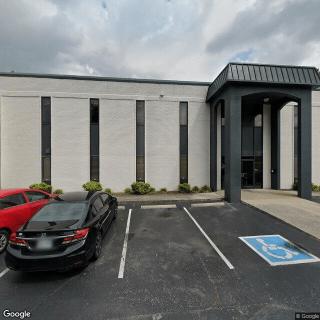





 Understanding the Nuances of Palliative Care and Hospice: A Comprehensive Exploration
 Fecal Incontinence in Older Adults: A Comprehensive Guide
 Nurturing Well-Being Through Gardening: A Detailed Guide for Senior Enthusiasts