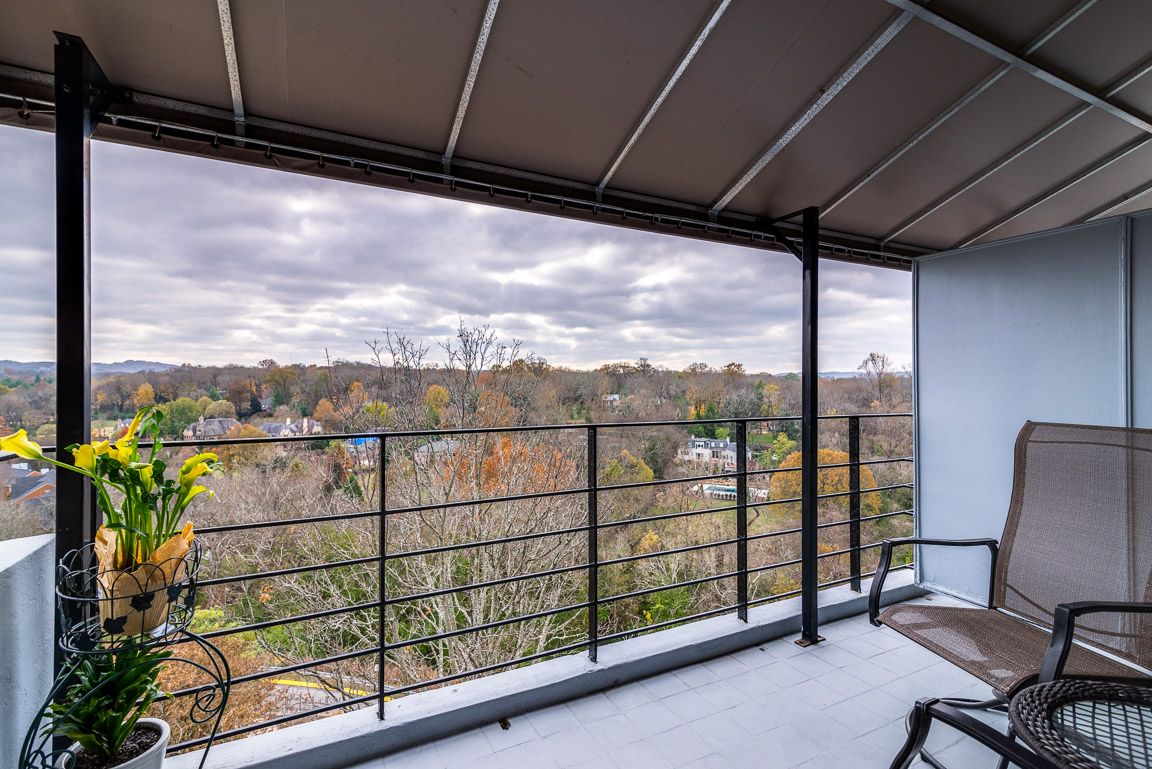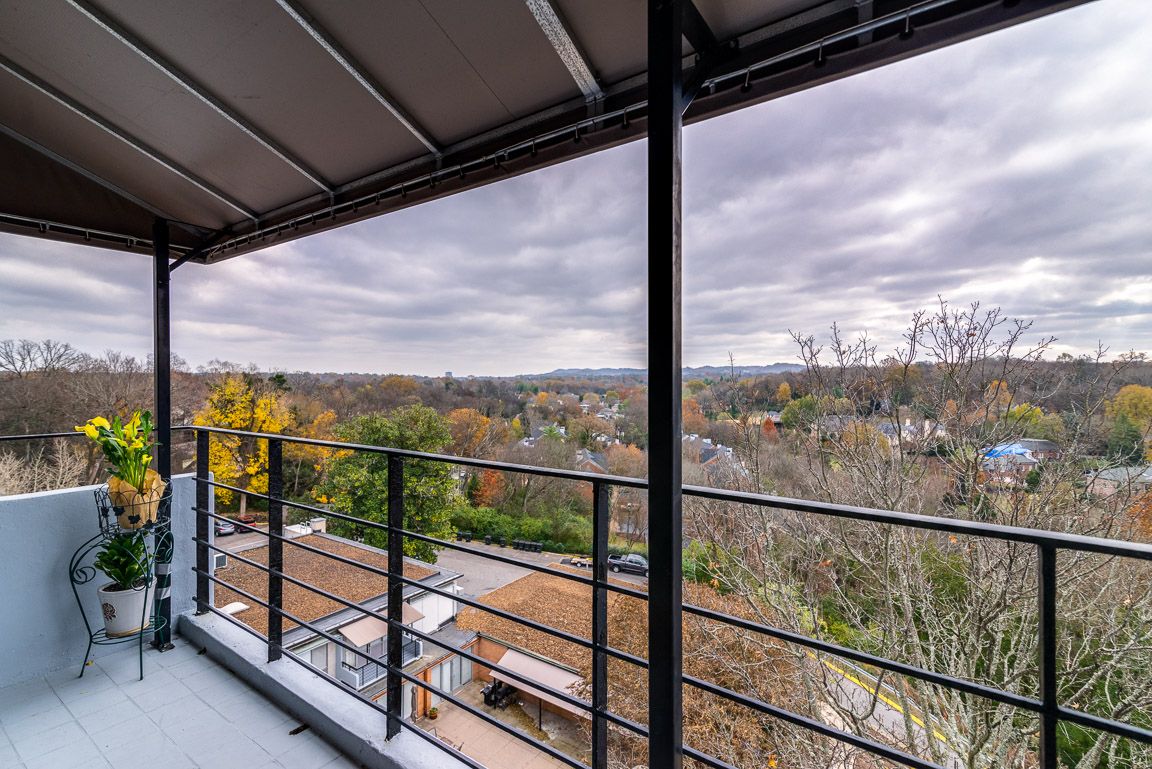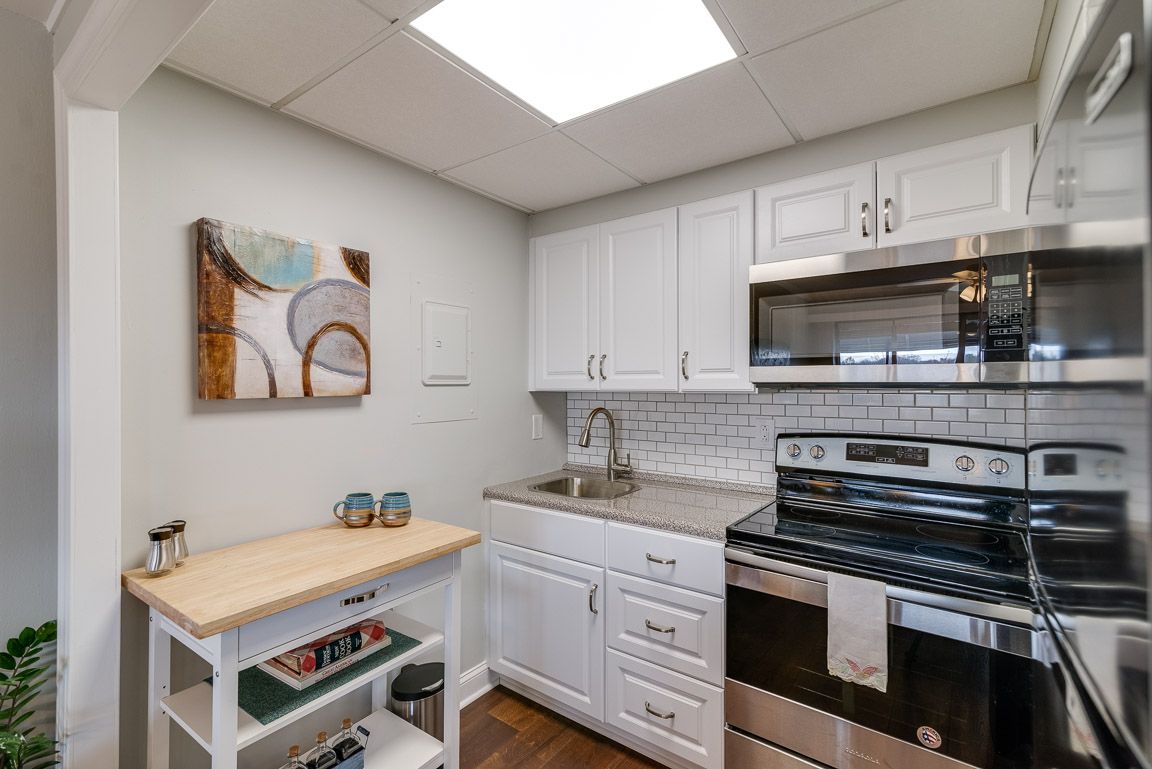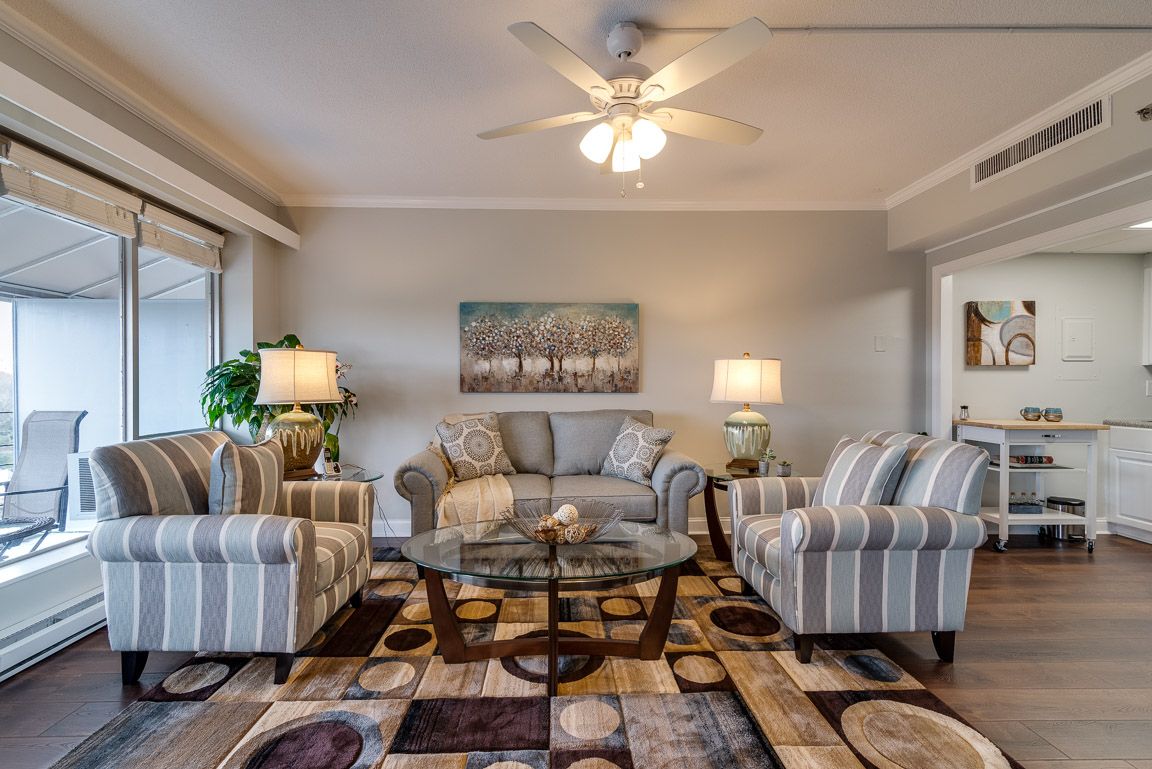
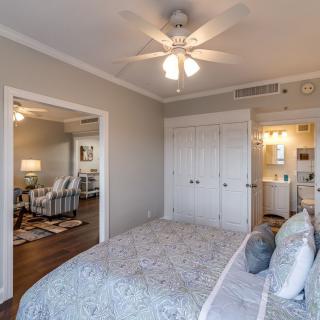
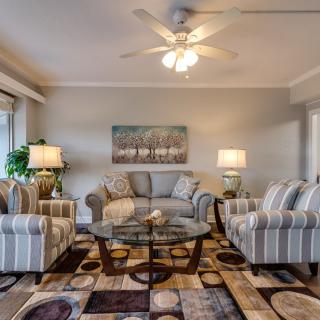
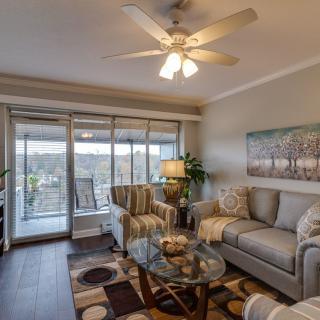
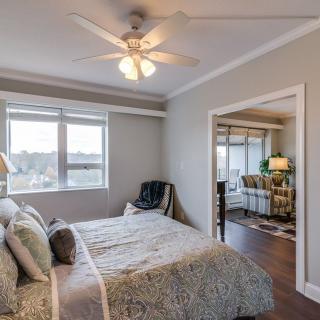



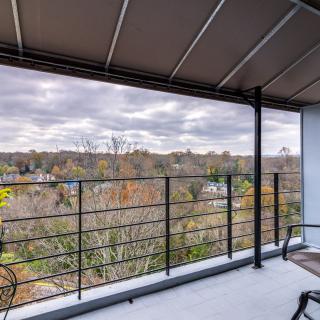


115 Woodmont Boulevard, Nashville, TN 37205
For more information about senior living options: (866) 208-4318
Overall Review of Abe's Garden/Park Manor Apartments
Pros
 The staff is outstanding; the caregivers are kind, helpful, and thorough.
- Considerable effort is made to ensure everyone feels welcomed.
- Residents are helped to adjust to a new way of life.
- Residents are loved and well cared for.
- There is a wide variety of services and engagement opportunities tailored to residents' needs.
- The team stays in regular communication with families and is open to feedback.
- Staff welcome visitors with open arms, making the place feel like home.
- Abe's Garden provides a best-in-class environment with inspiring memory care support.
- The staff are consistently friendly, supportive, and caring.
- The community is amazing and offers something for everyone, with caring staff.
- It is a thoughtful place for those with dementia, offering substantial support for families and caregivers.
- The residence is spotless and the open areas are well maintained.
Cons
 The reviewer states Abe's Garden prioritized imagery over genuine care.
 - The reviewer alleges the mother was forced into a psych ward for two weeks and heavily medicated.
- They observed that some caregivers ignored residents unless being watched, and a resident’s hand was crushed in a wheelchair due to inattention.
- There were racist staff and a perceived racial bias in how residents were cared for.
- The reviewer notes unexplained deep bruises on the mother and improper diabetes management, with her being constantly given sugar.
- The reviewer spent their entire inheritance paying to keep their mother there.
- The dining service reportedly needed training, indicating quality issues with meals.
Review
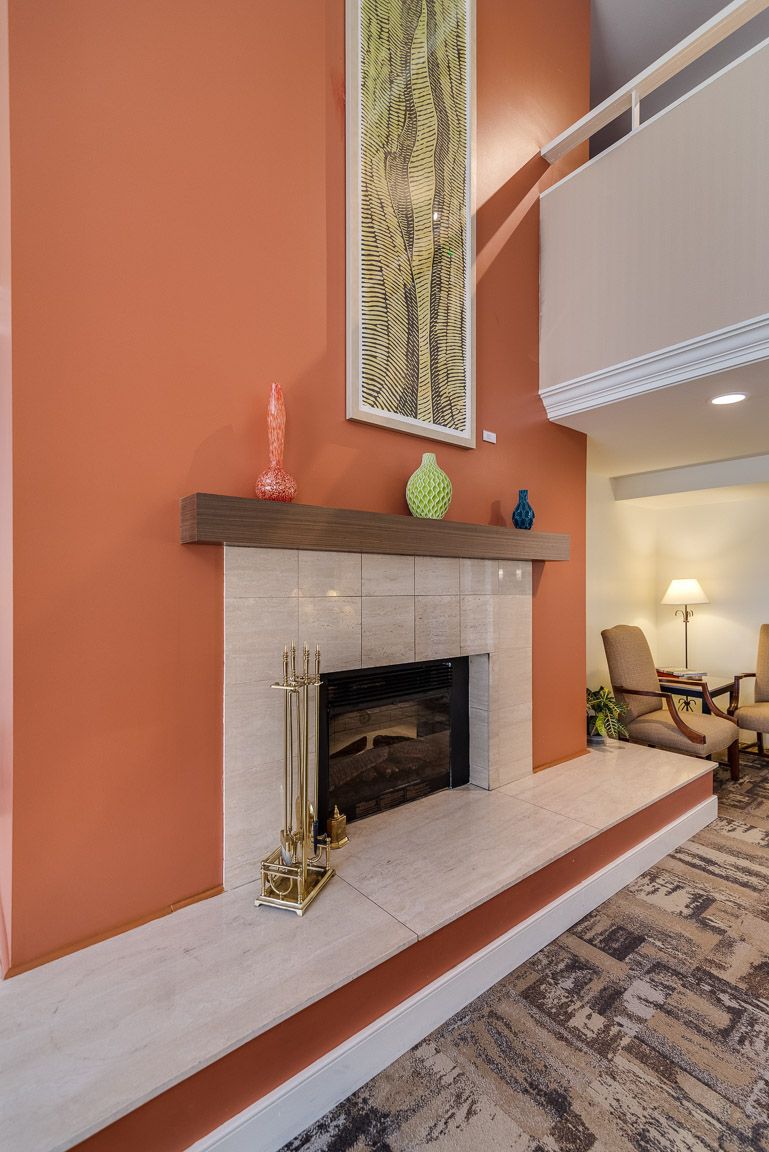
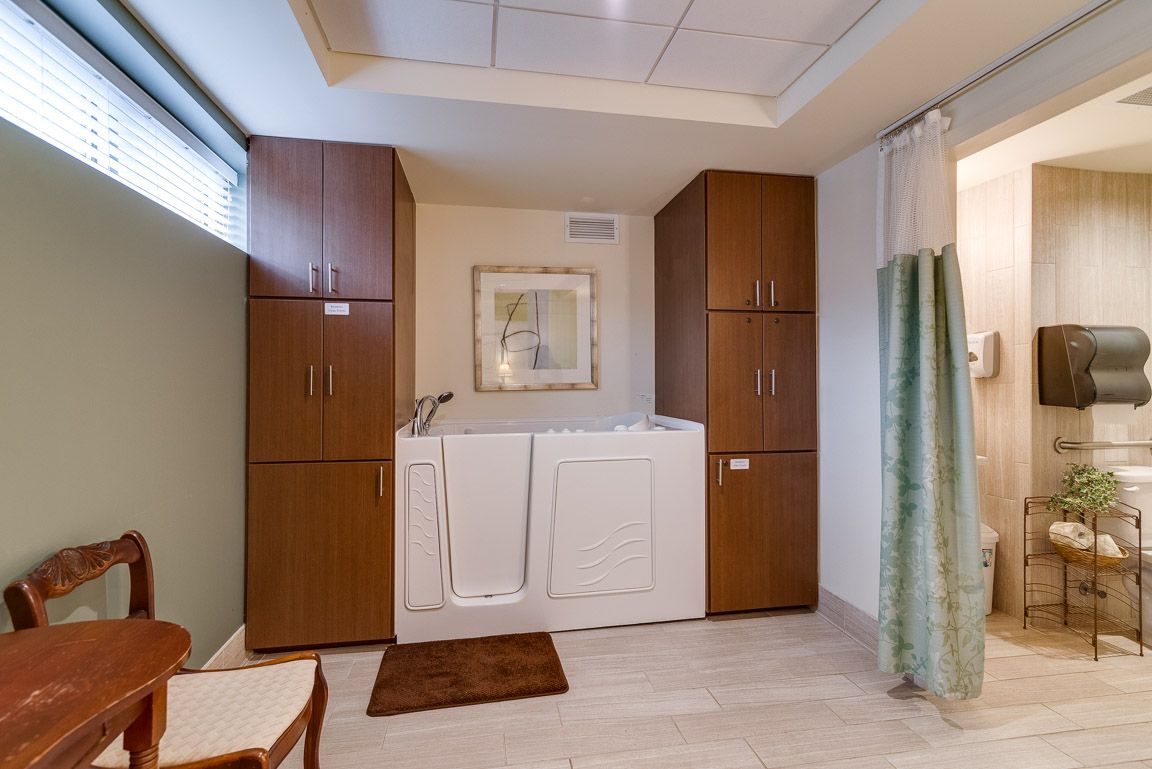
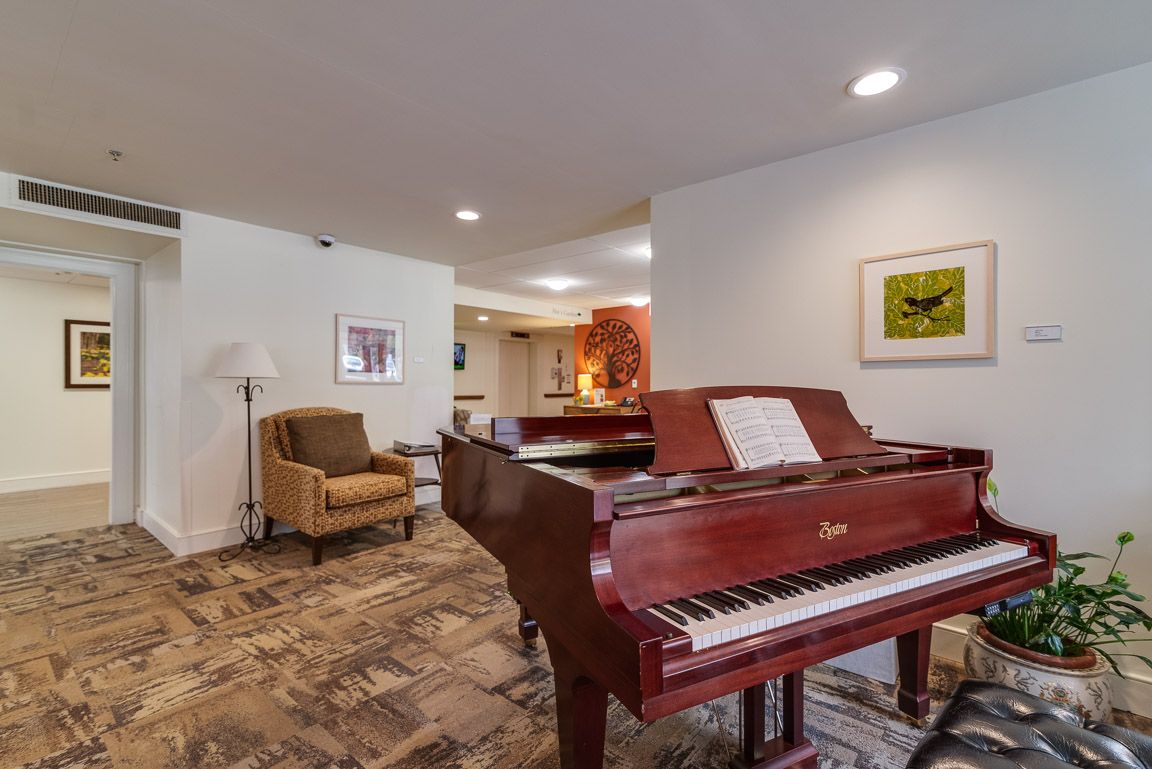
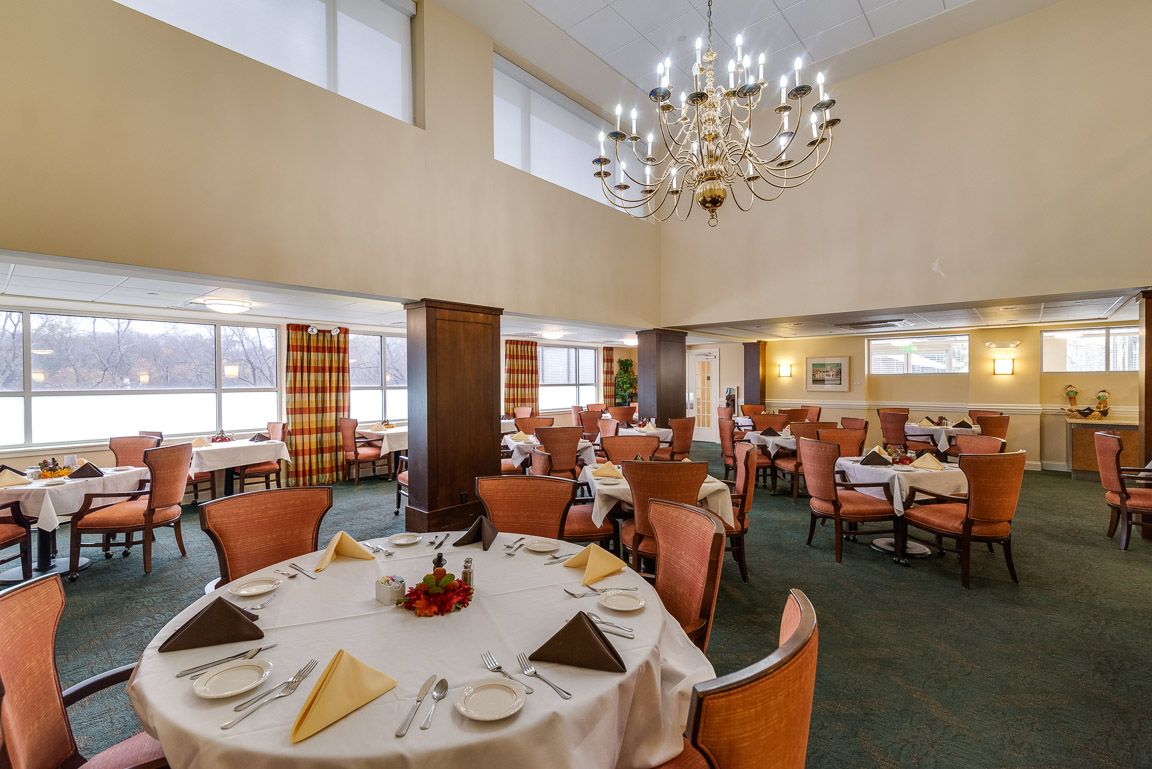
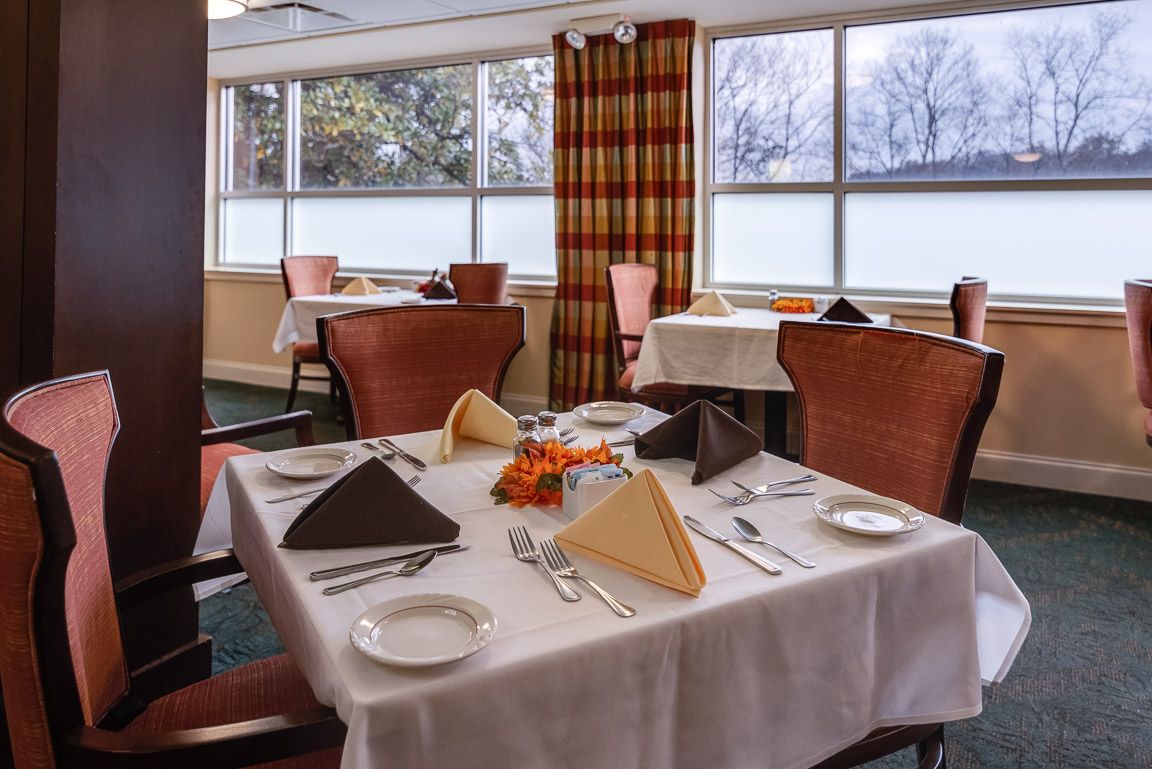
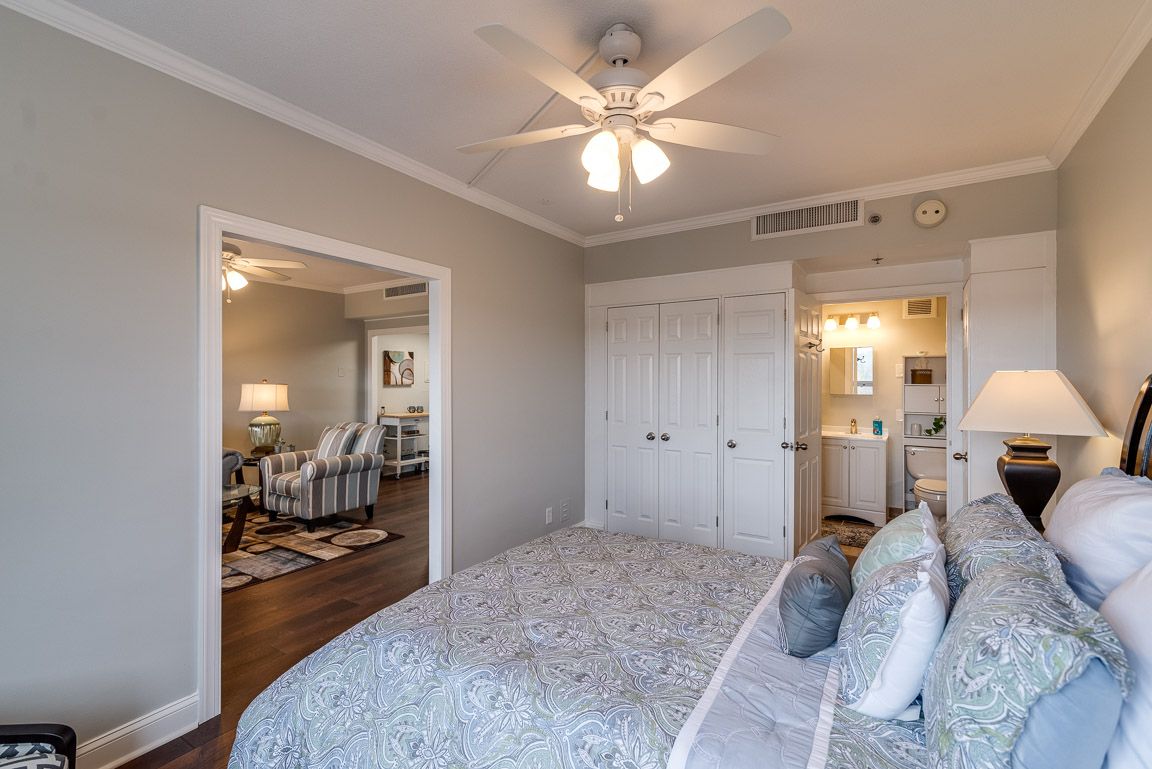
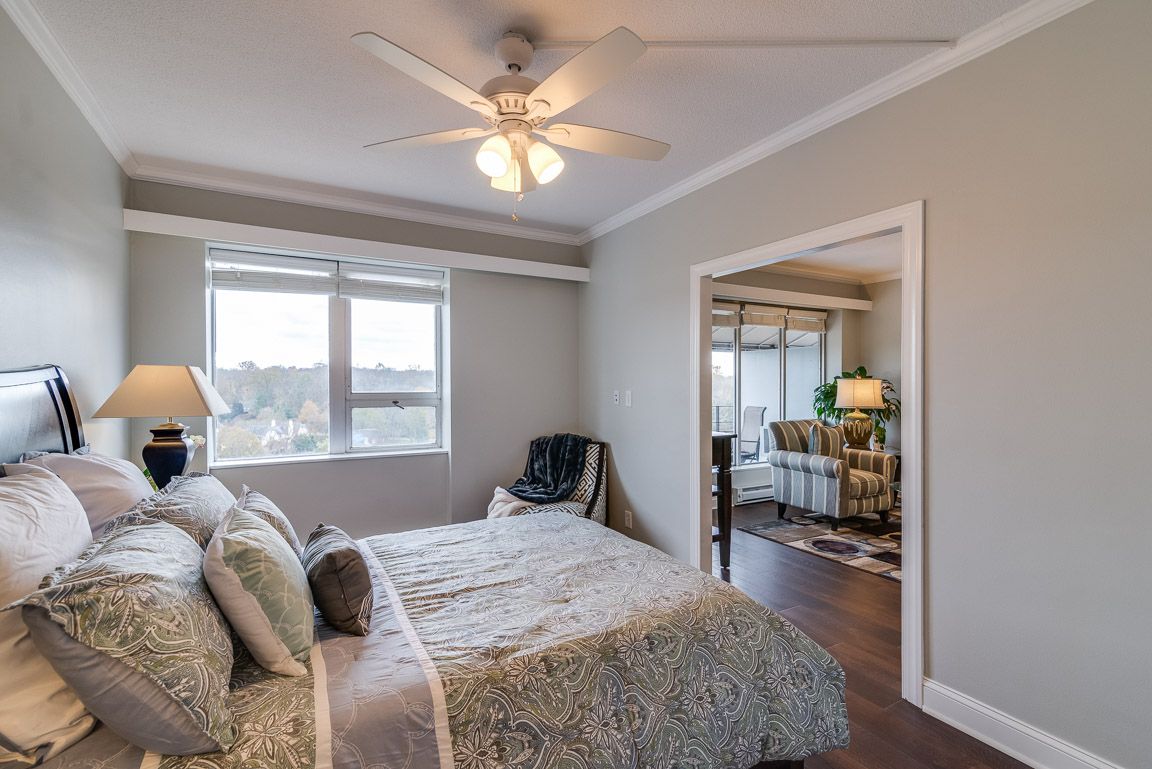
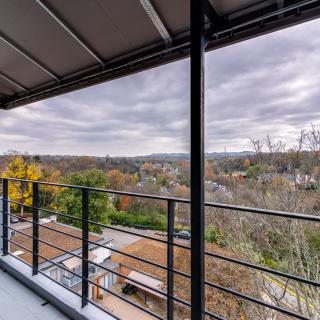
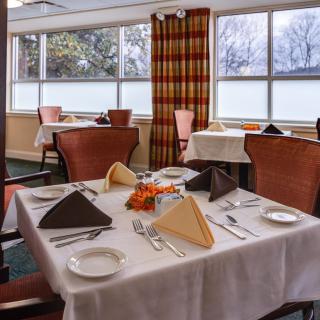
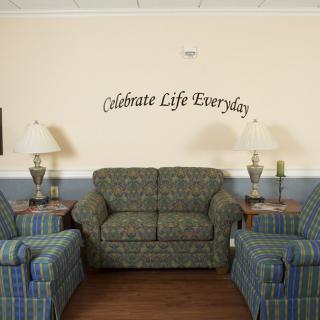
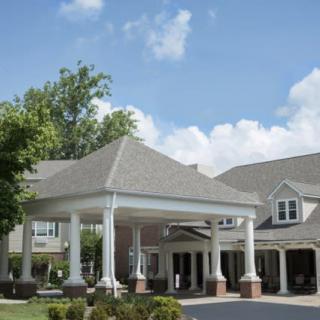
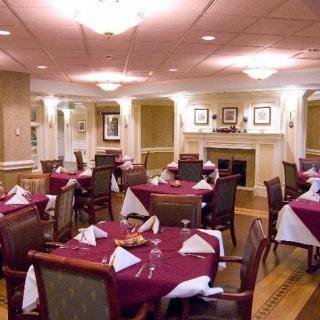
Abe’s Garden/Park Manor Apartments is best suited for families seeking a memory‑care–forward senior living environment that also offers independent living and assisted options on a single campus. The community thrives when residents need dementia‑friendly support but still want daily life to feel personal and respectful. It suits families who value a warm, home‑like atmosphere, regular family communication, and a programmatic approach to activity and engagement. The campus design, including a generous library, an inviting courtyard, and dining that can feel like fine dining with made‑to‑order meals, supports an active lifestyle while maintaining dignity and familiarity for residents as memory care needs evolve.
Those with significant concerns about care oversight or cultural sensitivity may want to consider alternatives. A notably negative past account describes a period when a mother was placed in a psychiatric ward and heavily medicated, with reports of mishandled care and bruising, plus concerns about staff engagement and racial dynamics. While that episode is not representative of every experience, it signals the importance of asking hard questions about current governance, staff training, accountability, and how incidents are reviewed and corrected. Families who require rock‑solid, zero‑defect safety records or who fear recurring lapses should compare options where transparent incident reporting and rigorous oversight are foundational.
The strongest positives here are concrete and meaningful: outstanding staff who are described as kind, helpful and thorough; caregivers who are attentive and welcoming; and programs that actively seek to meet each resident’s needs. Regular, proactive communication with families is a clear anchor, reducing uncertainty for loved ones at a time of transition. Memory‑care programming is highlighted as best‑in‑class by multiple families, with staff consistently described as friendly and supportive. The environment itself reinforces care outcomes, engaged, affectionate interaction, walks in a sunlit courtyard, and a culture that emphasizes respect and personal recognition for residents.
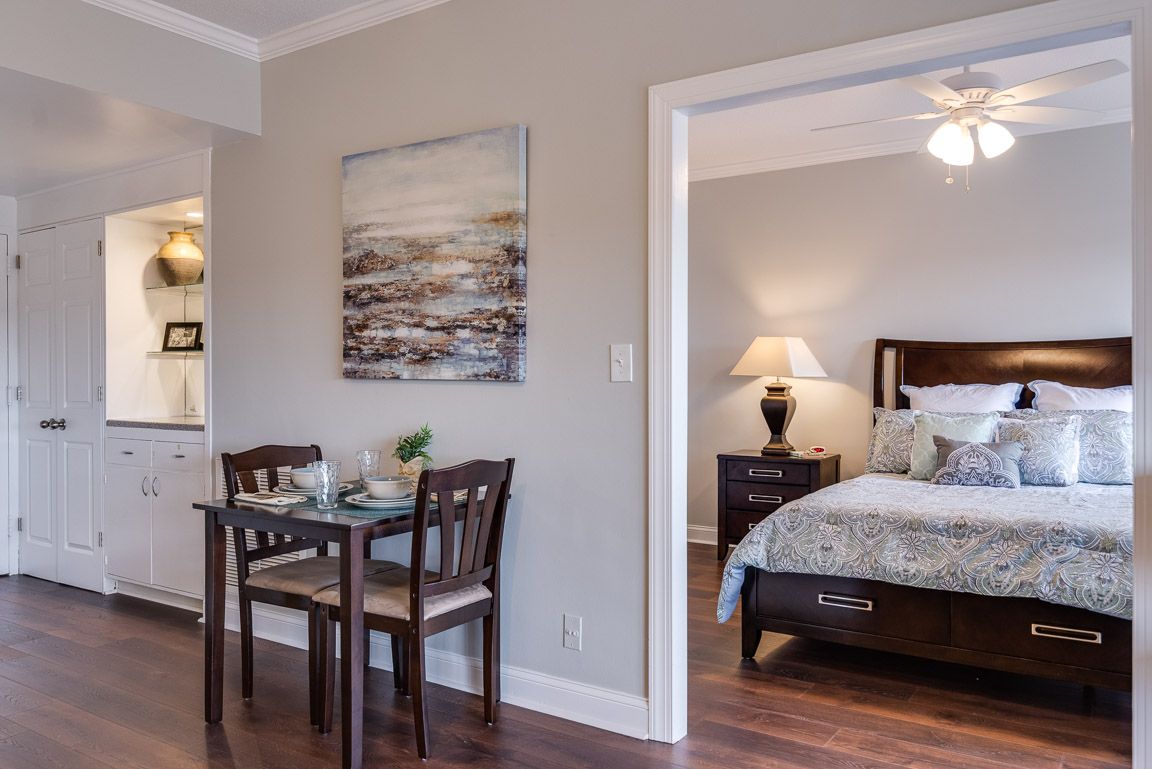
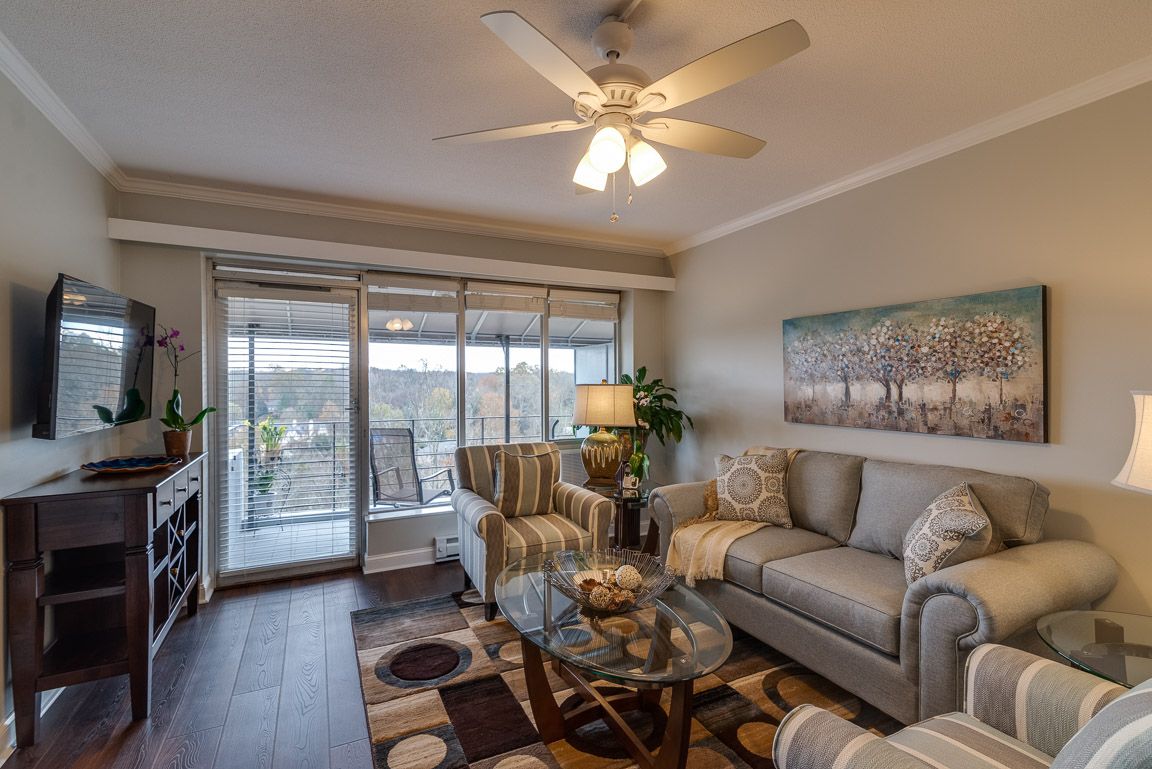
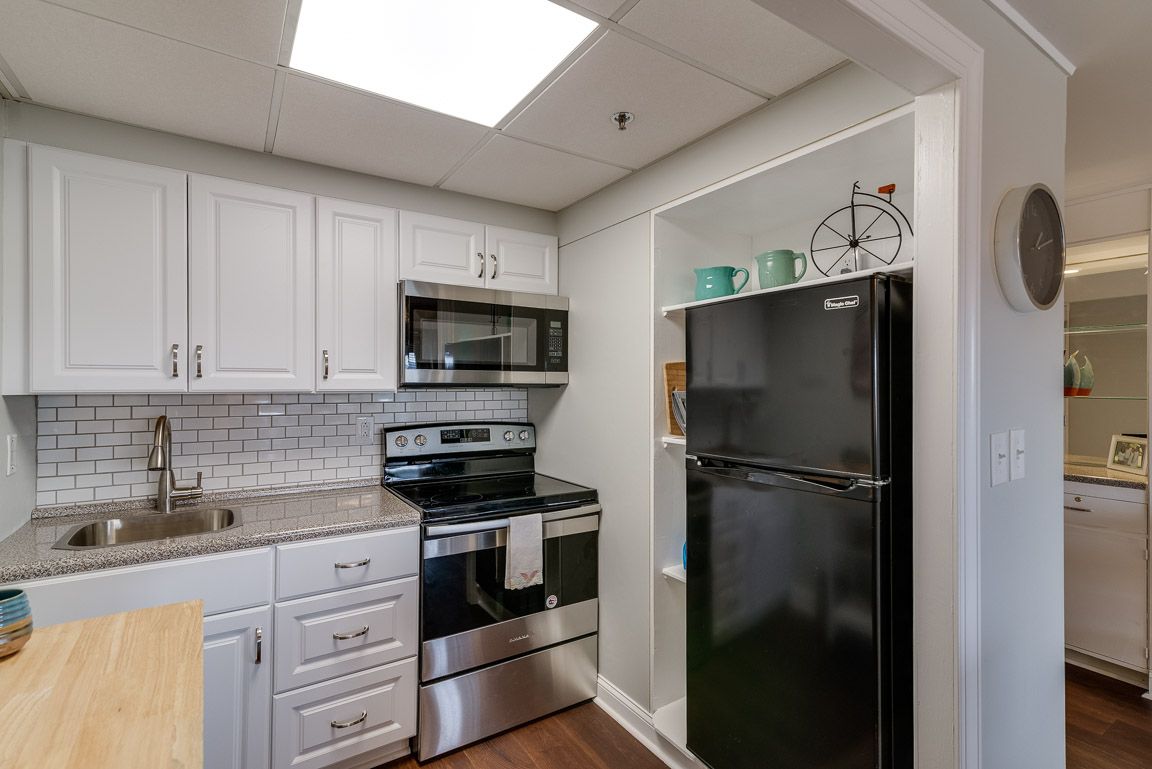
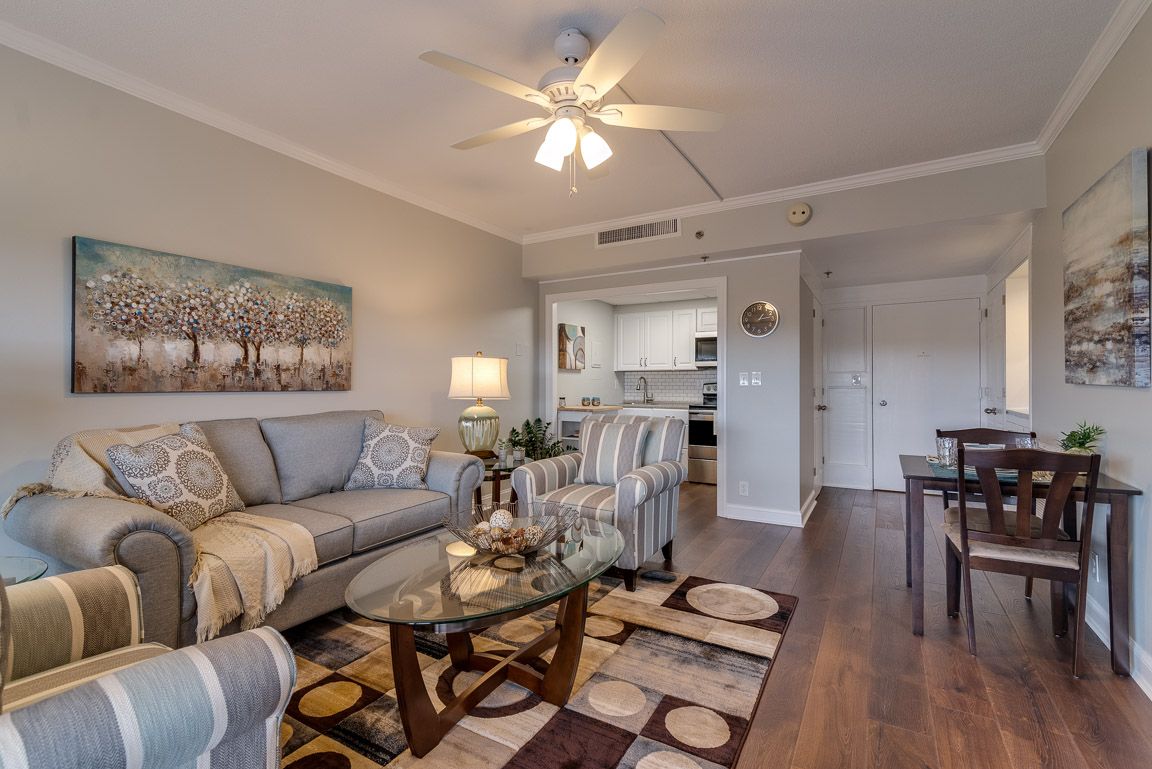
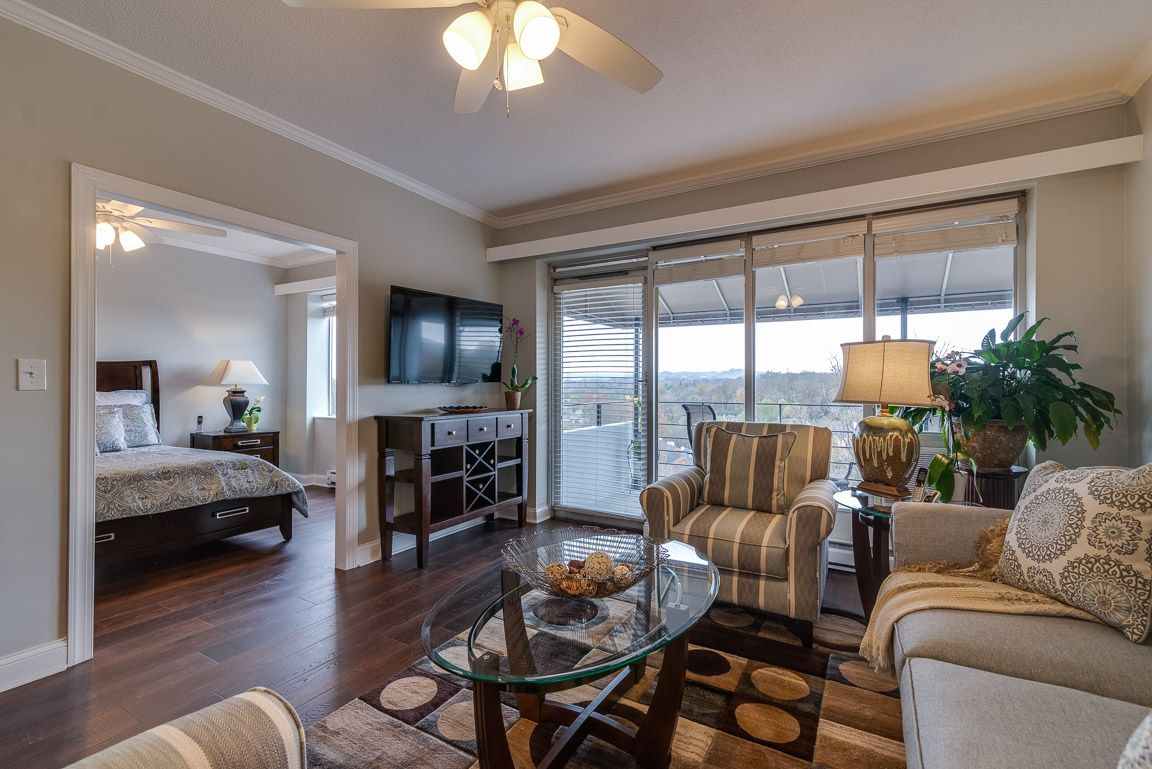
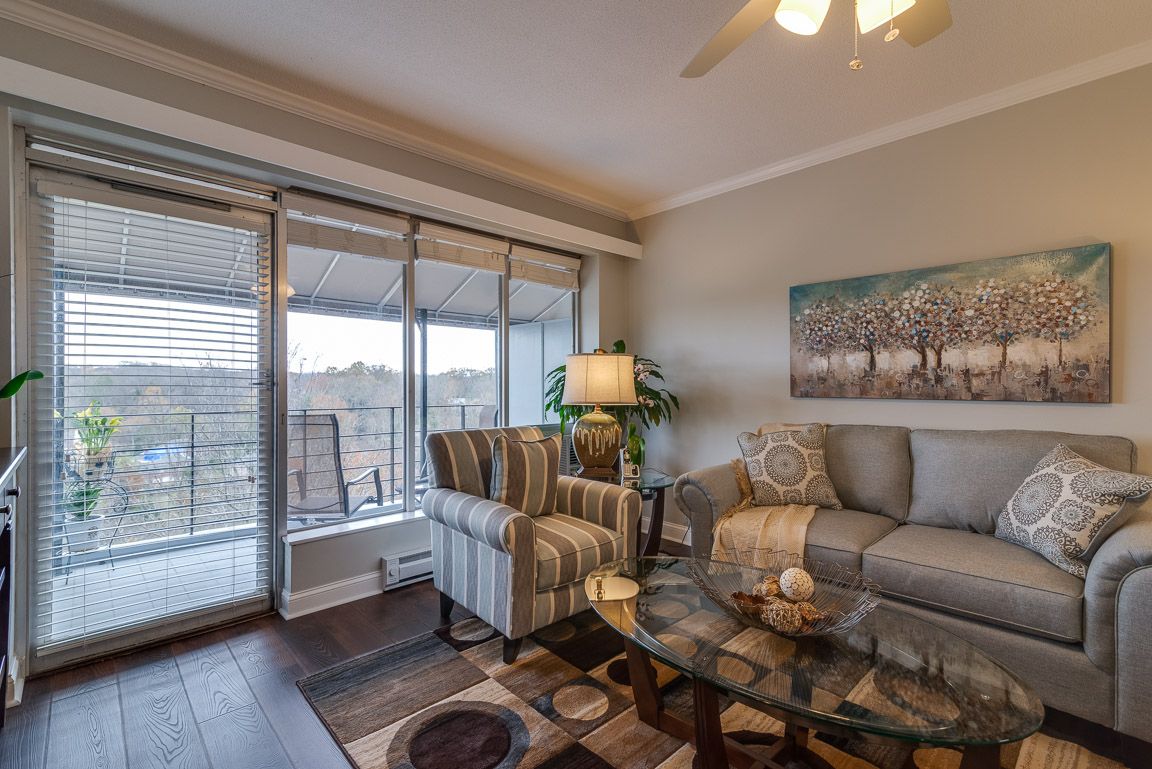
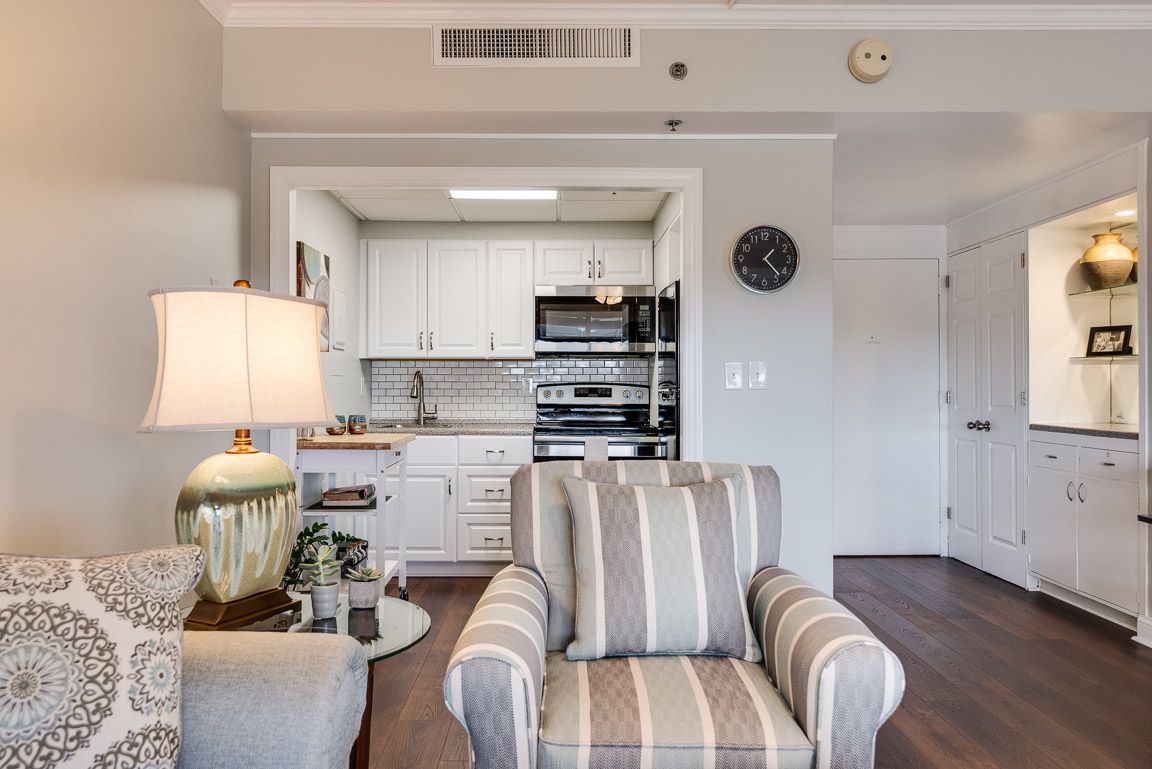
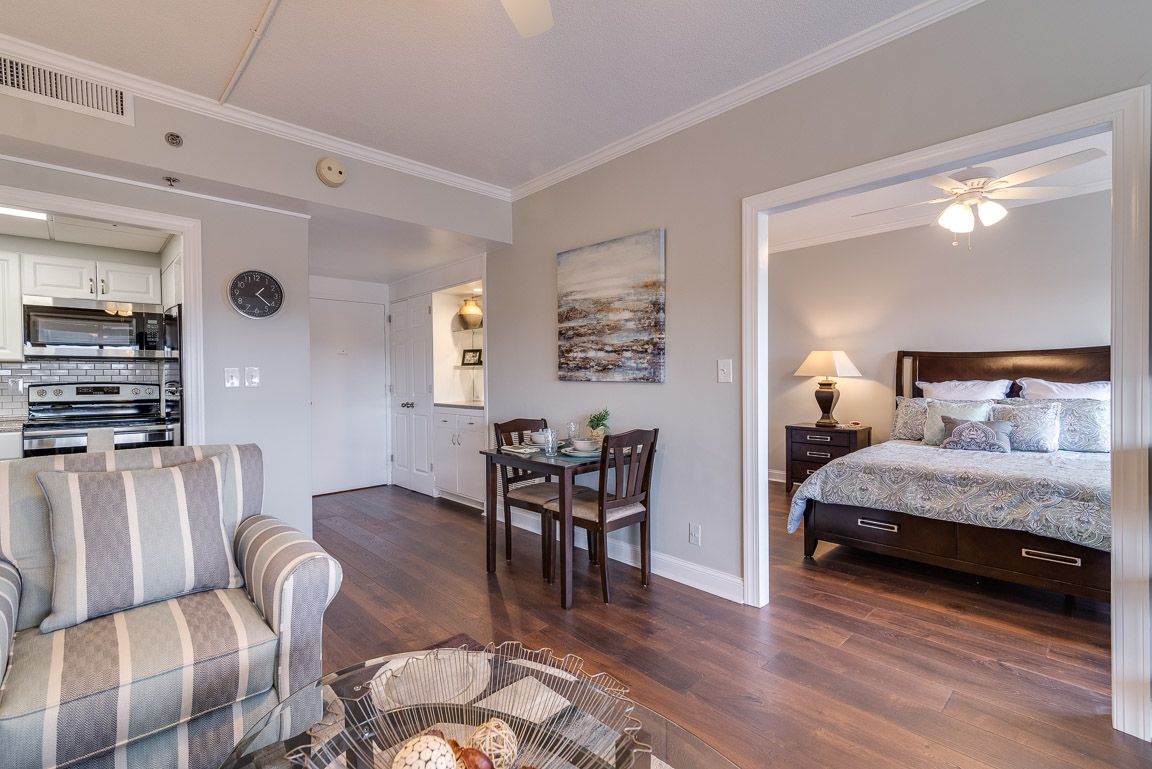
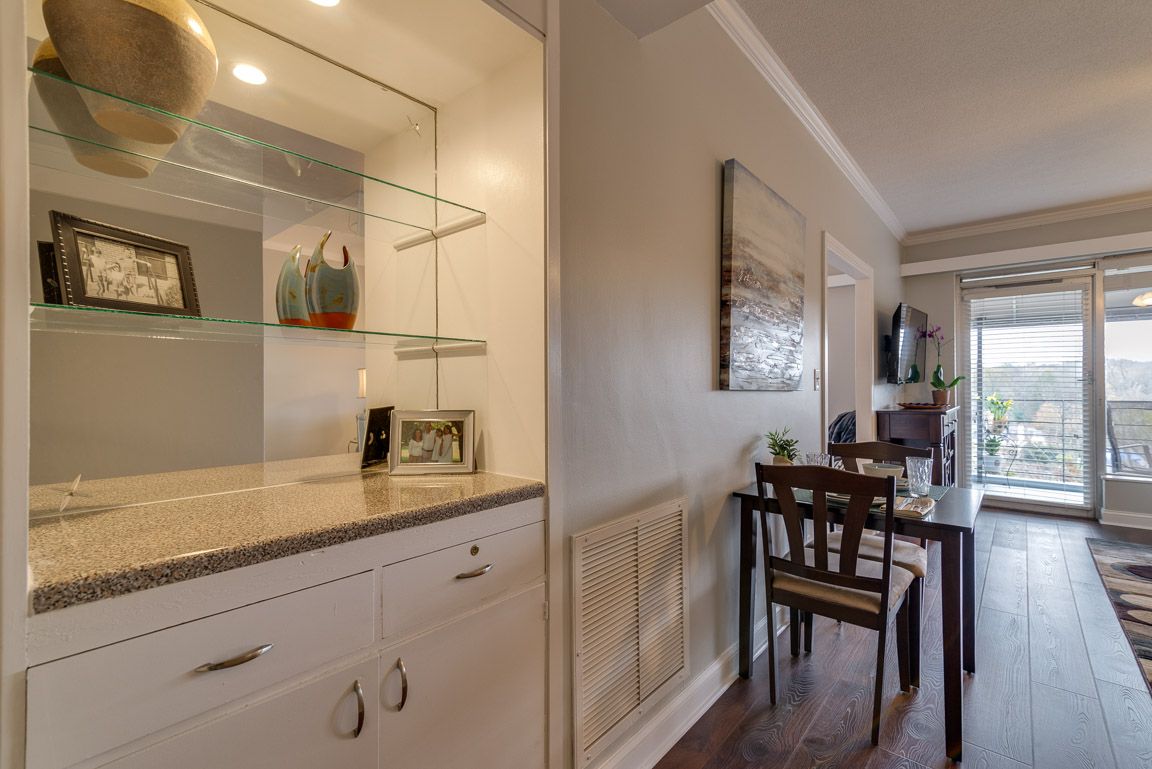
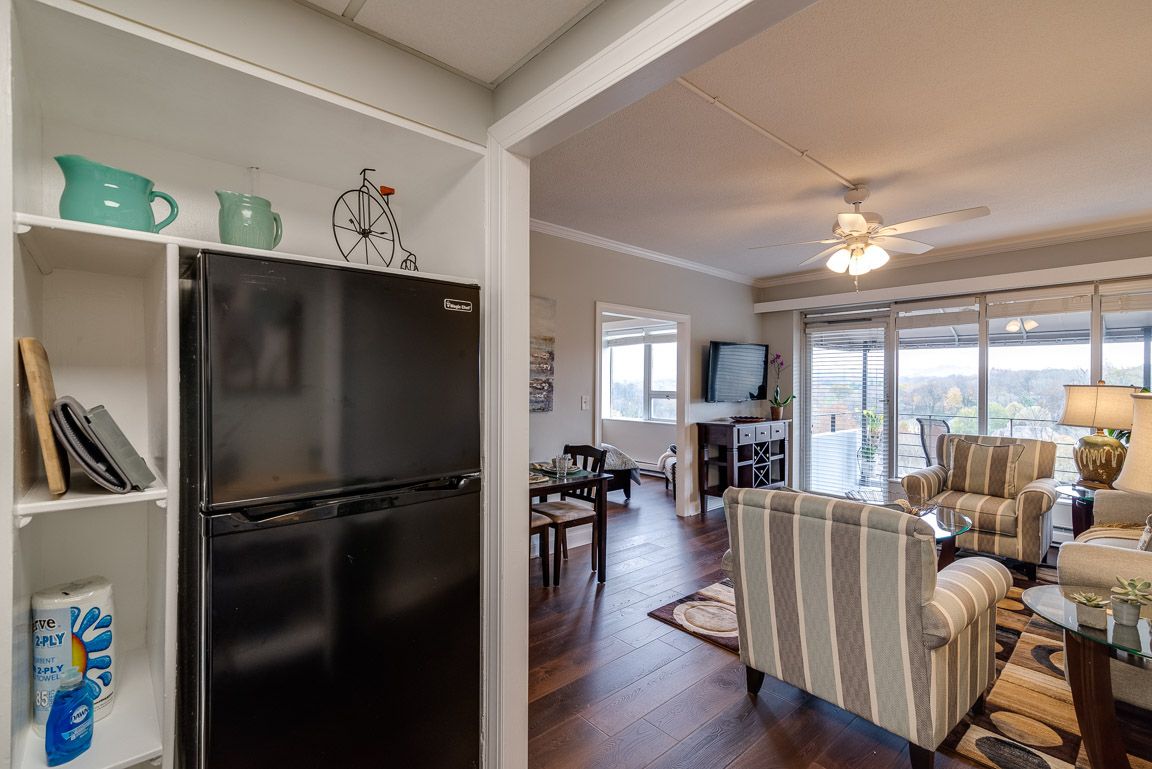
Interwoven with those strengths are practical amenities that matter in daily decisions. Residents can move between independent living, assisted living, and reminiscent/dementia care without leaving the same community, which eases transitions for families and preserves social connections. Dining and daily activities are described as high quality, with opportunities for meaningful participation throughout the day. The physical setting, spacious apartments, a robust activity calendar, and a generous common area, theoretically supports both independence and supervised care, enabling families to plan around evolving needs while maintaining familiar routines and social ties.
Still, discernible gaps appear in some reviews that prospective residents should weigh heavily. Not all staff interactions are consistently described as exemplary, with some accounts lamenting distractions or lapses in attention when supervision isn’t constant. The concerns about safety and care in racially and culturally diverse staffing scenarios suggest a need for robust ongoing training and accountability measures, especially in dementia and diabetic care. Dining service, though praised in places, is also noted as an area needing training, indicating that top‑tier care requires ongoing, concrete improvements beyond initial impressions.
For families weighing a decision, the bottom line is practical: Abe’s Garden/Park Manor offers a compelling, well‑rounded option for memory care integrated with independent and assisted living, anchored by a caring staff, vibrant engagement, and a homey environment. To decide confidently, schedule a candid tour focused on safety culture, staffing ratios, and how incidents are tracked and resolved; request current dementia‑specific programming details; verify diabetes management practices and medication oversight; and meet front‑line caregivers to gauge responsiveness when the resident is not under direct supervision. If consistent safety oversight, equitable treatment, and transparent accountability are non‑negotiables, explore a few alternative communities to compare how they structure care governance. For the right family, Abe’s Garden/Park Manor can feel like a saving grace, provided the key protections and ongoing training are verified from day one and maintained long after the move‑in.
 64 resident community capacity
 Assisted Living
 Independent Living
 Memory Care
 Air-conditioning
 Beauty salon
 Cable or satellite TV
 Computer center
 Dining room
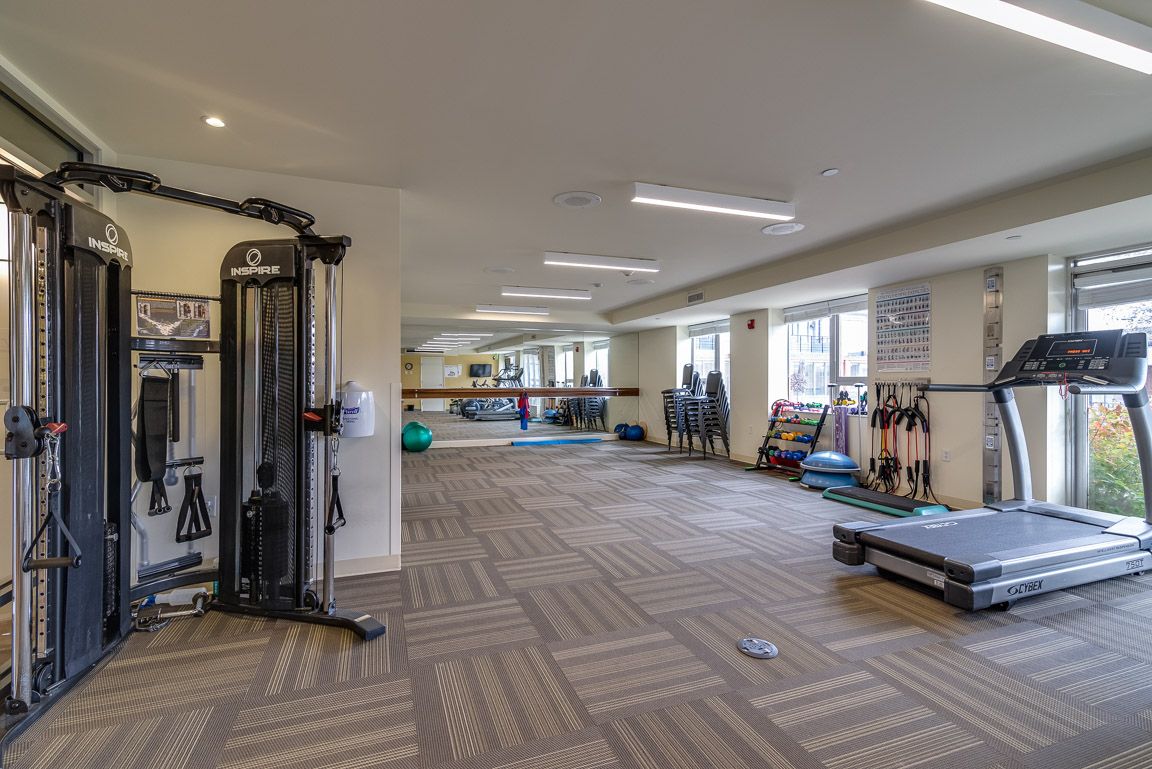
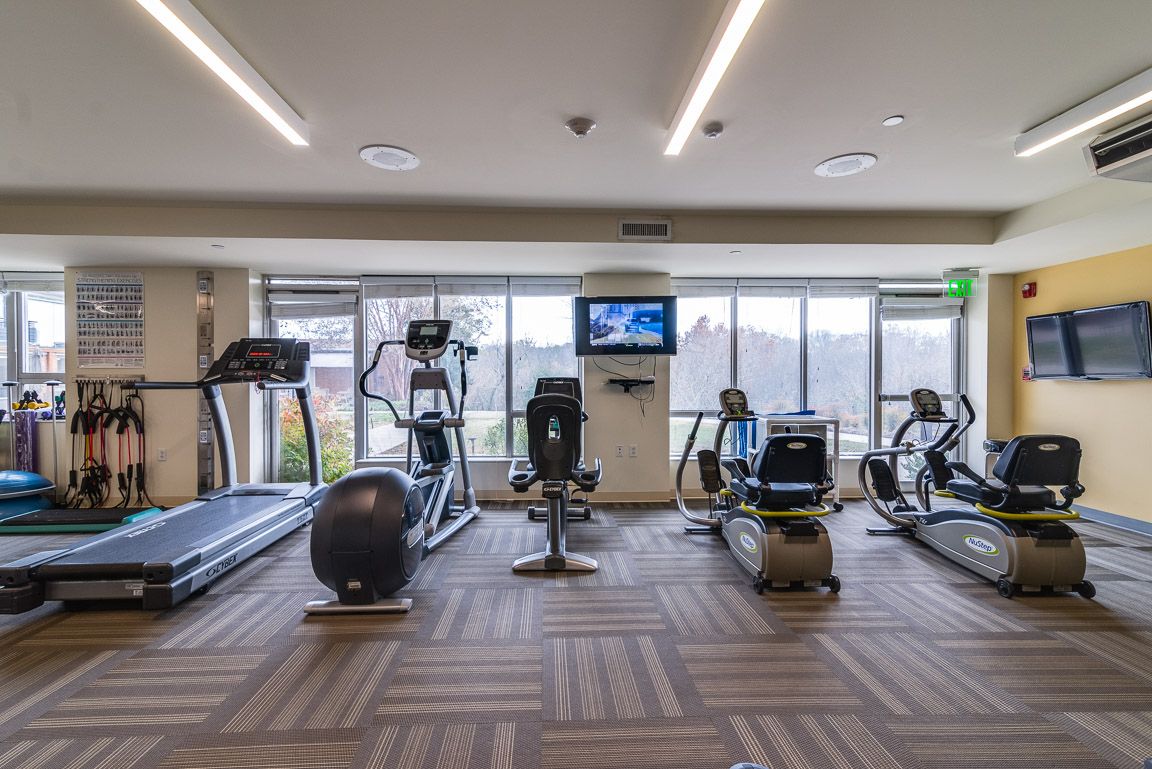
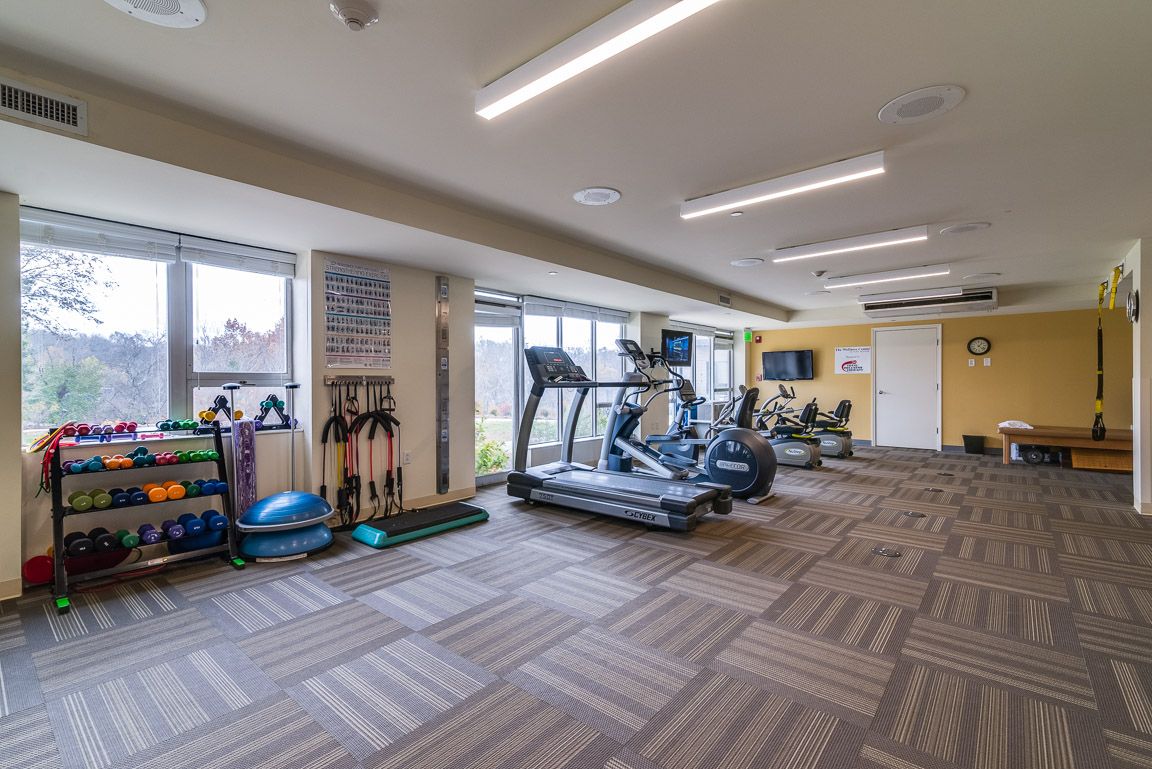
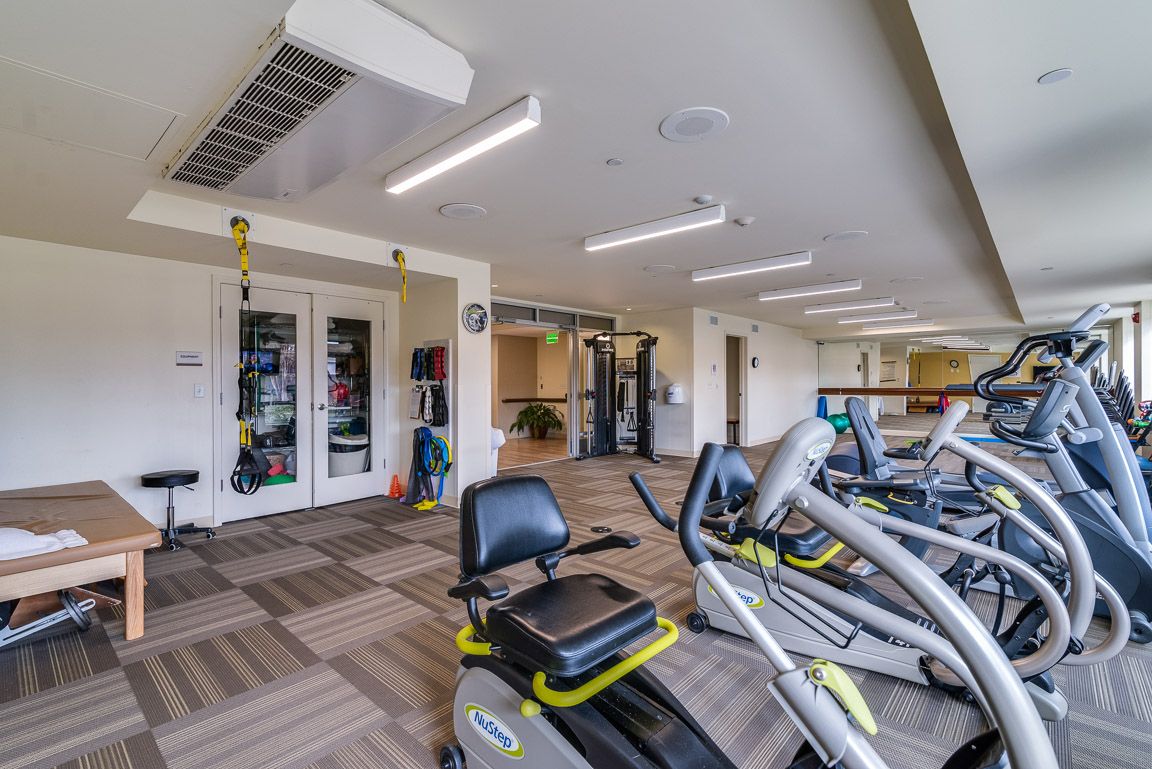
 Fitness room
 Fully furnished
 Gaming room
 Garden
 Housekeeping services
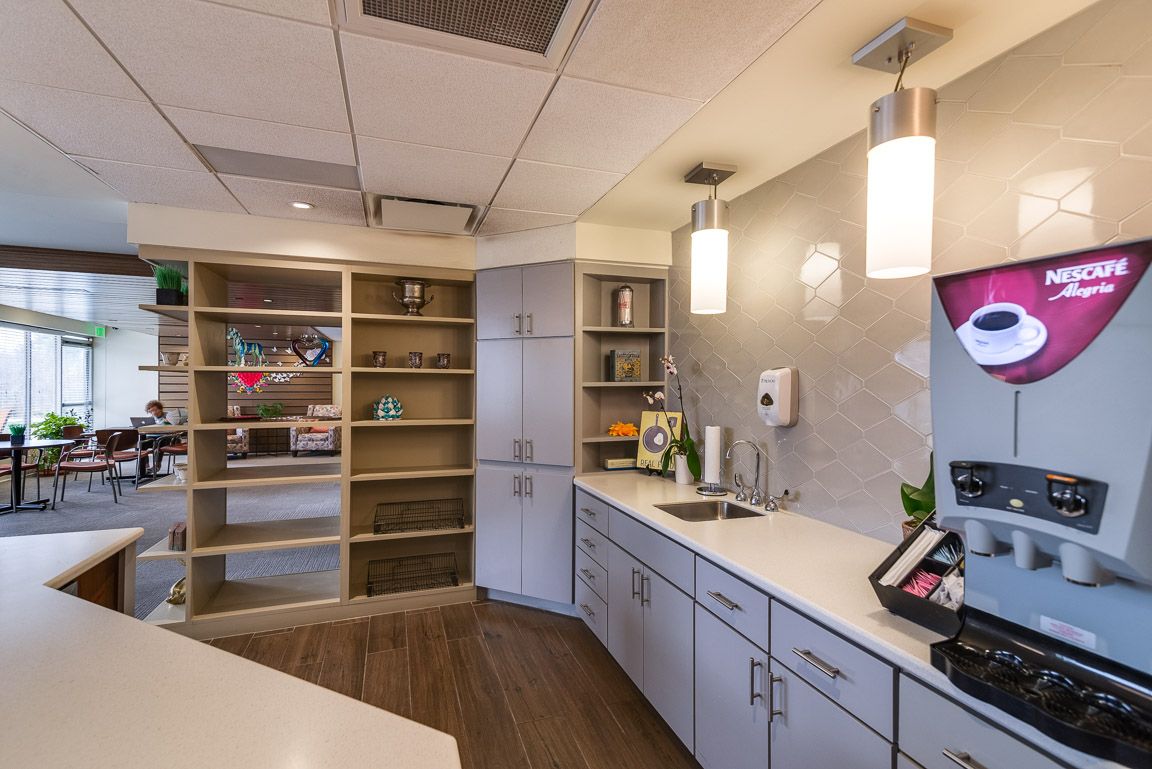
 Kitchenette
 Move-in coordination
 Outdoor space
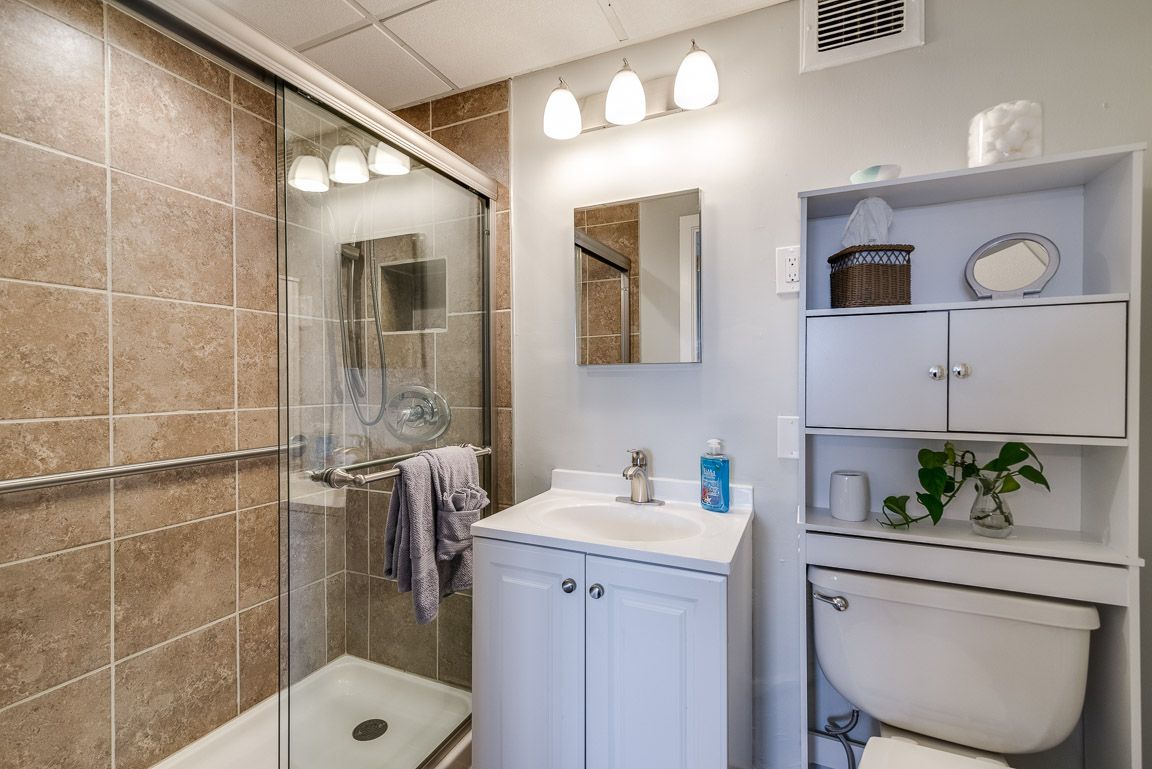
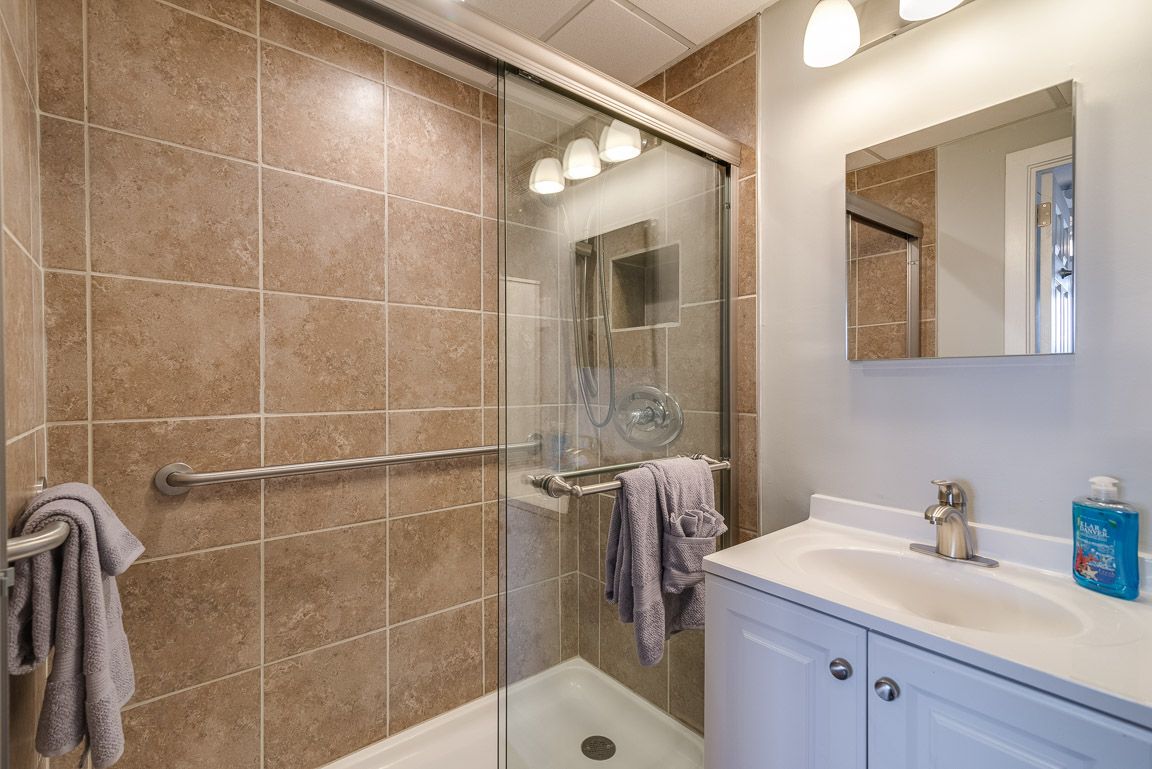
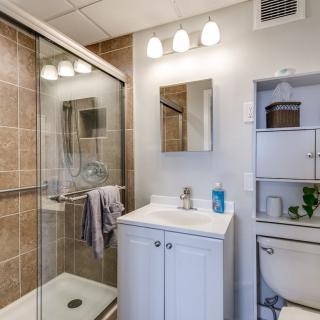
 Private bathrooms
 Restaurant-style dining
 Small library
 Telephone
 Wellness center
 Wi-Fi/high-speed internet available
 Nashville International (9 miles away)
 Community operated transportation
 24-hour call system
 Activities of daily living assistance
 Assistance with bathing
 Assistance with dressing
 Assistance with transfers
 Diabetes diet
 Medication management
 Mental wellness program
 Special dietary restrictions
 Concierge services
 Planned day trips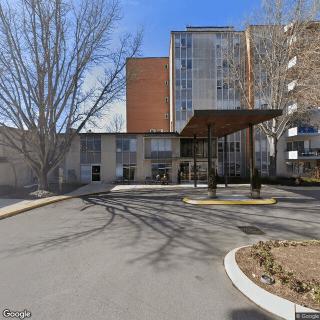



 Understanding Dementia Behaviors: Practical Insights and Strategies for Caregivers
 When Dementia Sparks Anger and Aggression: Understanding the Connection and Ways to Cope
 Dementia Behaviors: In-Depth Understanding and Effective Coping Strategies