
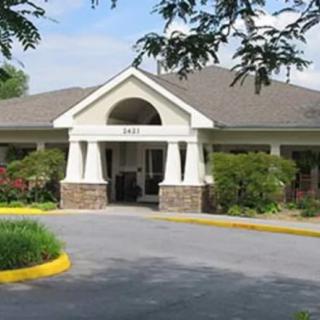
2303 North John B. Dennis Highway, Kingsport, TN 37660
For more information about senior living options: (866) 208-4318
Overall Review of Preston Place II
Pros
 Preston Place II is described as simply the best and a blessing to families.
- The staff provide a perfect mix of professionalism, understanding, knowledge, and sincere care for residents.
- The facilities are beautiful, comfortable, and well-suited to residents’ needs.
- Families express deep gratitude for the loving care their loved ones receive.
- Residents are kept socially engaged through diverse activities, feeling loved and included.
- The nurses and caregiving staff are kind, loving, and dedicated.
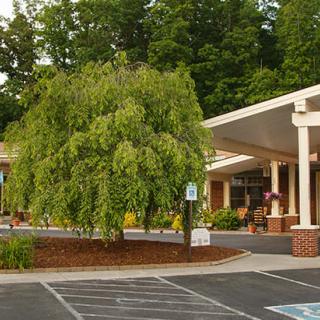
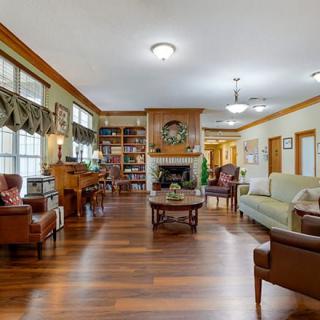
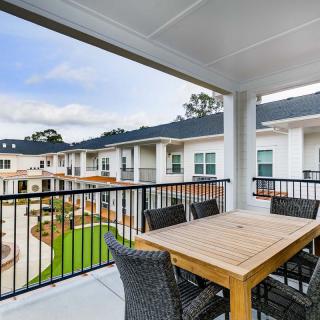
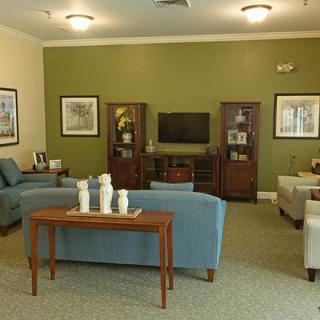
- The facility feels welcoming and homelike, with spaces like sunrooms and activity rooms that residents enjoy.
- Meals are nutritious and well-liked, contributing to residents’ well-being.
- The staff communicate regularly with families, sharing updates and photos.
- Turnover is minimal, fostering consistent, familiar caregivers for residents.
- The administration and director are caring and long-tenured, with programs that feel like home.
- The environment is spotless, cheery, and home-like, with opportunities to personalize spaces.
Cons
 Nurse Beverly was rude.
- The facility requires residents to be mobile, which can be a barrier for those with limited mobility.
- The reviewer had to relocate his father to another community after he fell and broke his hip and became non-mobile.
Review
Preston Place II in Kingsport is best suited for families seeking a memory-care oriented, homelike setting where staff engagement is central and daily life revolves around purposeful activities. The community’s small size, roughly 37 residents, cultivates real relationships, with caregivers described as consistently compassionate, knowledgeable, and genuinely invested in residents’ well‑being. It feels like a home, not a clinic, with a sunroom, living room, and an activities room that invite participation without intimidation. Memory-care staff are praised for staying connected with families, coordinating regular updates, photos, and gentle reminders to keep residents socially engaged. Meals are noted as nutritious and enjoyable, and daily programming, from painting sessions to movie afternoons and light exercise, keeps residents active and gives them a clear sense of belonging. For families prioritizing warmth, stability, and visible, hands-on attention, Preston Place II delivers.
That said, Preston Place II may not fit every situation. The most important caveat concerns mobility and medical acuity: at least one account notes that residents should be mobile, which excludes individuals who are non-ambulatory or require continuous, high-level medical supervision beyond what a small, memory-care focused team can safely provide. For seniors needing substantial nursing oversight, frequent skilled interventions, or more intensive clinical resources, a larger assisted-living with stronger medical capacity or a traditional skilled-nursing setting may be more appropriate. Families seeking a more clinical, hospital-like environment or expecting rapid access to a broad menu of specialized therapies may also find alternatives better aligned with their expectations. The balance here leans strongly toward memory-care warmth and social vitality, not toward high-acuity medical infrastructure.
On balance, the strongest positives, staff consistency, deep familiarity with residents, and a robust slate of social and creative activities, largely offset the few drawbacks. Caregivers are repeatedly described as knowing residents by name, communicating frequently, and treating each person like family. The emphasis on memory-care programming, regular meaningful activities, personalized reminders, and opportunities to socialize, helps residents feel seen and valued, often translating into better mood and engagement. The homelike design, the option to furnish rooms with personal belongings, and shared spaces built for interaction all contribute to a true sense of home. The occasional misstep, such as a report of rude behavior by a nurse, appears to be an isolated note in an otherwise steady pattern of attentive care. The small community size further reduces impersonality and supports predictable routines that many families want during challenging transitions.
Concretely, Preston Place II excels at keeping residents moving and socially engaged within a safe framework. A typical day features art projects, light exercise, and opportunities for conversation, with staff providing ongoing supervision and gentle prompting. Families report that the staff’s familiarity with each resident extends beyond routine care to genuine relationships, making visits feel welcomed and reassuring even when local family members cannot be present daily. The facility’s homelike feel, hardwood floors, the option to bring personal furniture, and inviting common areas, helps residents adjust to life as part of a community. Yet the same emphasis on social programming can be a mismatch for those who require intensive medical monitoring or who are bedbound; in such cases the absence of high-acuity nursing on site may create gaps. Prospective residents should verify that care levels align with mobility and medical needs before making a commitment.
Decision-makers should approach Preston Place II with a structured inquiry. Observe staff interactions and ask about mobility criteria and admission for non-ambulatory residents. Inquire about on-site medical supports and how rapidly skilled needs are addressed. Seek details on memory-care programming: staff stability, daily schedules, activity adaptations, and how families stay informed. Request clarity on meals and dietary accommodations, and how family participation is arranged. With a compact resident population, real-time communication is feasible, but confirm preferred channels and frequency. If possible, consider a short visit or a written day‑in‑the‑life plan to ensure alignment with routines and expectations.
Overall, Preston Place II stands out as a dependable, heartfelt option for families prioritizing a warm, engaging memory-care environment with a committed staff and a true home atmosphere. The combination of caregiver continuity, abundant activity programming, nutritious meals, and proactive family communication creates meaningful quality of life for residents who benefit from social engagement and memory-supportive routines while maintaining mobility. The primary caveat remains suitability for those needing high-acuity medical services or who cannot mobilize safely without extensive assistance. When those conditions align, Preston Place II offers solid value in a Kingsport setting, providing reassurance that a loved one will be socially connected and cared for. For families weighing options, a careful assessment of mobility status, cognitive needs, and desired daily interaction will reveal whether Preston Place II provides the right balance of warmth, engagement, and care.
 36 resident community capacity
 Assisted Living
 Beauty salon
 Cable or satellite TV
 Dining room
 Fully furnished
 Garden
 Housekeeping services
 Kitchenette
 Move-in coordination
 Outdoor space
 Telephone
 Wi-Fi/high-speed internet available
 Tri-Cities Regional (8 miles away)
 24-hour call system
 Activities of daily living assistance
 Assistance with bathing
 Assistance with dressing
 Assistance with transfers
 Diabetes diet
 Meal preparation and service
 Medication management
 Mental wellness program
 Special dietary restrictions
 Transportation arrangement (medical)
 Transportation to doctors appointments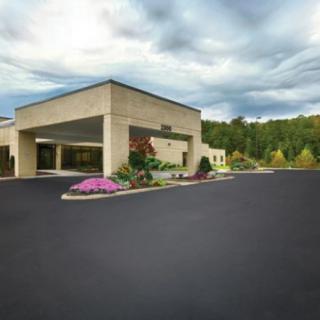



 Assisted Living Expenses and Long-Term Care Insurance: A Comprehensive Exploration
 Securing Financial Support for Assisted Living: A Comprehensive Overview
 Social Security Benefits and Assisted Living: Navigating Options Across the U.S.