
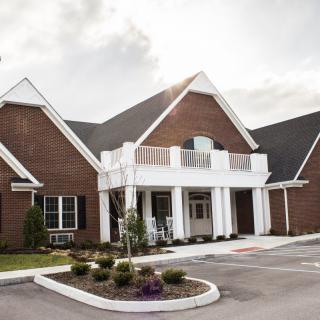
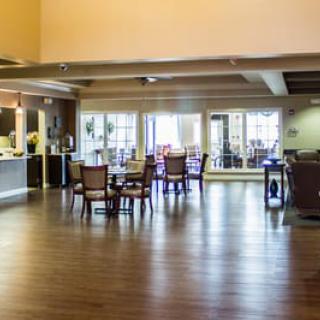
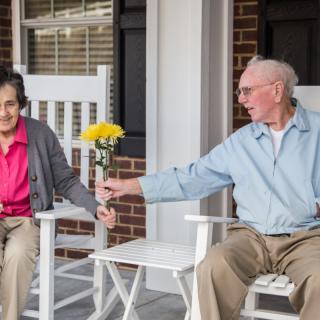
2105 E Lakeview Dr, Johnson City, TN 37601
To contact a resident: (423) 926-1292
For more information about senior living options: (866) 208-4318
The Courtyards at Johnson City - The Gardens Costs & Pricing
The Courtyards at Johnson City - The Gardens offers competitive pricing for its residents, with semi-private rooms available at $3,446 per month, which is slightly below the average cost in Washington County ($3,464) and significantly above the state average of $3,162. For those seeking a studio apartment, the monthly rate is set at $4,200, reflecting a premium compared to both county and state averages of $3,544 and $3,485 respectively. These rates indicate that while The Courtyards may be somewhat higher than local averages for certain room types, they likely provide unique amenities or services that justify this investment in quality care and comfort.
| Floor plans | The Courtyards at Johnson City - The Gardens | Washington County | Tennessee |
|---|---|---|---|
| Semi-Private | $3,446 | $3,464 | $3,162 |
| Studio | $4,200 | $3,544 | $3,485 |
Memory care communities with a similar price nearby
-
from -$446 / mo
Sycamore Springs Senior Living Community
$3,000 to $4,200 / month5.5 miles away -
from +$360 / mo

Oakmont at Gordon Park
$3,806 to $6,072 / month19.8 miles away -
About the same
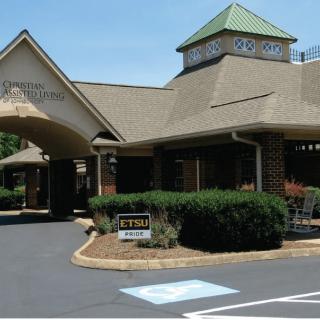
Christian Assisted Living of Johnson City
$3,350 to $3,700 / month3.2 miles away -
About the same
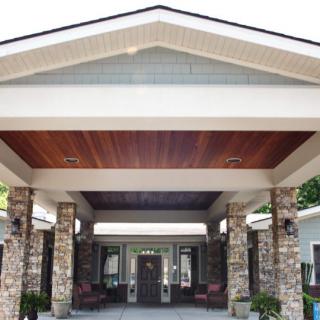
The Village At Allandale
$3,450 to $3,900 / month21.7 miles away -
from -$446 / mo

Family Ministries Retirement & Assisted Living
$3,000 to $3,500 / month17.3 miles away
Overall Review of The Courtyards at Johnson City - The Gardens
Pros
 The caregiver staff is very caring.
- The Courtyards has great staff and serves as a temporary safe haven and place to heal for loved ones.
- They would recommend The Courtyards at Johnson City to other families seeking a place for their loved ones.
- The activities director has dramatically improved activities for residents.
- The facility director is excellent and is the main reason the facility is well run, putting residents first.
- The staff shows care, compassion, and concern in assisting residents with physical improvement and emotional support, making Courtyards feel like a second family.
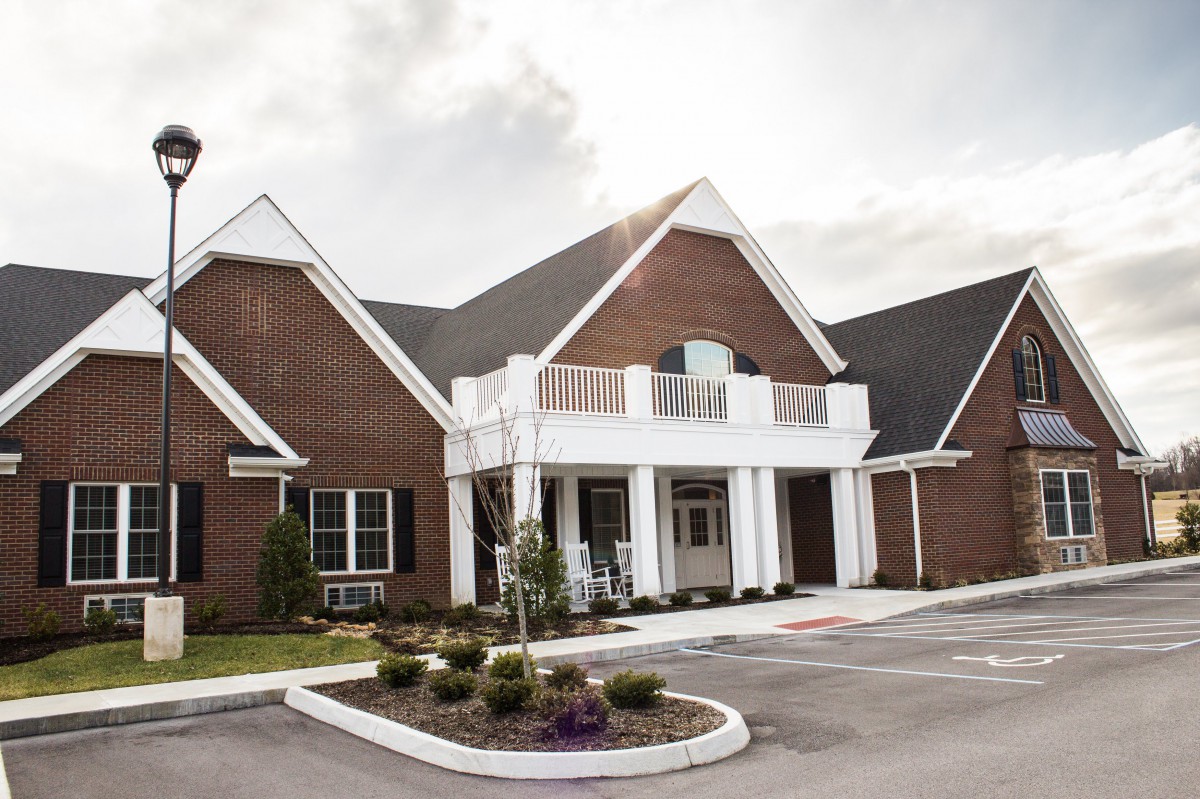
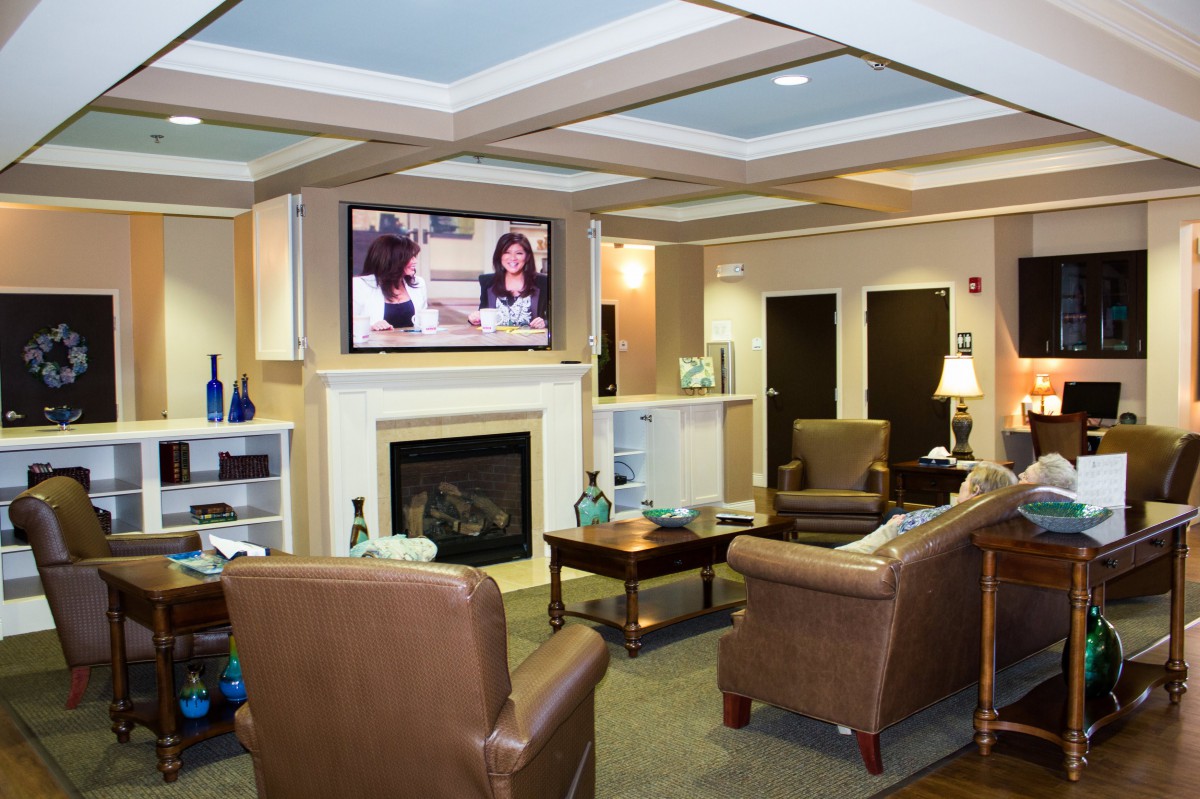
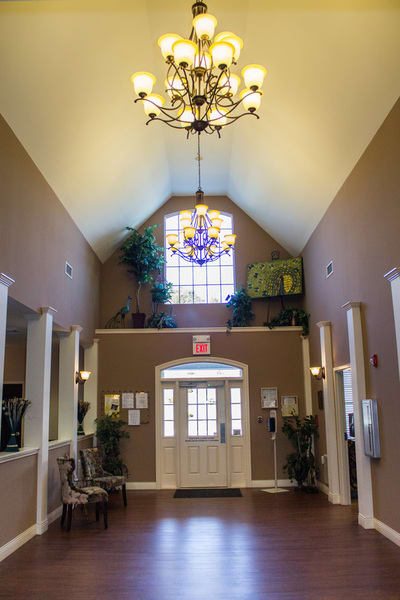
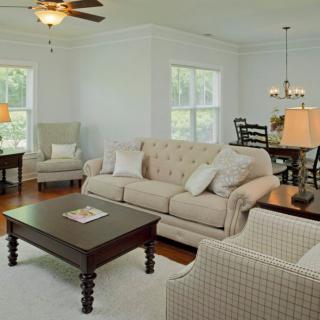
- The Courtyards is a great home that feels sunny and bright, is clean and well kept, and offers a sense of security.
- The community is reasonably priced and provides a total package well above average.
Cons
 The follow-up from the director and head nurse needs drastic improvement.
- The nursing staff was not sufficient for her needs.
- There were often no nurses available, and there was no return phone call or answer to questions.
- The facility tried to bill for nursing care that the resident did not receive, and could not produce any documentation.
- There were three instances in which items were stolen from the resident's room, including cash and gift cards.
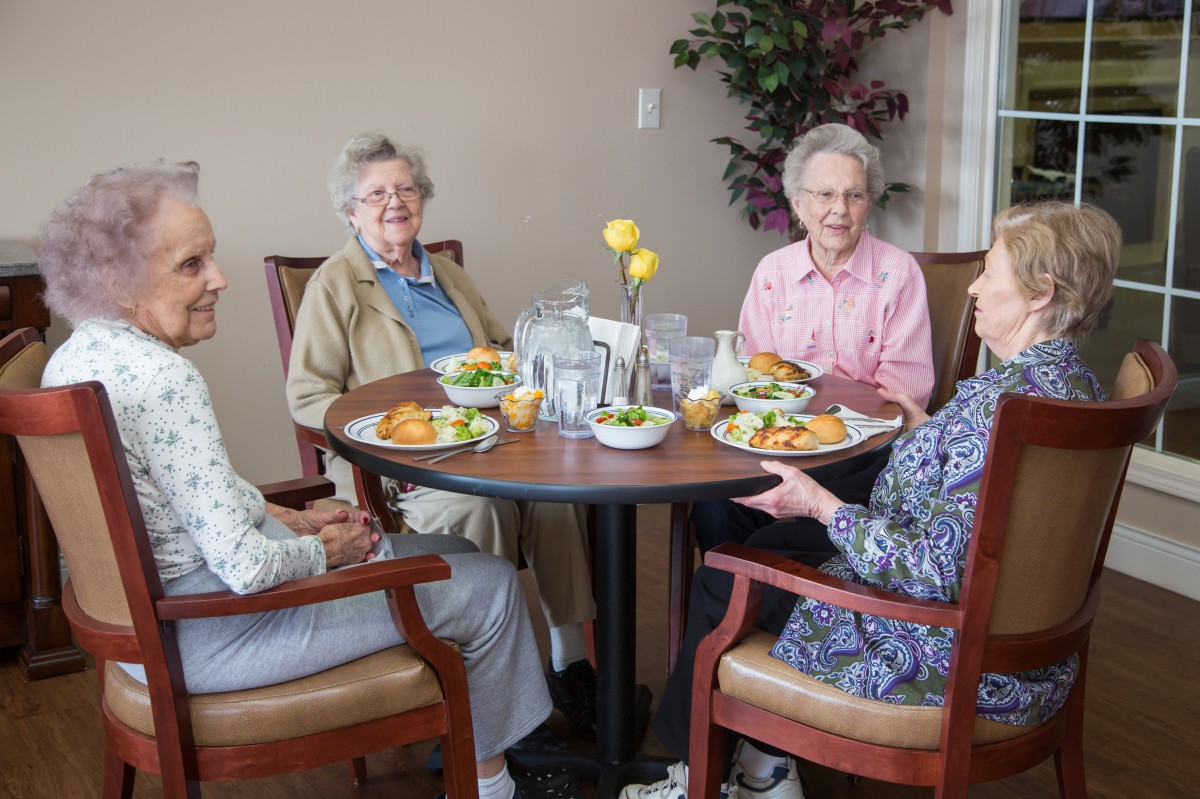
- The meals and dining area needed significant improvements, with healthier, fresher food and better quality meats.
- There were previously limited activities for residents.
- The staff were not trained to handle the resident's behaviors when he shutdown; and staff were observed baby-talking residents.
- The rooms seemed too hospital-like.
- The husband was not allowed to return after pulling out his catheter, and the facility would not provide any refund for the bed.
Review
The Courtyards at Johnson City - The Gardens is best suited for families seeking a warm, home-like assisted living experience on a modest budget, where small scale and personal attention trump hospital-like grandeur. The three-house setup keeps resident populations intimate, roughly 15 to 20 people per household, making daily monitoring, meaningful connection, and a sense of belonging more attainable than in larger campuses. This community genuinely shines when care partners deliver kindness and consistency, and when residents prioritize a tight-knit, supportive atmosphere over premium amenities. For seniors who value everyday warmth, predictable routines, and a sense of family, this is a compelling fit.
That said, the model can falter for residents with higher medical or behavioral needs. Families should consider alternatives if 24/7 nursing oversight, rapid access to skilled medical staff, or meticulous administrative transparency are essential. Several reviews flag inconsistent nursing coverage, missed calls, and disputes over nursing charges without clear documentation. Behavioral and cognitive challenges have tested staff capacity, and there are concerns about staff training in managing agitation or complex needs. The absence of transportation services, like scheduled bus rides, also narrows enrichment opportunities for residents who rely on outside activities for stimulation. In short, the strongest fit exists where medical intensity is moderate and family involvement can supplement gaps.
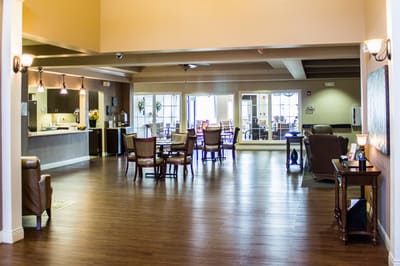
On the plus side, the caregiving team consistently earns praise for compassion and attentiveness, and the leadership has been described as resident-first, especially after recent changes in administration. The environment is kept clean and secure, with features that evoke home life: a centrally located kitchen, a house dog, and a garden that invites residents to observe or participate in daily routines. Families frequently note emotional support from staff, contributing to a sense of stability and belonging that many residents struggle to find elsewhere. When activities align with the resident’s pace and interests, the community can feel like a second family, which is a powerful offset to the daily realities of aging in place.
However, the cons deserve serious weight. Nursing shortages translate into slower responses, limited direct contact, and, at times, billing concerns when charges are disputed or lack supporting documentation. Instances of theft have left lingering doubts about securing personal belongings, and activity budgets have faced cuts that reduce off-site trips and diversify engagement beyond bingo. Administrative communication has shown volatility during leadership transitions, and some tours or first impressions suggested a setting that felt more institutional than residential. These gaps, while not universal, can erode confidence for families prioritizing consistent oversight and a broad, dynamic activity calendar.
When evaluating, prioritize concrete, verifiable details: exact nurse-to-resident ratios by shift, the process for documenting and auditing nursing services, and the steps taken to resolve any billing anomalies. Request a current, written care plan and a recent incident log, and observe staff responsiveness during a real-time tour, ideally on a busier shift. If transportation and diversified activities matter, confirm what transportation options exist and how programming adapts to varying energy levels. For families facing significant behavioral or memory-care needs, explore alternatives with dedicated memory-care tracks and higher, specialized staffing. The Courtyards may prove a prudent transitional option or budget-conscious long-term home, but medical intensity and administrative reliability remains the deciding axis.
In the end, The Courtyards at Johnson City - The Gardens delivers a compassionate, affordable, and home-like option for seniors who prize personal attention and a tight-knit community, and who can tolerate some variability in nursing coverage and administrative clarity. It serves well as a steady, low-stress home where safety, routine, and emotional support take precedence over expansive programming. For households that require consistent, high-level nursing care, guaranteed rapid administrative communication, and robust, varied activities, exploring larger facilities with stronger clinical resources is prudent. A thorough in-person tour that probes staffing rhythms, safety protocols, and true day-to-day resident interactions will crystallize fit and guide the final decision.
 Assisted Living
 Day Program
 Memory Care
 Cats allowed
 Dogs allowed
 Air-conditioning
 Beautician on-site
 Cable or satellite TV
 Devotional services off-site
 Ground floor units
 Handicap accessible
 Indoor common areas
 Outdoor common areas
 Respite or short term stays offered
 Wheelchair accessible showers
 Wi-Fi/high-speed internet available
 Tri-Cities Regional (9 miles away)
 Ambulatory care
 Diabetic care
 Incontinence care
 Medication management
 Anytime dining
 Cooking classes
 Day trips and outings
 Educational speakers / life long learning
 Happy hour
 Live dance or theater performances
 Live musical performances
 Live well programs
 Protestant services



 Delirium and Dementia: Unraveling the Key Differences
 Are Dementia and Alzheimer's Disease Lethal? A Comprehensive Exploration
 Exploring the Power of Reminiscence Therapy for Individuals With Dementia