
364 Northgate Mall Drive, Chattanooga, TN 37343
To contact a resident: (423) 877-4324
For more information about senior living options: (866) 208-4318
Overall Review of John Calvin Apartments
Pros
 Several applicants have already moved in.
- They would love to live there.
- The place felt like home and was described as a second home.
- Residents feel like family, with neighbors and staff acting like grandparents.
- Many residents have great dogs and there are lots of activities to enjoy.
- The community is friendly.
- The location is excellent for seniors, and the apartments are very nice.
- The location is close to everything.
- The staff is kind and knowledgeable.
- It is the best for retirement.
Cons
 They waited over five years to move in, while others’ applications had already moved in.
 - They feel it is not good for anyone who has to hide their pets.
- They describe the interior as an anti-social cave, despite the exterior being senior-friendly.
- They say pet owners are shamed and banned from sitting in their cars in the parking lot with their pets.
- They note dogs are not to be seen or heard here.
Review
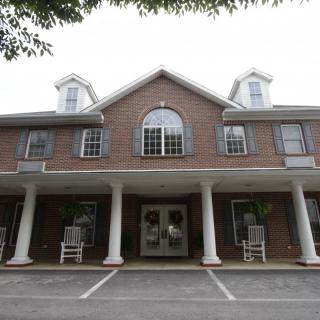
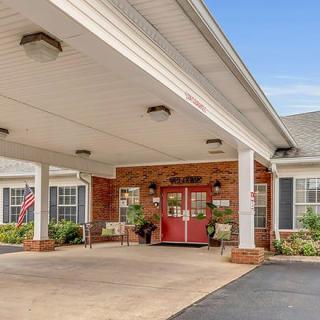
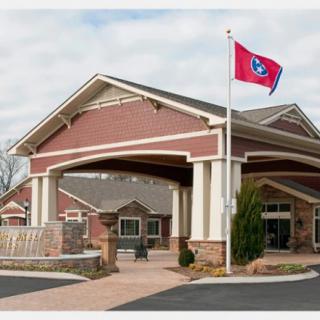
John Calvin Apartments in Chattanooga is best suited for independent seniors who want a warm, neighborly, faith-oriented environment where daily life feels like a well-worn, comfortable home. Residents who value a built-in social ecosystem, exercise classes, Sunday school, church services, and regular potlucks, will find predictable routines that promote connection and purpose. The location is a practical asset: close to shops, medical offices, and services, enabling sustained autonomy without lengthy commutes. This is not a sterile, clinical setting; it is described by many as a true second home, where staff and long-time residents create a sense of belonging that softens the transition into senior living.
Not every profile fits. The most persistent red flag is occupancy timing; multiple accounts describe lengthy or uncertain move-in timelines, with one case of a five-year lag from inquiry to housing. That dynamic matters for families hoping for a seamless transition or for residents facing declining independence who need prompt housing. Pet lovers should approach cautiously; conflicting anecdotes about pets and restrictions suggest this is not a pet-friendly community, and the impression of pet shaming in some spaces can be a significant deterrent. For seniors seeking a quieter, more private setting or a less structured social calendar, alternatives with looser programming may feel more comfortable.
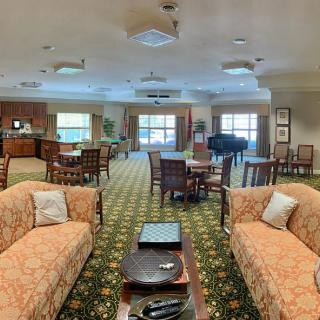
On the positive side, the daily rhythm reinforces well-being. Residents report friendly neighbors and staff who seem engaged and knowledgeable. The building’s interior is described as comfortable and the apartments themselves as nice, with the added benefit of a convenient, faith-based programmatic spine that gives residents regular opportunities to socialize, learn, and celebrate together. The proximity to essential services reduces stress around errands and medical needs, while community events create regular chances to deepen connections. For many families, watching a parent or grandparent flourish in a supportive, mildly busy environment outweighs any logistical quirks.
However, the drawbacks are tangible and substantive. Move-in delays color the experience of a community that otherwise promises warmth and inclusion. The sense that interior spaces can feel closed or “anti-social” to some residents raises questions about common-area vitality and whether there is room for introverted seniors who prefer quieter days. Pet policy friction remains a real consideration for households with dogs or cats, potentially excluding a portion of potential residents who would otherwise benefit from this setting. A comprehensive assessment should weigh these friction points against the steady social structure and staff reliability.
Despite these trade-offs, the core pros frequently compensate for the drawbacks, especially for those who prize a continuous social life and a trusted local network. The lifestyle knit, exercise classes, faith-based gatherings, shared meals, and neighborly warmth, creates meaningful routines that mitigate loneliness and keep residents engaged. The location gives practical leverage for staying active in the broader community, while the sense of “home” carries emotional weight that often translates to higher satisfaction. For families that prioritize community and continuity, these factors can translate into real, tangible improvements in day-to-day well-being.
In conclusion, John Calvin Apartments serves as a strong fit for seniors seeking a vibrant, faith-centered, community-first living option in Chattanooga, with reliable staff and a predictable social calendar. It is less suited for those who need immediate occupancy, desire a pet-friendly environment, or prefer a lower-social-intensity setting. Prospective residents should weigh the beneficial structure, companionship, and accessibility against potential move-in delays and the pet-policy limitations. For the right client, someone who values belonging, routine, and proximity to services, the community offers a durable, welcoming home that supports independence while embedding residents in a supportive, extended family.
 Active Adult Communities (55+)
 Lovell (7 miles away)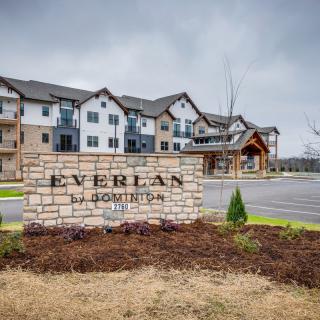



 Weight Training for Seniors: Building Strength and Vitality
 Understanding the Sandwich Generation: Stress and Responsibilities for Multigenerational Caregivers
 8 Essential Assistive Devices for Older Adults