Capstone Senior Living at Station Camp Costs & Pricing
Capstone Senior Living at Station Camp positions itself as a premium option for senior living, with costs that notably exceed both county and state averages. For a studio, residents can expect to pay $4,450 per month, significantly higher than the Sumner County average of $3,714 and the Tennessee average of $3,485. The one-bedroom units are available for $5,200, again surpassing the county's $4,058 and the state's $3,592. The pricing continues to reflect this trend in larger accommodations; two-bedroom apartments are priced at $6,570 compared to Sumner County's $4,210 and Tennessee's $3,962. Additionally, semi-private rooms are offered at a cost of $6,750 - well above both local ($4,228) and state ($3,162) benchmarks. This pricing structure suggests that Capstone Senior Living may cater to a clientele seeking enhanced services and amenities despite the higher financial commitment required.
Floor plans
Capstone Senior Living at Station Camp
Sumner County
Tennessee
Studio
$4,450
$3,714
$3,485
1 Bedroom
$5,200
$4,058
$3,592
2 Bedrooms
$6,570
$4,210
$3,962
Semi-Private
$6,750
$4,228
$3,162
Memory care communities with a similar price nearby
Overall Review of Capstone Senior Living at Station Camp
common26 reviews mention this
Staff care and communication stand out
Residents and families consistently describe caring, friendly staff and responsive communication.
Across many reviews, families describe staff as friendly, caring, and helpful, with frequent communication about residents’ needs. Multiple reviewers also mention nurses and caregiving teams being professional and supportive, including leadership that stays attentive to families. A few reviewers also express serious concerns about staffing stability and care consistency, but the more common day-to-day description focuses on kindness and engagement.
common12 reviews mention this
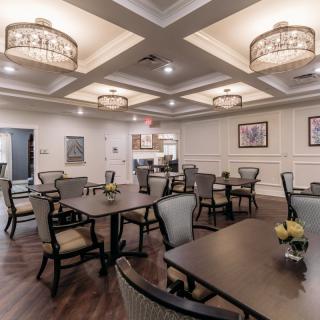
Clean, attractive buildings and spaces
Reviews commonly praise the cleanliness and overall appearance of the facility.
Many reviewers call out the facility’s cleanliness and well-kept appearance, including the building, grounds, and common areas. Families also describe welcoming spaces for residents and emphasize cleanliness as part of what makes the community feel comfortable. A smaller number of reviews mention cleanliness problems in specific rooms or areas, including concerns raised during visits.
common4 reviews mention this
Dining feels more like restaurant service
Residents describe restaurant-style dining with meals served in a dining room setting.
Several reviews highlight restaurant-style dining and meals provided in a dining room that supports social time. Some families also mention a focus on dietary options and specific menu choices, alongside guest meals. Other reviews raise concerns about food quality or meals not arriving hot or on schedule, showing that dining experiences can vary by reviewer.
differentiator6 reviews mention this
Nursing support and medication help
The community supports residents with medication management and hands-on nursing care.
A recurring point in reviews is that residents receive medical support through nursing oversight, including help with medications. Several reviewers also mention physician/PA involvement and therapeutic services such as PT happening on site. The care descriptions align with the community’s formal care capabilities, including medication management and assistance with needs like incontinence and diabetes care.
caveat6 reviews mention this
Higher cost and staffing concerns
Multiple reviews say the community feels expensive for the level of service delivered.
Some families directly question value, saying the community costs more than they expected for the care and day-to-day support being provided. Reviews also describe understaffing and delays that affect services such as finding help or getting laundry completed. Taken together, the concern is less about one feature and more about whether staffing and execution match the pricing.
caveat3 reviews mention this
Memory care safety worries appear
A number of memory-care reviewers express serious worries about safety and staffing consistency.
While many reviewers praise memory care staff as patient and skilled, a separate group raises serious concerns about safety and care reliability. These reviews describe issues such as rapid caregiver turnover, medication-handling concerns, and difficulty coordinating appropriately as dementia needs change. There are also mentions of environmental and comfort issues, including temperature and cleanliness problems that some reviewers connected to the memory care experience.
How we summarize
Counts show how many written reviews mention each theme; a review can touch several themes, and only frequently mentioned themes are displayed.
Features
Types of Care
Assisted Living
Memory Care
Pets
Cats allowed
Dogs allowed
Amenities
Activities off-site
Activities on-site
Air-conditioning
Beautician on-site
Cable or satellite TV
Devotional services off-site
Devotional services on-site
Ground floor units
Handicap accessible
Indoor common areas
Kitchenette
Outdoor common areas
Respite or short term stays offered
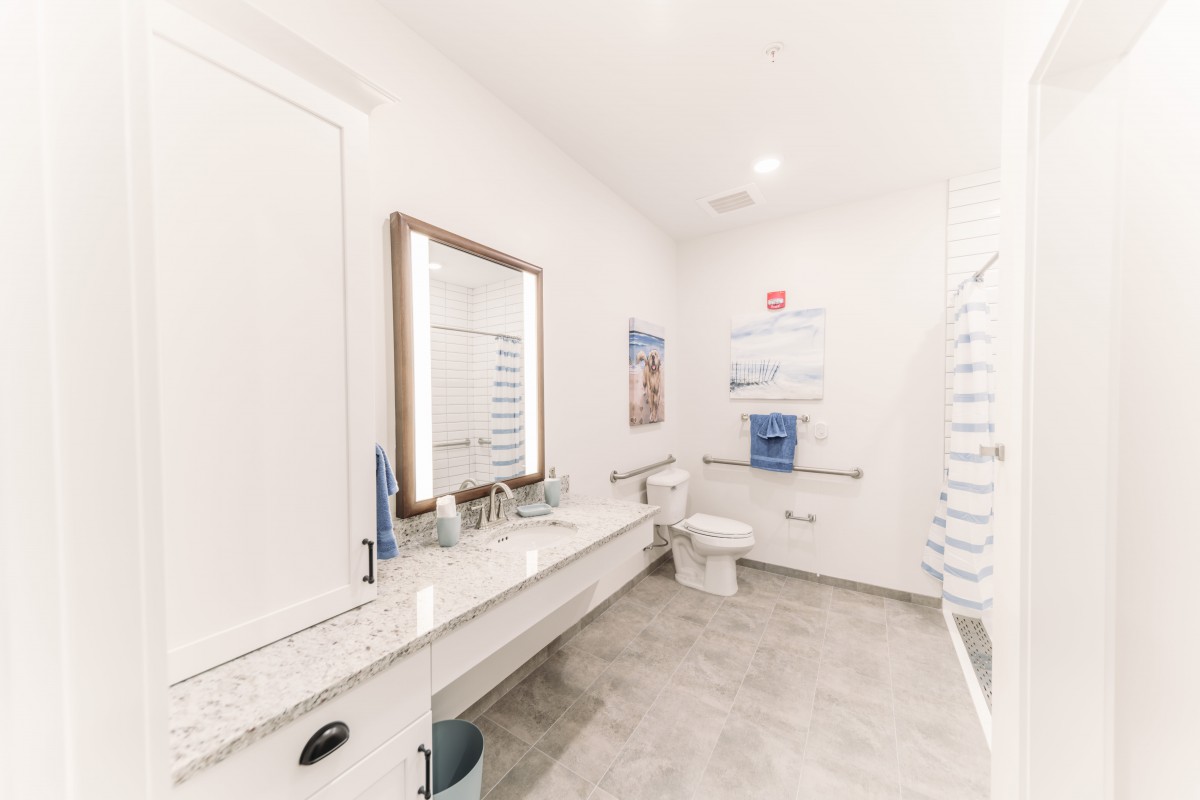
Wheelchair accessible showers
Wi-Fi/high-speed internet available
Transportation
Nashville International (22 miles away)
Care Services
Ambulatory care
Diabetic care
Incontinence care
Medication management
Dining
Anytime dining
Gluten-free
Guest meals
International cuisine
Low / no sodium
Meals provided
No Sugar
Organic
Professional chef
Restaurant style dining
Room service
Special dining programs
Vegetarian
Activities
Art classes
Catholic services
Cooking classes
Day trips and outings
Devotional activities offsite
Devotional activities on-site
Educational speakers / life long learning
Karaoke
Live well programs
Other religious services
Protestant services
Wine tasting
Nearby Places of Interest
This part of Gallatin, Tennessee offers a variety of amenities and services that may appeal to seniors looking for a convenient and comfortable living environment. With a range of restaurants nearby such as Wendy's, McDonald's, and Grant's Kitchen and Grill, there are plenty of dining options to choose from. Additionally, the presence of places of worship like Zion Upper Room Apostolic Faith Church and Northfield Church provides opportunities for spiritual connection. Access to pharmacies like Walgreens and Physicians such as Tennessee Orthopaedic Alliance offer convenience for medical needs. For recreation, parks like Triple Creek Park and Bledsoe Creek State Park offer opportunities for outdoor activities. The presence of Sumner Regional Medical Center ensures access to quality healthcare facilities in close proximity. Overall, this area provides a well-rounded community with essential services for senior residents to enjoy a fulfilling lifestyle.
Restaurants
Wendy's (0.3 miles)
McDonald's (0.3 miles)
Grant's Kitchen and Grill (0.3 miles)
Waffle House (0.6 miles)
Top Hog BBQ (0.6 miles)
KFC (0.8 miles)
Taco Bell (0.9 miles)
Places of Worship
Zion Upper Room Apostolic Faith Church (0.3 miles)
Northfield Church (5.4 miles)
Crosspoint Church (8.3 miles)
Our Lady of the Lake Catholic Church (8.3 miles)
Long Hollow Baptist Church (8.9 miles)
First United Methodist Church (10.1 miles)
The Movement Church (11.1 miles)
Cafes
Black Press Coffee Shop (0.5 miles)
Starbucks (1 miles)
Panera Bread (1.2 miles)
Black Press Coffee Shop (2.5 miles)
Starbucks (8.8 miles)
Lyncoya Cafe (10.7 miles)
Black Press Coffee Shop (11 miles)
Pharmacies
Walgreens (0.6 miles)
Perkins Drugs & Gift Shoppe (1.1 miles)
Walgreens (3.4 miles)
Walgreens (10.2 miles)
Walgreens (10.3 miles)
CVS Pharmacy (10.3 miles)
Walgreens (11.4 miles)
Physicians
Tricare (0.6 miles)
Tennessee Orthopaedic Alliance (0.7 miles)
Middle Tennessee Nephrology (0.7 miles)
Same Day DOT Physicals Drug & Alcohol Testing (1.1 miles)
Capstone Senior Living at Station Camp positions itself as a premium option for senior living, with costs that notably exceed both county and state averages. For a studio, residents can expect to pay $4,450 per month, significantly higher than the Sumner County average of $3,714 and the Tennessee average of $3,485. The one-bedroom units are available for $5,200, again surpassing the county's $4,058 and the state's $3,592. The pricing continues to reflect this trend in larger accommodations; two-bedroom apartments are priced at $6,570 compared to Sumner County's $4,210 and Tennessee's $3,962. Additionally, semi-private rooms are offered at a cost of $6,750 - well above both local ($4,228) and state ($3,162) benchmarks. This pricing structure suggests that Capstone Senior Living may cater to a clientele seeking enhanced services and amenities despite the higher financial commitment required.
Capstone Senior Living at Station Camp offers specialized medication management to ensure residents receive their prescriptions accurately and on time, which is crucial for maintaining their overall health and cognitive function. This service not only alleviates the stress on families but also minimizes the risk of medication errors that can exacerbate confusion or behavioral issues common in dementia patients. In addition, incontinence care is tailored to provide dignity and comfort, addressing a sensitive issue that often accompanies memory loss conditions. By offering discreet assistance and promoting hygiene, residents can feel more secure and relaxed, fostering an environment conducive to engagement and well-being. Together, these features create a supportive atmosphere that prioritizes individual needs while enhancing the quality of life for those living with dementia or Alzheimer's disease.
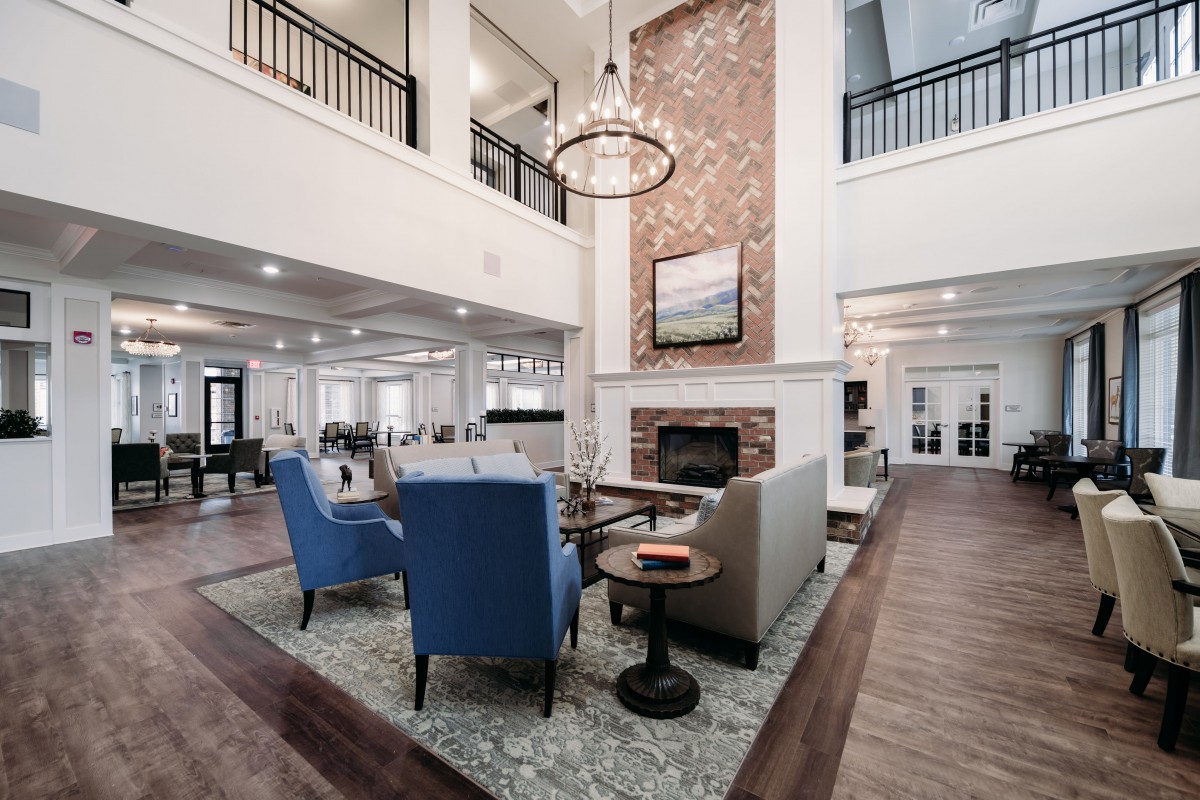
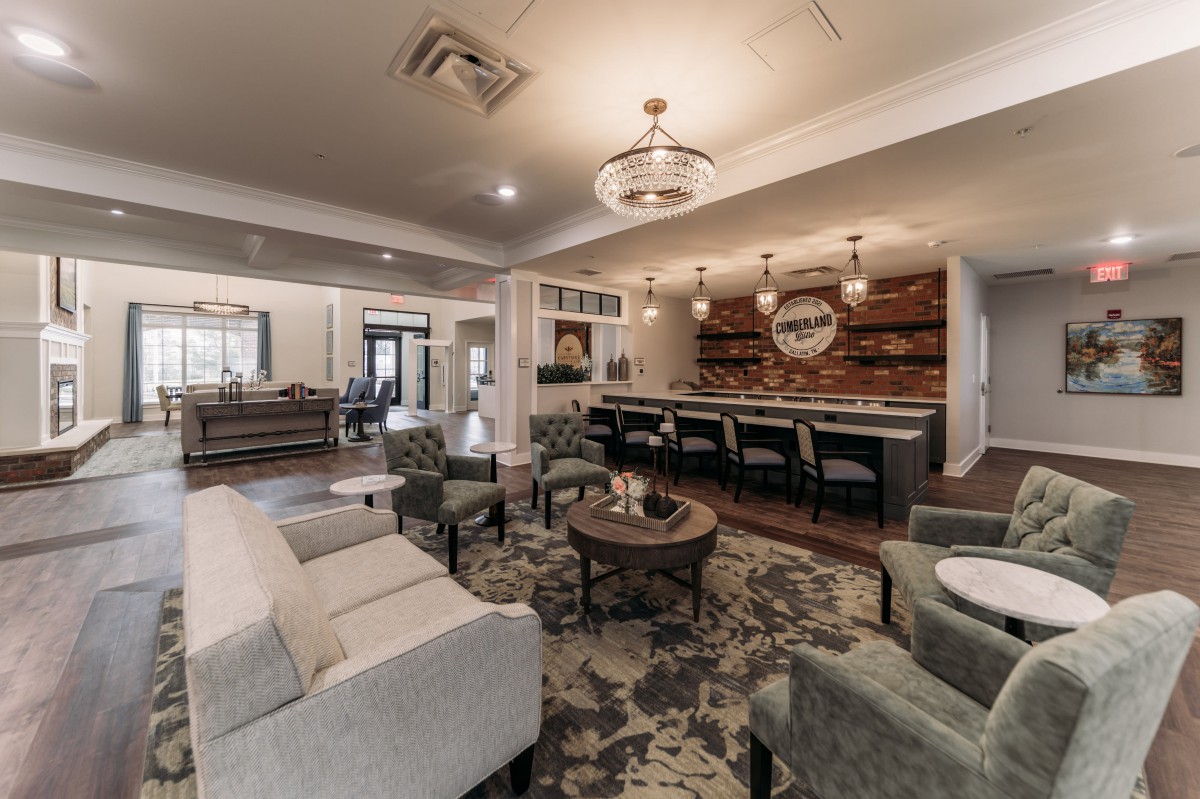
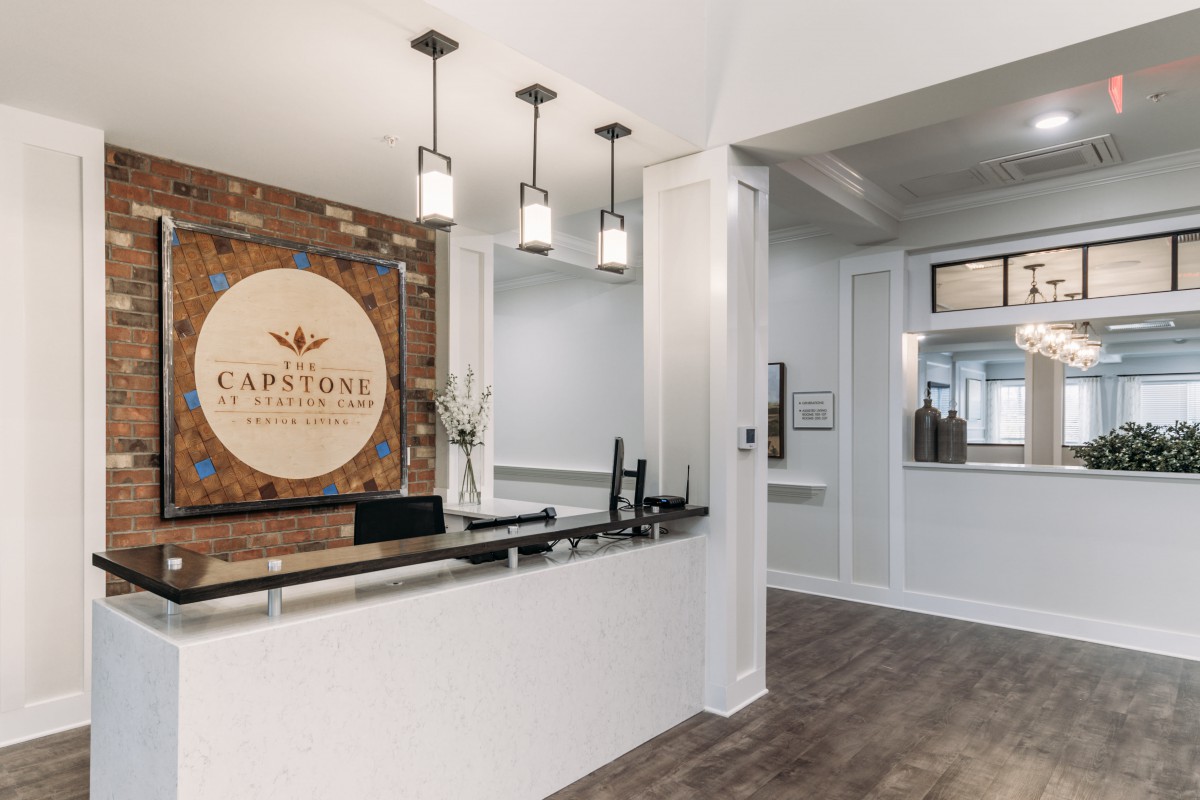
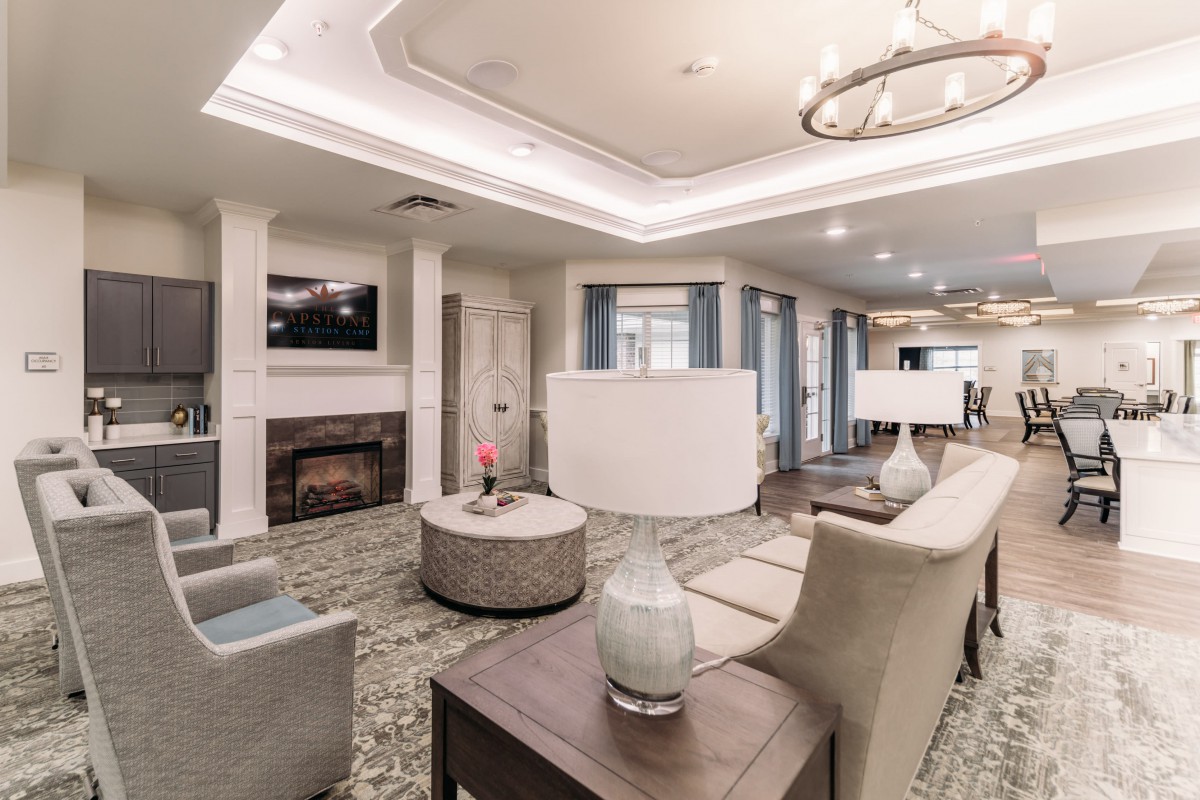
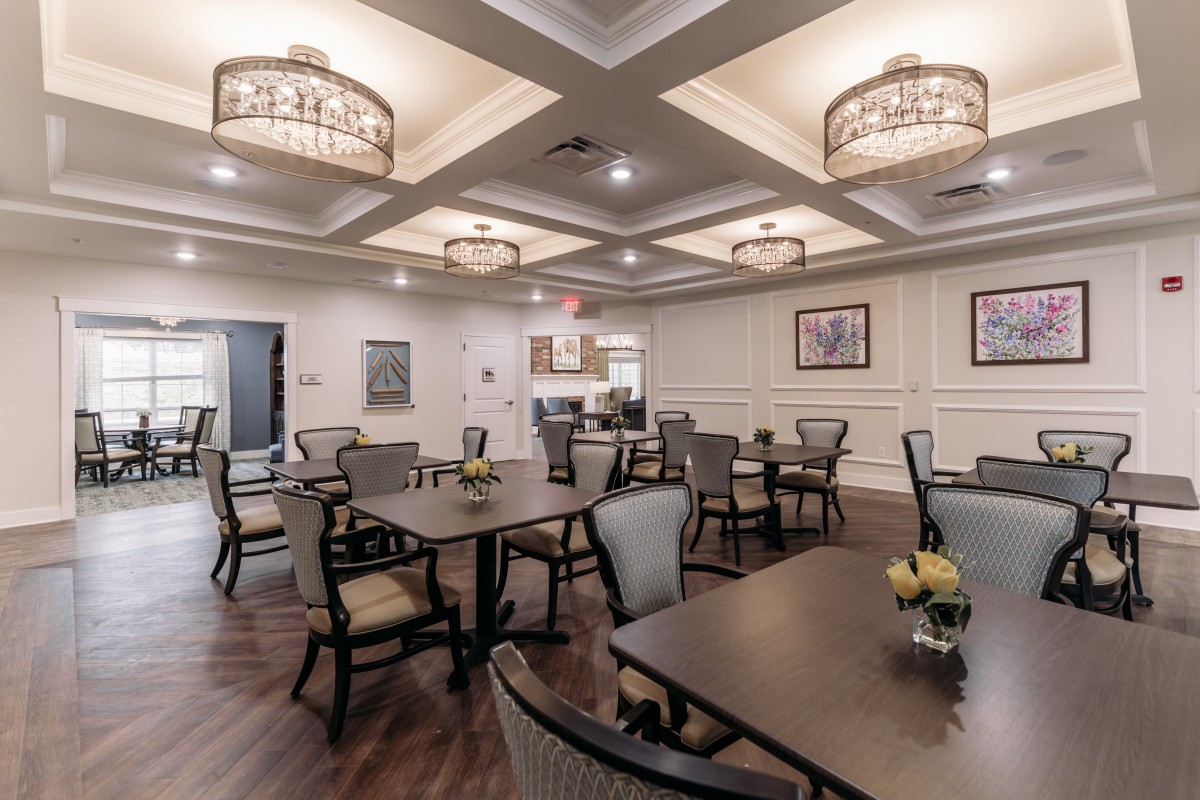
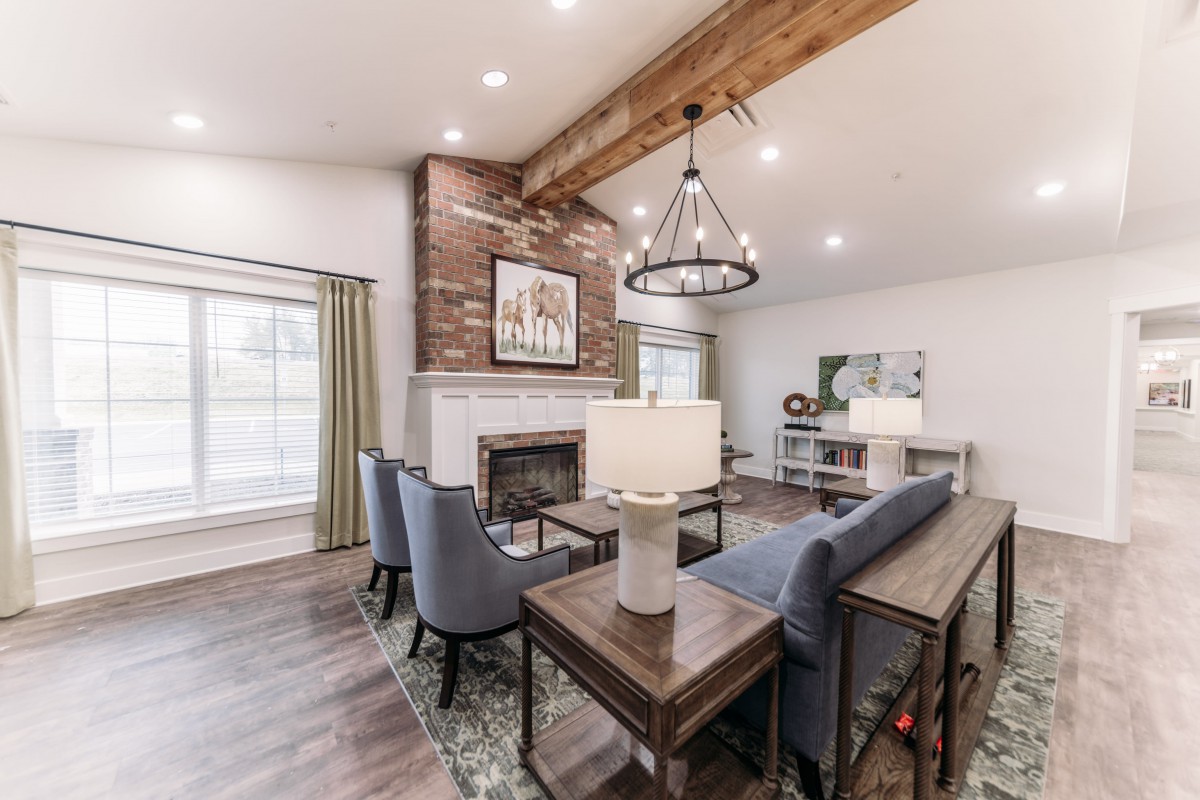
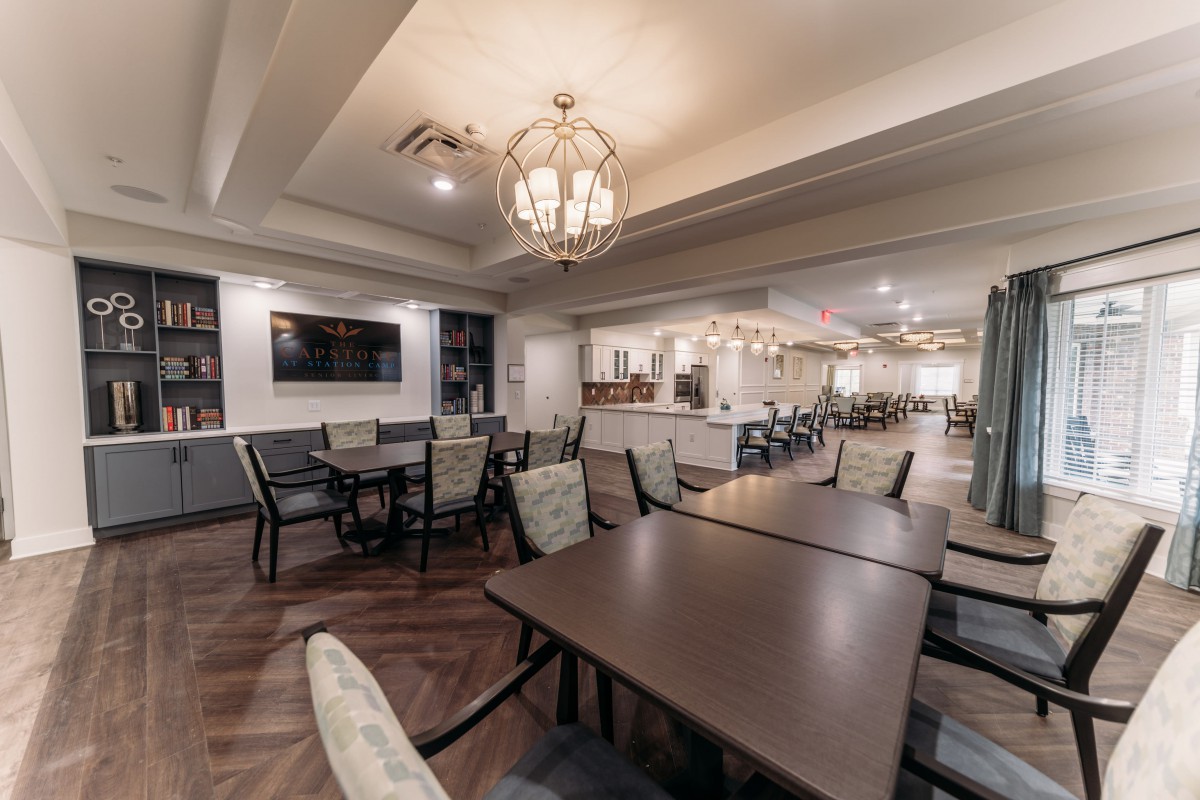
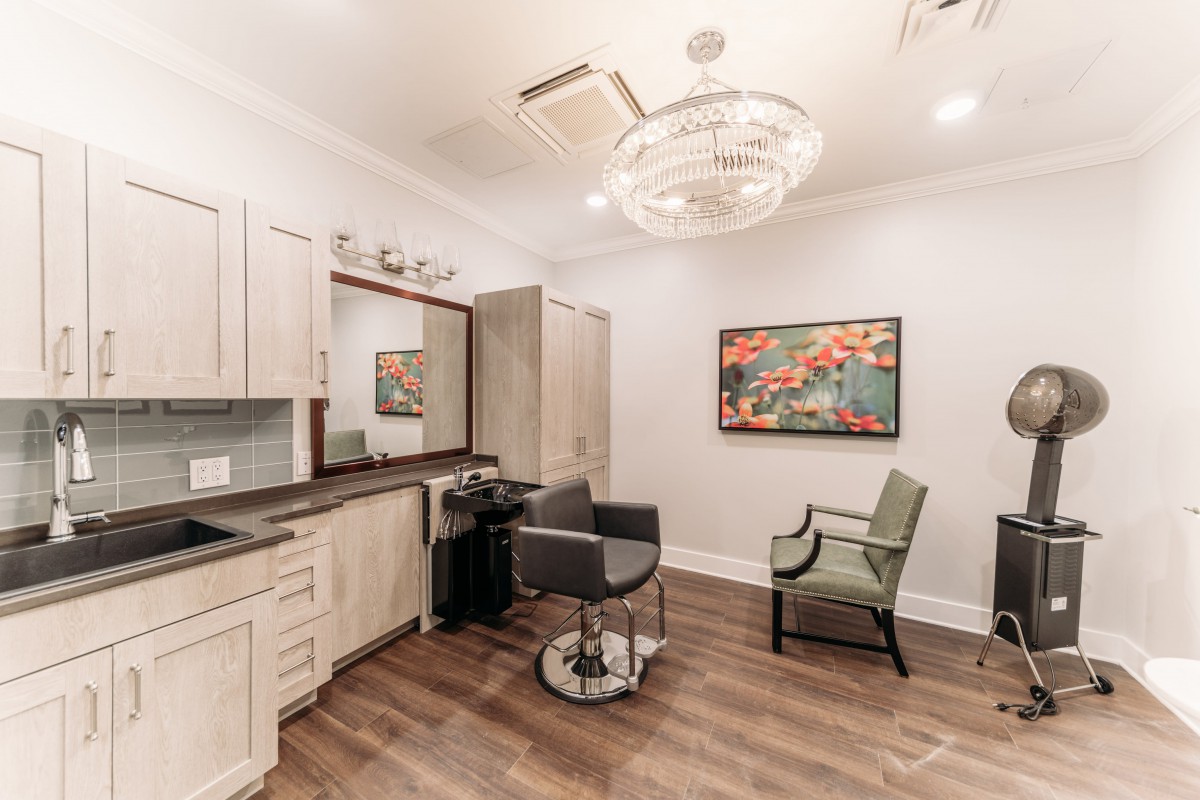
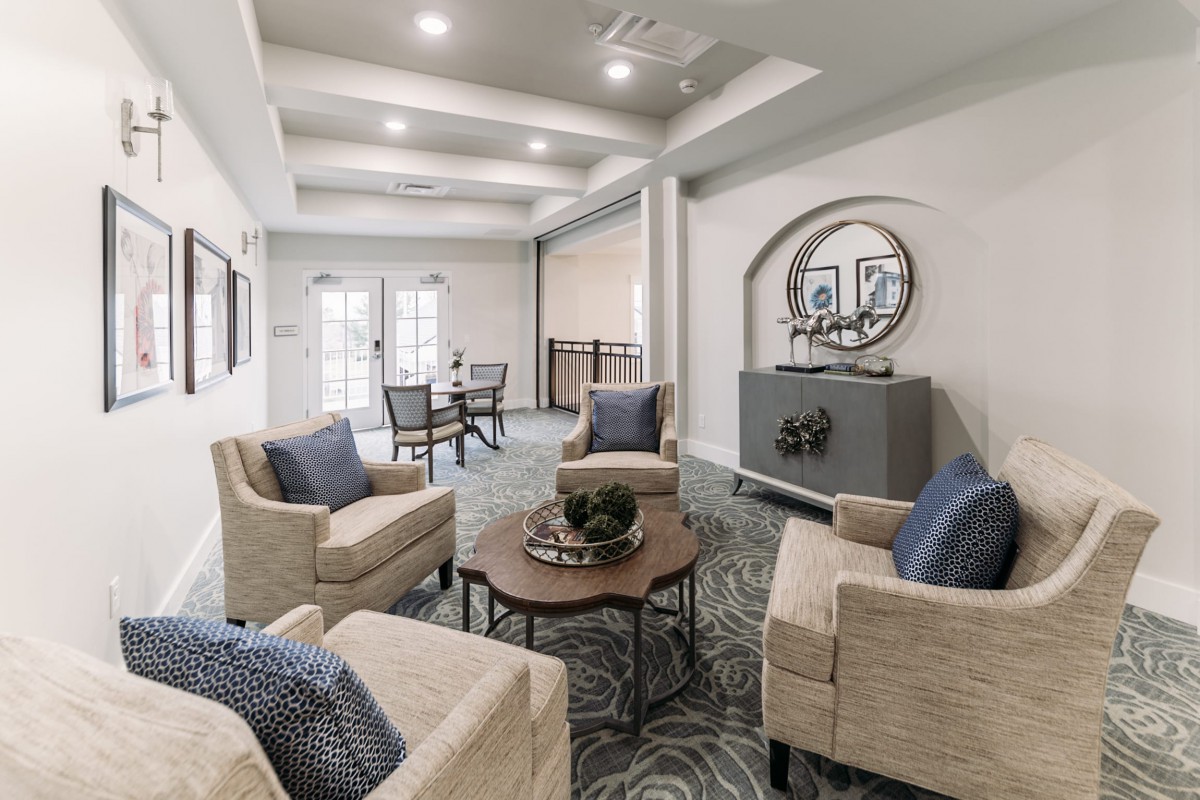
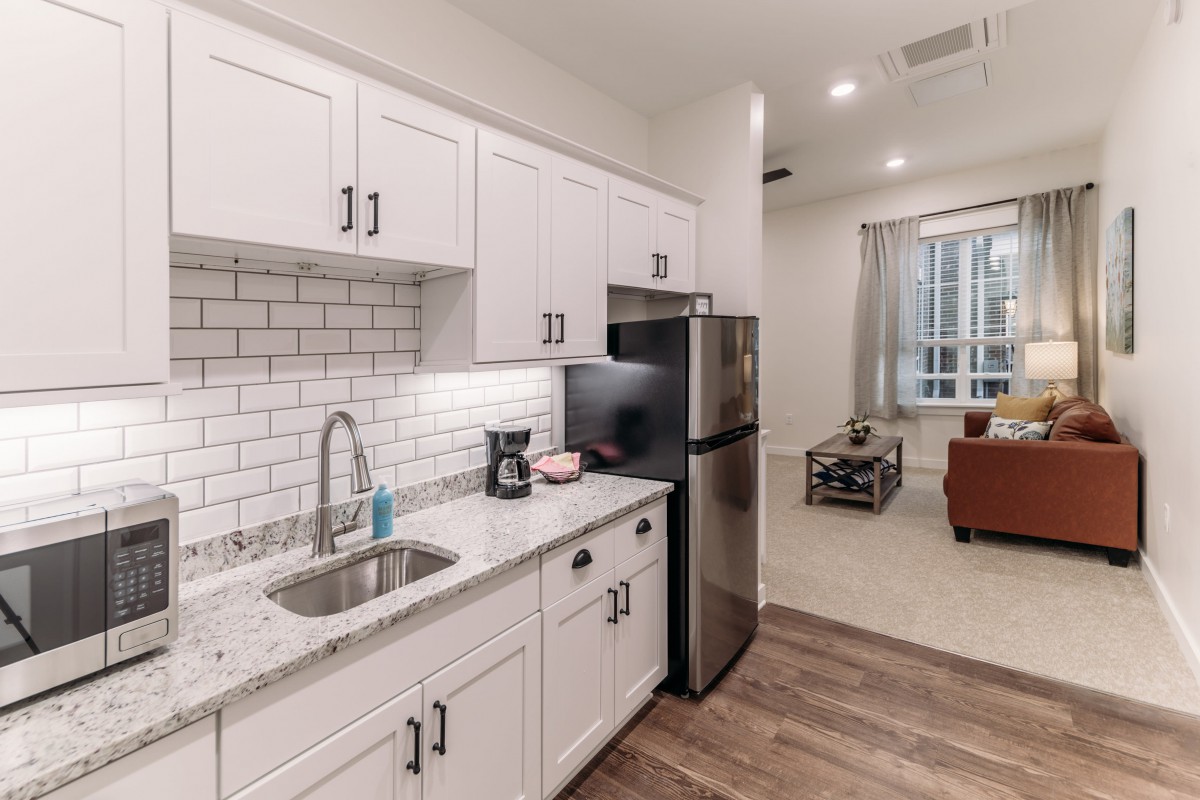
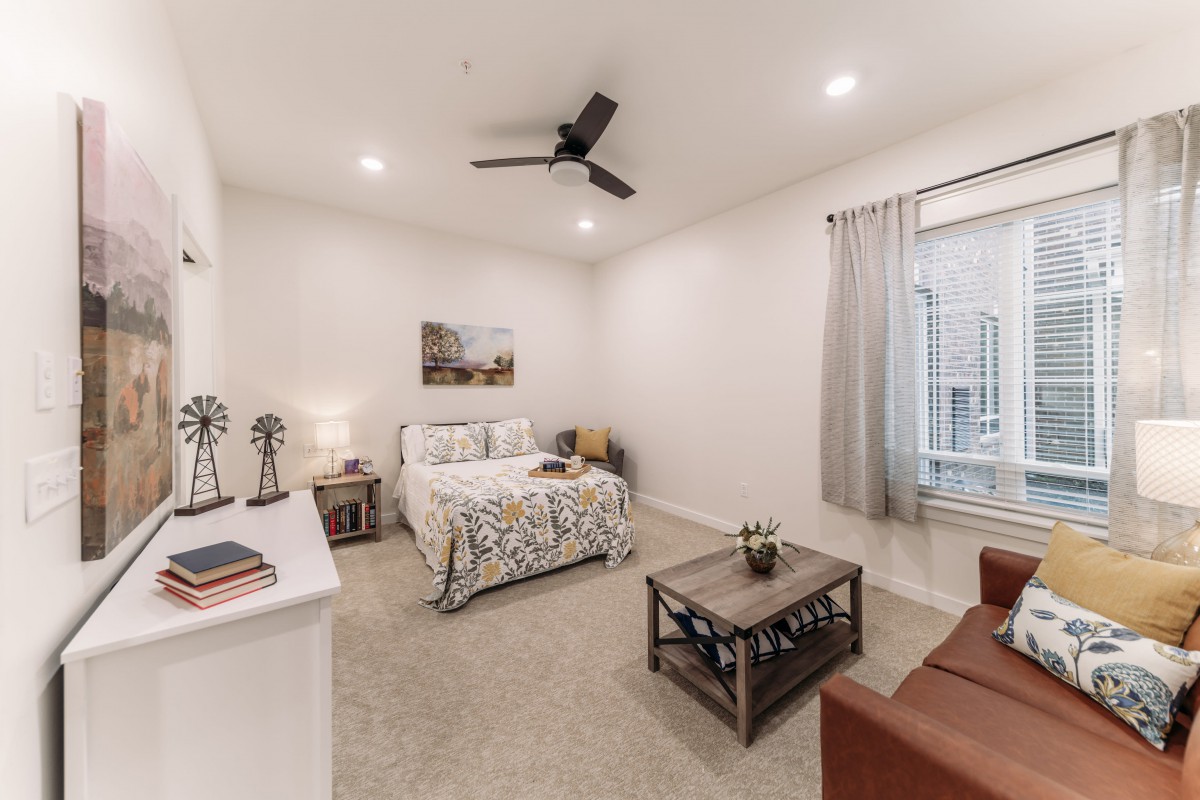
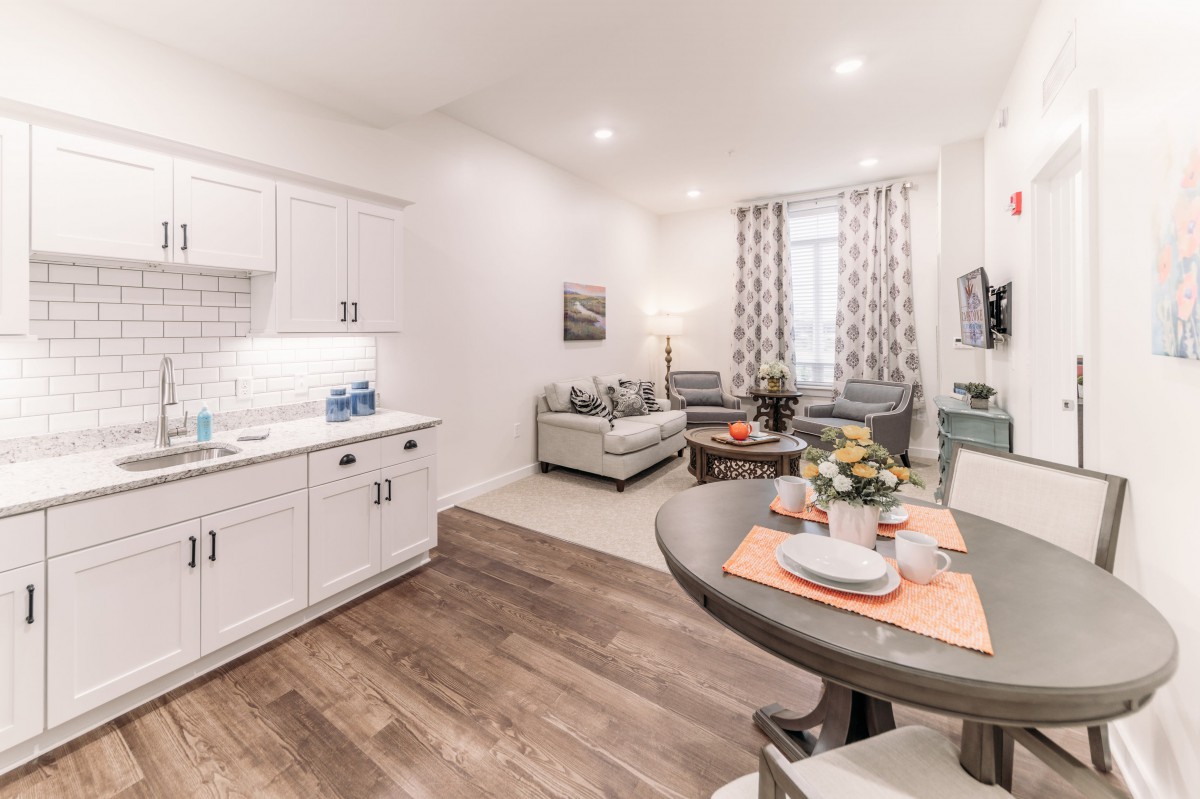
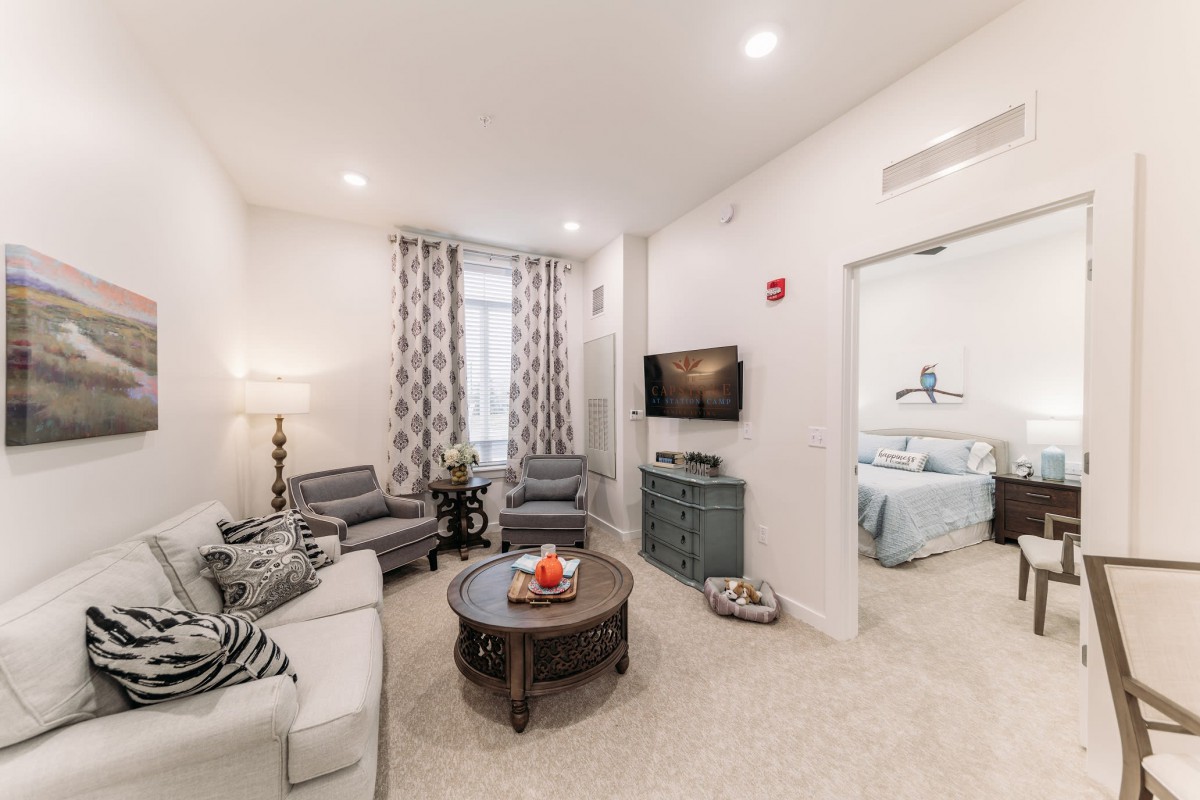
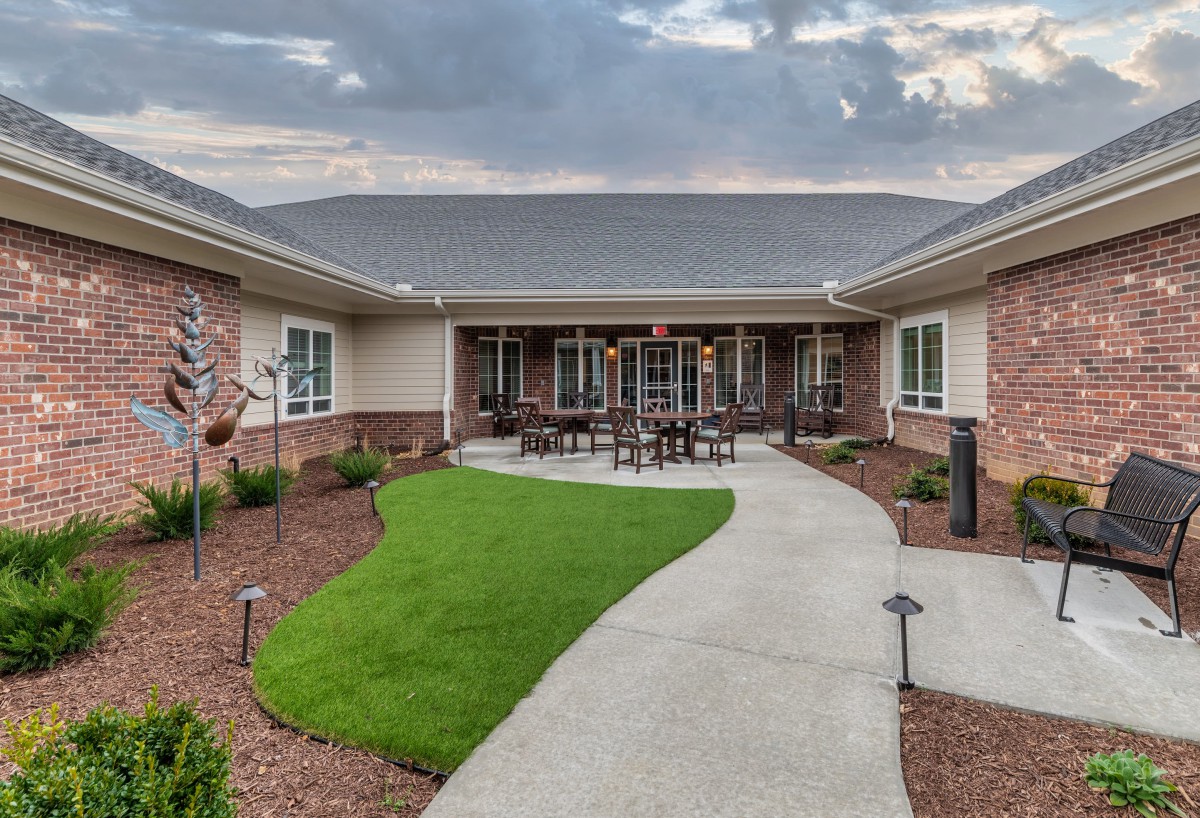
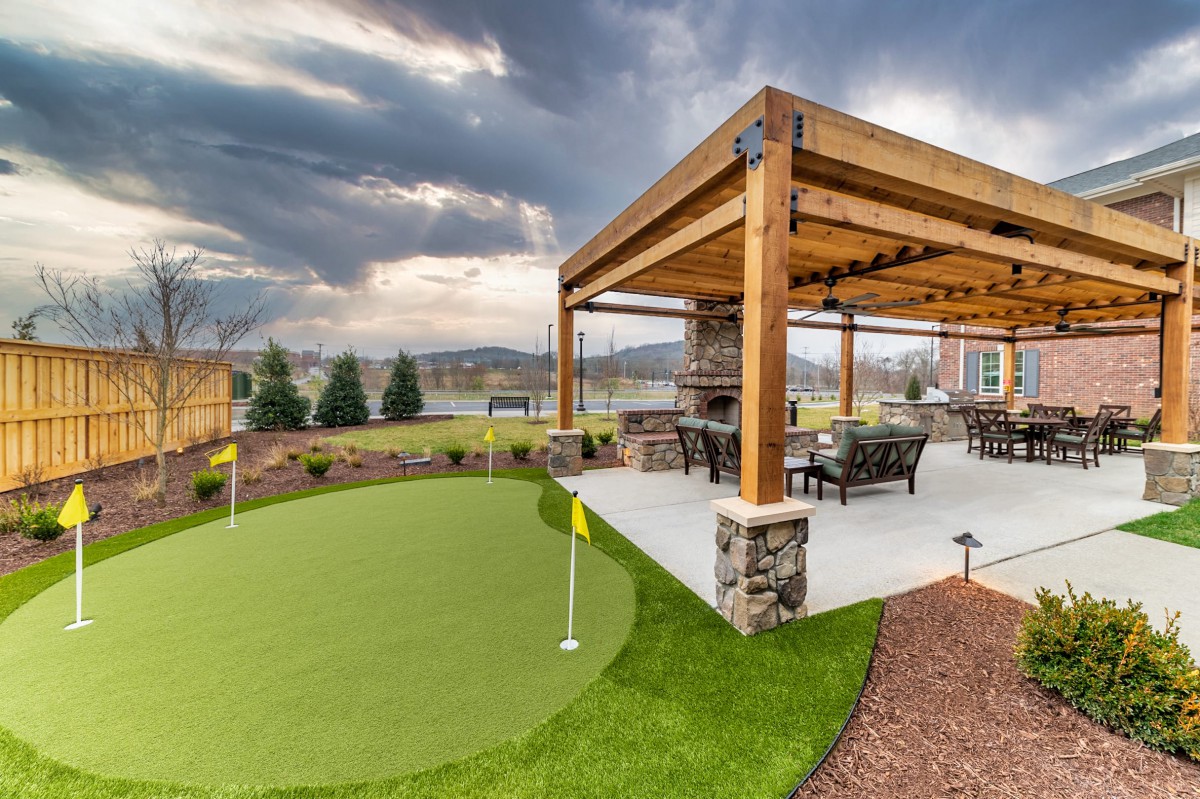
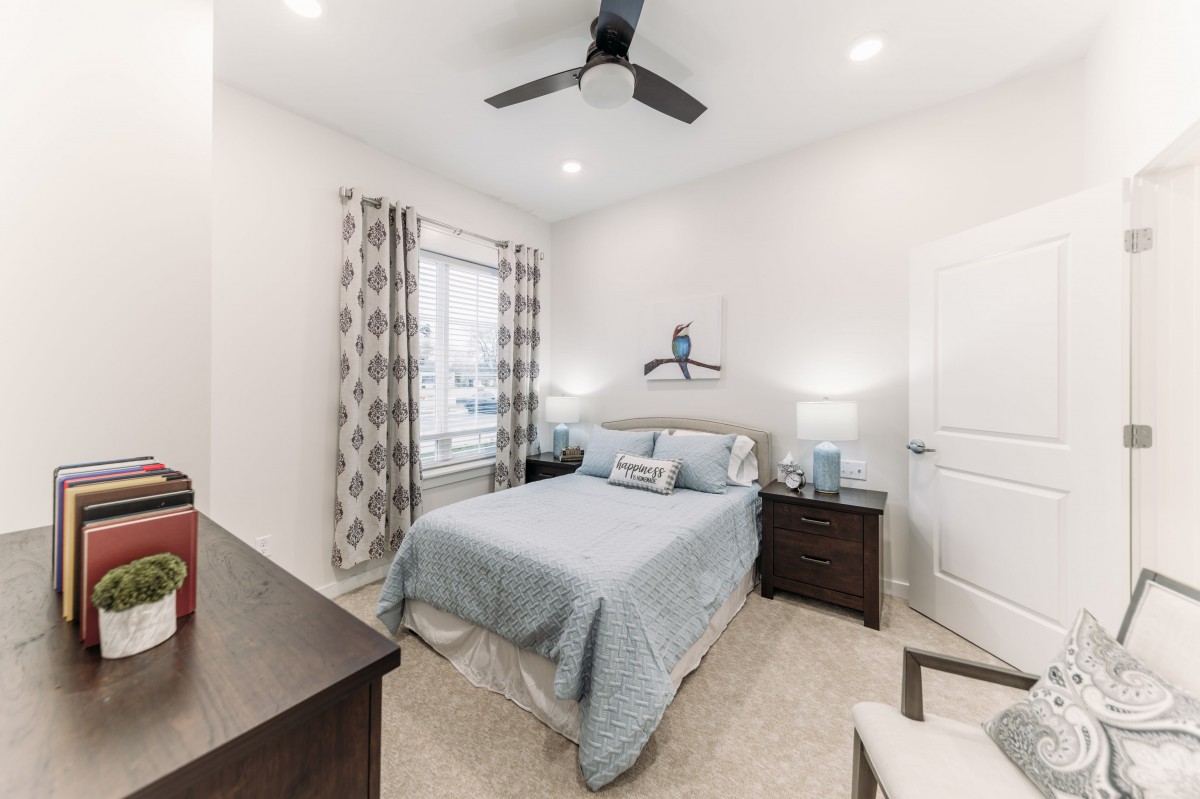
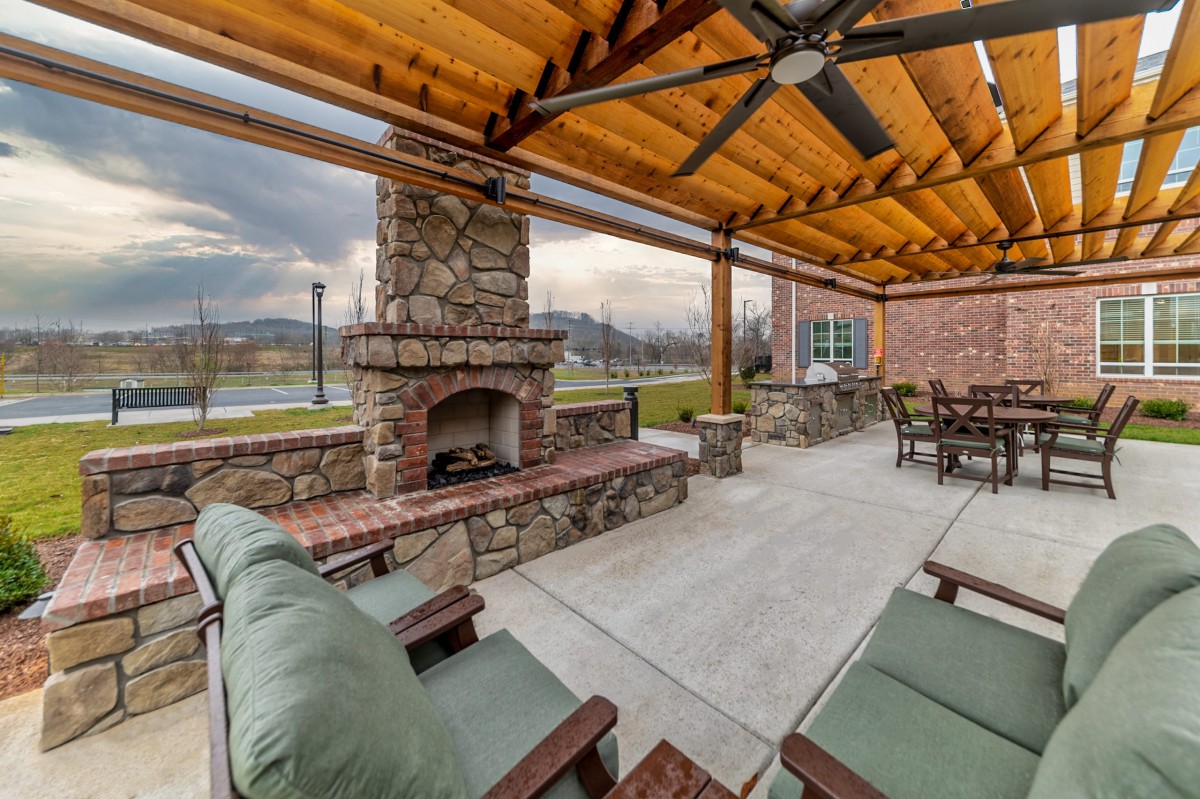
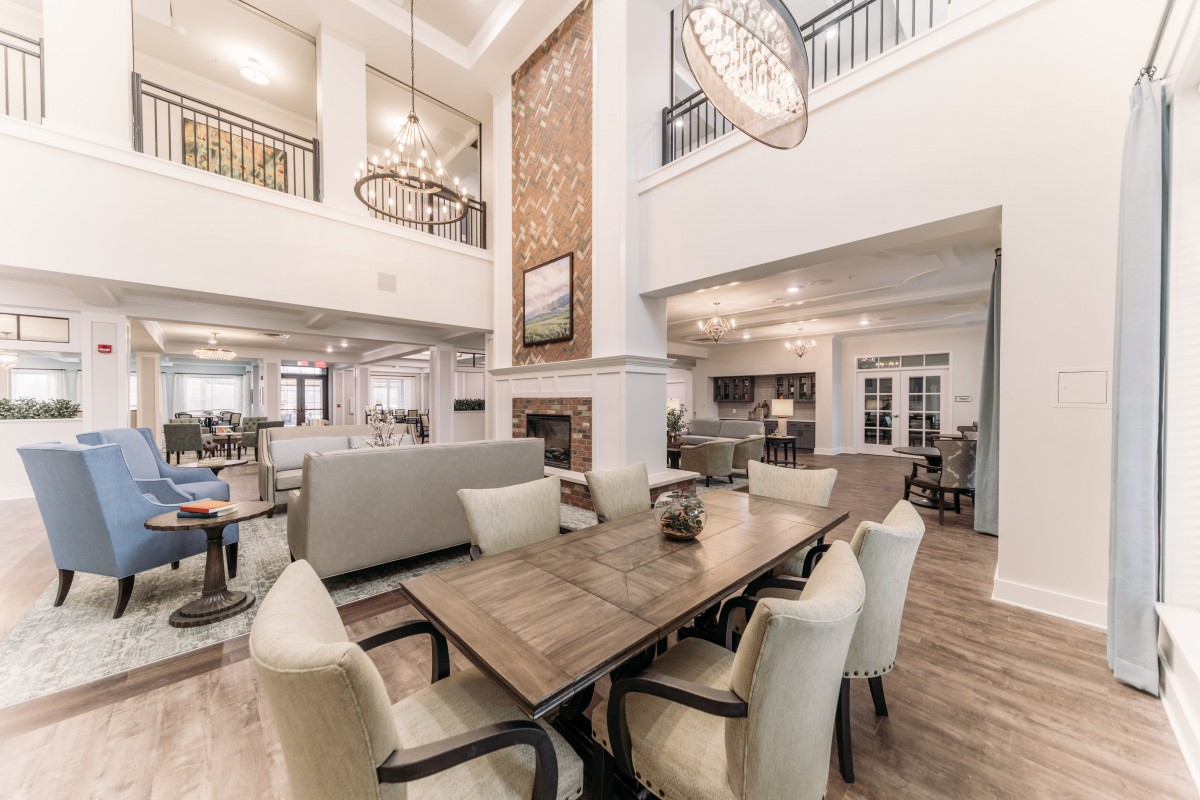
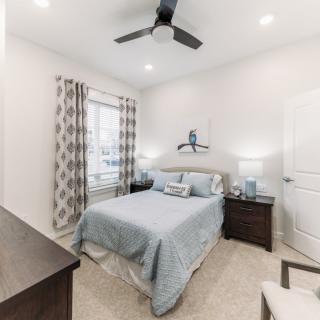
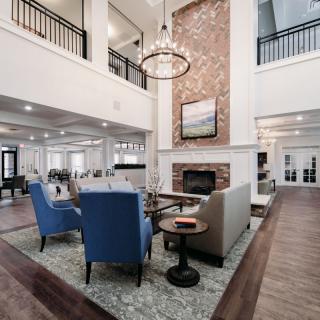
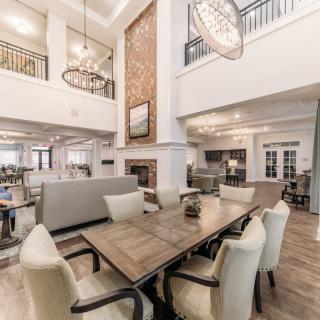
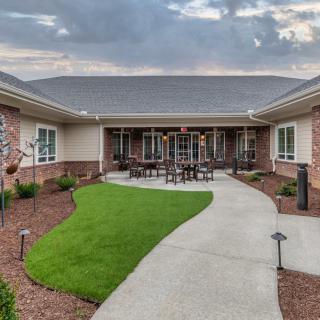
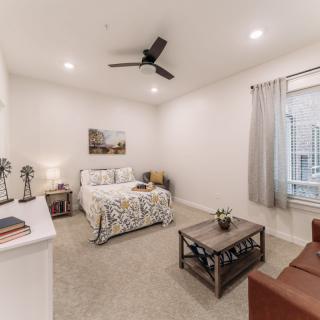
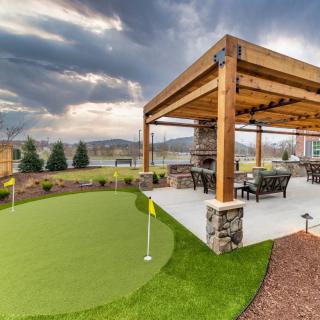
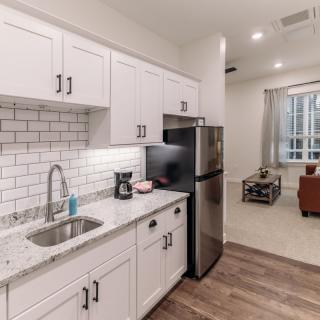
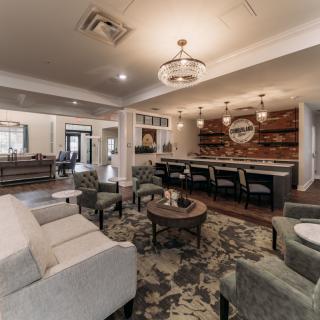
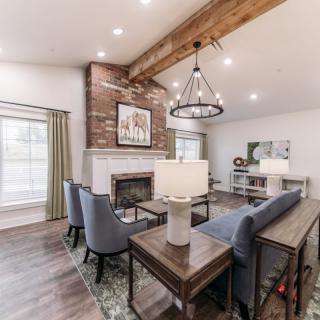
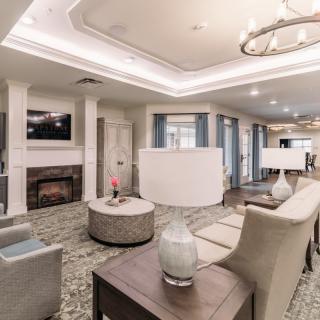
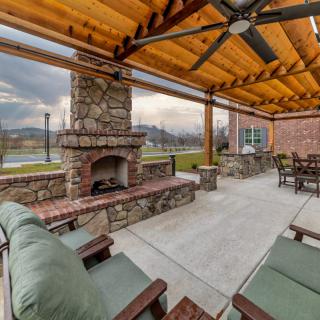
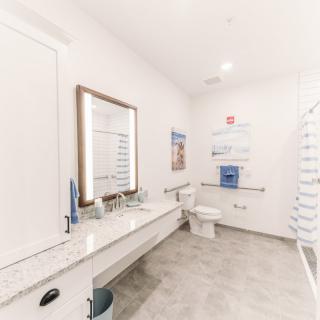
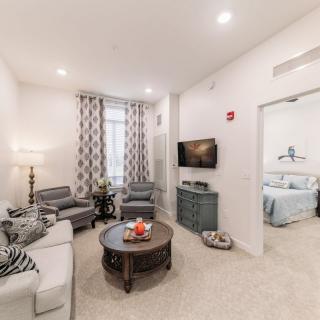
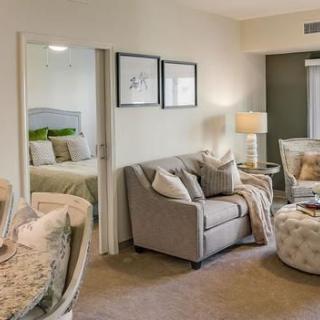
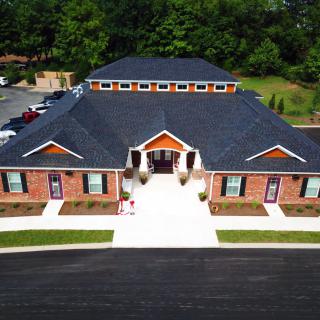
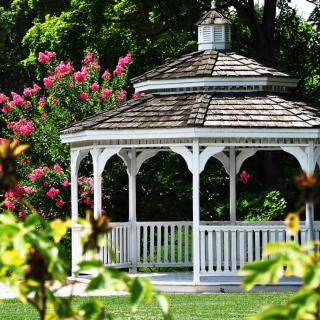
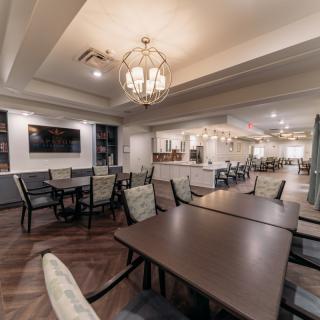
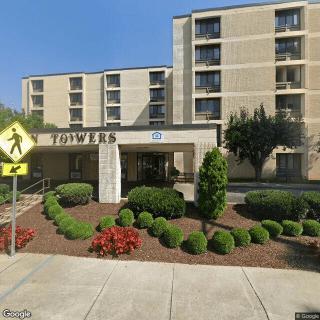
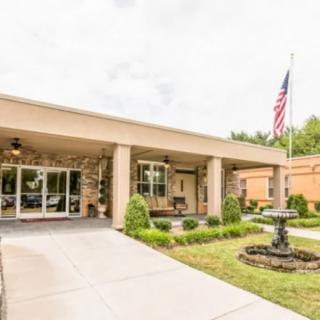
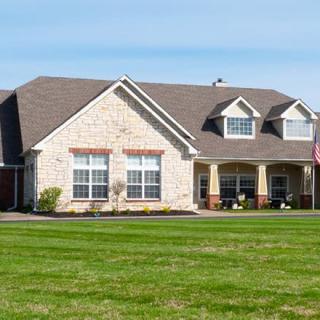
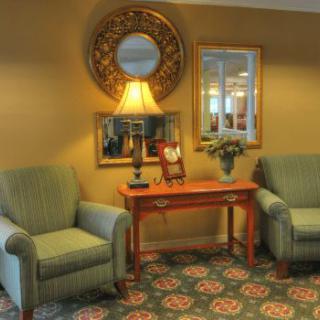
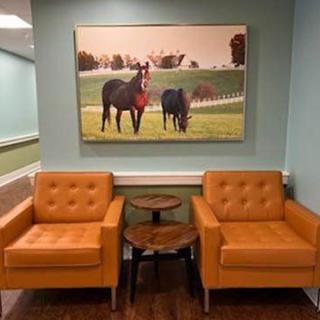
Capstone Senior Living at Station Camp on seniors.fyi includes 20 photos including images showing interior, living room, decor, fireplace, lighting, dining, chandelier, seating area, and more.
Nearby Communities
NHC Place Sumner
Gallatin, TN
3.8 from 57 reviews
$4,070 to $4,900 / month
Exceptionally clean facilities with attentive staff and strong rehab services.
Crestwood Towers
Gallatin, TN
2.6 from 5 reviews
Convenient location with nearby cafes, parks, pharmacies, and dining.
Christian Towers of Gallatin, Inc.
Gallatin, TN
4.3 from 41 reviews
Excellent access to nearby amenities, including healthcare, dining, worship, and parks.
Gallatin Health Care Center
Gallatin, TN
4.5 from 123 reviews
Compassionate, attentive staff delivering excellent care with clean facilities and nutritious meals.
Noles Residential Home-Aged
Gallatin, TN
Convenient location with nearby medical, dining, worship, and cultural options plus personalized, safe care.
The Waters Of Gallatin
Gallatin, TN
3.7 from 74 reviews
$789 to $5,560 / month
Caring, professional staff and a clean, engaging environment
Brookdale Gallatin
Gallatin, TN
4.7 from 79 reviews
$3,730 to $4,285 / month
Caring staff with engaging activities in a clean, welcoming setting, with good family communication.
Charter Senior Living Of Gallatin
Gallatin, TN
5 from 147 reviews
$4,475 to $4,975 / month
Attentive, compassionate staff in a clean, home-like setting with good dining and engaging activities.
Legacy Village of Hendersonville
Hendersonville, TN
4.6 from 98 reviews
$2,400 to $3,195 / month
Friendly, attentive staff in a clean, family-style setting with engaging activities and good value.
The article highlights eight indicators that a loved one with dementia may require specialized memory care, emphasizing the emotional and logistical challenges families encounter in this decision. It discusses signs such as difficulties with daily tasks, safety concerns, and caregiver burnout, suggesting that memory care facilities can provide the necessary support and structured environments for those experiencing cognitive decline.
Dementia, primarily caused by Alzheimer's disease but also linked to other conditions, leads to cognitive decline impacting memory and daily functioning, with individuals experiencing varied awareness of their impairments. Despite memory loss, emotional connections persist, enabling responses to familiar stimuli, highlighting the need for caregivers to provide compassionate support that recognizes both limitations and retained emotional depth.
The article presents five subtle indicators of dementia, such as memory lapses and mood swings, to help families assess cognitive decline in loved ones. It emphasizes early detection, open communication, and seeking professional help while providing practical support steps.
Lobby, Reception Area, Brick Wall, and Lighting Fixtures
Outdoor Seating and Covered Area
Salon
Refrigerator
Minimalist
Open Space
High Ceiling
Open Concept
Get PricingAsk A QuestionSchedule A TourContact Senior Advisor
By clicking submit, you agree to our Partner's Terms of Use. You
also consent to receive calls and texts, which may be autodialed, from our Partner. Your consent is not a condition to
using our Partner's service. Please visit our Partner's Privacy Policy for information about their privacy practices.




 Assisted Living
 Memory Care
 Cats allowed
 Dogs allowed
 Activities off-site
 Air-conditioning
 Beautician on-site
 Cable or satellite TV
 Devotional services off-site
 Ground floor units
 Handicap accessible
 Indoor common areas
 Kitchenette
 Outdoor common areas
 Respite or short term stays offered
 Wheelchair accessible showers
 Wi-Fi/high-speed internet available
 Nashville International (22 miles away)
 Ambulatory care
 Diabetic care
 Incontinence care
 Medication management
 Anytime dining
 Art classes
 Catholic services
 Cooking classes
 Day trips and outings
 Educational speakers / life long learning
 Karaoke
 Live well programs
 Wine tasting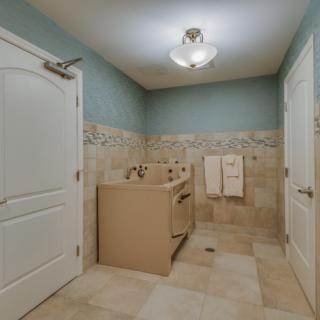
 Exceptionally clean facilities with attentive staff and strong rehab services.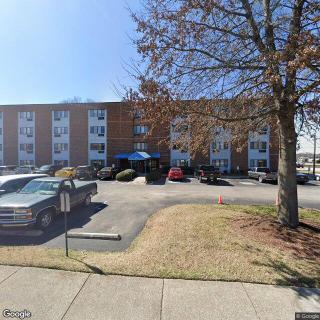
 8 Important Indicators That Memory Care May Be Necessary
 Delving into the Inner World of Dementia: Insights into Thoughts and Awareness
 Five Subtle Dementia Indicators to Observe: An In-Depth Guide to Understanding “Does My Mom Have Dementia?”