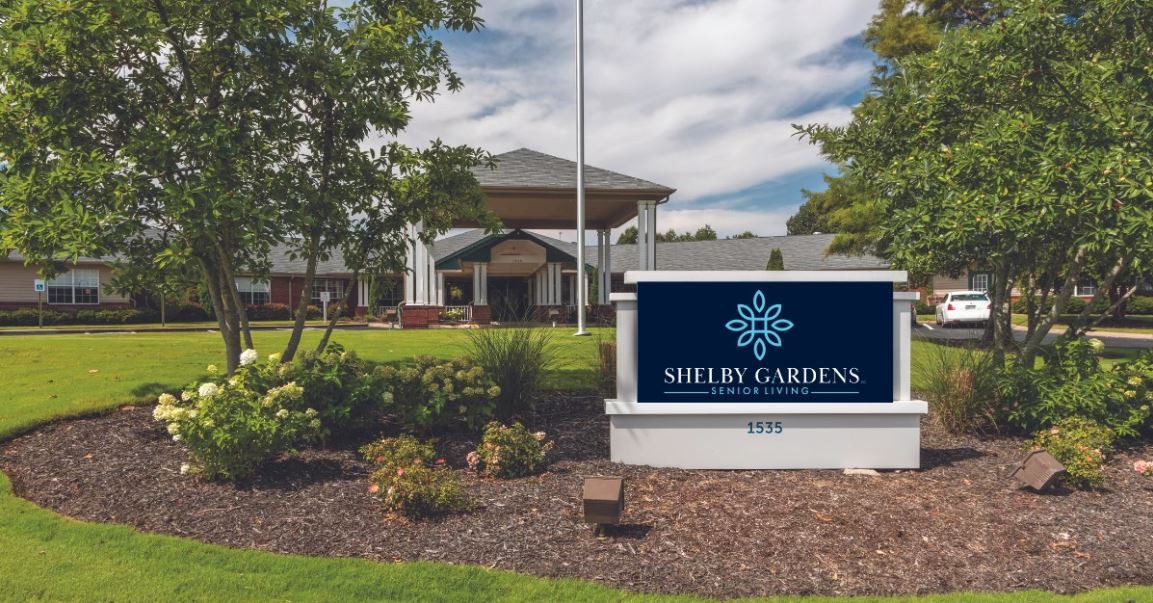
1535 Appling Care Ln, Cordova, TN 38016
To contact a resident: (901) 590-9514
For more information about senior living options: (866) 208-4318
Overall Review of Cordova
Pros
 The staff at Shelby Gardens are the best and truly care for residents' best interests.
- They have won awards for their excellent care.
- The facility runs clean and efficiently, and the nurses stay in touch with families.
- Residents get the care and love they deserve.
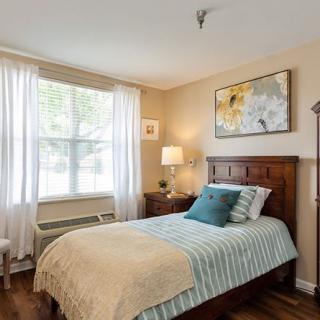
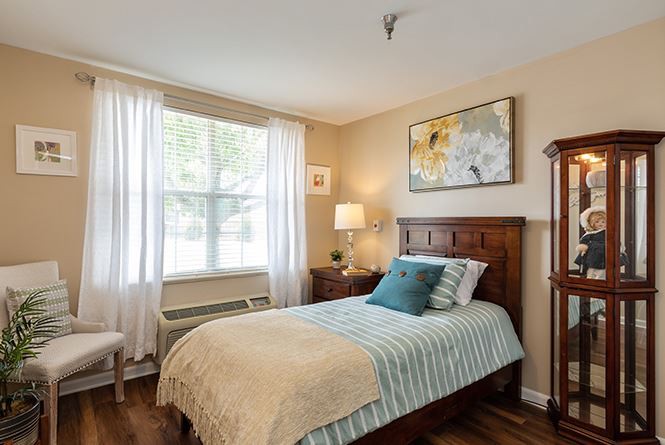
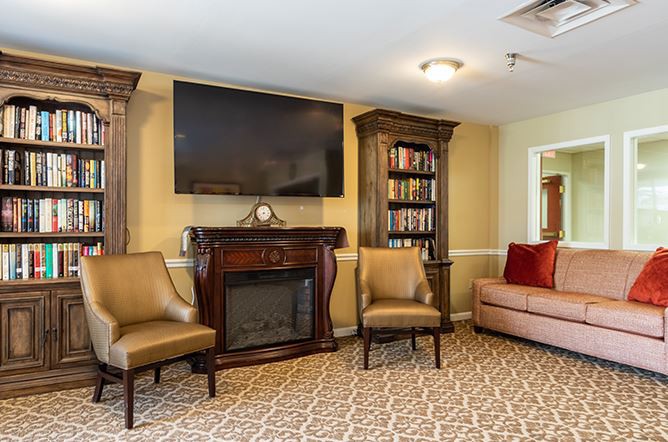
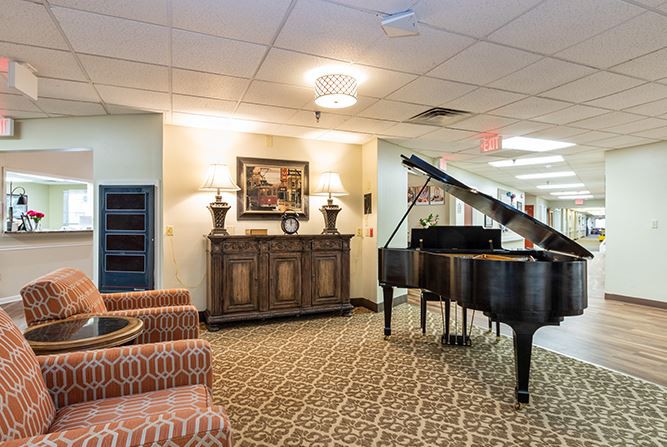
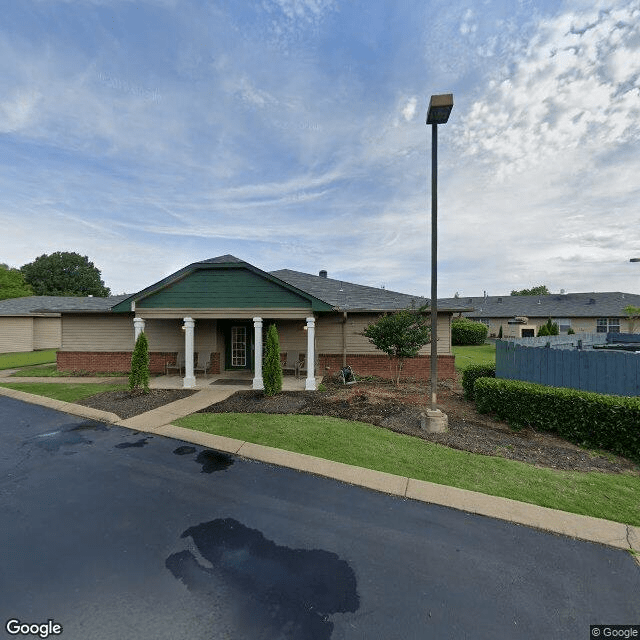
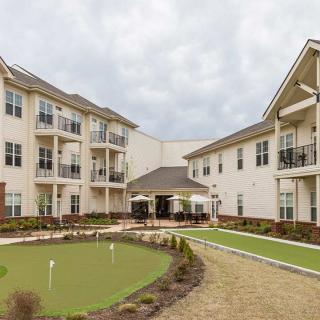
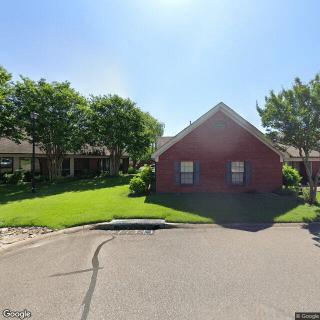
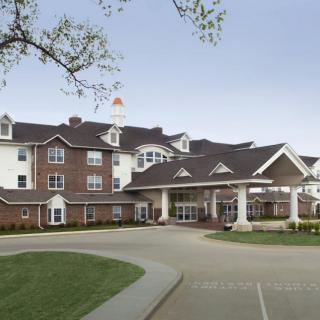
- The place is beautiful and the rooms are very comfortable.
- The activities keep residents busy with things they enjoy, including cooking.
- The food is enjoyed by residents, which is important when they are unwell.
Cons
 The experience has been horrible.
- The communication to families and to loved ones' caregivers is horrible and nearly non-existent.
- The value is very expensive and it lacks in everything, making it expensive for nothing.
- The decision was not easy and she did not want to give up her independence, and she fought it all the way.
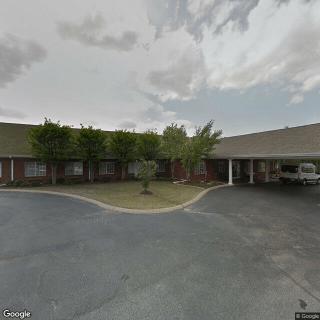
- Shelby Gardens might not be the newest, fanciest assisted living facility.
Review
Cordova is best suited for families that prize a warm, person-centered caregiving culture where the staff’s dedication stands out as the primary value. This community favors residents who respond well to attentive, consistent supervision and who thrive in a home-like environment with regular engagement. The strongest case for Cordova rests on the staff’s commitment and the sense that caregivers genuinely look out for residents’ best interests, even when a loved one’s health status requires steady support. It is less a showcase of cutting-edge amenities and more a place where kindness, routine, and dependable nursing care define daily life. Those who need visible, ongoing communication and a transparent, budget-friendly price tag may want to compare other options before making a choice.
The most convincing upside comes from the caregiving team. Reviews repeatedly highlight that the staff and nurses are the facility’s hardest-working asset, delivering attentive, compassionate care and taking time to support families through tough decisions. Even when a resident is challenging, the team’s approach remains steady and respectful, which translates into safer, calmer days for residents. The environment is described as clean and well-run, with caregivers who keep families informed in a practical, meaningful way, at least in the strong majority of experiences. Residents stay engaged, and activities reflect familiar routines, such as cooking or other hobbies, contributing to a sense of continuity for people who value independence in smaller, everyday moments.
On the other hand, the most persistent drawbacks center on cost and communication. One review paints a stark contrast, calling the price very high for what is delivered and identifying poor, almost non-existent communication with families and care teams. That observer frames the financial commitment as a potential misalignment with perceived value, which is a critical consideration for families weighing long-term affordability. Even in the most positive experiences, there are hints of inconsistency in information flow, and new families may encounter gaps between what is promised and what is updated on a regular basis. Those who require precise, proactive updates or a fully transparent billing process should scrutinize these areas before enrolling a loved one.
Yet the favorable caregiving reality can offset, to an extent, these concerns for families who can prioritize care quality. When a move is made for substantial health needs, the reassurance from knowing nurses are in frequent contact and that the operation runs cleanly can markedly reduce caregiver anxiety. The positive experiences emphasize not just resident well-being but also the relief felt by families who finally see meaningful improvements in daily care and safety. For some, such as those who place a premium on staff stability and a nurturing atmosphere, the value is found in the continuity of relationships and the emotional comfort that comes from consistent, compassionate daytime rhythms.
Alternatives become worth considering for families who cannot compromise on two fronts: price and communication. If the budget is tight, explore options with lower monthly costs or more predictable fee structures, even if that means accepting a smaller staff-to-resident ratio or fewer high-touch services. If frequent, proactive updates matter, look for communities that publish weekly family briefings, designate a care liaison, and provide real-time notes from nurses and caregivers. If modern facilities and the latest amenities are non-negotiable, widen the search toward newer builds with transparent pricing and more extensive resident portals.
In the end, Cordova delivers a compelling package for the right family: superb, attentive staffing that elevates daily care and a homey, engaging atmosphere that keeps residents connected to familiar routines. The trade-off is a higher price point and potential gaps in communication that must be explicitly addressed. For families prioritizing dependable, compassionate care and a warm living environment, Cordova is a strong fit. For those who prioritize cost control or demand unwavering, proactive communication at every step, it is prudent to benchmark against alternatives and insist on clear, measurable commitments before choosing.
 Assisted Living
 Memory Care
 Activities on-site
 Devotional services off-site
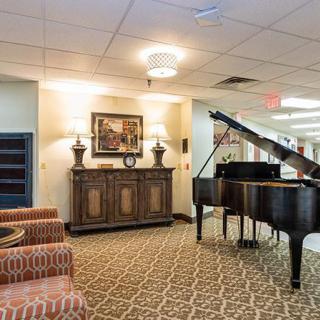
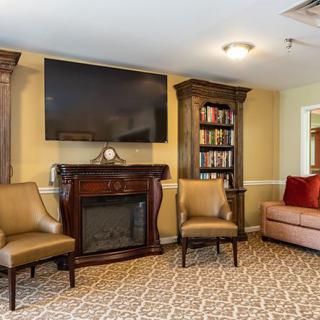
 Indoor common areas
 Memphis International (13 miles away)
 Ambulatory care
 Diabetic care
 Meals provided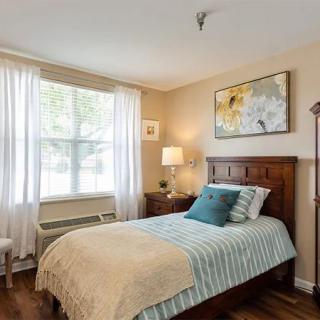



 Understanding Medicaid Coverage for Assisted Living: A Comprehensive Guide
 How and When Medicaid May Cover Assisted Living Costs
 A Detailed Exploration of Assisted Living Medicaid Waivers Across the United States