The Bridge at Columbia offers competitive pricing for its accommodation options compared to both Williamson County and the broader state of Tennessee. For instance, a studio at The Bridge is priced at $2,995 per month, significantly lower than the county average of $3,740 and the state average of $3,485. Similarly, the 1-bedroom unit is available for $3,695, which remains more economical than the county's rate of $4,261 while being slightly above the state's average of $3,592. The 2-bedroom accommodations are listed at $4,575 - this figure is also more affordable when compared to Williamson County's average of $5,019 but does exceed the state's average of $3,962. Overall, The Bridge at Columbia presents appealing value in the context of local market rates for assisted living arrangements.
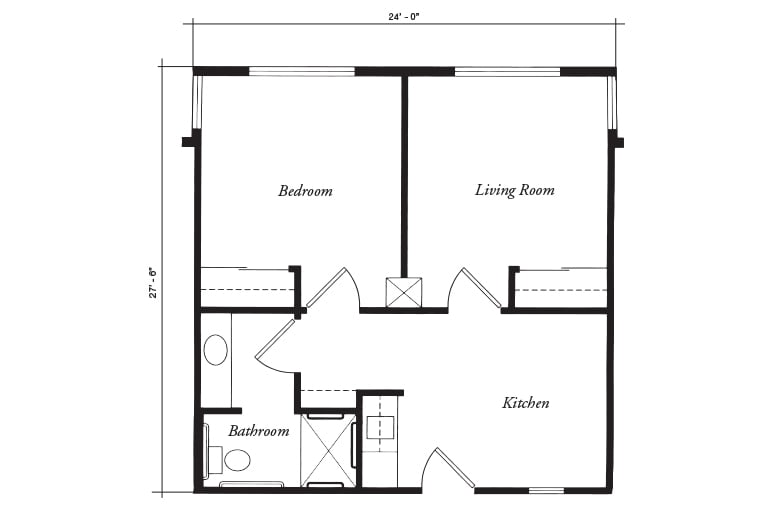
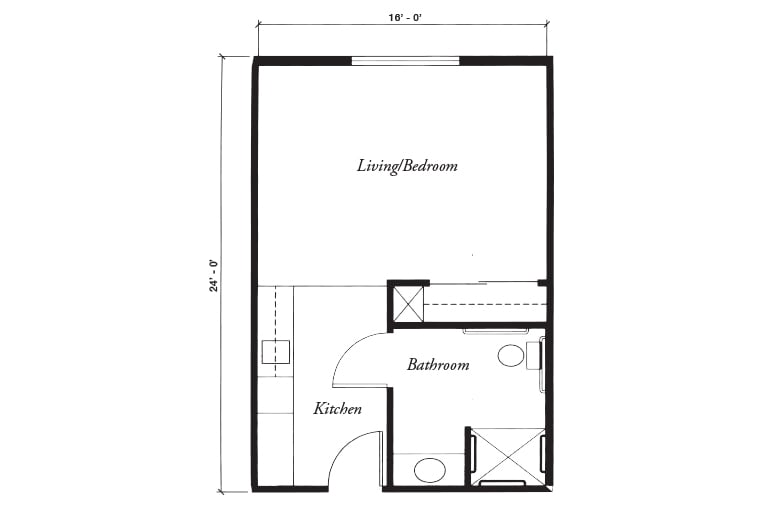
Floor plans
The Bridge at Columbia
Williamson County
Tennessee
Studio
$2,995
$3,740
$3,485
1 Bedroom
$3,695
$4,261
$3,592
2 Bedrooms
$4,575
$5,019
$3,962
Overall Review of The Bridge at Columbia
common31 reviews mention this
Care staff feel personal
Residents and families describe staff as kind, respectful, and responsive to individual needs.
Multiple reviews highlight staff members showing personal care, answering questions, and treating residents with respect rather than speaking down to them. Several reviewers also describe help that went beyond basic support, including attention with daily routines and assistance to make sure residents get to meals. A few comments also stress that staying involved helps ensure needs and preferences are communicated across departments.
common15 reviews mention this
Facility stays clean and well kept
The facility is consistently described as clean, well maintained, and comfortable.
Reviews repeatedly mention cleanliness and upkeep, from a good smell and well-kept spaces to comments that the building is clean but not always spotless. Several reviewers also describe the environment as attractive and comfortable, with common areas and rooms feeling maintained. A couple of reviews connect the appearance to their confidence in care.
common10 reviews mention this
Activities keep residents involved
Residents are described as staying busy with music, classes, and community events.
Many reviews point to an active schedule that includes live music, exercise classes, art projects, and resident activities. Several people specifically mention the activities director and note how the program helps residents stay socially engaged. There are also mentions of special events like dinner shows, birthday celebrations, and a Halloween party, with at least one reviewer wishing weekend activity transportation was more available.
common9 reviews mention this
Dining is a frequent plus
Meals and dining experiences are often described positively, with attention to food quality.
Reviews commonly mention good food, with some describing meals being enjoyable and others referencing specific meal service experiences. At least one reviewer also notes healthier choices and proper food temperature and service. A separate comment praises the menu after a visit, while another reviewer says there could be more vegetables, showing dining is not unanimously perfect.
caveat2 reviews mention this
Pricing feels expensive for some
Some reviewers felt the cost is on the high side compared with what they expected.
At least two reviews call out expense directly, including one that says the price is on the higher side while still valuing what they received. Another reviewer describes the community as beautiful but expensive. The pricing is reflected in the listing’s range across unit types, which sits well below the county and state reference points provided for studios and larger apartments.
How we summarize
Counts show how many written reviews mention each theme; a review can touch several themes, and only frequently mentioned themes are displayed.
Features
Housing
74 resident community capacity
1-bedroom apartments
Studio apartments
Types of Care
Assisted Living
Skilled Nursing Facility
Pets
Cats allowed
Dogs allowed
Amenities
Activities off-site
Activities on-site
Air-conditioning
Bath tubs
Beautician on-site
Beauty salon
Cable or satellite TV
Computer center
Devotional services on-site
Dining room
Fitness room
Full kitchen
Fully furnished
Gaming room
Garden
Ground floor units
Handicap accessible
Housekeeping services
Indoor common areas
Kitchenette
Laundry
Move-in coordination
Outdoor common areas
Outdoor space
Private bathrooms
Respite or short term stays offered
Restaurant-style dining
Small library
Telephone
Wellness center
Wheelchair accessible showers
Wi-Fi/high-speed internet available
Transportation
Community operated transportation
Transportation & parking
Transportation arrangement
Transportation arrangement (non-medical)
Care Services
12-16 hour nursing
24-hour call system
24-hour supervision
Activities of daily living assistance
Ambulatory care
Assistance with bathing
Assistance with dressing
Assistance with transfers
Coordination with health care providers
Diabetes diet
Diabetic care
Incontinence care
Meal preparation and service
Medication management
Mental wellness program
Special dietary restrictions
Transportation arrangement (medical)
Transportation to doctors appointments
Dining
Diabetes diet
Gluten-free
Guest meals
Low / no sodium
Meals provided
No Sugar
Restaurant style dining
Room service
Special dietary restrictions
Activities
Activities off-site
Art classes
Community-sponsored activities
Concierge services
Cooking classes
Day trips and outings
Devotional activities on-site
Educational speakers / life long learning
Fitness programs
Happy hour
Live musical performances
Live well programs
Other religious services
Planned day trips
Protestant services
Resident-run activities
Scheduled daily activities
Visiting chaplain or priest
Wine tasting
Languages Spoken
English
Nearby Places of Interest
This part of Columbia, Tennessee offers a mix of essential services and amenities that cater to residents of all ages. The proximity to medical facilities such as Middle Tennessee Women's Health Group and Maury Regional Hospital ensures quality healthcare access. There are also several dining options nearby, including Hardee's and Ruby Tuesday, for convenient meal choices. Pharmacies like Holland's Apothecary and CVS Pharmacy are readily available for medication needs. Additionally, the area boasts beautiful parks like Maury County Park and Ridley Park, providing opportunities for outdoor recreation and relaxation. Places of worship such as Pleasant Heights Baptist Church are easily accessible for spiritual enrichment. Overall, this neighborhood offers a well-rounded community with diverse offerings for individuals seeking a comfortable and convenient living environment in their senior years.
Physicians
Middle Tennessee Women's Health Group (0.1 miles)
Columbia Skin Care (0.2 miles)
Ben Gardner, MD (0.2 miles)
Family Health Group (0.2 miles)
Core Physicians (0.3 miles)
Family Health Group (0.3 miles)
Columbia Medical Group (0.3 miles)
Restaurants
Hardee's (0.2 miles)
McDonald's (0.6 miles)
KFC (0.8 miles)
La Fuente (1.2 miles)
Ruby Tuesday (1.2 miles)
Lucky Bamboo (1.3 miles)
Applebee's (1.5 miles)
Pharmacies
Holland's Apothecary (0.3 miles)
CVS Pharmacy (0.7 miles)
Holland's Pharmacy (0.8 miles)
Walgreens (0.8 miles)
Fisher Pharmacy & Gifts (0.8 miles)
Kroger Pharmacy (0.9 miles)
Walgreens (2.2 miles)
Cafes
Buckhead Coffee House (0.4 miles)
Panera Bread (11.1 miles)
The Fainting Goat Coffee (12 miles)
Hospitals
Maury Regional Hospital (0.5 miles)
Maury Regional Out-Patient Pavillion (0.6 miles)
Chemical Dependency Unit (0.6 miles)
Maury Regional Ems (3.1 miles)
Places of Worship
Middle Tennessee Future Ministers Camp at Graymere (1 miles)
Pleasant Heights Baptist Church (1.6 miles)
Journey Church Columbia (1.6 miles)
Liberty Baptist Church (4.3 miles)
Southern Baptist Convention (5 miles)
McCains Cumberland Presbyterian Church (6.7 miles)
Pleasant Mount Cumberland Presbyterian Church (7.4 miles)
The Bridge at Columbia offers competitive pricing for its accommodation options compared to both Williamson County and the broader state of Tennessee. For instance, a studio at The Bridge is priced at $2,995 per month, significantly lower than the county average of $3,740 and the state average of $3,485. Similarly, the 1-bedroom unit is available for $3,695, which remains more economical than the county's rate of $4,261 while being slightly above the state's average of $3,592. The 2-bedroom accommodations are listed at $4,575 - this figure is also more affordable when compared to Williamson County's average of $5,019 but does exceed the state's average of $3,962. Overall, The Bridge at Columbia presents appealing value in the context of local market rates for assisted living arrangements.
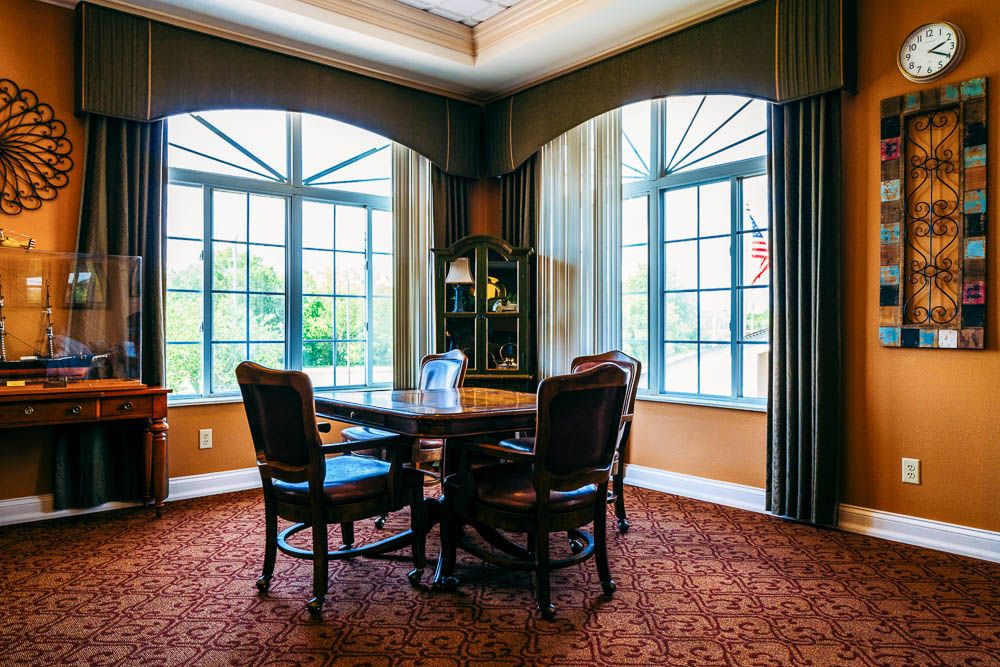
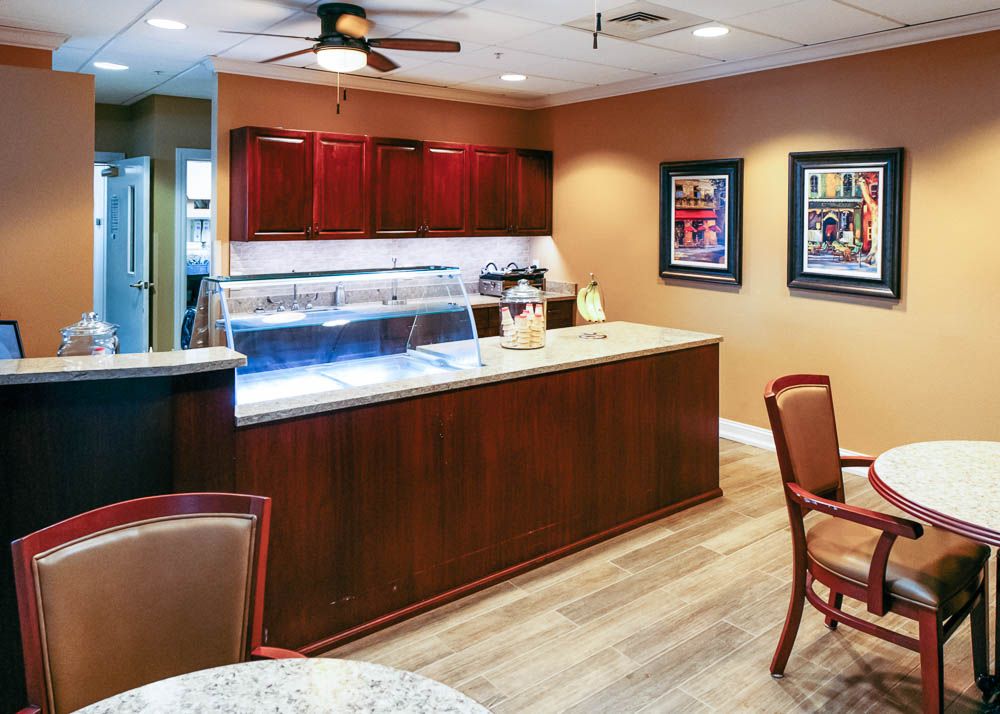
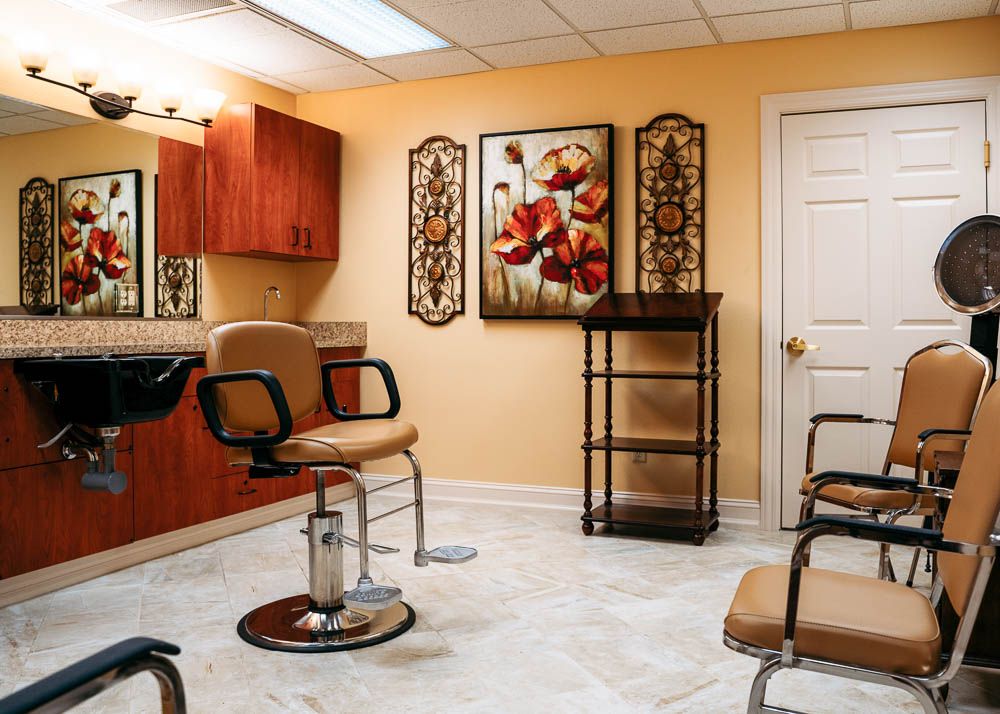
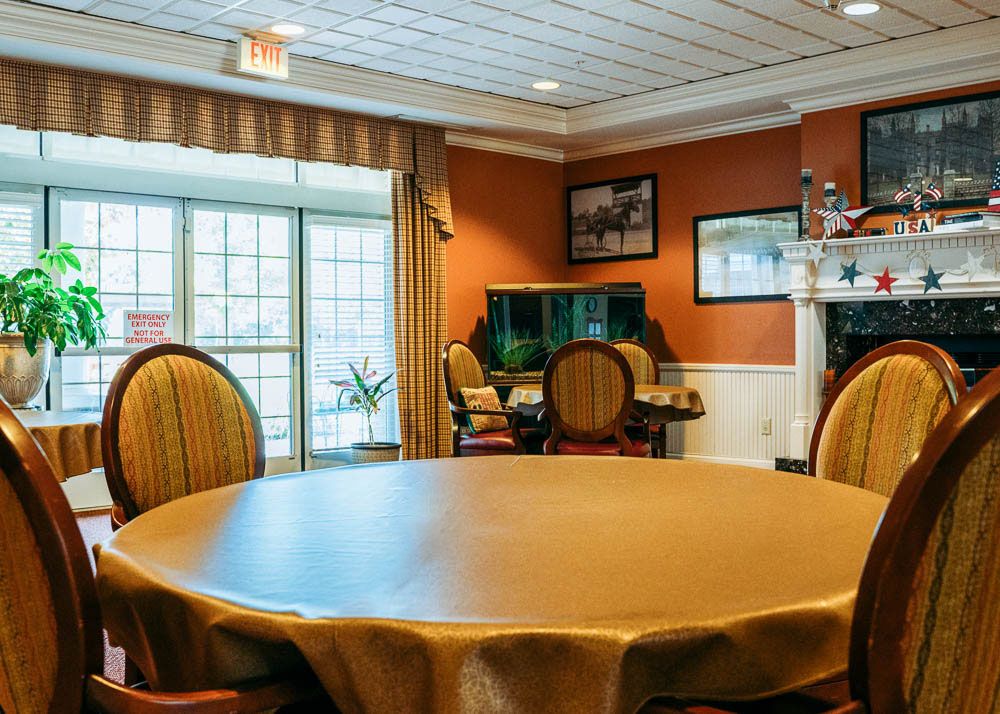
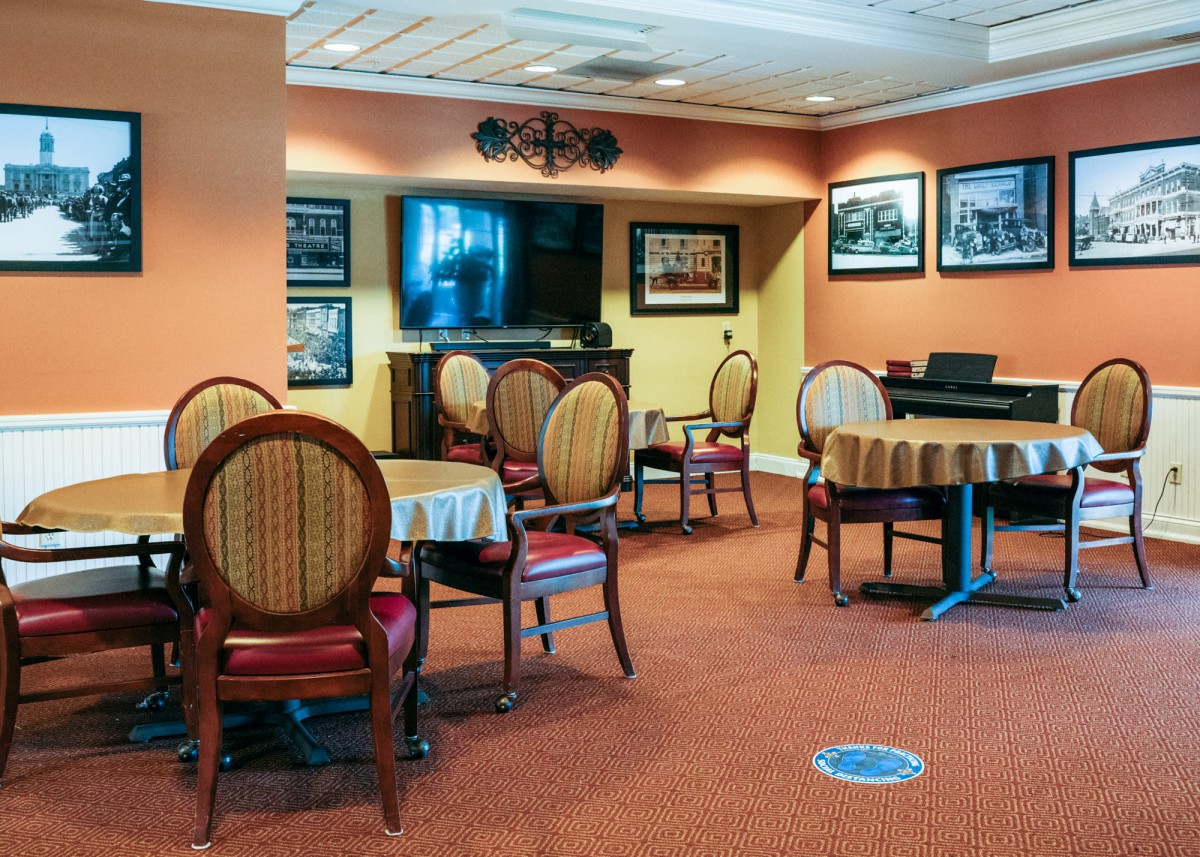
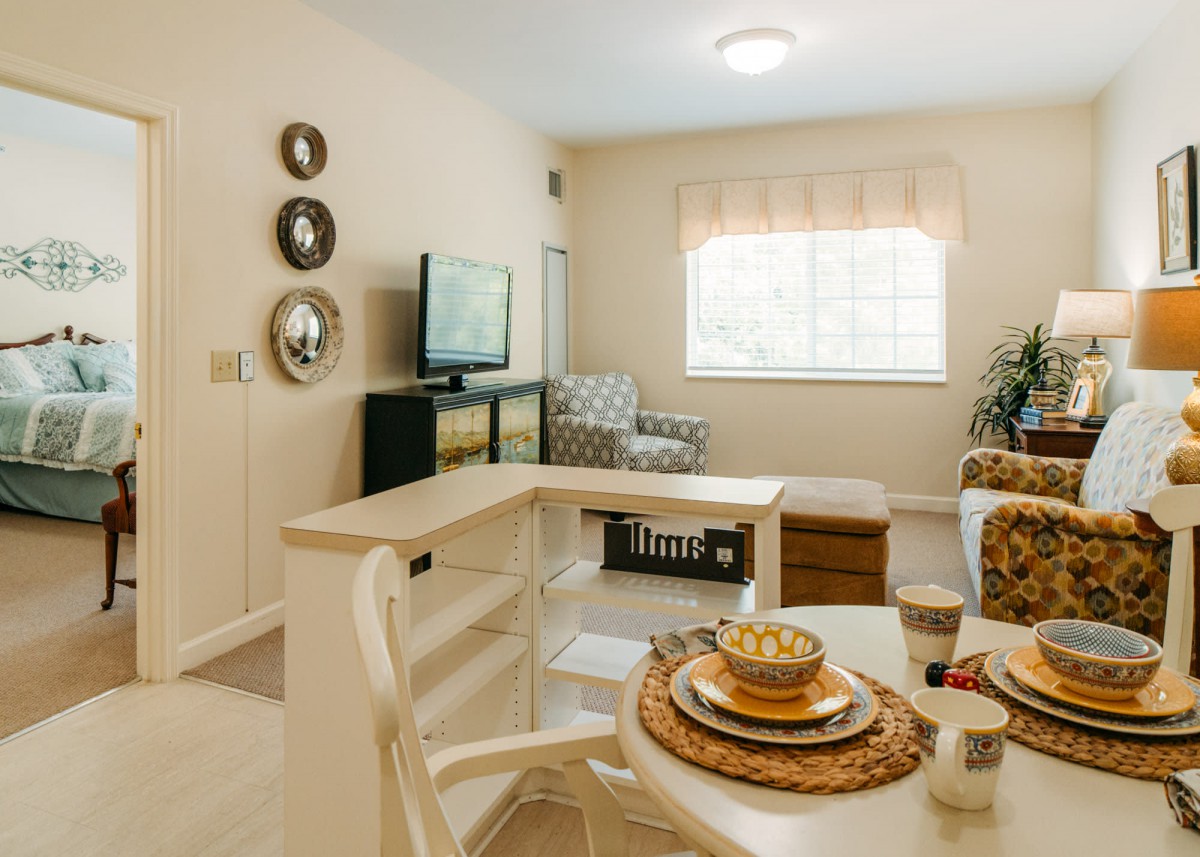
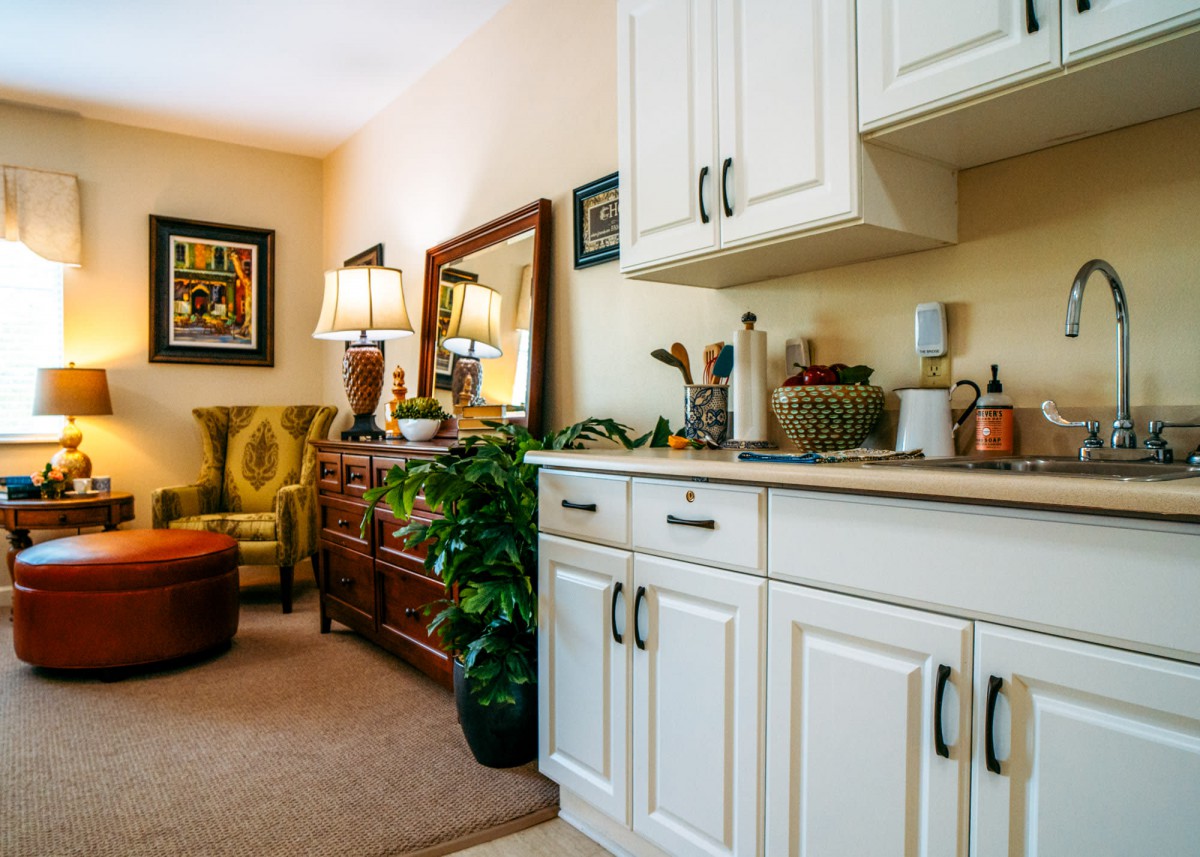
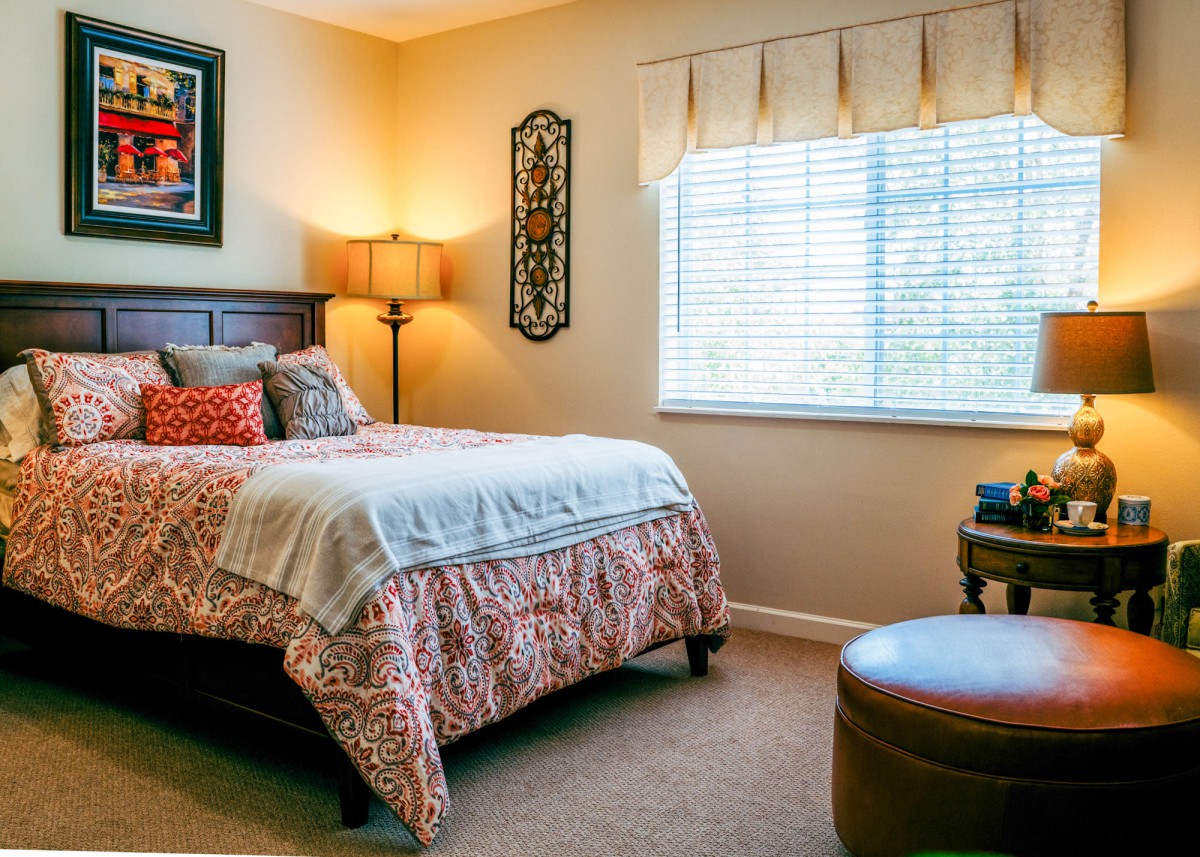
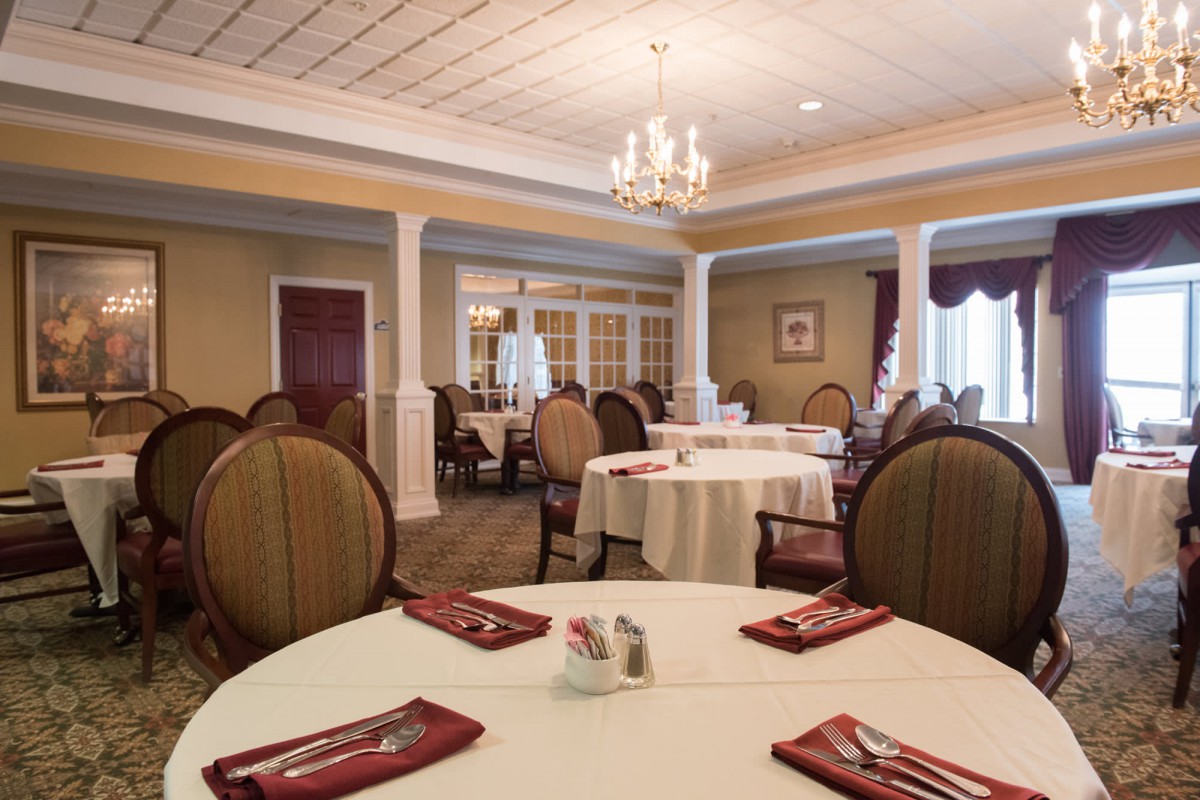
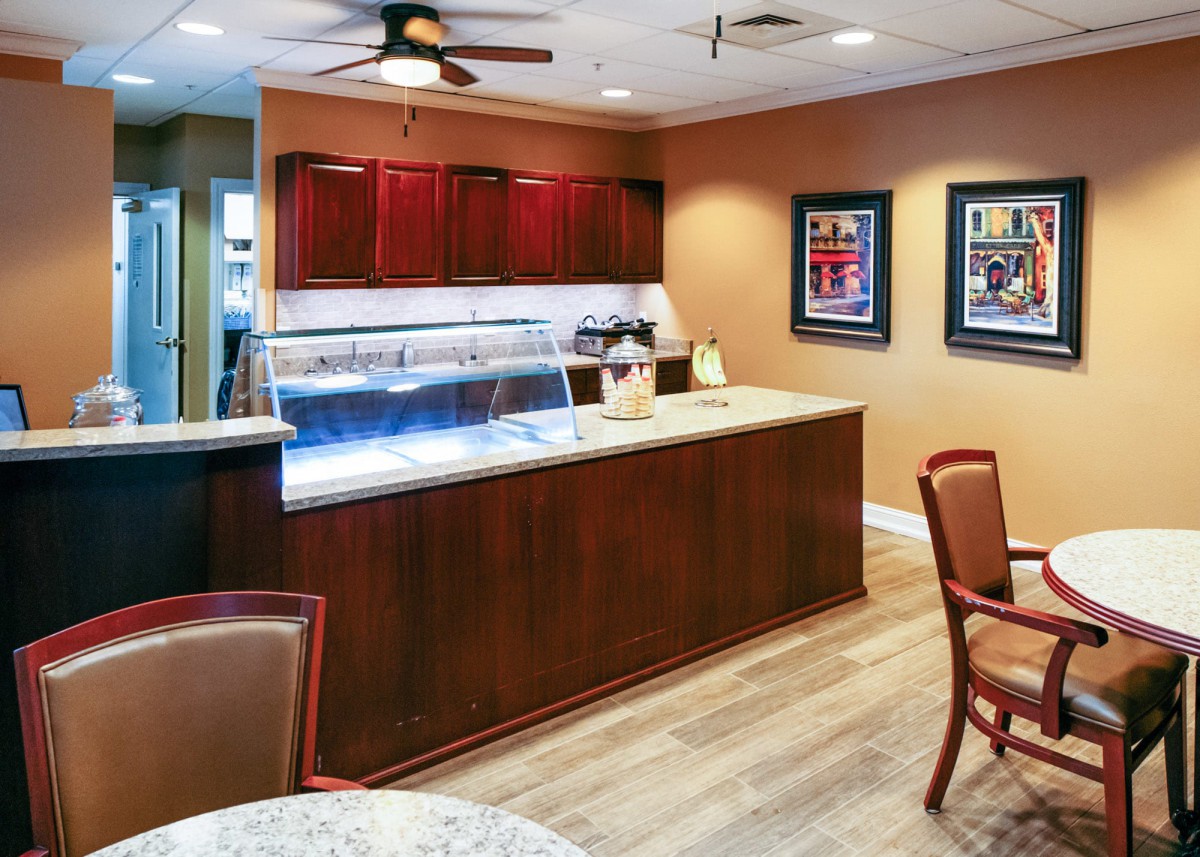
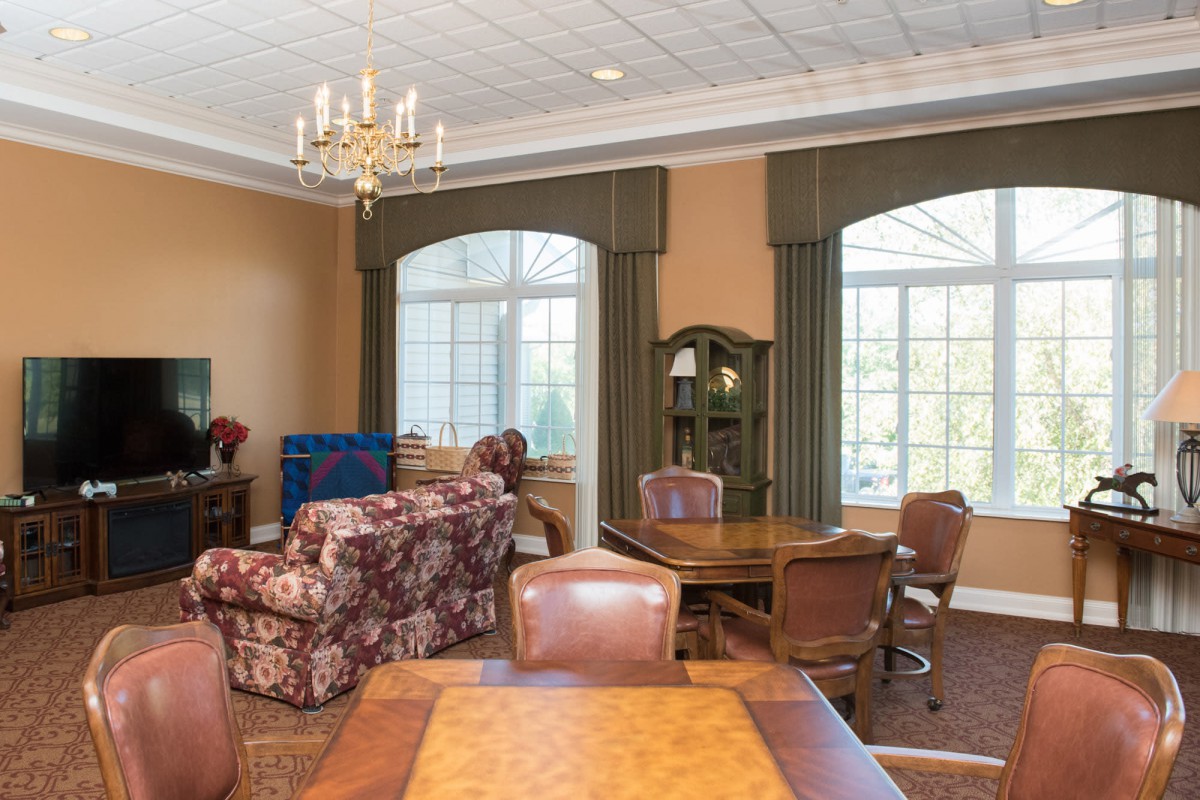
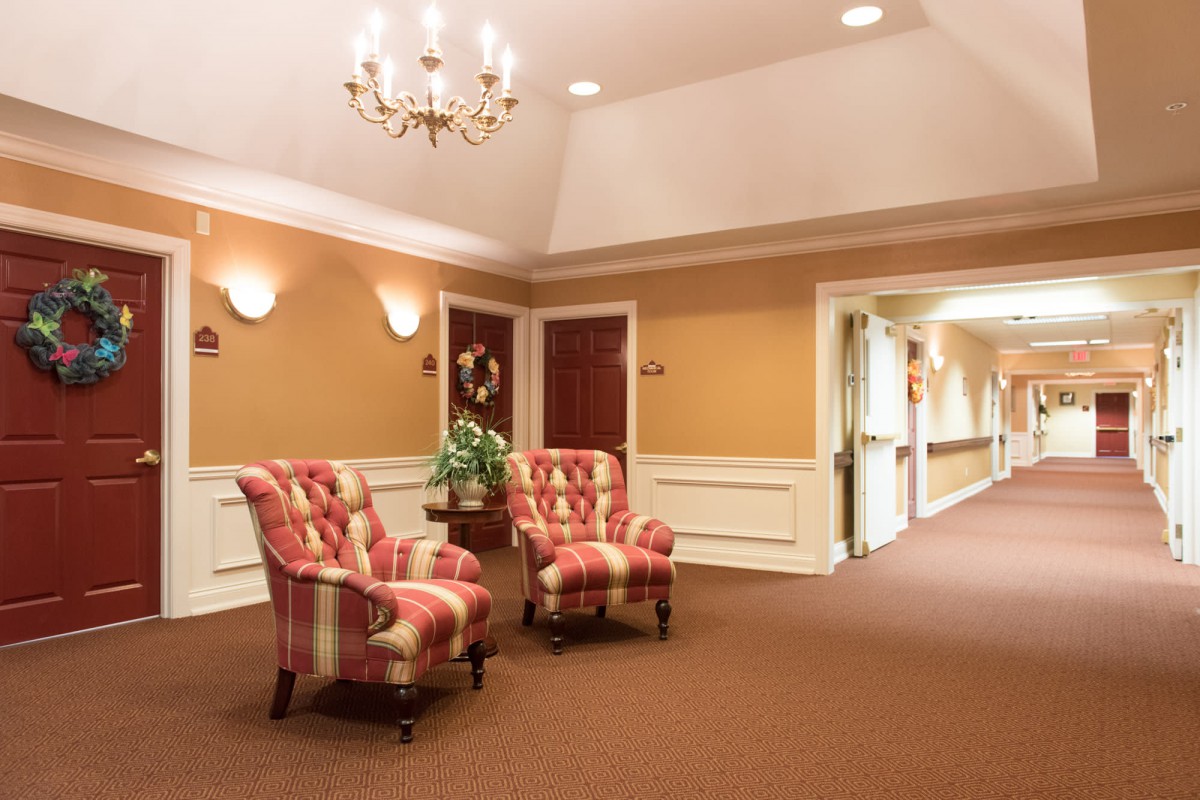
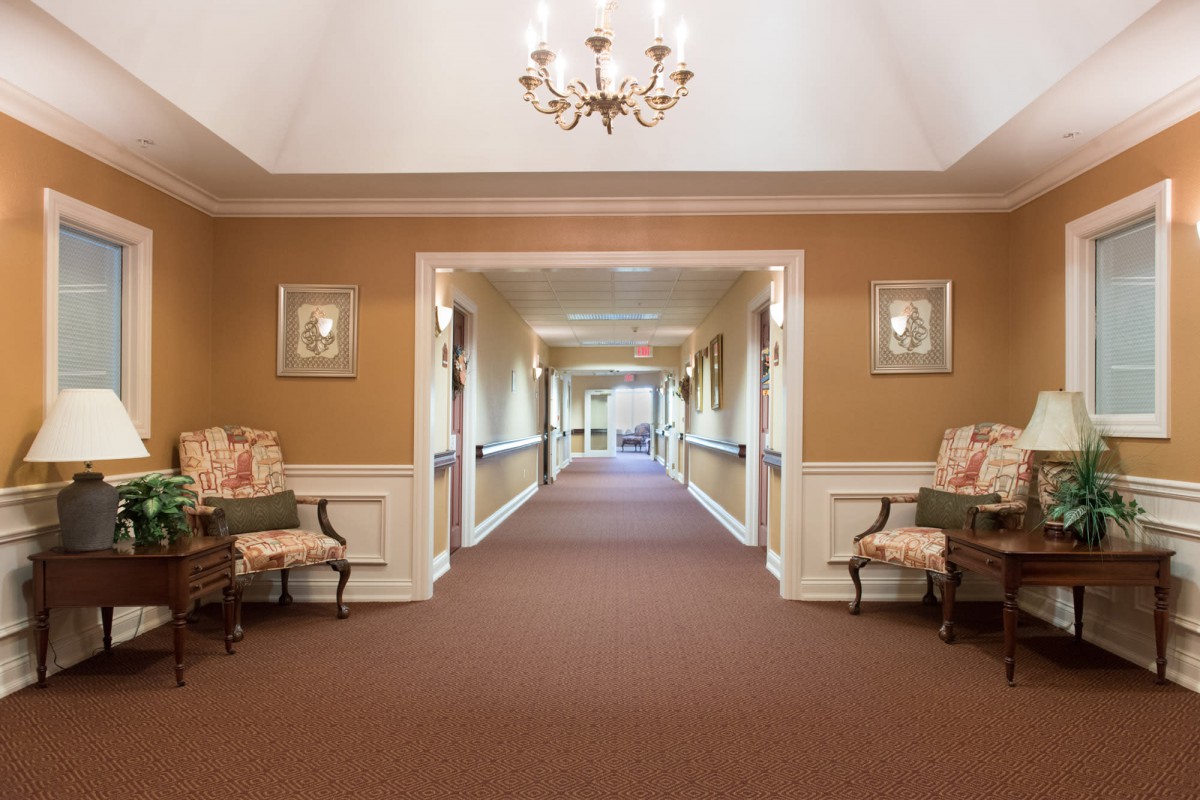
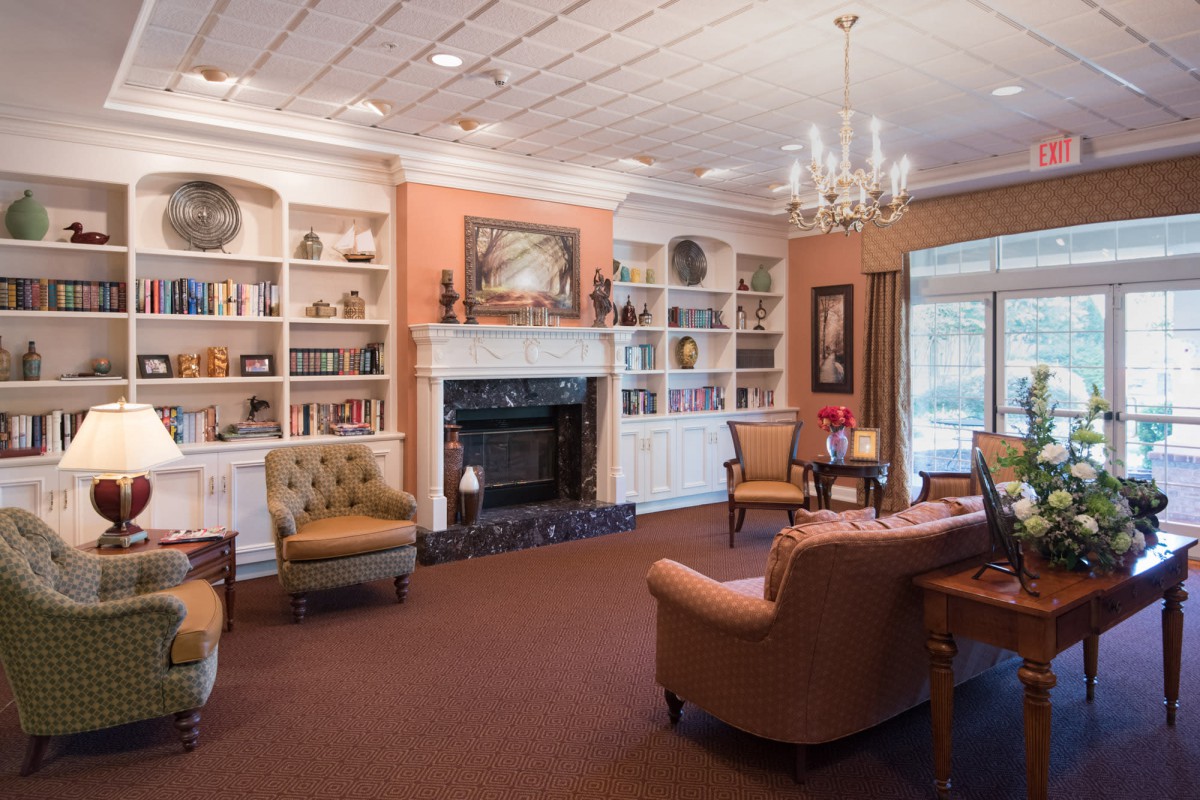
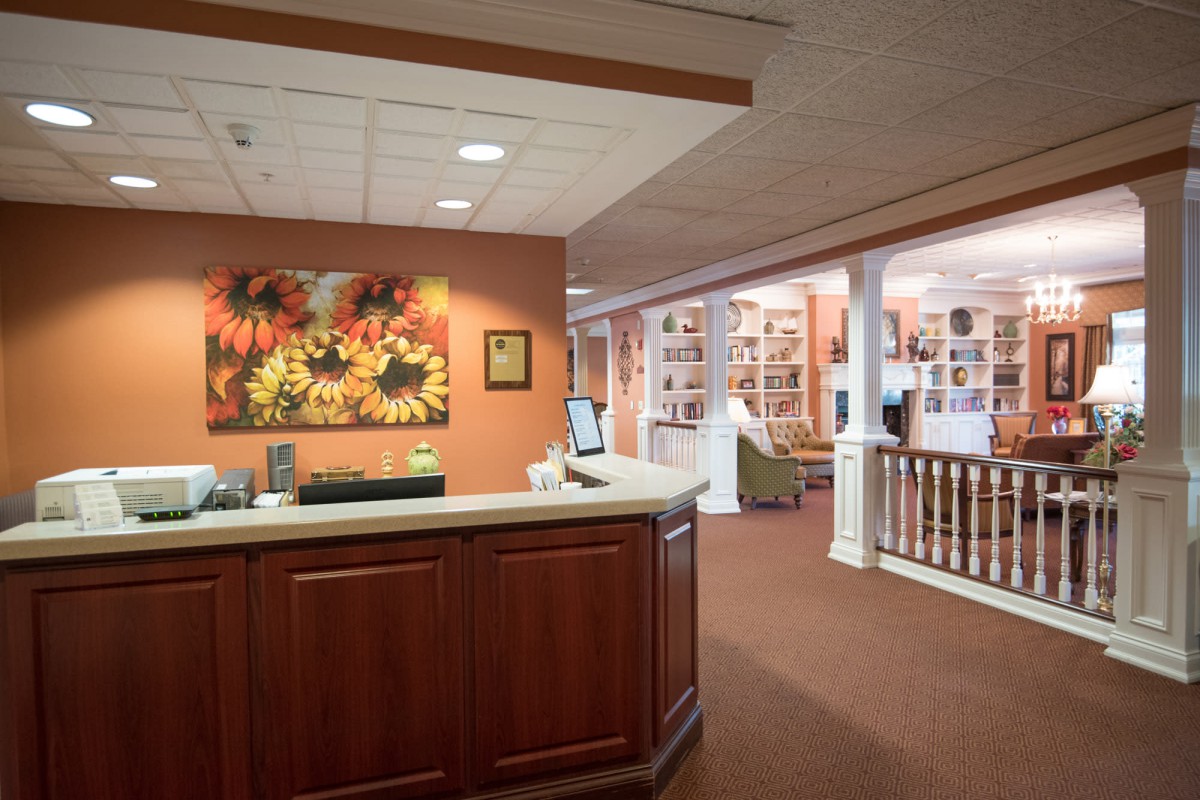
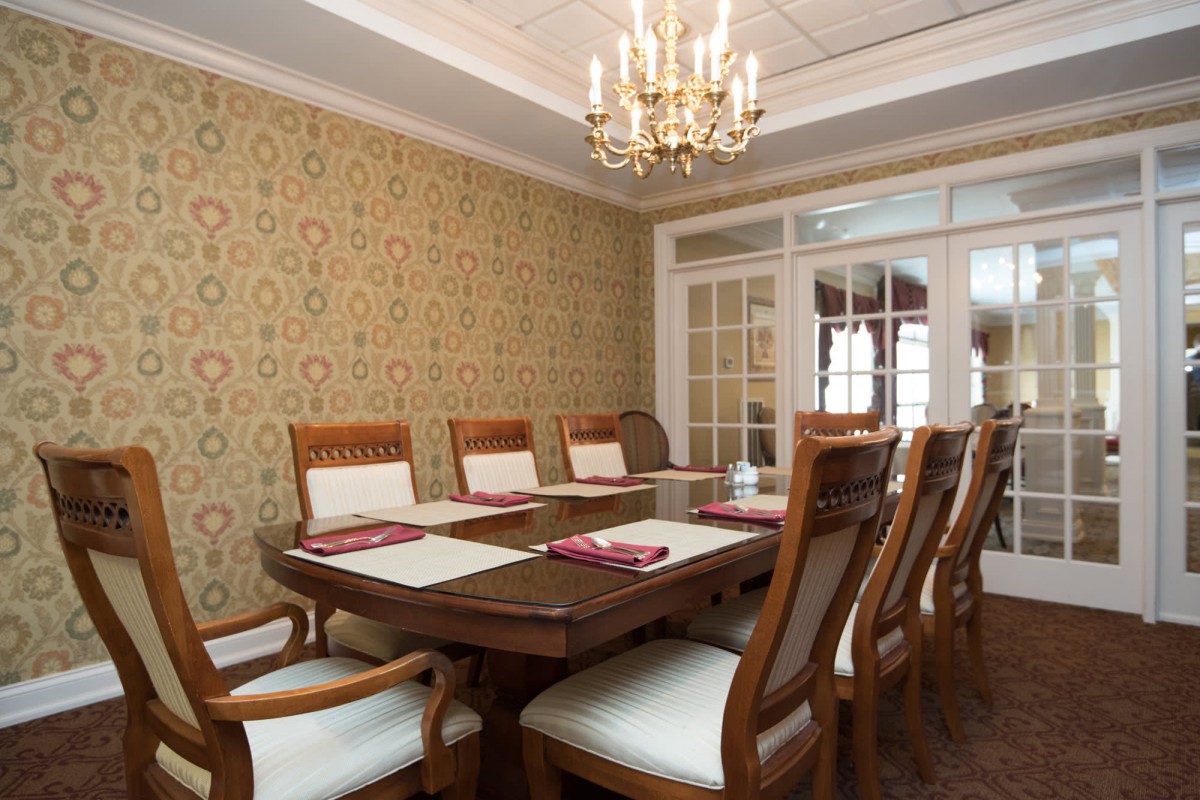
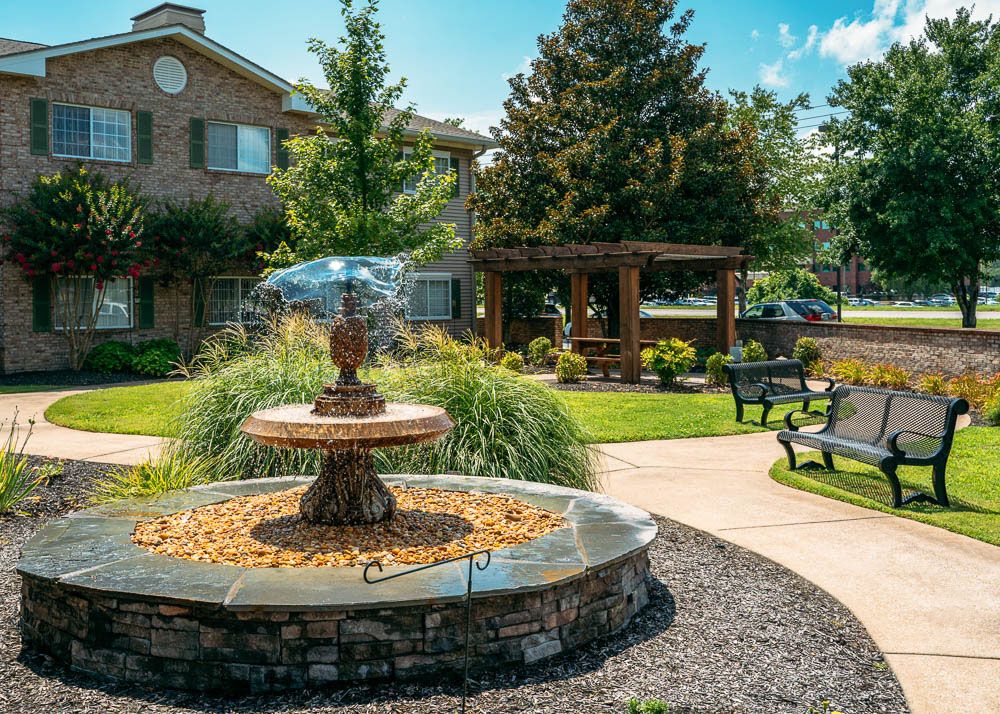
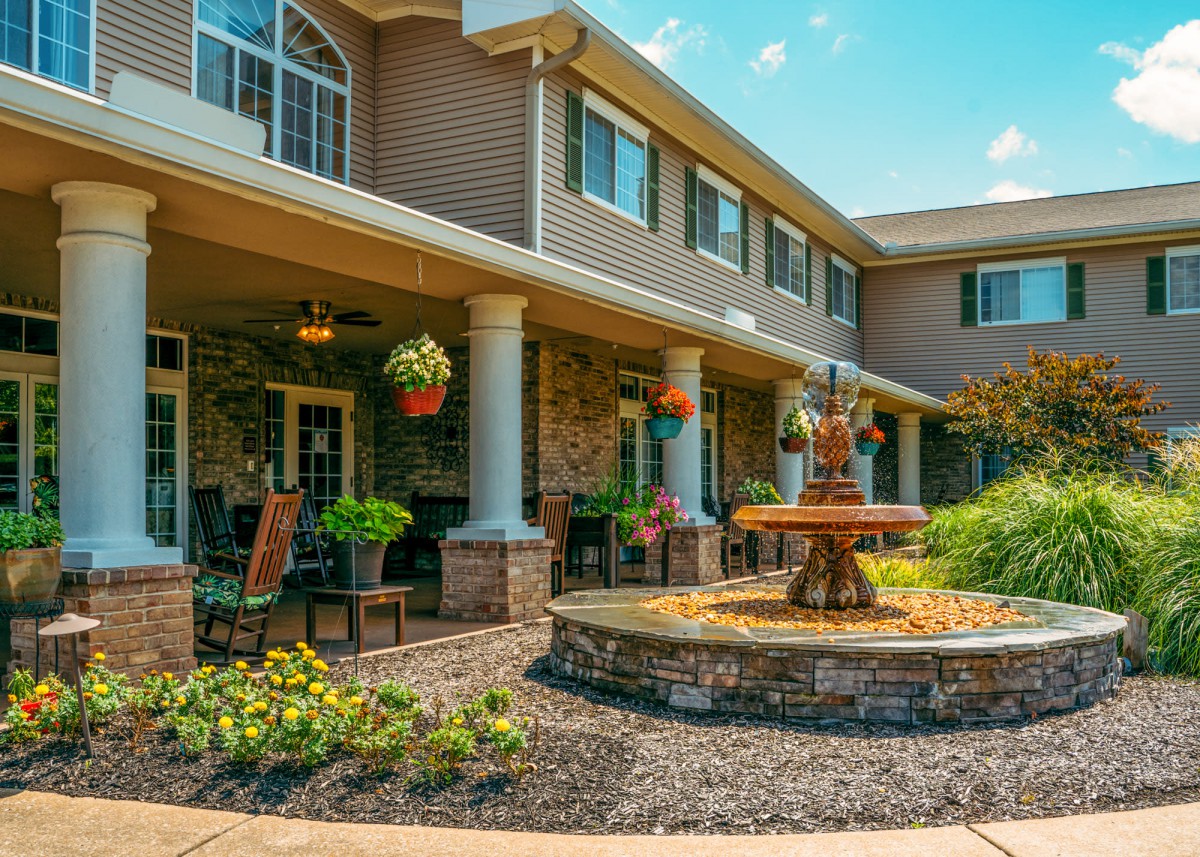
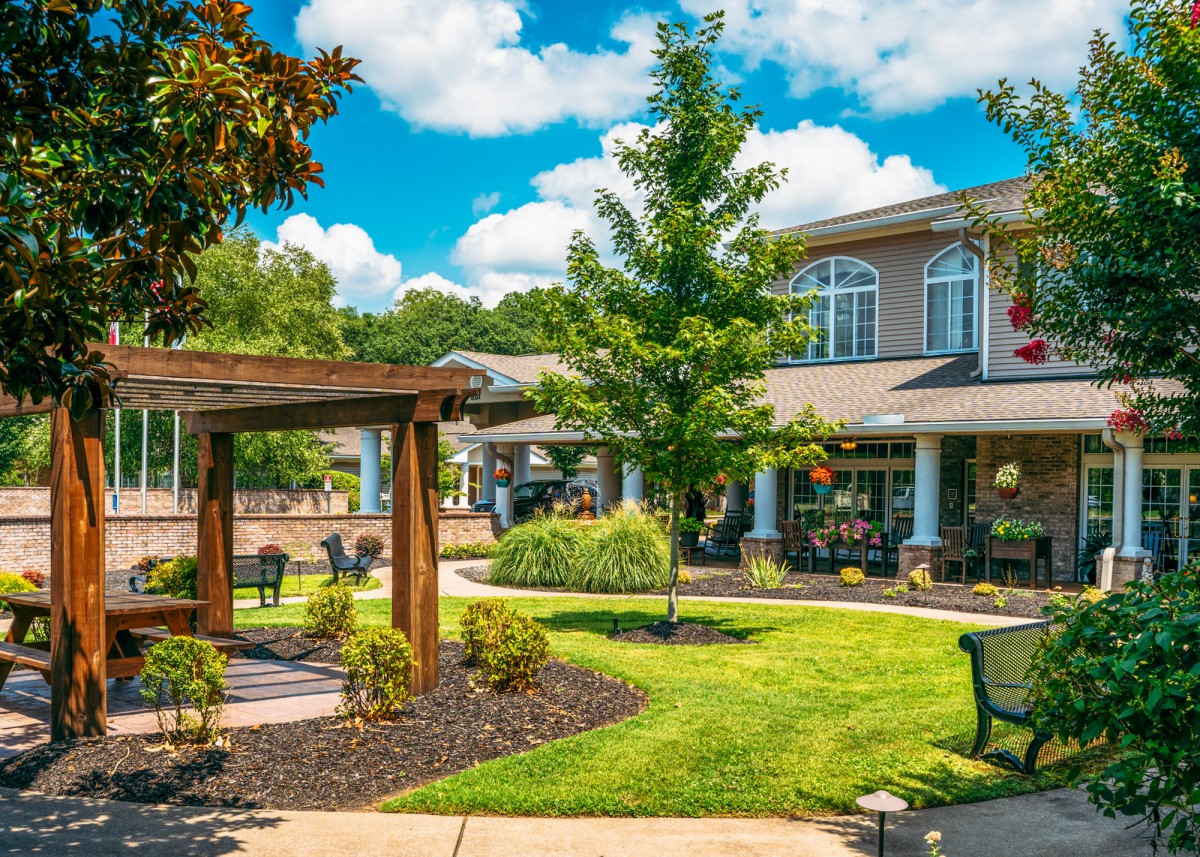
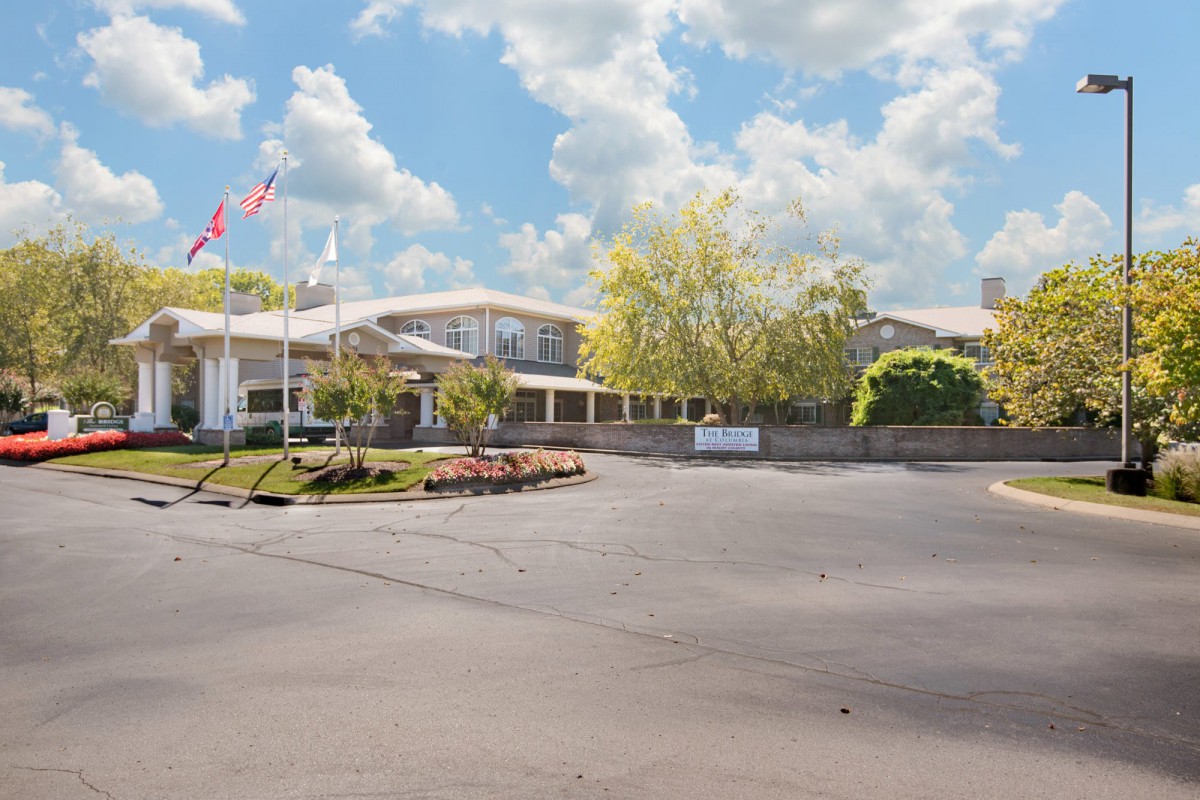
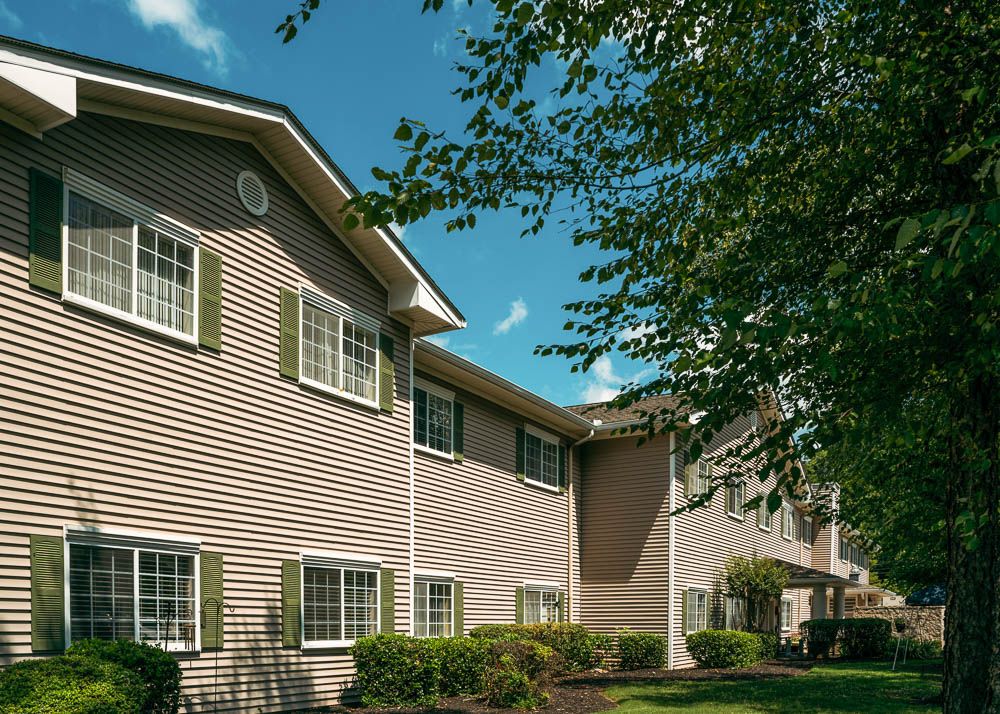
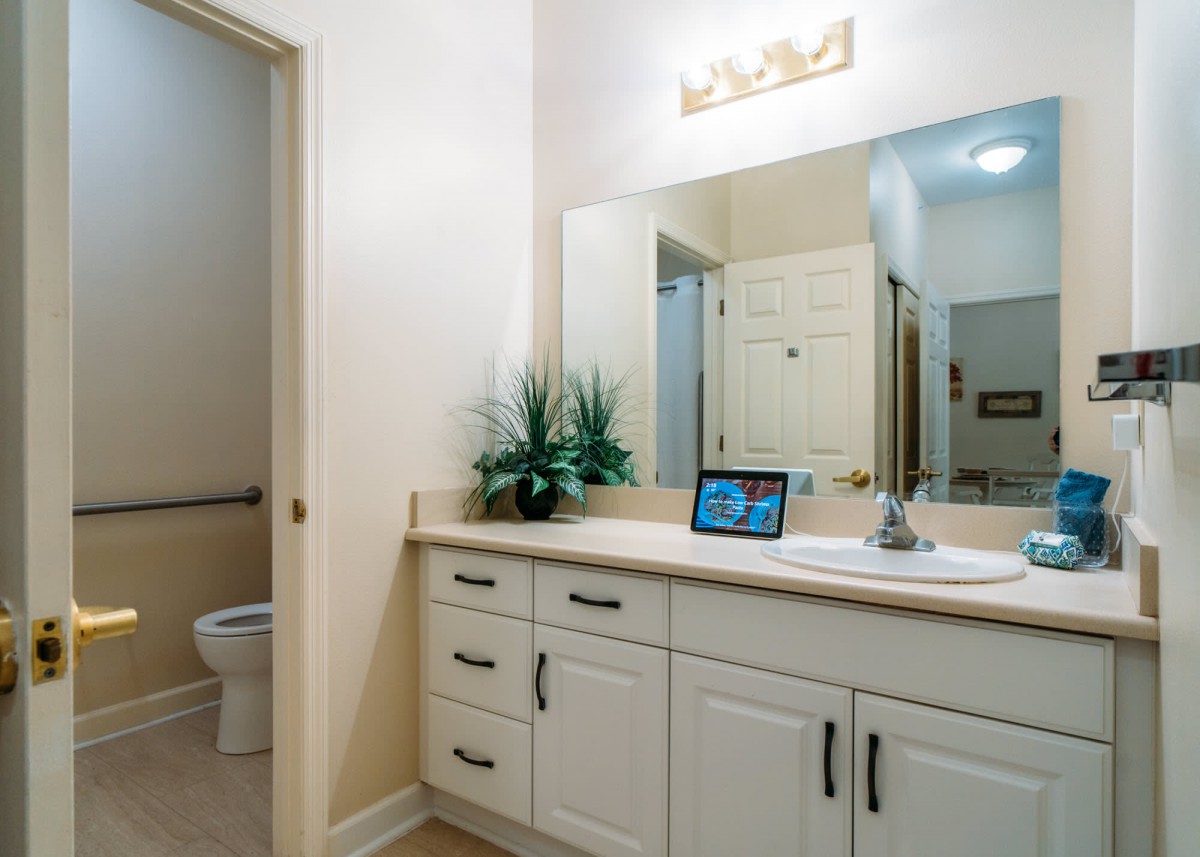
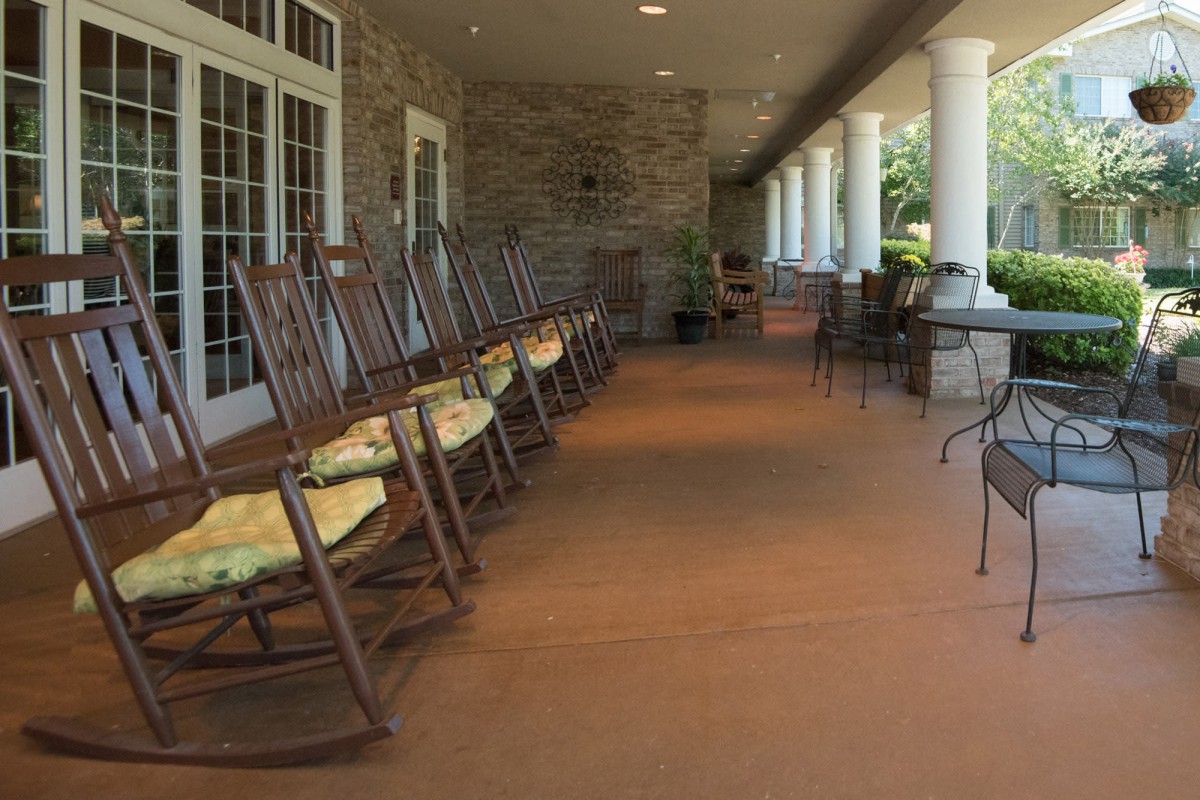
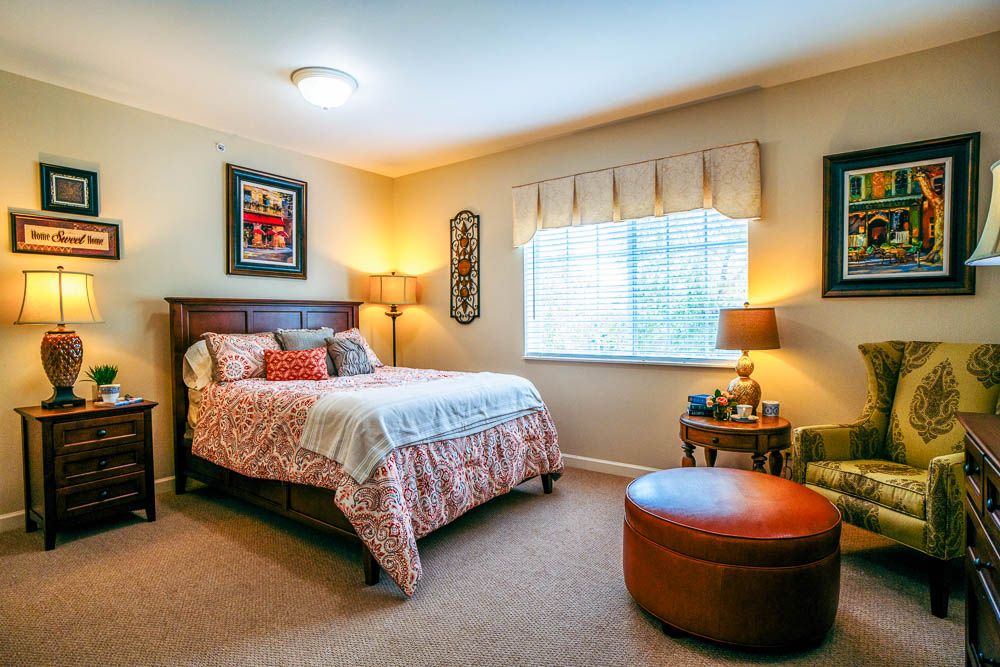
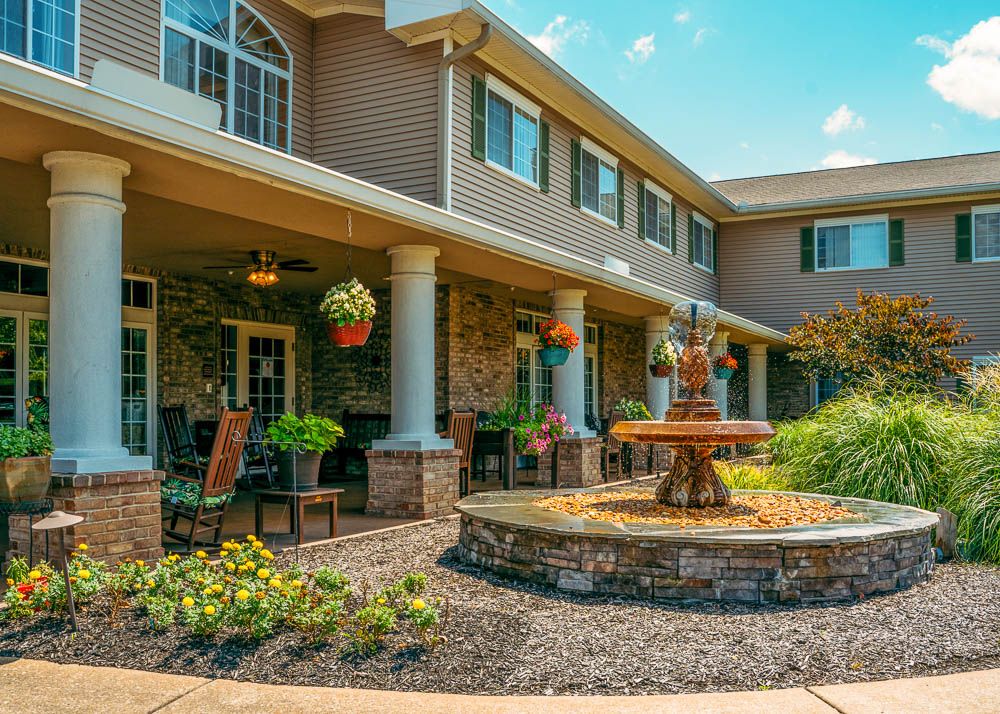
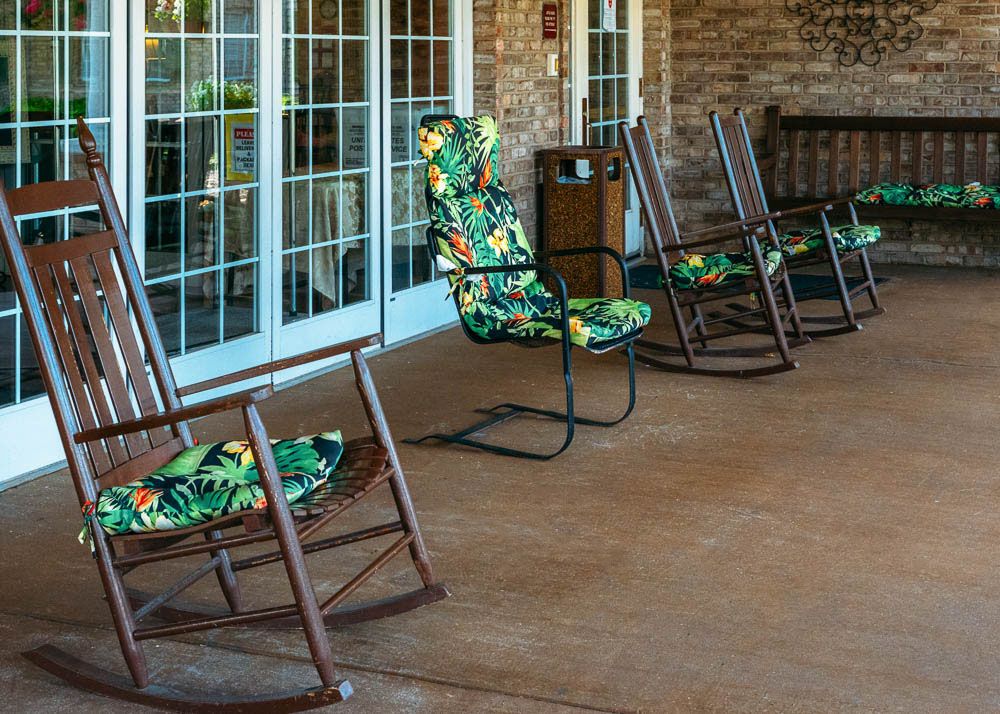
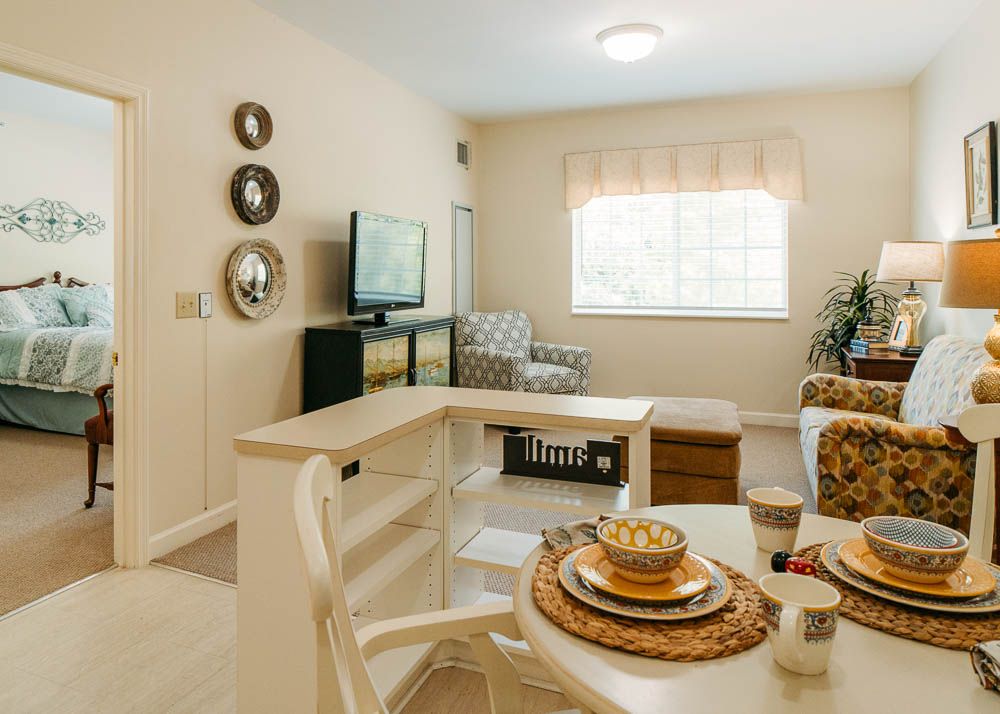
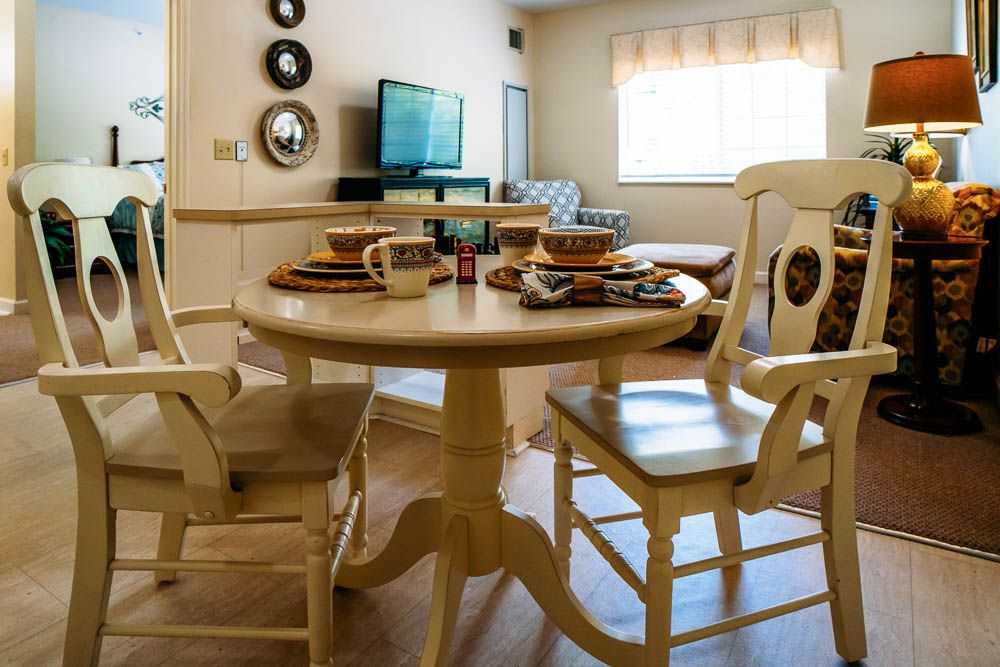
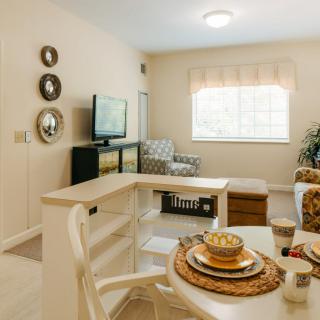
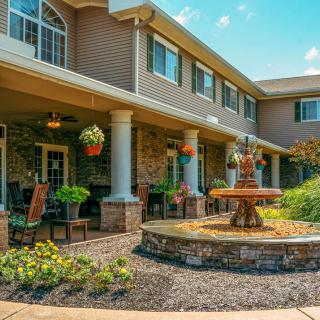
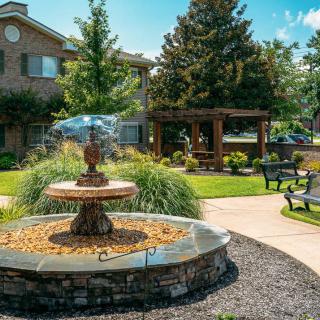
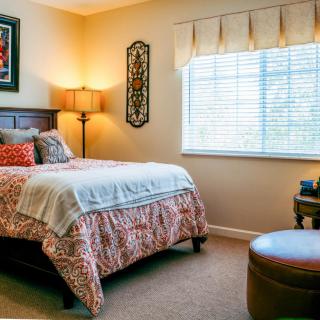
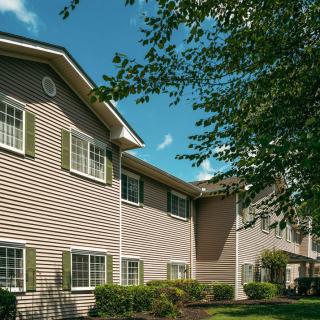
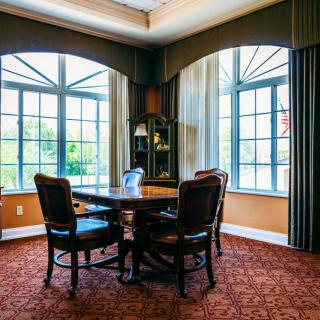
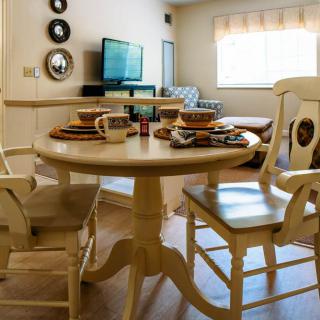
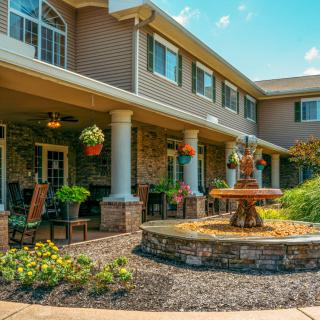
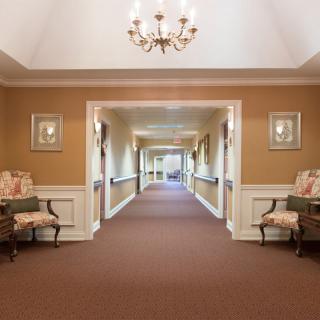
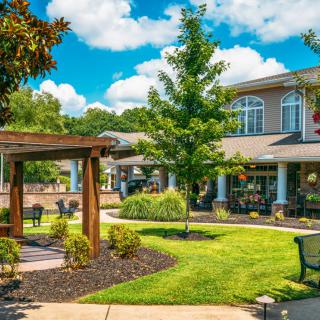
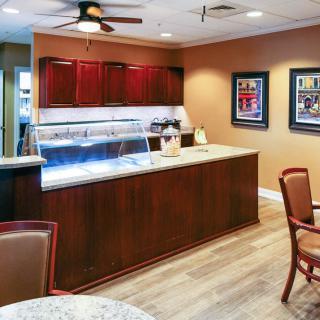
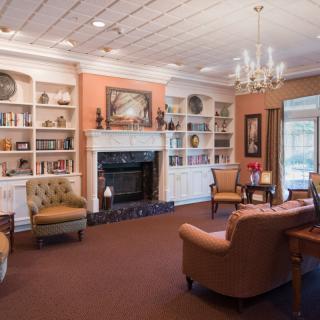
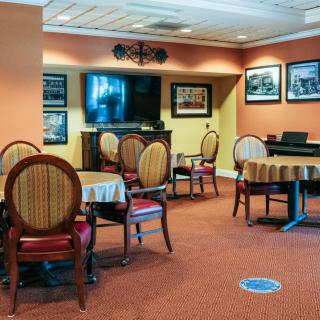
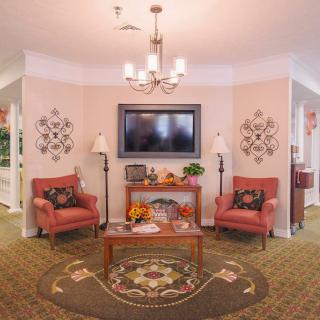
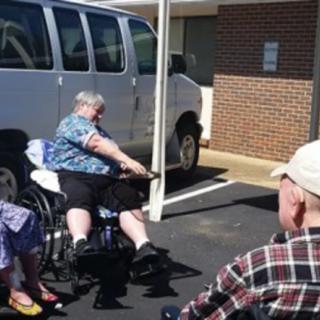
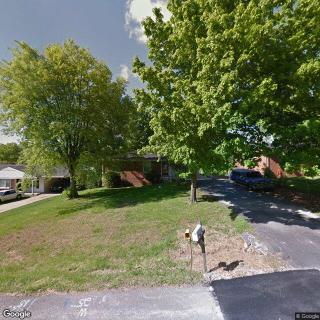
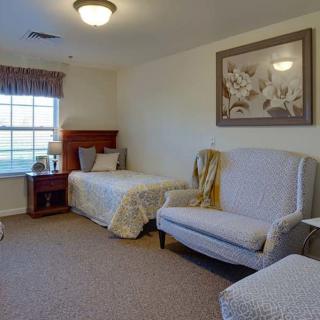
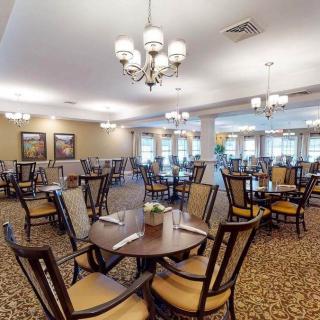
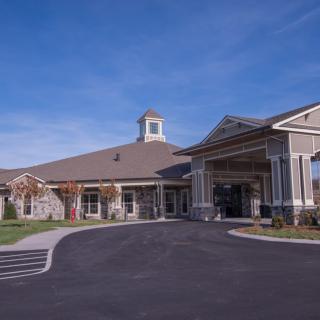
The Bridge at Columbia on seniors.fyi includes 31 photos including images showing interior, decor, dining, windows, floor plan, chandelier, outdoor seating, landscaping, and more.
Nearby Communities
Life Care Center Of Columbia II
Columbia, TN
4.6 from 117 reviews
Extensive on-site amenities and 24/7 nursing support.
Poplar Estates Retirement Center
Columbia, TN
4.7 from 6 reviews
$1,700 to $2,600 / month
Compassionate, personalized care with memory-care options.
Morning Pointe Of Columbia
Columbia, TN
4.5 from 30 reviews
$3,245 to $3,915 / month
Caring, home-like staff with personalized care and engaging activities.
Magnolia Healthcare And Rehabilitation Center
Columbia, TN
4 from 89 reviews
Extensive on-site amenities and 24/7 care services.
Omni Visions Columbia
Columbia, TN
Diabetes-focused care with on-site activities and indoor social spaces.
Blessings from Beyond III
Columbia, TN
2 from 1 review
$2,000 / month
Affordable private rooms at $2,000/mo compared to Williamson County and statewide averages.
Willow Springs Senior Living
Spring Hill, TN
4.3 from 54 reviews
$3,400 to $5,100 / month
Caring staff with strong communication and all-inclusive services
The Goldton at Spring Hill
Spring Hill, TN
4.5 from 112 reviews
$2,800 to $5,500 / month
Friendly, caring staff in a clean, modern setting with engaging activities and strong dining.
Morning Pointe of Spring Hill
Spring Hill, TN
4.8 from 42 reviews
$2,995 to $4,095 / month
Engaging Main Street design with active activities and affordable pricing.
Assisted living facilities offer crucial support for older adults needing help with daily activities but come with varying and significant costs, which can be financed through personal savings, government assistance programs, long-term care insurance, and home equity options. Professional guidance from experts can aid families in navigating these financial complexities to establish a sustainable budgeting approach for assisted living services.
Assisted living costs often exceed Social Security benefits, necessitating a combination of funding sources like state aid and Medicaid. Understanding the interaction between Social Security programs and available financial support is essential for affording such care.
The VA Aid and Attendance benefit provides financial support to veterans needing assistance with daily living due to medical conditions or disabilities, augmenting standard VA pensions for services like in-home care. Eligibility is based on service duration, wartime status, income, and medical needs, with a detailed application process required to access funds for caregiving and home modifications.
Get PricingAsk A QuestionSchedule A TourContact Senior Advisor
By clicking submit, you agree to our Partner's Terms of Use. You
also consent to receive calls and texts, which may be autodialed, from our Partner. Your consent is not a condition to
using our Partner's service. Please visit our Partner's Privacy Policy for information about their privacy practices.

 74 resident community capacity
 1-bedroom apartments
 Assisted Living
 Skilled Nursing Facility
 Cats allowed
 Dogs allowed
 Activities off-site
 Air-conditioning
 Bath tubs
 Beautician on-site
 Cable or satellite TV
 Computer center
 Devotional services on-site
 Dining room
 Fitness room
 Full kitchen
 Fully furnished
 Gaming room
 Garden
 Ground floor units
 Handicap accessible
 Housekeeping services
 Indoor common areas
 Laundry
 Move-in coordination
 Outdoor common areas
 Private bathrooms
 Respite or short term stays offered
 Restaurant-style dining
 Small library
 Telephone
 Wellness center
 Wheelchair accessible showers
 Wi-Fi/high-speed internet available
 Community operated transportation
 12-16 hour nursing
 24-hour call system
 Ambulatory care
 Assistance with bathing
 Assistance with dressing
 Assistance with transfers
 Diabetes diet
 Diabetic care
 Incontinence care
 Medication management
 Mental wellness program
 Special dietary restrictions
 Transportation arrangement (medical)
 Art classes
 Concierge services
 Cooking classes
 Day trips and outings
 Educational speakers / life long learning
 Happy hour
 Live musical performances
 Protestant services
 Wine tasting
 English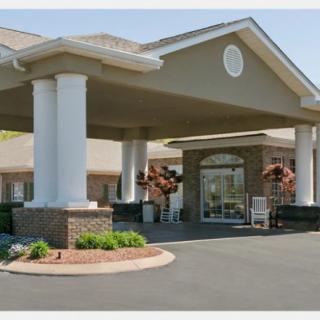
 Extensive on-site amenities and 24/7 nursing support.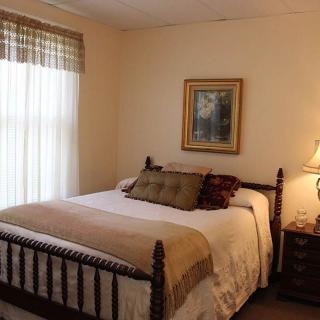

 Securing Financial Support for Assisted Living: A Comprehensive Overview
 Social Security Benefits and Assisted Living: Navigating Options Across the U.S.
 An Extensive Exploration of the VA Aid and Attendance Benefit