
15 Schilling Bend Common, Collierville, TN 38017
For more information about senior living options: (866) 208-4318
Overall Review of Schilling Gardens
Pros
 The staff and management provide excellent care.
- They show patience through the tougher moments of memory care.
- Residents are treated like family.
- The staff demonstrate skill and compassion in their work.
- It is regarded as a shining light in elderly care.
- The staff are pleasant and actively offer a variety of activities.
- Residents are kind and pleasant to spend time with, and volunteers enrich the experience.
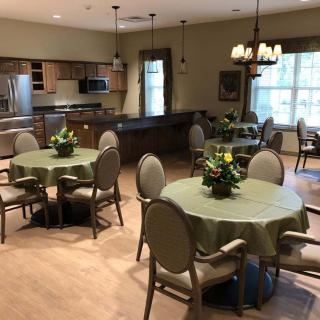
- The dining area is nicely set up with a wide variety of food, and meals are enjoyed by residents.
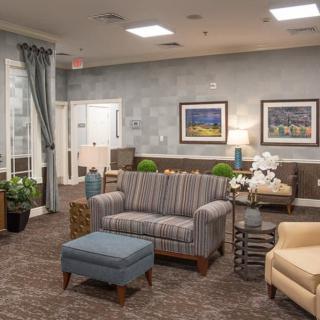
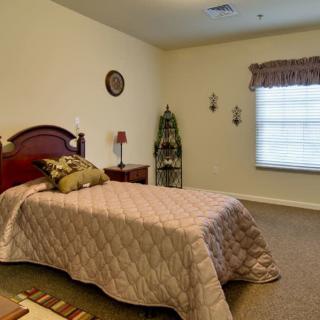
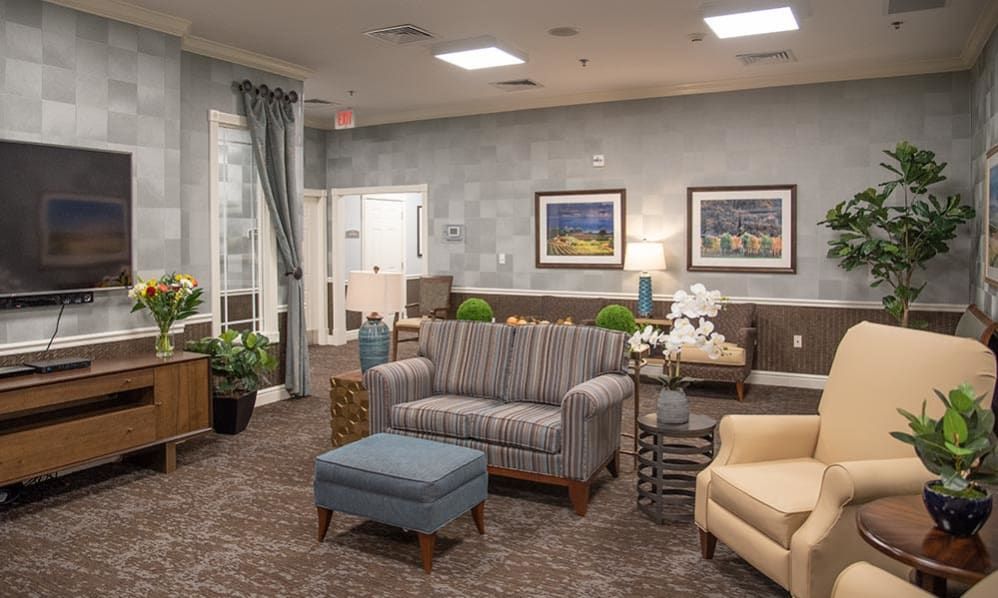
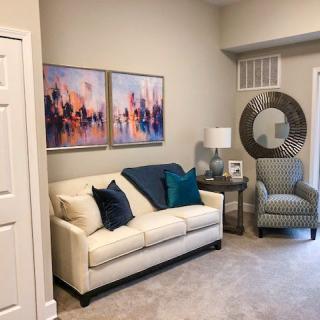
- The facility feels like home, with loving and attentive staff and a strong sense of community.
Cons
 Memory care can be difficult at times.
- There are things that could be improved.
- No visitors are allowed to eat with a resident, which leaves the resident eating alone.
- Daddy ended up eating alone due to the dining restrictions.
- The $145 per day price seems high for the limited activities offered.
Review
Schilling Gardens in Collierville is best suited for families seeking a deliberately intimate, homelike setting where memory care and assisted living come with highly personalized attention. This community excels for seniors who value small-scale surroundings, highly involved staff, and a palpable sense of warmth from caregivers. It is particularly well-matched for families that want easy access to leaders, someone on site who can be reached honestly and promptly, and for residents who thrive in a tightly knit environment where staff familiarity translates into consistent, caring routines.
Where Schilling Gardens truly stands out are the nonnegotiable strengths: a staff that consistently demonstrates patience, compassion, and hands-on engagement with residents; a leadership team that remains visible and responsive; and a culture that many families describe as family-like. The care is described as genuinely attentive, with management and skilled nurses taking a front-and-center role in day-to-day decisions. Residents report good food, meaningful interaction, and real warmth from caregivers, which in practice translates to fewer days spent feeling neglected or ignored. The small scale, limited capacity, means concerns don’t get lost in a crowd, and families can expect frequent touchpoints with a team that seems to measure success in the emotional well-being of each resident.
The small footprint, however, comes with trade-offs that families should weigh carefully. A recurring point of friction concerns activities and social programming: while there are organized enertainment options like singing guests and occasional games, some reviewers felt the calendar could be fuller or more varied. Another meaningful caveat centers on dining policy and visitor involvement: at least one account described a rigid, world-weary impression about eating with a resident, while another review countered that guests can dine with residents. The discrepancy suggests policy implementation may shift with staff, shift, or whims of administrator, and this inconsistency can be a real constraint for families who want to share meals or stay highly involved during meals. Finally, the community’s size, boasting around a dozen residents, limits breadth of amenities and independent- living-style opportunities, which may leave some families feeling they need a bigger campus for a broader activity menu.
Those pros offset the cons in clear, practical ways. The depth of staff attention and the ability to tailor routines to individual residents makes up for a lean activities calendar; caregivers’ familiarity with each resident translates into quicker behavior management, better mood stability, and fewer corrective interventions. The homey atmosphere and apparent love that pervades the halls appear to satisfy families looking for a place where “home” is not just a word but a lived experience. The strong access to leadership helps affirm trust; when issues arise, families know whom to contact and can expect a direct line to decision-makers. For memory care in particular, patience and steady, known caregivers can reduce agitation and disorientation, turning daily living into a sequence of comforting routines rather than episodic stress.
Families who should consider alternatives are those prioritizing robust daily programming and a wide-reaching activity calendar, or those who require a larger, more bustling campus with extensive on-site offerings. Prospective residents with strong preferences for flexible, social dining arrangements with family members present during meals may also want to verify current policies in person, because experiences vary. Additionally, if budgeting is a critical factor, the reported daily cost, while not excessive in many markets, will require careful comparison against neighboring facilities with more expansive programming or different fee structures. In short, Schilling Gardens delivers extraordinary warmth and personalized care, but its best-fit profile is a senior who values intimate scale and staff proximity over breadth of amenities.
For families actively evaluating options, an informed next step is an on-site visit focused on policy clarity and day-to-day rhythms. Confirm dining policies and resident-to-staff ratios during peak hours, review the activity calendar for a representative week, and speak directly with the director of nursing and the administrator about any continuity plans during health declines or transitions between memory care and assisted living. Ask current residents and family councils about how often they see the same caregivers and how often issues are escalated to leadership. If the goal is to minimize relocation stress and maximize intimate, attentive care in a small, loving setting, Schilling Gardens earns strong consideration, and for those with different priorities, the search should continue with alternatives that offer broader programming and larger campuses.
 21 resident community capacity
 1-bedroom apartments
 Assisted Living
 Memory Care
 Beautician on-site
 Cable or satellite TV
 Dining room
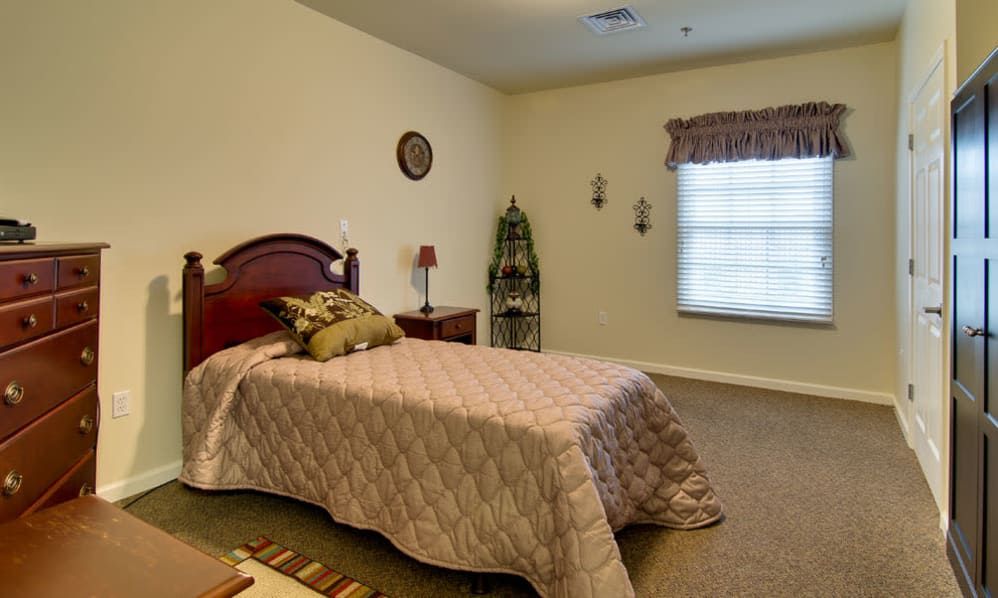
 Fully furnished
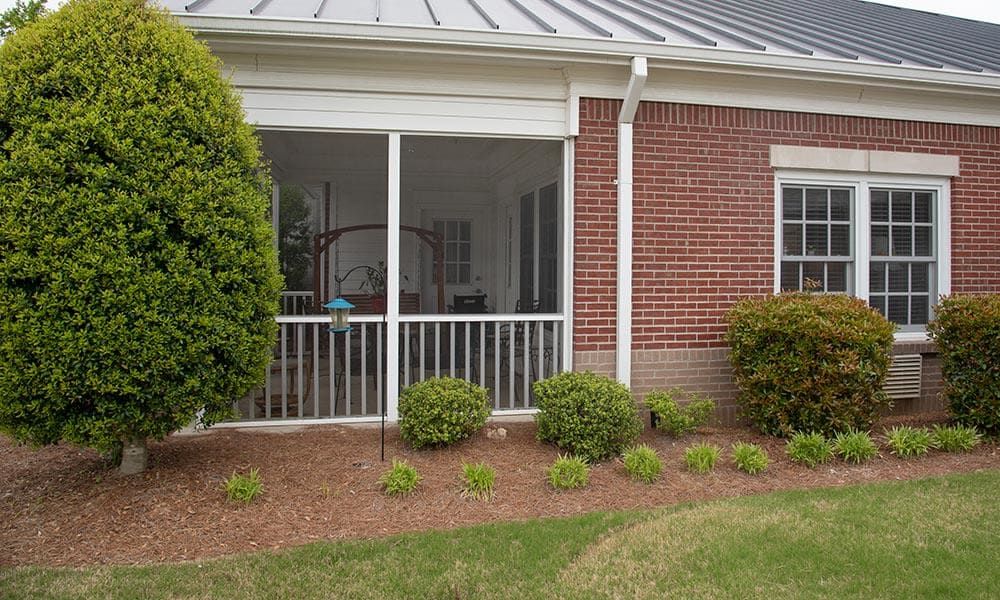
 Garden
 Guest parking
 Housekeeping services
 Kitchenette
 Laundry
 Move-in coordination
 Outdoor space
 Overnight guests
 Party space
 Respite or short term stays offered
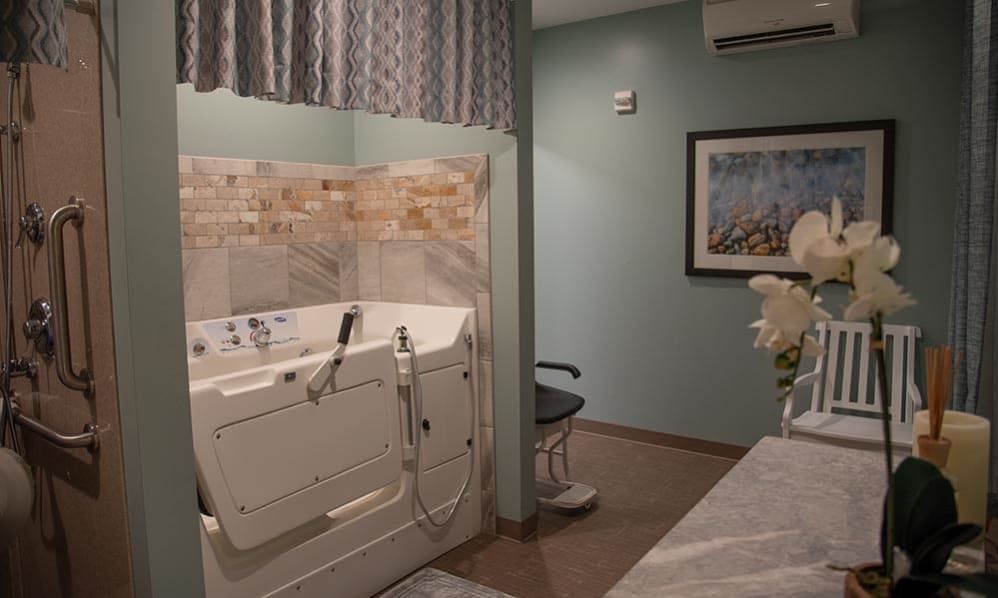
 Spa
Spa Telephone
 VA Benefits Consultation
 Wi-Fi/high-speed internet available
 Memphis International (16 miles away)
 24-hour call system
 Activities of daily living assistance
 Assistance with bathing
 Assistance with dressing
 Assistance with transfers
 Diabetes diet
 Hospice care
 Meal preparation and service
 Medication management
 Mental wellness program
 Physical therapy
 Special dietary restrictions
 Transportation arrangement (medical)
 Transportation to doctors appointments
 Arts and crafts
 Book club
 Educational speakers / life long learning
 Fitness programs
 Games
Games Live musical performances
 Religious services
 English



 Understanding the Distinctions: Assisted Living and Memory Care Explained
 How to Communicate with a Loved One Living with Dementia: 10 Supportive Strategies
 Comprehensive Guide to VA Nursing Homes: A Crucial Long-Term Care Resource for Veterans