
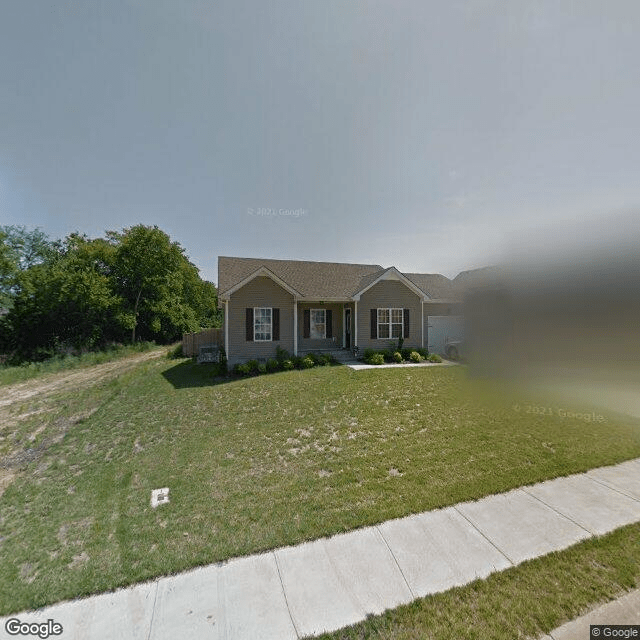
692 Sly Fox Dr, Clarksville, TN 37040
To contact a resident: (814) 312-8369
For more information about senior living options: (866) 208-4318
Overall Review of Direct Nursing Care
Pros
 They are very pleased with Interim HealthCare's service so far.
- They believe Interim HealthCare always puts patients first and foremost.
- They find it a pleasure to work with a company that genuinely cares about well-being.
- Lynne Anderson provided patient, thorough care, helping with dressing, bathing, walking, exercising, and healing.
- The owners and staff are amazing, delivering compassionate and reliable care.
- Erika ensured their aide showed up and contributed to a pleasant experience, even on a Saturday.
- Erica and Francisco are motivated, kind, and compassionate, placing clients in excellent hands.
- Erica is an outstanding and caring medical professional trusted to care for loved ones.
Review
Direct Nursing Care (Interim HealthCare of Montgomery) is best suited for seniors who want proven in-home nursing and personal-care support delivered with unwavering attentiveness. The reviews portray a team that prioritizes the patientā€™s well-being, with caregivers who help with dressing, bathing, mobility, and guided exercise, all coordinated through a responsive, hands-on management structure. This option shines for recovery after a hospital stay, ongoing management of chronic conditions, or respite care where families need reliable, compassionate coverage without placing a loved one in a facility. In short, it serves as a strong at-home care solution when independence is retained enough to stay home but requires skilled assistance and dependable care supervision.
That said, this is not the choice for every senior. Families considering alternatives should look elsewhere when 24/7 campus-style supervision, structured daily routines, or robust social programming are top priorities. For elders with advanced dementia needing constant monitoring, or those who would benefit from the social engagement and amenities of an assisted living or memory-care community, a facility setting may deliver more comprehensive support. In-home care excels on personalization and intimacy, but it cannot replicate a living environment designed to deliver around-the-clock supervision and broad social opportunities.
The strongest positives are unmistakable in the feedback: a patient-first culture, highly capable caregivers, and a director-level willingness to stand up for clear, compassionate care. Instances of caregivers going above and beyond, clerical coordination on weekends, punctual visits, and explanations that dispel questions, underscore a reliable, values-driven operation. Specific anecdotes highlight nurses and aides who help patients regain mobility, keep routines, and restore a sense of normalcy after injury or illness. This level of individualized attention translates into practical outcomes: increased comfort, safer daily living, and a smoother recovery trajectory.
Even without documented downsides in the reviews, several practical caveats flow from the nature of in-home care. Availability can hinge on caregiver schedules and geographic reach, which means some windows may require flexibility. Costs and insurance coverage details are not disclosed in the testimonials, so families must verify what is included and how it aligns with long-term planning. Finally, in-home care inherently focuses on one-on-one support; for seniors seeking an environment with built-in social stimulation and 24/7 on-site supervision, a residential assisted living option may still outperform a home-based model.
With these considerations in mind, the pros offset the primary drawbacks through continuity and personalization. The consistent presence of familiar caregivers reduces the stress of adapting to new faces and supports deeper trust between client and provider. This continuity often translates into steadier daily function, better adherence to rehabilitation exercises, timely assistance with activities of daily living, and fewer hospital visits due to prompt, knowledgeable intervention. When a team demonstrates a willingness to coordinate logistics, troubleshoot gaps, and honor vacation or weekend needs, the likelihood of care disruptions drops markedly, which is a critical advantage for home-bound seniors.
For families weighing options, the takeaway is clear: this home-health model stands out for anyone who values compassionate, expert hands-on care tailored to the home setting. It is a practical, effective choice for recovery, ongoing medical support, and respite care where the goal is to stay at home with privacy and familiarity. Prospective clients should request a detailed care plan, confirm caregiver matching criteria, and establish a trial period to observe how the team manages schedules, communication, and emergencies. Compare this to facility-based living by weighing social opportunities, supervision levels, and total cost, then choose the path that best preserves autonomy, safety, and the daily quality of life most important to the senior and family.







 Understanding the Full Cost of 24/7 In-Home Care: A Detailed Overview
 Exploring the World of Home Health Nurses: Qualifications, Roles, and Hiring Tips
 Navigating Medicare Coverage for In-Home Care Services