
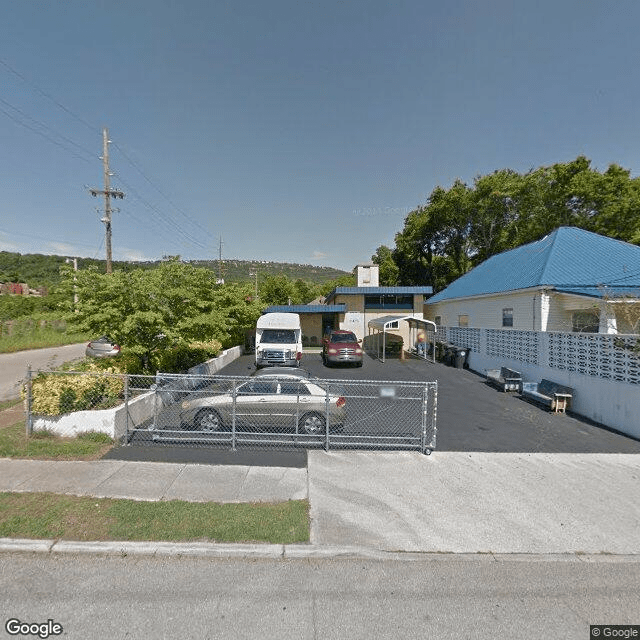
4629 Kirkland Ave, Chattanooga, TN 37410
To contact a resident: (423) 697-0733
For more information about senior living options: (866) 208-4318
Davis Retirement Homes Costs & Pricing
Davis Retirement Homes offers competitive pricing for its residents when compared to both Hamilton County and the broader context of Tennessee. For instance, a semi-private room is priced at $1,800 per month, which is notably lower than the county average of $2,083 and significantly more affordable than the state average of $3,162. Similarly, the studio apartments at Davis are available for $2,100, while residents in Hamilton County face an average cost of $2,945 and those across Tennessee see prices reaching as high as $3,485. The one-bedroom option at Davis also reflects this trend with a monthly fee of $2,300 compared to $3,350 in Hamilton County and approximately $3,592 statewide. This makes Davis Retirement Homes an attractive choice for individuals seeking quality care without the financial burden often associated with retirement living.
| Floor plans | Davis Retirement Homes | Hamilton County | Tennessee |
|---|---|---|---|
| Semi-Private | $1,800 | $2,083 | $3,162 |
| Studio | $2,100 | $2,945 | $3,485 |
| 1 Bedroom | $2,300 | $3,350 | $3,592 |
Assisted Living communities with a similar price nearby
-
from -$275 / mo
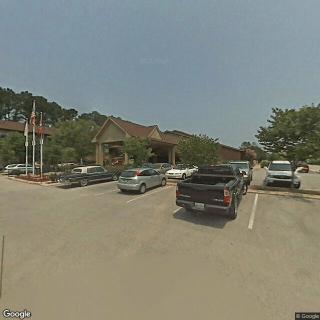
Hickory Valley Retirement Ctr
$1,525 / month8.8 miles away -
from +$200 / mo

Signal Mountain Senior Living
$2,000 to $4,075 / month7.7 miles away -
from -$126 / mo
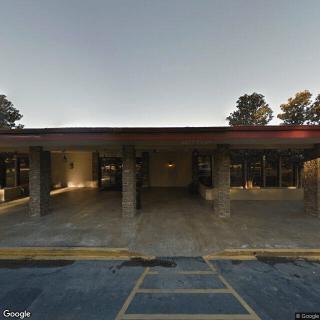
Health Center At Standifer Place
$1,674 to $3,000 / month11.0 miles away -
from -$60 / mo

Assisted Living at Standifer Place
$1,740 to $2,820 / month9.9 miles away -
About the same
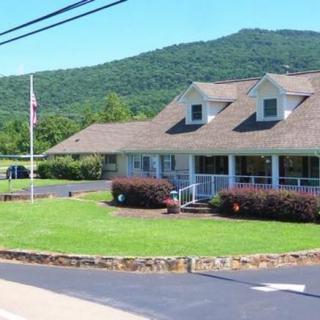
Woodhaven Senior Living
$1,780 to $2,200 / month14.1 miles away
Overall Review of Davis Retirement Homes
Pros
 People were nice.
Cons
 The resident ran away from the facility, and it took hours to locate them again.
- The facility is basically a large room with all residents during the day, with only one door to the outside.
- That door is left unlocked during the day.
- There never seems to be enough staff members there.
- The place does not feel secure or well supervised.
- The location is not in a great part of town.
- The facilities are very cluttered and small.
- Hallways are barely wide enough for a single wheelchair; corners and doorways are difficult to navigate.
- Emergency exit doors are too close to beds and will not fully open.
Review
Davis Retirement Homes in Chattanooga is best suited for seniors who are highly independent, require little to no daily assistance, and can tolerate a compact, simple environment without heavy supervision or secure access features. The experiences shared by families point to a setting that can feel casual and unstructured rather than protective: a large day room where residents mingle, with a single exterior door that can be left unlocked during the day. This configuration only works if the resident can self-manage safety and mobility and if family expectations do not depend on staff oversight or restricted access. For anyone needing consistent supervision, wandering prevention, or rigorous safety protocols, this community is not a fit.
Those weighing alternatives should especially consider residents with mobility challenges or cognitive changes, or families who prioritize security and predictable traffic patterns within the building. If a resident relies on staff for assistance, or if ensuring doors and exits stay properly controlled is non-negotiable, alternatives are prudent. The location’s context, a mix of practical accessibility concerns and a neighborhood setting that some may view as less desirable, adds another layer: a future-care scenario will demand tighter navigation, clearer safety cues, and stronger staffing support than described here.
On the upside, there are signs of human warmth that can matter in daily care. The second review notes that staff and the people there were “nice,” suggesting that with the right administrative emphasis, a more person-centered approach could emerge. A smaller-feel facility can, in theory, offer closer interactions if staffing levels allowed it to translate into reliable supervision. Yet these strengths are quickly eroded by the realities of security gaps and space limitations, making them insufficient to compensate for fundamental design and operational flaws.
The principal drawbacks hinge on safety, mobility, and layout. The wandering incident, where a resident ran away and took hours to locate, exposes a significant risk that cannot be dismissed. Structural design compounds the risk: cluttered, cramped hallways barely wide enough for a wheelchair, tight corners and doorways that impede navigation for walkers or canes, and emergency exit doors that are too close to beds and may not fully open. The day-to-day environment appears to prioritize volume of occupancy over accessible, safe circulation. These factors collectively elevate fall risk, hinder emergency responses, and create ongoing anxiety for families about a resident’s security and well-being.
Prospective families must weigh whether any potential benefits, like friendly staff and an intimate atmosphere, are worth the persistent safety and mobility concerns. As a decision guide, the cons clearly outweigh the pros in most scenarios, especially where mobility devices are involved or where a wandering risk exists. If this community is under consideration, it is essential to verify current staffing ratios, review wandering protocols and door controls, and request a concrete plan for improving circulation safety and supervision. Comparing with alternatives that offer secured access, better-designed mobility corridors, and robust staffing will be decisive in moving toward a sensible choice.
 Assisted Living
 Activities on-site
 Bath tubs
 Beautician on-site
 Cable or satellite TV
 Devotional services off-site
 Indoor common areas
 Respite or short term stays offered
 Lovell (7 miles away)
 Ambulatory care
 Diabetic care
 Medication management
 Meals provided
 Art classes
 BBQs or picnics
 Bible study group
 Cooking classes
 Day trips and outings
 Gardening club
 Karaoke
 Live musical performances
 Quilting or sewing club
 Trivia games
 Yoga / chair yoga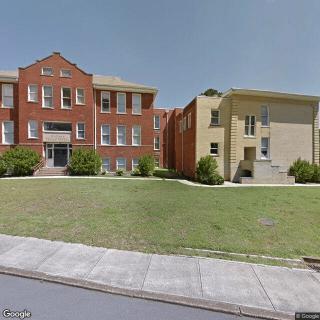


 Senior Transition Services: Understanding Their Role, Cost, and Importance
 Exploring the Path to Senior Living: A Comprehensive Look at Independent Living and Assisted Living
 Is Assisted Living Deductible on Your Taxes? Understanding the Complexities of Assisted Living Expenses and Deductions