Wilmot Care Center Alc 2

Save
Wilmot Care Center Alc 2 Wilmot Care Center Alc 2 Wilmot Care Center Alc 2 Wilmot Care Center Alc 2

Wilmot Care Center Alc 2

501 4Th Street, Wilmot, SD 57279

For more information about senior living options: (844) 490-3973

4.3 from 4 reviews
5 stars
2
4 stars
1
3 stars
1
2 stars
0
1 stars
0

Assisted Living

Overall Review of Wilmot Care Center Alc 2

Pros

  • pro Some of the staff are good workers.
  • pro They do have quality caregivers.

Cons

  • pro The staff have problems.
  • pro Be wary of the quality they provide.
  • pro Staffing levels are chronically short.
  • pro A CNA experienced frequent burnout while working there.

Review

There is a mix of strengths and challenges that comes through when you spend time with this facility. On the positive side, you can tell that a number of the staff are genuinely capable in their roles. These caregivers demonstrate skill, compassion, and a solid work ethic, and they clearly make important contributions to the residents' daily lives. The people who do their jobs well show up consistently, handle tasks with competence, and provide the kind of steady presence that residents rely on. Their dedication stands out in contrast to the more difficult realities of day-to-day operations.

Yet there is a recurring sense that not everything runs as smoothly as it should. The writer emphasizes the need to be careful in how one interprets the internal dynamics, suggesting that problems do exist beneath the surface. The recommendation to "be wary" signals that there are conditions or patterns within the facility that warrant closer scrutiny. In this vein, there is an explicit invitation to connect with a resource - the social worker named Cathy - to obtain a clearer, more objective rundown of the quality of care and service being delivered. It implies that a third-party perspective may illuminate gaps or strengths that aren't immediately visible to residents, families, or staff members.

The personal experience shared adds a deeply human dimension to the assessment. The writer notes: "I worked there as a Certified Nursing Assistant, and I was burnt out a lot." This candid admission highlights the emotional and physical toll that the work can exact, particularly for those in frontline caregiving roles. Burnout, the account implies, is not just an occasional issue but a recurring challenge tied to the demands of the job. The statement underscores issues like workload intensity, emotional fatigue, and perhaps insufficient organizational support - factors that can affect reliability, morale, and the overall quality of care that residents receive.

Alongside burnout and the heavy burdens carried by staff, there is a persistent thread about staffing levels. The claim that "their staffing is short just as every other healthcare facility" places this facility within a broader industry pattern, one that many readers will recognize. Short-staffing can lead to rushed care, delays, reduced time with residents, and heightened stress for caregivers, all of which can undermine the consistency and warmth that families hope to see. The comparison to other healthcare facilities suggests that this is not an isolated problem but part of a larger systemic pressure affecting many organizations in the field.

Despite these tensions, the narrative remains hopeful about the people delivering care. The reviewer emphasizes that "they do have quality caregivers." This recognition acknowledges that within the same environment where burnout and staffing pressures create strain, there are individuals who excel, who maintain high professional standards, and who provide meaningful, high-quality care to residents. It's a reminder that quality care often rests on the dedication and skill of a subset of staff who continue to perform with excellence even under challenging circumstances. The contrast between overall organizational strain and individual caregiver excellence paints a nuanced picture of a facility that can be both demanding and rewarding, depending on whom you interact with and under what conditions.

In sum, the facility presents a nuanced landscape: a workforce capable of delivering strong, compassionate care at times, tempered by systemic pressures such as burnout and chronic staffing shortages that affect day-to-day operations. The mixed reality invites a careful, informed approach to evaluating the care environment. For those weighing involvement with the facility - whether as a potential employee, a resident, or a family member - the suggestion to consult with the social worker Cathy for a rundown of quality adds a practical pathway to gather a fuller, more objective picture. Such a step can help separate the genuinely good caregiving experiences from the broader challenges that characterize many healthcare settings today.

Features

Housing

  • 16 resident community capacity 16 resident community capacity

Types of Care

  • Assisted Living Assisted LivingAssisted living facilities provide crucial support and care for seniors who may need help with daily tasks such as medication management, bathing, and meal preparation. These communities offer a safe and comfortable environment where seniors can maintain their independence while receiving the assistance they need to thrive in their golden years.

Amenities

  • Cable or satellite TV Cable or satellite TVCable or satellite TV is important for seniors because it provides entertainment, news, and companionship, helping to combat loneliness and boredom. It also offers a wide range of programming options tailored to different interests and preferences.
  • Dining room Dining roomDining rooms are important for seniors as they provide a space for socialization, connection, and nutritious meals. They offer opportunities for residents to bond over shared meals, foster a sense of community, and promote healthy eating habits. Dining rooms also ensure that seniors have access to well-balanced meals tailored to their dietary needs and preferences.
  • Fully furnished Fully furnishedFully furnished senior living communities are important for seniors because they provide convenience, comfort, and a hassle-free moving experience. Seniors can easily settle into their new living space without the stress of having to buy and move furniture. This allows them to focus on enjoying their new home and community.
  • Garden GardenGardens are important for seniors as they provide a peaceful and therapeutic environment for relaxation, physical activity, and socialization. Being in nature has been shown to reduce stress, improve mood, and promote overall well-being. Gardens also offer opportunities for seniors to engage in gardening activities, which can improve mobility, flexibility, and cognitive function. Additionally, gardens create a sense of community and connection with others who share a passion for plants and outdoor spaces.
  • Housekeeping services Housekeeping servicesHousekeeping services are important for seniors because they help maintain a clean and safe living environment, promote independence, and reduce the risk of accidents or illnesses. Additionally, having assistance with household chores can alleviate physical strain and allow seniors to focus on other aspects of their well-being.
  • Move-in coordination Move-in coordinationMove-in coordination is important for seniors because it helps ease the transition into their new living environment. It ensures that all logistics, such as packing, organizing movers, and setting up utilities are taken care of, allowing seniors to focus on settling in and adjusting to their new home. Having a smooth move-in process can alleviate stress and anxiety, making the transition smoother and more enjoyable for seniors.
  • Outdoor space Outdoor spaceOutdoor spaces are important for seniors as they provide opportunities for physical activity, social interaction, exposure to natural light and fresh air, and a sense of connection to nature. Having access to outdoor spaces can improve overall well-being and quality of life for older adults living in senior communities.
  • Telephone TelephoneTelephones are important for seniors as they provide a lifeline for communication with loved ones, emergency services, and healthcare providers. They offer a sense of security and independence, enabling seniors to stay connected and access assistance when needed.
  • Wi-Fi/high-speed internet available Wi-Fi/high-speed internet availableWi-Fi/high-speed internet is important for seniors to stay connected with loved ones, access online resources, and participate in virtual activities to combat feelings of loneliness and isolation. It also allows them to easily manage healthcare needs, access entertainment, and engage in lifelong learning opportunities.

Care Services

  • 24-hour supervision 24-hour supervision24-hour supervision is important for seniors to ensure their safety, well-being, and access to immediate assistance in case of emergencies or health issues. This constant support provides peace of mind for both seniors and their loved ones, allowing them to age in place with dignity and security.
  • Activities of daily living assistance Activities of daily living assistanceActivities of daily living assistance are important for seniors because they provide essential support with tasks such as eating, bathing, dressing, and mobility. This assistance helps seniors maintain their independence, dignity, and overall quality of life as they age.
  • Assistance with bathing Assistance with bathingAssistance with bathing is crucial for seniors as it helps maintain personal hygiene, prevents infections, and ensures their overall well-being and comfort. It also provides a sense of dignity and independence for seniors who may struggle with this task on their own.
  • Assistance with dressing Assistance with dressingAssistance with dressing is important for seniors because it helps maintain their independence, promotes personal hygiene, prevents accidents and injuries, and improves overall quality of life. This service ensures that seniors can continue to dress comfortably and confidently, despite any physical limitations they may have.
  • Assistance with transfers Assistance with transfersAssistance with transfers is crucial for seniors as it helps prevent falls and injuries, maintains their independence, and ensures they can safely navigate their living environment. It also provides peace of mind for both seniors and their loved ones.
  • Coordination with health care providers Coordination with health care providersCoordination with health care providers is crucial for seniors to ensure proper medical care, medication management, and overall well-being. This collaboration helps prevent overlapping treatments, track progress more effectively, and provide comprehensive support tailored to individual needs.
  • Diabetes diet Diabetes dietA diabetes diet is crucial for seniors as it helps manage blood sugar levels, reduce risks of complications, and improve overall health and well-being. By following a balanced and nutritious diet tailored to their specific needs, seniors can better control their diabetes and enhance their quality of life.
  • Meal preparation and service Meal preparation and serviceMeal preparation and service are crucial for seniors as they may have limited mobility or energy to cook nutritious meals. Having access to healthy and convenient food options can ensure they are getting the proper nutrition needed to maintain their overall health and well-being.
  • Medication management Medication managementMedication management is crucial for seniors to ensure they are taking the right medications at the correct dosages and times. This helps prevent adverse drug interactions, reduces the risk of medication errors, and promotes overall health and well-being. Proactive management also allows for adjustments as needed based on changing health conditions or new prescriptions.
  • Special dietary restrictions Special dietary restrictionsSpecial dietary restrictions are important for seniors because age-related changes in metabolism and health conditions can make it difficult for their bodies to process certain foods. By following a diet tailored to their specific needs, seniors can maintain their overall health and well-being, manage chronic conditions, and reduce the risk of complications such as malnutrition or food interactions with medications.
  • Transportation arrangement (medical) Transportation arrangement (medical)Transportation arrangements for medical purposes are essential for seniors as they may have difficulty driving themselves to appointments or accessing public transportation. Having reliable and safe transportation options ensures that seniors can receive timely medical care and maintain their health and well-being.
  • Transportation to doctors appointments Transportation to doctors appointmentsTransportation to doctors' appointments is crucial for seniors as it ensures they have access to necessary medical care and support for their health needs. Without reliable transportation, seniors may struggle to attend important appointments, leading to potential delays in treatment and health complications. Providing transportation services helps seniors maintain their overall well-being and quality of life.

Dining

  • Diabetes diet Diabetes dietA diabetes diet is crucial for seniors as it helps manage blood sugar levels, reduce risks of complications, and improve overall health and well-being. By following a balanced and nutritious diet tailored to their specific needs, seniors can better control their diabetes and enhance their quality of life.
  • Special dietary restrictions Special dietary restrictionsSpecial dietary restrictions are important for seniors because age-related changes in metabolism and health conditions can make it difficult for their bodies to process certain foods. By following a diet tailored to their specific needs, seniors can maintain their overall health and well-being, manage chronic conditions, and reduce the risk of complications such as malnutrition or food interactions with medications.

Activities

  • Community-sponsored activities Community-sponsored activitiesCommunity-sponsored activities are important for seniors as they provide opportunities for social interaction, mental stimulation, and physical activity. These activities can help improve overall well-being, combat loneliness and isolation, and promote a sense of belonging and purpose among older adults.
  • Scheduled daily activities Scheduled daily activitiesScheduled daily activities are important for seniors because they provide structure, socialization, mental stimulation, and physical activity. Engaging in regular activities can improve overall well-being and quality of life for seniors living in a community setting.

Description

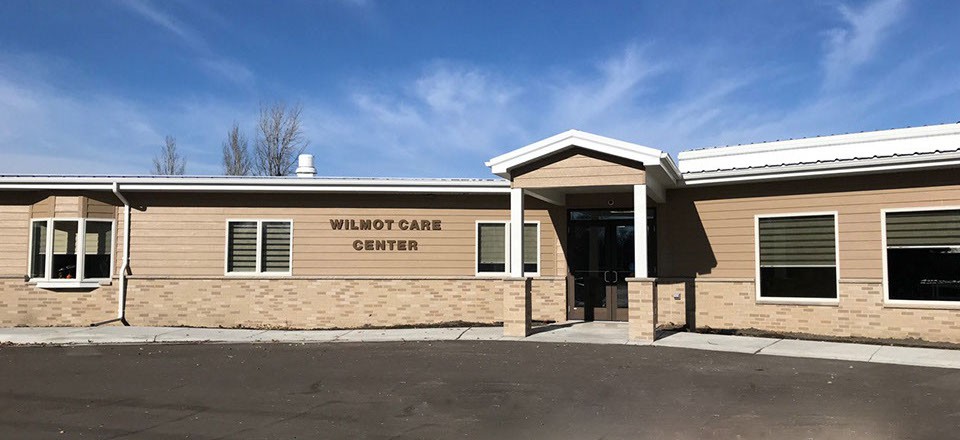
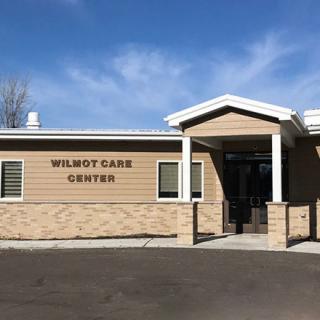
Wilmot Care Center ALC 2 is a premier assisted living community located in Wilmot, SD. Our beautiful facility offers a range of amenities and care services to ensure a comfortable and fulfilling lifestyle for our residents.

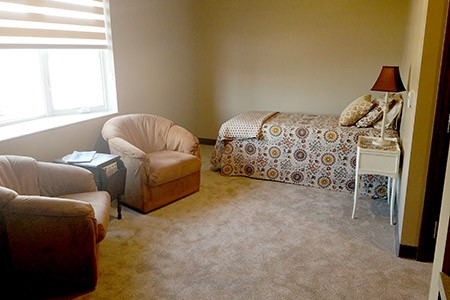
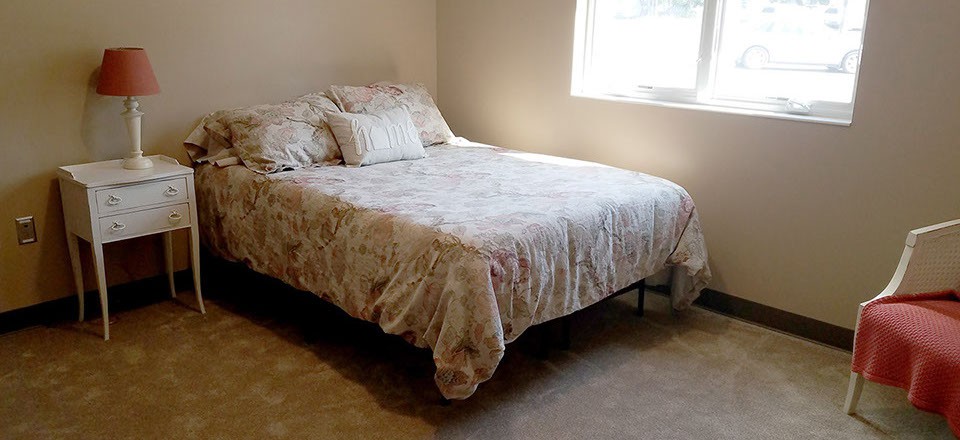
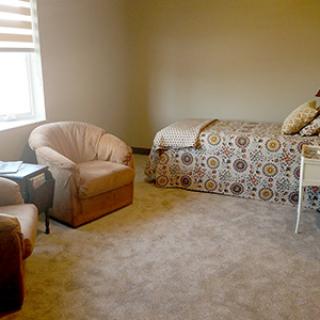
Our dining room provides a welcoming atmosphere for residents to enjoy delicious and nutritious meals. The facility is fully furnished, providing a cozy and homely environment for our residents. Additionally, we have outdoor spaces and a garden where residents can relax and enjoy the fresh air.

We understand the importance of maintaining a clean living space, which is why we offer housekeeping services to keep our residents' rooms tidy and organized. Move-in coordination is also provided to make the transition into our community as smooth as possible.

In this digital age, staying connected is crucial. That's why we offer telephone services as well as Wi-Fi/high-speed internet access throughout the facility.

Our dedicated staff is here to assist residents with their activities of daily living, such as bathing, dressing, and transfers. We also coordinate with health care providers to ensure that our residents receive the necessary medical attention they may require. For those with special dietary needs or restrictions, we provide diabetes diets, special dietary accommodations, and medication management services.

Transportation can often be a concern for seniors, but at Wilmot Care Center ALC 2, we take care of that too. We arrange transportation for medical appointments and doctors' visits so that our residents can easily access the healthcare they need.

In terms of recreational activities, we offer scheduled daily activities to keep our residents engaged and entertained. Whether it's physical exercises or social gatherings, there's always something happening at our community.

Lastly, convenience is key. We have pharmacies nearby for easy access to medications, as well as restaurants and places of worship in close proximity.

At Wilmot Care Center ALC 2, we strive to create an environment where seniors can feel supported and cared for while maintaining their independence. Come and experience the comfort and peace of mind that our community provides.

Nearby Places of Interest

Places of Worship

  • First Presbyterian Church (0.1 miles)
  • Zion Community Church (0.1 miles)
  • Our Savior's Lutheran Church (0.2 miles)
  • St Stephens Lutheran Church (0.3 miles)
  • Holden Lutheran Church (8.3 miles)
  • Peever Lutheran Church (10.1 miles)
  • Bible Fellowship Comm Church (10.1 miles)

Restaurants

  • The Grind Coffee + Cafe (0.2 miles)
  • Whetstone Valley Saloon (0.2 miles)
  • Wharf (7.2 miles)
  • Wild Life (7.3 miles)
  • Summit Bar (11.3 miles)
  • Pizza Hut (11.4 miles)
  • Subway (11.4 miles)

Pharmacies

  • Lewis Drug (0.2 miles)
  • CVS Pharmacy (12.7 miles)
  • Liebe Drug (12.8 miles)
  • Liebe Drug (17.1 miles)
  • Bien Pharmacy (17.2 miles)
  • Bien Pharmacy (17.7 miles)
  • Pearson Rexall Drug & Jewelry (19.7 miles)

Parks

  • Hartford Beach State Park (7.1 miles)
  • Big Stone State Park Bonanza (7.7 miles)
  • Hartford Beach Disk (9.2 miles)
  • Big Stone Lake Overlook (10.3 miles)
  • Big Stone Lake State Park (15.9 miles)

Cafes

  • Caribou Coffee (11.4 miles)
  • 3 Bean Coffee (19.3 miles)
  • Billy's Cafe (19.6 miles)

Hospitals

  • Browns Valley Clinic (12.7 miles)
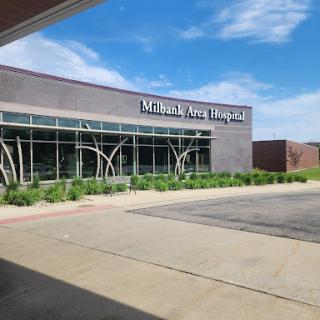
  • Milbank Area Hospital / Avera Health (17.4 miles)
  • Indian Health Service (18.4 miles)
  • Woodrow Wilson Keeble Memorial Health Care Center Indian Health Service (18.5 miles)
  • Coteau Des Prairies Hospital (19.3 miles)

Physicians

  • Avera Milbank Medical Center (17.3 miles)

Transportation

  • U-Haul Neighborhood Dealer (17.4 miles)
  • U-Haul (17.5 miles)
  • U-Haul Neighborhood Dealer (17.7 miles)
  • Glacial Lakes Taxidermy (18.1 miles)

Frequently Asked Questions

Where is Wilmot Care Center Alc 2?
What photos are available for Wilmot Care Center Alc 2 in Wilmot, South Dakota?

Nearby Communities

Related Resources

  • when to move from assisted living to nursing home8 Key Indicators That Suggest It May Be Time to Transition from Assisted Living to Skilled Nursing Care

    The transition from assisted living to skilled nursing care is often prompted by complex medical needs that assisted living cannot meet, with key indicators including frequent health declines, increased falls, severe memory issues, and caregiver burnout. Families should recognize these signs early to discuss options with healthcare providers and prepare for the emotional and logistical aspects of moving to a facility that offers comprehensive medical support.

  • active senior livingVibrant Senior Living: A Comprehensive Guide for Active Older Adults

    Vibrant Senior Living emphasizes active senior living communities that promote independence and engagement through diverse amenities and activities, fostering wellness and social interaction among older adults. These communities range from independent to assisted living, with a focus on personal growth, family involvement, financial planning, and leveraging technology to enhance residents' experiences.

  • when to move from assisted living to memory careWhen to Transition from Assisted Living to Memory Care: Key Indicators, Steps, and Finding the Right Community

    Transitioning from assisted living to memory care is driven by an individual's cognitive decline and specific needs, requiring careful evaluation of indicators like increased confusion and wandering. The process involves consulting medical professionals, researching suitable communities, considering financial and legal aspects, and ensuring effective communication for personalized care plans.