Tekakwitha Living Center

Save
Tekakwitha Living Center Tekakwitha Living Center

Tekakwitha Living Center

6 East Chestnut, Sisseton, SD 57262

For more information about senior living options: (844) 490-3973

3 from 4 reviews
5 stars
1
4 stars
1
3 stars
0
2 stars
1
1 stars
1

Assisted Living Skilled Nursing Facility

What level of care are you interested in?

Assisted Living

Memory Care

Independent Living

Skilled Nursing Facility

Continuing Care Retirement Community (CCRC)CCRC

Other


Request a tour at Tekakwitha Living Center

    Overall Review of Tekakwitha Living Center

    Pros

    • pro The reviewers believe residents deserve dignified, attentive care.
    • pro They value consistent routines and timely meals for residents.
    • pro They advocate for fair, respectful treatment of all residents.
    • pro They recognize the dedication and hard work of the floor staff.
    • pro They emphasize the importance of clear communication among management, staff, and families.
    • pro They support opportunities for positive interactions, such as visits from children and staff.
    • pro They express a commitment to residents' welfare and ongoing facility improvement.

    Cons

    • pro The man in the suit appears to prioritize his pocketbook over resident care and staff morale.
    • pro Residents are left in bed in the clothes and shoes they wore all day.
    • pro Residents are not told when meal times occur.
    • pro Family members have had to fetch residents for meals.
    • pro Residents miss seeing the daycare children and staff.
    • pro Management shows favoritism toward certain staff and residents, which determines how they are treated.
    • pro Floor staff are understaffed and overworked compared to desk staff.

    Review

    The situation described paints a troubling portrait of neglect that seems to pervade the facility at multiple levels. The writer highlights a stark mismatch between the priorities of those at the top and the needs of the residents who live there. According to the account, the man in the suit - an emblem of management - puts what is described as his pocketbook in front of the actual care of the residents, and this same attitude appears to sap the morale of the staff as well. The impression is that financial concerns are taking precedence over the day-to-day humanity and dignity that residents deserve, creating an environment where care and compassion may be sacrificed to perceived efficiency or budgetary concerns.

    One particularly vivid example concerns the writer's aunt, who is described as a resident who has been left in bed wearing the same clothes and shoes for an entire day. This detail is more than a lapse in routine; it signals a fundamental disregard for basic hygiene, comfort, and personal dignity. The image of someone not dressed for the day and not attended to in a timely way speaks to a deeper pattern of neglect, where residents' most basic needs are not being met with the regularity and respect they require.

    The problem extends to meal times as well. Several times, residents and their families aren't told when meals are scheduled, which leads to confusion and missed meals for those who depend on staff for timely care. The account notes that in many instances other families have even had to come in to retrieve meals for their loved ones, or to fetch residents for meals themselves. This fragmentation of routine and the reliance on outside actors to compensate for internal mismanagement suggest a systemic breakdown in communication and planning within the facility.

    The disruption doesn't stop with meals. The writer expresses concern that residents miss interacting with daycare children and staff, which had apparently been a source of life and connection for them in the past. The absence of these visits and interactions creates a sense of isolation and loss of ordinary, comforting contact. When a care environment feels disconnected from the wider, more vibrant activities that used to bring residents some joy and engagement, it compounds the feeling that their day-to-day life is being curtailed rather than cared for.

    Another troubling thread in the narrative is the presence of favoritism, alleged by several residents. They report that favoritism toward certain staff members and certain residents dictates how people are treated, rather than a fair, needs-based approach. This claim suggests a culture where preferential treatment overrides consistent, equitable care, eroding trust among residents and their families. When care decisions appear to be influenced by personal loyalties rather than objective standards, the entire care environment can feel arbitrary and unsafe to those who rely on it most.

    The account also highlights a staffing crisis at the floor level. Floor staff are described as being grossly understaffed, forced to work at a pace and intensity that far exceeds what would be sustainable or safe. The comparison to those behind the desk underscores a structural imbalance: the people delivering hands-on care - the ones who directly attend to residents' daily needs - are stretched to the breaking point, while other roles accumulate responsibilities without equivalent frontline support. This gap not only increases the likelihood of mistakes or missed details but also corrodes morale among the very people tasked with caregiving.

    Taken together, these points describe a facility where residents feel neglected, dignity is compromised, and core operations seem misaligned with the fundamental mission of caregiving. The repeated patterns of inadequate daily care, poor communication about routines, reduced social interactions, perceived favoritism, and an overburdened frontline staff create an atmosphere of frustration, fear, and disappointment for residents and their families. The impression left is one of urgent concern: that without meaningful changes in leadership priorities, staffing, accountability, and resident-centric practices, the quality of life for residents will continue to suffer, and trust in the facility's commitment to their well-being will erode further.

    Features

    Housing

    • 52 resident community capacity 52 resident community capacity

    Types of Care

    • Assisted Living Assisted LivingAssisted living facilities provide crucial support and care for seniors who may need help with daily tasks such as medication management, bathing, and meal preparation. These communities offer a safe and comfortable environment where seniors can maintain their independence while receiving the assistance they need to thrive in their golden years.
    • Skilled Nursing Facility Skilled Nursing FacilitySkilled Nursing Facilities are crucial for seniors as they provide round-the-clock medical care, rehabilitation services, and assistance with daily activities. These facilities ensure that seniors receive the specialized care they need to maintain their health and well-being as they age.

    Amenities

    • Activities on-site Activities on-siteActivities on-site are important for seniors because they provide opportunities for socialization, mental stimulation, physical activity, and overall well-being. Engaging in activities can help seniors stay active, maintain their independence, and improve their quality of life.
    • Air-conditioning Air-conditioningAir conditioning is important for seniors as they are more vulnerable to heat-related illnesses and may have underlying health conditions that make it difficult for them to regulate their body temperature. It helps to keep them comfortable, safe, and healthy in hot weather.
    • Beauty salon Beauty salonBeauty salons are important for seniors because they provide a space for them to feel pampered, socialize, and maintain their personal grooming and hygiene. Regular visits to a beauty salon can help boost seniors' self-esteem and overall well-being.
    • Cable or satellite TV Cable or satellite TVCable or satellite TV is important for seniors because it provides entertainment, news, and companionship, helping to combat loneliness and boredom. It also offers a wide range of programming options tailored to different interests and preferences.
    • Computer center Computer centerA computer center is essential for seniors as it provides access to technology, communication tools, and resources that can enhance their daily lives. It allows them to stay connected with loved ones, engage in online activities, and learn new skills, ultimately promoting socialization and mental stimulation.
    • Devotional services off-site Devotional services off-siteDevotional services off-site are important for seniors as they provide spiritual nourishment, social engagement, and a sense of community outside of the senior living facility. This can enhance overall well-being and help combat feelings of isolation and loneliness often experienced by older adults.
    • Dining room Dining roomDining rooms are important for seniors as they provide a space for socialization, connection, and nutritious meals. They offer opportunities for residents to bond over shared meals, foster a sense of community, and promote healthy eating habits. Dining rooms also ensure that seniors have access to well-balanced meals tailored to their dietary needs and preferences.
    • Fitness room Fitness roomHaving a fitness room in a senior living community is essential for seniors to stay active, maintain their physical health, and improve their overall well-being. Regular exercise can help prevent falls, reduce the risk of chronic diseases, and promote mental sharpness. It also provides social opportunities for residents to connect with others and enjoy a sense of community.
    • Fully furnished Fully furnishedFully furnished senior living communities are important for seniors because they provide convenience, comfort, and a hassle-free moving experience. Seniors can easily settle into their new living space without the stress of having to buy and move furniture. This allows them to focus on enjoying their new home and community.
    • Gaming room Gaming roomGaming rooms are important for seniors as they provide a fun and engaging environment for socializing, cognitive stimulation, and physical activity. Games can improve memory, problem-solving skills, and overall mental well-being while fostering friendships and reducing feelings of isolation.
    • Garden GardenGardens are important for seniors as they provide a peaceful and therapeutic environment for relaxation, physical activity, and socialization. Being in nature has been shown to reduce stress, improve mood, and promote overall well-being. Gardens also offer opportunities for seniors to engage in gardening activities, which can improve mobility, flexibility, and cognitive function. Additionally, gardens create a sense of community and connection with others who share a passion for plants and outdoor spaces.
    • Housekeeping services Housekeeping servicesHousekeeping services are important for seniors because they help maintain a clean and safe living environment, promote independence, and reduce the risk of accidents or illnesses. Additionally, having assistance with household chores can alleviate physical strain and allow seniors to focus on other aspects of their well-being.
    • Indoor common areas Indoor common areasIndoor common areas are crucial for seniors as they provide a space for socialization, recreation, and community engagement, promoting overall well-being and reducing feelings of isolation and loneliness.
    • Kitchenette KitchenetteKitchenettes are important for seniors living in senior living communities because they provide the convenience and independence of being able to prepare simple meals and snacks in the comfort of their own living space. This can help promote a sense of autonomy and well-being for seniors, allowing them to maintain some level of control over their dietary choices and daily routines.
    • Move-in coordination Move-in coordinationMove-in coordination is important for seniors because it helps ease the transition into their new living environment. It ensures that all logistics, such as packing, organizing movers, and setting up utilities are taken care of, allowing seniors to focus on settling in and adjusting to their new home. Having a smooth move-in process can alleviate stress and anxiety, making the transition smoother and more enjoyable for seniors.
    • Outdoor space Outdoor spaceOutdoor spaces are important for seniors as they provide opportunities for physical activity, social interaction, exposure to natural light and fresh air, and a sense of connection to nature. Having access to outdoor spaces can improve overall well-being and quality of life for older adults living in senior communities.
    • Private bathrooms Private bathroomsPrivate bathrooms are important for seniors in senior living communities because they provide independence, dignity, and comfort. Having a private bathroom allows seniors to maintain their personal hygiene routines without the need for assistance, promoting a sense of autonomy and privacy. Additionally, private bathrooms help prevent the spread of infections and provide a safe and clean environment for seniors to navigate safely.
    • Restaurant-style dining Restaurant-style diningRestaurant-style dining is important for seniors because it allows them to enjoy delicious, nutritious meals in a social and upscale setting. This enhances their dining experience, promotes healthy eating habits, and fosters socialization with fellow residents, ultimately contributing to their overall well-being and quality of life.
    • Small library Small librarySmall libraries are important for seniors as they provide access to a variety of reading materials, including books, newspapers, and magazines. This can help stimulate their minds, keep them engaged, and provide a sense of community through book clubs and other social activities. Additionally, reading has been shown to improve cognitive function and overall mental well-being in older adults.
    • Telephone TelephoneTelephones are important for seniors as they provide a lifeline for communication with loved ones, emergency services, and healthcare providers. They offer a sense of security and independence, enabling seniors to stay connected and access assistance when needed.
    • Wellness center Wellness centerWellness centers are important for seniors because they offer a variety of programs and services that promote physical, mental, and emotional well-being. These centers provide opportunities for exercise, socialization, education, and relaxation, helping seniors maintain their overall health and quality of life.
    • Wi-Fi/high-speed internet available Wi-Fi/high-speed internet availableWi-Fi/high-speed internet is important for seniors to stay connected with loved ones, access online resources, and participate in virtual activities to combat feelings of loneliness and isolation. It also allows them to easily manage healthcare needs, access entertainment, and engage in lifelong learning opportunities.

    Transportation

    • Community operated transportation Community operated transportationCommunity operated transportation is crucial for seniors as it provides them with the means to access essential services, social activities, and medical appointments. It allows seniors to maintain their independence and quality of life by ensuring they can participate in activities outside of their homes. Additionally, community-operated transportation services offer a safe and reliable way for seniors to travel without having to rely on family or friends for assistance.
    • Transportation arrangement Transportation arrangementTransportation arrangements are crucial for seniors as they may face challenges with driving, mobility, or access to public transportation. Having reliable transportation services ensures that seniors can easily attend appointments, social activities, and maintain their independence and quality of life.
    • Transportation arrangement (non-medical) Transportation arrangement (non-medical)Transportation arrangements are essential for seniors as they provide access to essential services, activities, and social interactions outside the home. This service helps maintain independence, mobility, and overall well-being for seniors who may have limited transportation options.
    • Transportation to doctors appointments Transportation to doctors appointmentsTransportation to doctors appointments is crucial for seniors as it ensures they have access to necessary medical care and support, promoting their health and well-being. It allows them to receive timely treatment, monitor existing conditions, and address any new health concerns efficiently. Additionally, transportation services can help seniors maintain their independence and quality of life by enabling them to stay connected with their healthcare providers.

    Care Services

    • 12-16 hour nursing 12-16 hour nursing12-16 hour nursing care is crucial for seniors in order to ensure around-the-clock monitoring, timely medication administration, and prompt response to any health concerns or emergencies. This level of care helps to promote the overall well-being and safety of seniors living in senior living communities.
    • 24-hour call system 24-hour call system24-hour call systems are important for seniors because they provide peace of mind and immediate assistance in case of emergencies. This technology ensures that help is always available, promoting safety and security for elderly individuals living alone or in assisted living facilities.
    • 24-hour supervision 24-hour supervision24-hour supervision is important for seniors to ensure their safety, well-being, and access to immediate assistance in case of emergencies or health issues. This constant support provides peace of mind for both seniors and their loved ones, allowing them to age in place with dignity and security.
    • Activities of daily living assistance Activities of daily living assistanceActivities of daily living assistance are important for seniors because they provide essential support with tasks such as eating, bathing, dressing, and mobility. This assistance helps seniors maintain their independence, dignity, and overall quality of life as they age.
    • Ambulatory care Ambulatory care"Ambulatory care services provide essential medical support and treatment to seniors without requiring hospitalization, allowing them to maintain their independence and quality of life while managing chronic conditions or receiving routine medical care."
    • Assistance with bathing Assistance with bathingAssistance with bathing is crucial for seniors as it helps maintain personal hygiene, prevents infections, and ensures their overall well-being and comfort. It also provides a sense of dignity and independence for seniors who may struggle with this task on their own.
    • Assistance with dressing Assistance with dressingAssistance with dressing is important for seniors because it helps maintain their independence, promotes personal hygiene, prevents accidents and injuries, and improves overall quality of life. This service ensures that seniors can continue to dress comfortably and confidently, despite any physical limitations they may have.
    • Assistance with transfers Assistance with transfersAssistance with transfers is crucial for seniors as it helps prevent falls and injuries, maintains their independence, and ensures they can safely navigate their living environment. It also provides peace of mind for both seniors and their loved ones.
    • Diabetes diet Diabetes dietA diabetes diet is crucial for seniors as it helps manage blood sugar levels, reduce risks of complications, and improve overall health and well-being. By following a balanced and nutritious diet tailored to their specific needs, seniors can better control their diabetes and enhance their quality of life.
    • Diabetic care Diabetic careDiabetic care is crucial for seniors as they are more susceptible to developing diabetes due to aging and other health conditions. Proper management of diabetes can help prevent complications such as heart disease, vision loss, and nerve damage, improving the overall quality of life for seniors in senior living communities.
    • Meal preparation and service Meal preparation and serviceMeal preparation and service are crucial for seniors as they may have limited mobility or energy to cook nutritious meals. Having access to healthy and convenient food options can ensure they are getting the proper nutrition needed to maintain their overall health and well-being.
    • Medication management Medication managementMedication management is crucial for seniors to ensure they are taking the right medications at the correct dosages and times. This helps prevent adverse drug interactions, reduces the risk of medication errors, and promotes overall health and well-being. Proactive management also allows for adjustments as needed based on changing health conditions or new prescriptions.
    • Mental wellness program Mental wellness programMental wellness programs are essential for seniors as they promote cognitive stimulation, emotional support, and social engagement. These programs help prevent isolation, depression, and cognitive decline, ultimately enhancing the overall quality of life for older adults.
    • Special dietary restrictions Special dietary restrictionsSpecial dietary restrictions are important for seniors because age-related changes in metabolism and health conditions can make it difficult for their bodies to process certain foods. By following a diet tailored to their specific needs, seniors can maintain their overall health and well-being, manage chronic conditions, and reduce the risk of complications such as malnutrition or food interactions with medications.

    Dining

    • Diabetes diet Diabetes dietA diabetes diet is crucial for seniors as it helps manage blood sugar levels, reduce risks of complications, and improve overall health and well-being. By following a balanced and nutritious diet tailored to their specific needs, seniors can better control their diabetes and enhance their quality of life.
    • Meals provided Meals provided"Meals provided" are crucial for seniors in assisted living communities as it ensures they have access to nutritious, balanced meals without the stress of meal planning and preparation. This can help promote overall health and well-being for seniors who may have limited mobility or cognitive abilities.
    • Special dietary restrictions Special dietary restrictionsSpecial dietary restrictions are important for seniors because age-related changes in metabolism and health conditions can make it difficult for their bodies to process certain foods. By following a diet tailored to their specific needs, seniors can maintain their overall health and well-being, manage chronic conditions, and reduce the risk of complications such as malnutrition or food interactions with medications.

    Activities

    • Activities on-site Activities on-siteActivities on-site are important for seniors because they provide opportunities for socialization, mental stimulation, physical activity, and overall well-being. Engaging in activities can help seniors stay active, maintain their independence, and improve their quality of life.
    • Community-sponsored activities Community-sponsored activitiesCommunity-sponsored activities are important for seniors as they provide opportunities for social interaction, mental stimulation, and physical activity. These activities can help improve overall well-being, combat loneliness and isolation, and promote a sense of belonging and purpose among older adults.
    • Concierge services Concierge servicesConcierge services are essential for seniors as they provide assistance with daily tasks and errands, enhance their quality of life by offering convenience and personalized care, and promote a sense of safety and security.
    • Devotional activities offsite Devotional activities offsiteDevotional activities offsite are important for seniors because they provide social engagement, spiritual growth, and a sense of community outside of their living environment. This can improve overall well-being, mental health, and combat feelings of isolation or loneliness.
    • Fitness programs Fitness programsFitness programs are crucial for seniors as they help improve strength, flexibility, balance, and overall well-being. Staying active can reduce the risk of chronic diseases, improve mental health, and enhance quality of life in older adults.
    • Planned day trips Planned day tripsPlanned day trips are important for seniors because they offer opportunities for socialization, mental stimulation, and physical activity. They provide a change of scenery and help seniors stay engaged and connected to their community, promoting overall well-being and quality of life.
    • Resident-run activities Resident-run activitiesResident-run activities are important for seniors as they encourage social interaction, creativity, and a sense of autonomy. These activities empower seniors to stay engaged and active in their community while fostering meaningful connections with their peers.
    • Scheduled daily activities Scheduled daily activitiesScheduled daily activities are important for seniors because they provide structure, socialization, mental stimulation, and physical activity. Engaging in regular activities can improve overall well-being and quality of life for seniors living in a community setting.

    Description

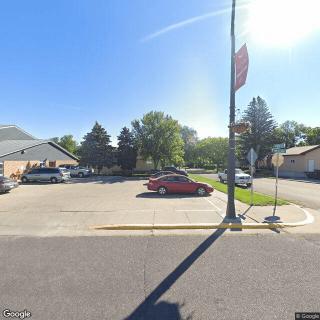
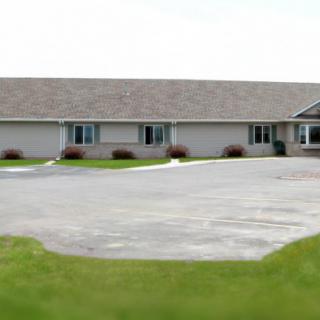
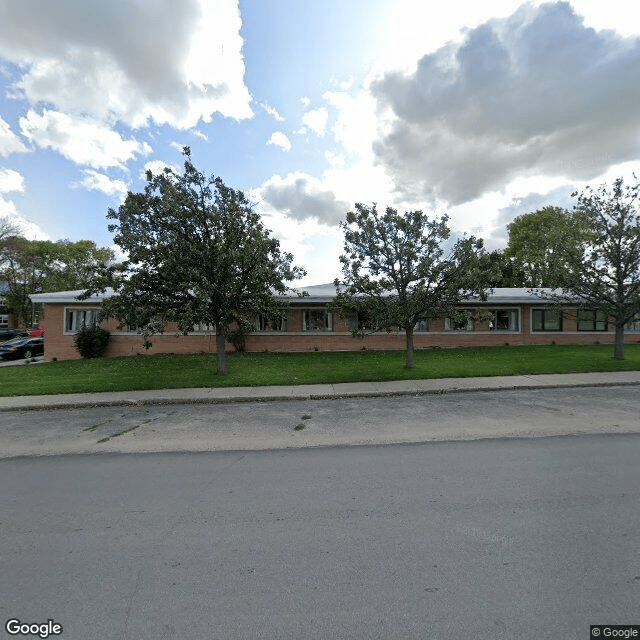
    Tekakwitha Living Center is a skilled nursing facility located in Sisseton, SD. Our community offers a range of amenities to ensure the comfort and well-being of our residents. Each room is fully furnished and equipped with air-conditioning, private bathrooms, and cable or satellite TV. Our residents can enjoy various activities in our gaming room, fitness room, small library, and indoor common areas. We also have a beautiful garden and outdoor space for relaxation.

    At Tekakwitha Living Center, we provide 24-hour care services to support our residents' daily needs. Our dedicated staff is available around the clock to assist with activities of daily living, such as bathing, dressing, and transfers. We offer ambulatory care and assistance tailored to each resident's requirements. Medication management is also provided to ensure the proper administration of medications.

    Our dining services offer nutritious meals prepared according to special dietary restrictions, including diabetes diets. Residents can enjoy restaurant-style dining in our spacious dining room. With an emphasis on wellness, we have a mental wellness program and a wellness center that promotes overall health.

    We understand the importance of staying connected and engaged within the community. Therefore, we provide transportation arrangement services for non-medical purposes as well as for doctors' appointments. Additionally, our community-operated transportation ensures easy access to nearby cafes, pharmacies, restaurants, places of worship, and hospitals.

    Tekakwitha Living Center offers various activities designed for socialization and entertainment. From community-sponsored activities to resident-run activities, there is something for everyone's interests. Fitness programs and planned day trips are also organized regularly for residents to partake in.

    In summary, Tekakwitha Living Center provides a comfortable living environment with comprehensive care services for individuals seeking assisted living support in Sisseton, SD. With numerous amenities and activities available both onsite and nearby, our community aims to enhance the quality of life for all residents while promoting their physical and mental well-being.

    Nearby Places of Interest

    Located in Sisseton, South Dakota, this area offers a variety of amenities that cater to the needs of seniors. With multiple places of worship nearby such as Saint Peters School and Grace Lutheran Church, residents can easily maintain their spiritual practices. Access to pharmacies like Schultz Insurance / Hearing Health Clinics and Pearson Rexall Drug & Jewelry ensure easy access to medication and health supplies. Additionally, there are several dining options available including Crossroads Restaurant and Billy's Cafe for convenient meals. For outdoor activities and relaxation, parks like Dry Run Number 3 State Wildlife and Fort Sisseton State Park provide opportunities for peaceful strolls or nature exploration. The presence of hospitals such as Coteau Des Prairies Hospital and clinics like Woodrow Wilson Keeble Memorial Health Care Center ensures accessible medical care when needed. Overall, this part of Sisseton offers a mix of conveniences, healthcare facilities, dining options, religious institutions, and outdoor spaces ideal for senior living.

    Places of Worship

    • Saint Peters School (0.1 miles)
    • Grace Lutheran Church (0.3 miles)
    • Sisseton Christian & Missionary Alliance Church (0.3 miles)
    • Catholic Community Center (0.3 miles)
    • Emanuel Lutheran Church (0.3 miles)
    • Presbyterian Church (0.4 miles)
    • Larry Lundstrom Ministries (0.4 miles)

    Pharmacies

    • Schultz Insurance / Hearing Health Clinics (0.3 miles)
    • Pearson Rexall Drug & Jewelry (0.4 miles)
    • CVS Pharmacy (11.3 miles)
    • Liebe Drug (11.6 miles)
    • Lewis Drug (20 miles)

    Restaurants

    • Crossroads Restaurant (0.4 miles)
    • Tacos El Bajio (0.4 miles)
    • Wing Street (0.5 miles)
    • Pizza Hut (0.5 miles)
    • Rosalie's Restaurant, Bakery and Lounge (0.5 miles)
    • Tastee Freeze (0.5 miles)
    • Taco John's (0.5 miles)

    Cafes

    • Billy's Cafe (0.4 miles)
    • 3 Bean Coffee (0.5 miles)
    • Vintage Inspired Boutique & Delectable Treats (20.2 miles)
    • Caribou Coffee (24.6 miles)

    Hospitals

    • Coteau Des Prairies Hospital (0.8 miles)
    • Woodrow Wilson Keeble Memorial Health Care Center Indian Health Service (1.5 miles)
    • Indian Health Service (1.5 miles)
    • Ransom, Kenneth Woodrow Wilson Keeble Memorial Health Care Center (3.3 miles)
    • Browns Valley Clinic (11.3 miles)

    Parks

    • Dry Run Number 3 State Wildlife (9.8 miles)
    • Pickerel Lake Recreation Area (16.3 miles)
    • Big Stone State Park Bonanza (22.3 miles)
    • Fort Sisseton State Park (23.5 miles)
    • Fort Sisseton State Park (23.7 miles)

    Frequently Asked Questions

    Where is Tekakwitha Living Center?

    Nearby Communities

    Related Resources

    • how to pay for assisted livingFunding and Affording Assisted Living: A Thorough Overview

      Assisted living facilities provide support for older adults needing help with daily activities without extensive medical care, but their costs can be high and vary by location and services offered. Families often seek various funding options and financial strategies to manage these expenses effectively while considering future needs and potential price increases.

    • assisted living insuranceAssisted Living Expenses and Long-Term Care Insurance: A Comprehensive Exploration

      The article discusses assisted living expenses, the importance of long-term care insurance in covering these costs, and various financing options, highlighting the need for careful policy review and early planning to address potential needs. It also clarifies common misconceptions about Medicare and private health insurance limitations regarding long-term care coverage.

    • how to pay for assisted livingSecuring Financial Support for Assisted Living: A Comprehensive Overview

      Assisted living facilities offer crucial support for older adults needing help with daily activities but come with varying and significant costs, which can be financed through personal savings, government assistance programs, long-term care insurance, and home equity options. Professional guidance from experts can aid families in navigating these financial complexities to establish a sustainable budgeting approach for assisted living services.


    Get Pricing Ask A Question Schedule A Tour Contact Senior Advisor