Tekakwitha Housing

Save
Tekakwitha Housing

Tekakwitha Housing

711 1st Ave E, Sisseton, SD 57262

For more information about senior living options: (844) 490-3973

3 from 4 reviews
5 stars
1
4 stars
1
3 stars
0
2 stars
1
1 stars
1

Assisted Living

Overall Review of Tekakwitha Housing

Pros

  • pro The reviewers show strong concern for residents' dignity and daily comfort.
  • pro Families stay actively engaged, advocating for timely meals and proper attire for residents.
  • pro The value of social interaction is evident, as residents miss visits from daycare staff and children.
  • pro There is a shared commitment to fair treatment for all residents and staff.
  • pro The situation motivates the community to push for improved staffing and better support for floor staff.

Cons

  • pro Residents are neglected.
  • pro The person in the suit prioritizes his pocketbook over resident care and staff morale.
  • pro A resident is left in bed all day wearing the same clothes and shoes.
  • pro Residents are not told when meals are served, and other families have to fetch meals for residents.
  • pro Residents miss seeing daycare children and staff.
  • pro Management shows favoritism toward certain staff and residents, affecting how they are treated.
  • pro Floor staff are understaffed and working far harder than those behind the desk.

Review

A troubling pattern has emerged at a local care facility, where concerns raised by families and residents paint a picture of neglect, misaligned priorities, and a troubling atmosphere of favoritism. The core complaint centers on a sense that the people entrusted with care are being overshadowed by financial and managerial considerations that place the pocketbook and morale of the staff above the daily needs and dignity of the residents. The result, according to those speaking up, is a environment where basic comfort, timely routines, and meaningful social interaction are repeatedly compromised.

One of the most pointed critiques centers on leadership and decision-making. Descriptions of "the guy in the suit" who seems to put his pocketbook first, ahead of the welfare of the residents and the morale of the staff, suggest a culture in which financial or administrative concerns trump hands-on care. Families feel that the money and the way it is managed shape not only the resources available for residents but also the priorities that drive daily operations. When leadership is perceived as valuing profits or executive comfort over consistent care, the trust at the heart of a care community begins to erode, with knock-on effects for both residents and the people who work to support them.

Disheartening anecdotes about individual residents highlight the human cost of these systemic issues. A resident aunt, described as being "out to bed with what she wore all day as well as her shoes," serves as a stark reminder of how basic basic-care routines can slip. In a setting where comfort, safety, and dignity depend on attentive daily care, such lapses are reported as not merely isolated incidents but symptoms of broader neglect. When residents are left in the same clothes or shoes for hours on end, it signals a breakdown in routine, monitoring, and compassionate attention that should be routine in any care environment.

Communication around daily routines, especially meal times, emerges as another weak link. Repeatedly, residents were not told when meals were scheduled, leaving families to intervene by fetching meals for their relatives or assisting in the food handoff themselves. This not only disrupts the residents' sense of normalcy and autonomy but also suggests gaps in the facility's ability to coordinate essential daily activities. The absence of clear, predictable meal times undermines the dignity and comfort that residents deserve and places an unnecessary burden on families who are already managing the emotional weight of their loved ones' care.

The broader social life of residents also appears diminished. The facility is described as missing the daily presence of daycare children and staff, a loss that seems to deprive residents of vital social interaction. Such intergenerational engagement often brings vitality, smiles, and a sense of purpose to residents; without it, the environment may feel more isolating and less uplifting. The absence of these visits is framed as another casualty of the current configuration of care, further eroding the quality of life for those living there.

Fairness, or the lack thereof, is another recurring thread in these concerns. Several residents have reportedly observed favoritism among staff and residents alike, with certain individuals receiving preferential treatment that others do not. When leadership or administrators are seen as shaping outcomes based on personal preference rather than need or merit, trust dissolves and morale deteriorates. Favoritism creates an atmosphere where equity in care - already a cornerstone of good practice - becomes another casualty of mismanaged priorities.

Underpinning all of these concerns is a clear message about staffing and workload. Floor staff are described as seriously understaffed, working tenfold harder than personnel behind the front desk. This disparity points to a systemic imbalance that can leave front-line caregivers stretched too thin to provide attentive, timely, and compassionate care. When those who perform the direct, hands-on work are overwhelmed, it is nearly inevitable that residents bear the consequences in delayed responses, missed cues, and less individualized attention. The fierce demands placed on front-line staff, coupled with limited resources, create an environment where neglect can feel nearly inevitable to those watching from the outside.

Taken together, these reflections sketch a troubling portrait of a care facility facing deep structural challenges. The concerns touch on governance, daily routine, social engagement, fairness, and staffing, all of which are essential to delivering dignified, humane, and reliable care. The narratives point toward an urgent need for accountability, improved staffing ratios, clearer communication, and a culture that centers residents' needs over financial considerations. They also suggest a path forward that would involve listening to families and residents, safeguarding routine and dignity, restoring social programs like intergenerational visits, and implementing transparent, equitable practices that ensure all residents receive consistent, compassionate care.

Features

Types of Care

  • Assisted Living Assisted LivingAssisted living facilities provide crucial support and care for seniors who may need help with daily tasks such as medication management, bathing, and meal preparation. These communities offer a safe and comfortable environment where seniors can maintain their independence while receiving the assistance they need to thrive in their golden years.

Amenities

  • Activities on-site Activities on-siteActivities on-site are important for seniors because they provide opportunities for socialization, mental stimulation, physical activity, and overall well-being. Engaging in activities can help seniors stay active, maintain their independence, and improve their quality of life.
  • Devotional services off-site Devotional services off-siteDevotional services off-site are important for seniors as they provide spiritual nourishment, social engagement, and a sense of community outside of the senior living facility. This can enhance overall well-being and help combat feelings of isolation and loneliness often experienced by older adults.
  • Indoor common areas Indoor common areasIndoor common areas are crucial for seniors as they provide a space for socialization, recreation, and community engagement, promoting overall well-being and reducing feelings of isolation and loneliness.

Care Services

  • Ambulatory care Ambulatory care"Ambulatory care services provide essential medical support and treatment to seniors without requiring hospitalization, allowing them to maintain their independence and quality of life while managing chronic conditions or receiving routine medical care."
  • Diabetic care Diabetic careDiabetic care is crucial for seniors as they are more susceptible to developing diabetes due to aging and other health conditions. Proper management of diabetes can help prevent complications such as heart disease, vision loss, and nerve damage, improving the overall quality of life for seniors in senior living communities.

Dining

  • Meals provided Meals provided"Meals provided" are crucial for seniors in assisted living communities as it ensures they have access to nutritious, balanced meals without the stress of meal planning and preparation. This can help promote overall health and well-being for seniors who may have limited mobility or cognitive abilities.

Activities

  • Activities on-site Activities on-siteActivities on-site are important for seniors because they provide opportunities for socialization, mental stimulation, physical activity, and overall well-being. Engaging in activities can help seniors stay active, maintain their independence, and improve their quality of life.
  • Devotional activities offsite Devotional activities offsiteDevotional activities offsite are important for seniors because they provide social engagement, spiritual growth, and a sense of community outside of their living environment. This can improve overall well-being, mental health, and combat feelings of isolation or loneliness.

Description

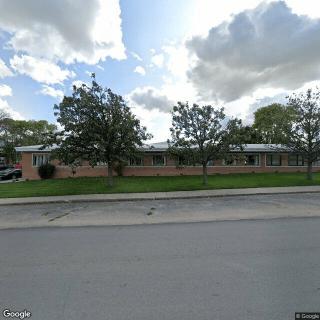
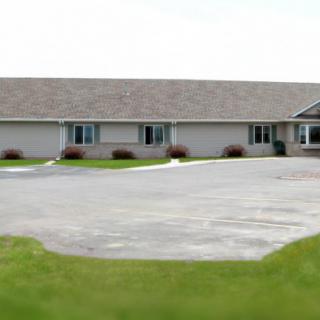
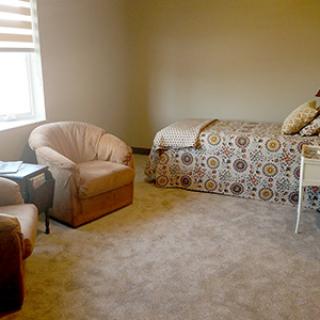
Tekakwitha Housing is an inviting and comfortable assisted living community located in Sisseton, SD. Our community offers a range of amenities to ensure that our residents enjoy a fulfilling and enriching lifestyle.

For those seeking spiritual support, we offer devotional services off-site to cater to individual religious preferences. Our indoor common areas provide a welcoming space for residents to socialize, engage in activities, or simply relax.

At Tekakwitha Housing, we understand the importance of specialized care for individuals with diabetes. Our dedicated staff is trained and experienced in providing diabetic care to help our residents manage their condition effectively.

We believe in keeping our residents engaged and active by offering devotional activities offsite. These activities encourage social interaction and personal growth while promoting a sense of belonging within the larger community.

Our prime location ensures convenient access to various amenities. With two cafes nearby, residents can easily enjoy a cup of coffee or a meal with friends and family. Additionally, two pharmacies are close by, ensuring quick and easy access to medications and health supplies.

There are numerous dining options available with 13 restaurants in close proximity, allowing our residents to indulge in delicious meals or explore different culinary experiences.

For those seeking spiritual fulfillment, Tekakwitha Housing is surrounded by 18 places of worship where individuals can practice their faith and participate in religious services.

Lastly, the well-being of our residents is always a priority which is why we are situated near four hospitals. This proximity provides peace of mind knowing that medical assistance is conveniently accessible when needed.

Tekakwitha Housing strives to create an inclusive community where every resident feels valued and cared for. With a range of amenities, specialized care services, engaging activities, and convenient access to various facilities, Tekakwitha Housing offers an assisted living experience that promotes independence, well-being, and happiness for our cherished residents.

Nearby Places of Interest

This part of Sisseton, South Dakota offers a variety of amenities that cater to the needs of seniors looking for a comfortable and convenient place to live. With multiple places of worship nearby, including Catholic, Lutheran, Christian, and Presbyterian options, residents have easy access to spiritual support and community engagement. The proximity of pharmacies such as Schultz Insurance/Hearing Health Clinics and Pearson Rexall Drug & Jewelry ensures easy access to medications and healthcare services. Additionally, there are numerous dining options ranging from Crossroads Restaurant to Tacos El Bajio and cafes like Billy's Cafe for socializing and enjoying meals. The presence of Coteau Des Prairies Hospital and Indian Health Service clinics provide accessible healthcare services for senior residents. For those who enjoy outdoor activities, parks like Dry Run Number 3 State Wildlife Area offer opportunities for leisurely walks and exploring nature. Overall, this part of Sisseton provides a well-rounded environment for senior living with convenient access to essential services and recreational facilities.

Places of Worship

  • Catholic Community Center (0 miles)
  • St Catherine Parish (0.1 miles)
  • Larry Lundstrom Ministries (0.1 miles)
  • Christian Outreach Center (0.1 miles)
  • Grace Lutheran Church (0.2 miles)
  • Presbyterian Church (0.2 miles)
  • Saint Peters School (0.3 miles)

Pharmacies

  • Schultz Insurance / Hearing Health Clinics (0.1 miles)
  • Pearson Rexall Drug & Jewelry (0.2 miles)
  • CVS Pharmacy (11.5 miles)
  • Liebe Drug (11.8 miles)
  • Lewis Drug (20 miles)

Restaurants

  • Crossroads Restaurant (0.1 miles)
  • Tacos El Bajio (0.2 miles)
  • End Zone (0.5 miles)
  • Tastee Freeze (0.5 miles)
  • Taco John's (0.5 miles)
  • Wing Street (0.5 miles)
  • Pizza Hut (0.5 miles)

Cafes

  • Billy's Cafe (0.2 miles)
  • 3 Bean Coffee (0.5 miles)
  • Vintage Inspired Boutique & Delectable Treats (20.5 miles)
  • Caribou Coffee (24.6 miles)

Hospitals

  • Coteau Des Prairies Hospital (0.6 miles)
  • Woodrow Wilson Keeble Memorial Health Care Center Indian Health Service (1.7 miles)
  • Indian Health Service (1.8 miles)
  • Ransom, Kenneth Woodrow Wilson Keeble Memorial Health Care Center (3.5 miles)
  • Browns Valley Clinic (11.5 miles)

Parks

  • Dry Run Number 3 State Wildlife (10 miles)
  • Pickerel Lake Recreation Area (16.1 miles)
  • Big Stone State Park Bonanza (22.5 miles)
  • Fort Sisseton State Park (23.2 miles)
  • Fort Sisseton State Park (23.4 miles)

Frequently Asked Questions

Where is Tekakwitha Housing?

Nearby Communities

Related Resources

  • assisted living for disabled adultsComprehensive Supportive Living Arrangements for Adults with Disabilities

    Assisted living for adults with disabilities has transformed to provide personalized care and support services aimed at improving residents' quality of life while balancing independence and assistance. However, low-income individuals often face challenges in affording these services, requiring navigation of various financial resources and advocacy for better policies and solutions.

  • how to pay for assisted livingFunding and Affording Assisted Living: A Thorough Overview

    Assisted living facilities provide support for older adults needing help with daily activities without extensive medical care, but their costs can be high and vary by location and services offered. Families often seek various funding options and financial strategies to manage these expenses effectively while considering future needs and potential price increases.

  • assisted living insuranceAssisted Living Expenses and Long-Term Care Insurance: A Comprehensive Exploration

    The article discusses assisted living expenses, the importance of long-term care insurance in covering these costs, and various financing options, highlighting the need for careful policy review and early planning to address potential needs. It also clarifies common misconceptions about Medicare and private health insurance limitations regarding long-term care coverage.