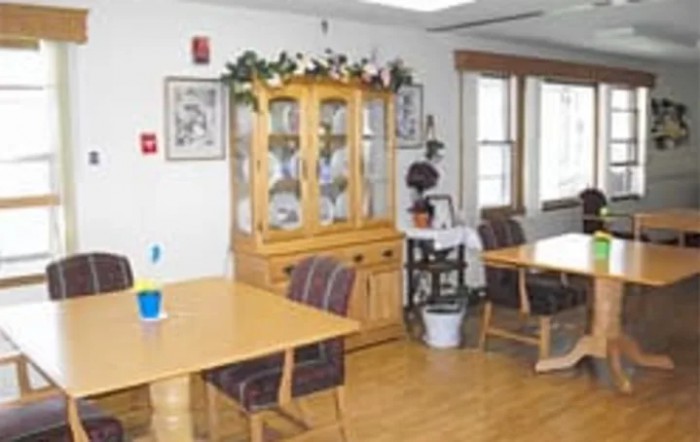
Sunset Manor Avera Health

Save

Sunset Manor Avera Health

129 East Clay Street, Irene, SD 57037

For more information about senior living options: (844) 490-3973

3 from 15 reviews
5 stars
5
4 stars
3
3 stars
0
2 stars
1
1 stars
6

Assisted Living Board and Care Home Skilled Nursing Facility

Sunset Manor Avera Health Costs & Pricing

Sunset Manor Avera Health presents a competitive pricing structure for its residents, with monthly costs reflecting the local market dynamics of Yankton County and the broader context of South Dakota. For a one-bedroom unit, the monthly rate is set at $4,180, aligning perfectly with the average cost in Yankton County but significantly exceeding the state average of $3,189. Similarly, two-bedroom accommodations are priced at $5,235, which again matches the local county cost while overshadowing the state average of $3,667. This positioning indicates that while residents benefit from quality services and care at Sunset Manor Avera Health, they should be prepared for costs that are notably higher than those typically seen across South Dakota.

Floor plansSunset Manor Avera HealthYankton CountySouth Dakota
1 Bedroom$4,180$4,180$3,189
2 Bedrooms$5,235$5,235$3,667

Overall Review of Sunset Manor Avera Health

Pros

  • pro The in-house staff are wonderful and very friendly.
  • pro The nursing staff provided loving and caring care to a resident's mother.
  • pro Some staff were described as loving and caring.

Cons

  • pro They describe the traveling nurses as uncaring.
  • pro They claim management is a joke.
  • pro They report the housekeeping supervisor has a passive-aggressive bully attitude.
  • pro They say HR resolves nothing.
  • pro They describe the environment as unprofessional, unaccountable, and lacking compassion.
  • pro They state a former employee would never send a loved one to this facility.
  • pro They call the facility horrifically abusive and advise not to send loved ones.
  • pro They describe it as the worst place they have seen, with uncaring and unfriendly staff and residents not cared for.

Review

This set of remarks paints a portrait of a care facility that elicits extreme and contrasting experiences. On one hand, several reviewers describe the in-house staff as wonderful and incredibly friendly. They praise the people who actually work on the floor, noting kindness, warmth, and a level of compassion that shines through in day-to-day interactions with residents. According to these voices, the genuine care and attentiveness come most strongly from the team that is physically present and directly involved with residents' daily needs. In these accounts, the personal touch and the humane demeanor of the staff are clear bright spots in an otherwise troubled landscape.

At the same time, a very different current runs through the collective feedback: traveling nurses are described as uncaring and lacking compassion, and the management structure is criticized in harsh terms. Several reviewers single out the management team as a joke and point to systemic problems rather than isolated incidents. The housekeeping supervisor is singled out for a passive-aggressive, bully-like attitude, and the HR department is portrayed as ineffective, failing to resolve problems or protect staff and residents. One reviewer identifies as a former employee and asserts that these management deficiencies have real consequences, implying a culture of poor judgment and unfair treatment that reaches beyond individual interactions to organizational norms.

A particularly grave thread in these narratives concerns unfair treatment and wrongful actions within the workplace. A reviewer claims to know of an innocent employee who was wrongly accused of an incident, supposedly based on admissions from the person who actually committed it. This depiction is used as a touchstone for a broader accusation: that management exhibits poor judgment and unfair treatment across the board. The resulting atmosphere, according to the writer, is unprofessional, unaccountable, and lacking compassion at virtually every level. The consequence, they argue, is harm to dedicated staff and risk to residents who depend on careful oversight and respectful care. The admission that "I would never trust this facility with anyone I care about" underscores the severity of the perceived discounting of fairness and safety.

Within the same collection, there are stark, explicit warnings about the overall quality of care. One person bluntly states that "the one star should say it all," signaling a judgment that the facility falls far short of acceptable standards. Another reviewer uses emphatic language to declare that the place is "horrifically abusive" and urges potential families not to send loved ones there, even going so far as to say it should be shut down. The sentiment is repeated with strong, almost visceral language: friends and family members are cautioned that the facility does not take care of people, that residents are allowed to fall from beds, and that staff are uncaring and unfriendly. The recurring exhortation is clear and unambiguous: if you love your family member, don't place them here.

Amid these grave concerns, there is also a counterpoint that adds nuance to the narrative. A different voice recounts a positive experience with their own mother, noting that "everyone was so kind to my mom" and expressing sincere appreciation for the nursing staff's love and care. This observation demonstrates that, for at least some residents, the care environment can be comforting and supportive, which complicates any single, monolithic judgment about the facility. The presence of loving, caring people is acknowledged even as the broader chorus casts serious doubt on the institution's overall integrity and safety.

Safety and emergency-readiness emerge as another critical theme, though in a more fragmented form. One reviewer mentions "terrible receiving-signal" and the risk of endangering people who may have traumatic scenarios, alongside complaints about the facility's inability to coordinate with police, ambulance, fire department, or hospital services. The language suggests gaps in emergency preparedness and communication that could have dire consequences in crisis situations. The critique here is not only about routine care but about the facility's capacity to respond effectively when urgent help is needed, and to establish clear, reliable safety protocols.

Taken together, the collection of reviews presents a facility that several commenters describe as unstable and unsafe at a structural level, particularly in terms of management, accountability, and emergency readiness. Yet there are distinctive, positive notes about the kindness and dedication of some in-house staff, especially the frontline caregivers who interact directly with residents on a daily basis. The juxtaposition of praise for certain caregivers with accusations of systemic mismanagement creates a complex, unsettled image: a place where trustworthy, compassionate care may exist in pockets, but where broader organizational issues cast a long shadow over the overall quality and safety of care and employment. For anyone considering care for a loved one or seeking employment, these voices urge caution, emphasizing the need to scrutinize leadership, safety practices, and the consistency of the care experience before making a decision.

Features

Housing

  • 2 resident community capacity 2 resident community capacity

Types of Care

  • Assisted Living Assisted LivingAssisted living facilities provide crucial support and care for seniors who may need help with daily tasks such as medication management, bathing, and meal preparation. These communities offer a safe and comfortable environment where seniors can maintain their independence while receiving the assistance they need to thrive in their golden years.
  • Board and Care Home Board and Care HomeBoard and care homes provide a smaller, more intimate setting for seniors who require assistance with daily tasks but do not need the level of care offered by a nursing home. They offer personalized care, meals, and social activities in a homelike environment, ensuring that seniors receive individualized attention and support in their golden years.
  • Skilled Nursing Facility Skilled Nursing FacilitySkilled Nursing Facilities are crucial for seniors as they provide round-the-clock medical care, rehabilitation services, and assistance with daily activities. These facilities ensure that seniors receive the specialized care they need to maintain their health and well-being as they age.

Amenities

  • Cable or satellite TV Cable or satellite TVCable or satellite TV is important for seniors because it provides entertainment, news, and companionship, helping to combat loneliness and boredom. It also offers a wide range of programming options tailored to different interests and preferences.
  • Dining room Dining roomDining rooms are important for seniors as they provide a space for socialization, connection, and nutritious meals. They offer opportunities for residents to bond over shared meals, foster a sense of community, and promote healthy eating habits. Dining rooms also ensure that seniors have access to well-balanced meals tailored to their dietary needs and preferences.
  • Fully furnished Fully furnishedFully furnished senior living communities are important for seniors because they provide convenience, comfort, and a hassle-free moving experience. Seniors can easily settle into their new living space without the stress of having to buy and move furniture. This allows them to focus on enjoying their new home and community.
  • Garden GardenGardens are important for seniors as they provide a peaceful and therapeutic environment for relaxation, physical activity, and socialization. Being in nature has been shown to reduce stress, improve mood, and promote overall well-being. Gardens also offer opportunities for seniors to engage in gardening activities, which can improve mobility, flexibility, and cognitive function. Additionally, gardens create a sense of community and connection with others who share a passion for plants and outdoor spaces.
  • Housekeeping services Housekeeping servicesHousekeeping services are important for seniors because they help maintain a clean and safe living environment, promote independence, and reduce the risk of accidents or illnesses. Additionally, having assistance with household chores can alleviate physical strain and allow seniors to focus on other aspects of their well-being.
  • Move-in coordination Move-in coordinationMove-in coordination is important for seniors because it helps ease the transition into their new living environment. It ensures that all logistics, such as packing, organizing movers, and setting up utilities are taken care of, allowing seniors to focus on settling in and adjusting to their new home. Having a smooth move-in process can alleviate stress and anxiety, making the transition smoother and more enjoyable for seniors.
  • Outdoor space Outdoor spaceOutdoor spaces are important for seniors as they provide opportunities for physical activity, social interaction, exposure to natural light and fresh air, and a sense of connection to nature. Having access to outdoor spaces can improve overall well-being and quality of life for older adults living in senior communities.
  • Telephone TelephoneTelephones are important for seniors as they provide a lifeline for communication with loved ones, emergency services, and healthcare providers. They offer a sense of security and independence, enabling seniors to stay connected and access assistance when needed.
  • Wi-Fi/high-speed internet available Wi-Fi/high-speed internet availableWi-Fi/high-speed internet is important for seniors to stay connected with loved ones, access online resources, and participate in virtual activities to combat feelings of loneliness and isolation. It also allows them to easily manage healthcare needs, access entertainment, and engage in lifelong learning opportunities.

Care Services

  • 24-hour supervision 24-hour supervision24-hour supervision is important for seniors to ensure their safety, well-being, and access to immediate assistance in case of emergencies or health issues. This constant support provides peace of mind for both seniors and their loved ones, allowing them to age in place with dignity and security.
  • Activities of daily living assistance Activities of daily living assistanceActivities of daily living assistance are important for seniors because they provide essential support with tasks such as eating, bathing, dressing, and mobility. This assistance helps seniors maintain their independence, dignity, and overall quality of life as they age.
  • Assistance with bathing Assistance with bathingAssistance with bathing is crucial for seniors as it helps maintain personal hygiene, prevents infections, and ensures their overall well-being and comfort. It also provides a sense of dignity and independence for seniors who may struggle with this task on their own.
  • Assistance with dressing Assistance with dressingAssistance with dressing is important for seniors because it helps maintain their independence, promotes personal hygiene, prevents accidents and injuries, and improves overall quality of life. This service ensures that seniors can continue to dress comfortably and confidently, despite any physical limitations they may have.
  • Assistance with transfers Assistance with transfersAssistance with transfers is crucial for seniors as it helps prevent falls and injuries, maintains their independence, and ensures they can safely navigate their living environment. It also provides peace of mind for both seniors and their loved ones.
  • Coordination with health care providers Coordination with health care providersCoordination with health care providers is crucial for seniors to ensure proper medical care, medication management, and overall well-being. This collaboration helps prevent overlapping treatments, track progress more effectively, and provide comprehensive support tailored to individual needs.
  • Diabetes diet Diabetes dietA diabetes diet is crucial for seniors as it helps manage blood sugar levels, reduce risks of complications, and improve overall health and well-being. By following a balanced and nutritious diet tailored to their specific needs, seniors can better control their diabetes and enhance their quality of life.
  • Meal preparation and service Meal preparation and serviceMeal preparation and service are crucial for seniors as they may have limited mobility or energy to cook nutritious meals. Having access to healthy and convenient food options can ensure they are getting the proper nutrition needed to maintain their overall health and well-being.
  • Medication management Medication managementMedication management is crucial for seniors to ensure they are taking the right medications at the correct dosages and times. This helps prevent adverse drug interactions, reduces the risk of medication errors, and promotes overall health and well-being. Proactive management also allows for adjustments as needed based on changing health conditions or new prescriptions.
  • Special dietary restrictions Special dietary restrictionsSpecial dietary restrictions are important for seniors because age-related changes in metabolism and health conditions can make it difficult for their bodies to process certain foods. By following a diet tailored to their specific needs, seniors can maintain their overall health and well-being, manage chronic conditions, and reduce the risk of complications such as malnutrition or food interactions with medications.
  • Transportation arrangement (medical) Transportation arrangement (medical)Transportation arrangements for medical purposes are essential for seniors as they may have difficulty driving themselves to appointments or accessing public transportation. Having reliable and safe transportation options ensures that seniors can receive timely medical care and maintain their health and well-being.
  • Transportation to doctors appointments Transportation to doctors appointmentsTransportation to doctors' appointments is crucial for seniors as it ensures they have access to necessary medical care and support for their health needs. Without reliable transportation, seniors may struggle to attend important appointments, leading to potential delays in treatment and health complications. Providing transportation services helps seniors maintain their overall well-being and quality of life.

Dining

  • Diabetes diet Diabetes dietA diabetes diet is crucial for seniors as it helps manage blood sugar levels, reduce risks of complications, and improve overall health and well-being. By following a balanced and nutritious diet tailored to their specific needs, seniors can better control their diabetes and enhance their quality of life.
  • Special dietary restrictions Special dietary restrictionsSpecial dietary restrictions are important for seniors because age-related changes in metabolism and health conditions can make it difficult for their bodies to process certain foods. By following a diet tailored to their specific needs, seniors can maintain their overall health and well-being, manage chronic conditions, and reduce the risk of complications such as malnutrition or food interactions with medications.

Activities

  • Community-sponsored activities Community-sponsored activitiesCommunity-sponsored activities are important for seniors as they provide opportunities for social interaction, mental stimulation, and physical activity. These activities can help improve overall well-being, combat loneliness and isolation, and promote a sense of belonging and purpose among older adults.
  • Scheduled daily activities Scheduled daily activitiesScheduled daily activities are important for seniors because they provide structure, socialization, mental stimulation, and physical activity. Engaging in regular activities can improve overall well-being and quality of life for seniors living in a community setting.

Description

Sunset Manor Avera Health in Irene, SD is a warm and welcoming assisted living community that offers a variety of care services to meet the individual needs of its residents. The community provides both board and care home options as well as skilled nursing facility services for those requiring more specialized care.

The community boasts several amenities aimed at enhancing the comfort and convenience of its residents. These include a spacious dining room where delicious meals are served, fully furnished accommodations ensuring a cozy living environment, a beautiful garden where residents can relax and enjoy nature, housekeeping services to maintain cleanliness and tidiness, move-in coordination to ease the transition process, outdoor spaces for recreational activities, telephone access for easy communication with loved ones, and Wi-Fi/high-speed internet connectivity for staying connected and engaged with technology.

The care services provided at Sunset Manor Avera Health are designed to support residents with their activities of daily living. Trained staff are available to assist with bathing, dressing, transfers, and other personal care needs. The community also ensures seamless coordination with healthcare providers to ensure that each resident's medical needs are effectively managed. Individuals with diabetes benefit from specialized diets catered specifically towards their dietary requirements.

Residents can enjoy delicious meals prepared by the community's culinary team. Special dietary restrictions are accommodated to ensure everyone's nutritional needs are met.

To keep residents engaged and entertained, Sunset Manor Avera Health offers scheduled daily activities that cater to various interests. This encourages socialization among residents while promoting overall well-being.

Located in Irene, SD, the community benefits from its proximity to two nearby restaurants and places of worship. This allows for additional dining options as well as opportunities for religious practice without having to travel great distances.

With its range of amenities and comprehensive care services tailored to individual needs, Sunset Manor Avera Health in Irene, SD is an exceptional assisted living community that prioritizes the well-being and happiness of its residents.

Nearby Places of Interest

Places of Worship

  • Calvary Lutheran Church (0.1 miles)
  • Irene United Methodist Church (0.1 miles)
  • Trondhjem Lutheran Church (5.2 miles)
  • St Patrick's Catholic Church (5.7 miles)
  • United Methodist Church (5.7 miles)
  • Bethel Baptist Church (5.7 miles)
  • Southern Baptist Convention (5.7 miles)

Restaurants

  • Corner Tavern (0.1 miles)
  • Irene Lounge Bar & Grill (0.2 miles)
  • Uncle Dave's Wakonda Cafe (5.6 miles)
  • Daneville Inn (7.2 miles)
  • Kountry Kookin' Cafe (7.2 miles)
  • Desert Inn (10.1 miles)
  • Centerville Steakhouse (10.1 miles)

Cafes

  • Wakonda Cafe (5.6 miles)
  • Sunrise Coffee (18.1 miles)

Pharmacies

  • Lewis Family Drug Viborg (7.2 miles)
  • Lewis Drug (10.1 miles)
  • Walmart Pharmacy (17.3 miles)
  • Hy-Vee Pharmacy (17.9 miles)
  • Hybee Pharmacy (17.9 miles)
  • Walgreens (18 miles)

Theaters

  • Lund Theatre (7.2 miles)
  • Carmike Cinemas (18 miles)

Hospitals

  • South Dakota Human Services Center (16.8 miles)
  • Lewis & Clark Specialty Hospital (17.6 miles)
  • Avera Health (17.9 miles)
  • Avera Sacred Heart Hospital (18 miles)

Transportation

  • U-Haul Neighborhood Dealer (17.1 miles)
  • River City Cab (18.4 miles)

Physicians

  • Lewis & Clark Family Medicine (17.6 miles)
  • Lewis & Clark Urology (17.6 miles)
  • Lewis & Clark Family Medicine (18.5 miles)
  • Orthopedic Institute (18.5 miles)

Parks

  • Crockett Park (17.9 miles)
  • Beresford City Park Department (18.1 miles)
  • Marne Creek Dog Park (18.3 miles)

Frequently Asked Questions

How much does it cost to live at Sunset Manor Avera Health in Irene, SD?
Where is Sunset Manor Avera Health?
What photos are available for Sunset Manor Avera Health in Irene, South Dakota?

Nearby Communities

Related Resources

  • assisted living waiver programA Detailed Exploration of Assisted Living Medicaid Waivers Across the United States
    Medicaid waivers for assisted living services provide vital support for seniors and individuals with disabilities in need of long-term care, with varying state-specific eligibility criteria and benefits. These waivers cover personal care and case management but often do not fully cover room and board, leading to waiting lists for many applicants.

  • assisted living for disabled adultsComprehensive Residential Support and Assisted Living Solutions for Individuals with Disabilities

    The article examines the complexities of assisted living for individuals with disabilities, emphasizing the need for tailored care solutions that enhance quality of life and social inclusion, while addressing financial challenges and advocating for community integration. It discusses various housing options, the importance of financial assistance through public benefits, and highlights trends towards integrated and technology-driven solutions in disability-focused housing.

  • assisted living for disabled adultsComprehensive Supportive Living Arrangements for Adults with Disabilities

    Assisted living for adults with disabilities has transformed to provide personalized care and support services aimed at improving residents' quality of life while balancing independence and assistance. However, low-income individuals often face challenges in affording these services, requiring navigation of various financial resources and advocacy for better policies and solutions.