


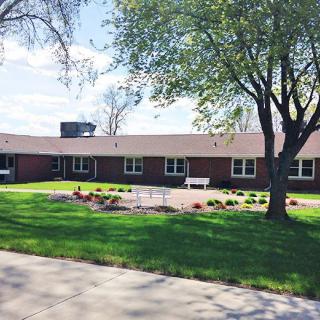
700 West Main Street, Canistota, SD 57012
For more information about senior living options: (866) 208-4318
Overall Review of Good Samaritan Society - Canistota
Pros
 Some of the nurses are extremely nice.
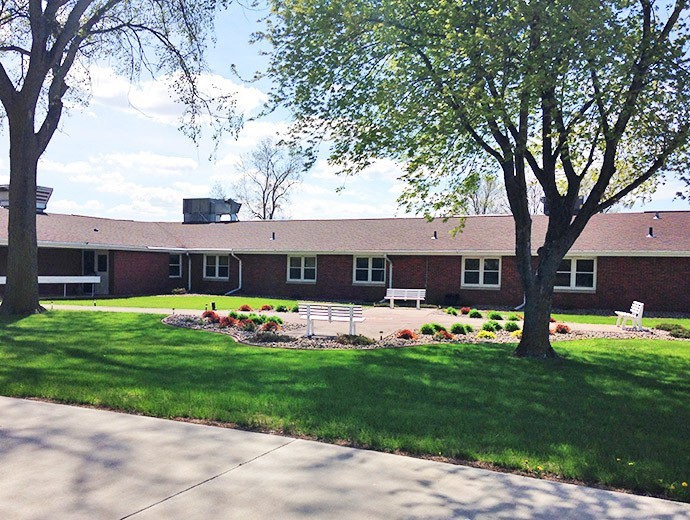
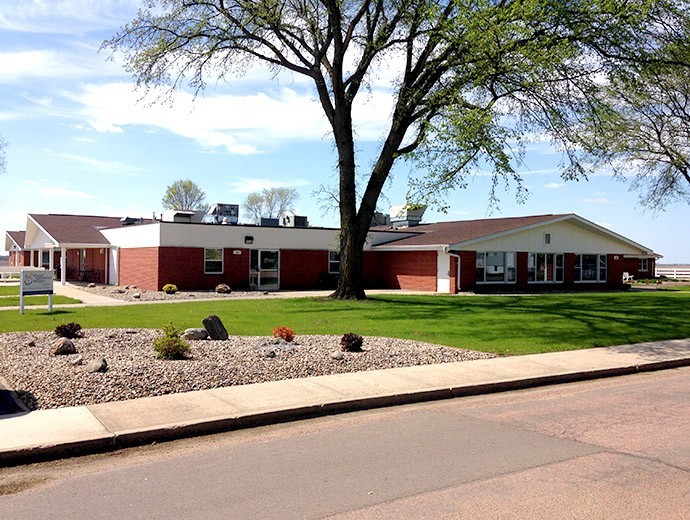
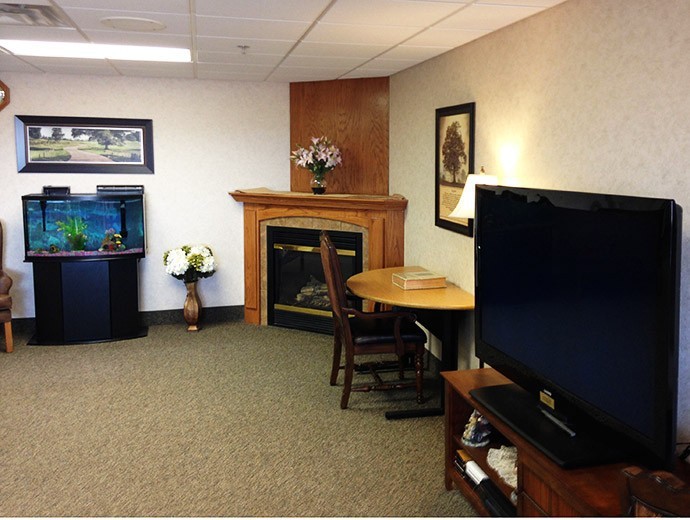
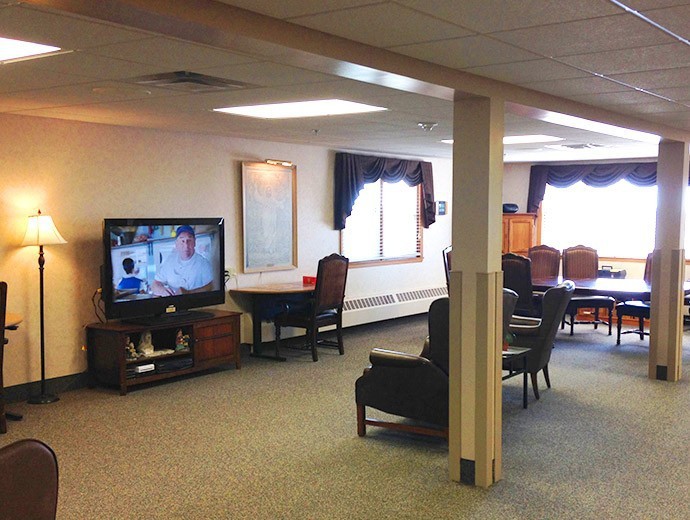
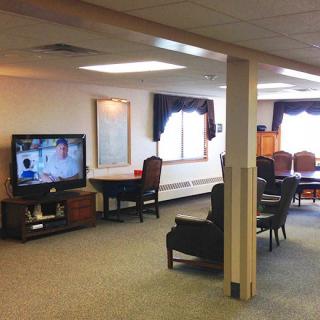
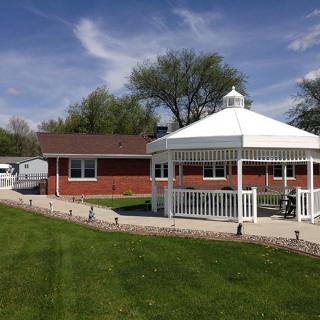
- The facility is nice and clean.
- It has a home environment.
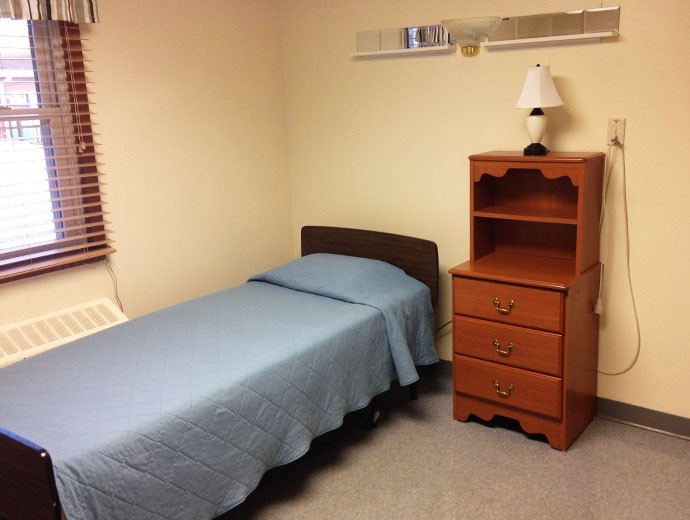
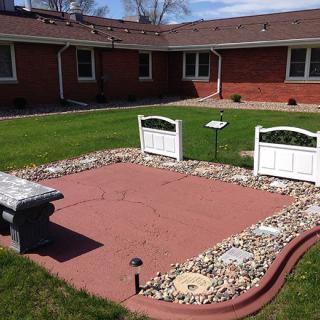
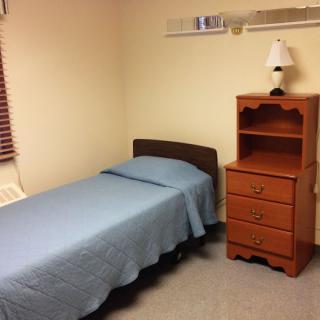
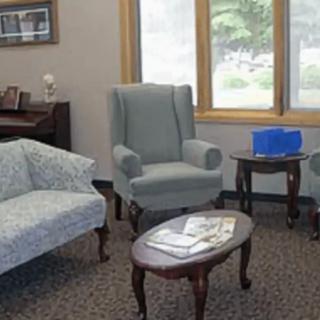
- The apartments and rooms are nice, clean, and spacious.
- The grandmother likes all the people there, especially those who take good care of her.
Cons
 The grandmother fell out of bed after safety measures were not provided, as no bedrail was installed when asked.
 - The staff were unable to install a bedrail when asked.
- The grandmother fell out of bed two more times before she died.
- The reviewer believes the last fall may have caused a fatal brain bleed that led to her passing.
- No floor mat was placed by her bed.
- After the last fall, the facility did not scan her for broken bones or a brain bleed.
- The reviewer does not recommend this place until things change.
Review
Good Samaritan Society - Canistota is best suited for families seeking a small-town, home-like senior living option where warmth from caregivers and a clean, comfortable living space matter as much as formal care plans. The community tends to favor residents who value a straightforward, people-centered environment over flashy programming or expansive amenities. Those who want spacious, tidy apartments paired with a personal touch from staff will likely find this Canistota location appealing. In short, it serves well for seniors who want to feel welcome, be treated with kindness, and live in a setting that feels like a stable, familiar neighborhood rather than a clinical institution.
At the same time, potential residents and their families should consider alternatives if safety and highly proactive medical oversight are non-negotiables. The most telling concern from the available information centers on falls and the downstream handling of injuries. For seniors with a history of mobility challenges or multiple recent falls, or for families prioritizing rigorous fall prevention and immediate post-incident evaluation, a facility with stronger safety protocols and more aggressive fall-management practices may be a wiser choice. If one seeks a setting with demonstrable, consistently active fall-prevention measures and transparent post-fall assessments, it is prudent to compare other options where leadership has a track record of rapid response and thorough evaluation after incidents.
The strongest positives here are tangible and meaningful: several nurses and caregivers are described as exceptionally kind, and the overall atmosphere is clean, bright, and home-like. Residents reportedly enjoy friendly interactions, and the living spaces are described as nice, clean, and spacious. That combination, clear cleanliness plus personal warmth, can translate into steady daily comfort, predictable routines, and a sense of belonging for residents who respond well to orderly, personable teams. For families who prioritize a nurturing social environment and a facility that feels less clinical, these elements can be decisive in shaping a positive daily experience.
Yet the most consequential negatives are not easily overlooked. A troubling incident described by a family centers on a resident who fell out of bed multiple times after bedrails were not added when requested, with no floor mat placed to cushion the fall. The subsequent lack of an immediate post-fall assessment or scanning for injuries is alarming, and the family suspects a dire outcome might have been preventable. While one cannot prove every medical detail in a single account, the pattern of safety oversights, especially around fall prevention and post-incident evaluation, casts a long shadow over the facility’s ability to keep residents physically secure. That risk factor weighs heavily against other strengths when considering long-term placement.
How the favorable elements stack up against these safety concerns depends on the family’s risk tolerance and monitoring capacity. The clean, welcoming environment and genuine staff warmth provide meaningful offsets for families who can implement vigilant oversight, frequent communication, and active participation in care plans. In this light, Canistota can be a comfortable, low-stress home where staff know residents well and daily life feels predictable. However, for families unable to maintain close oversight or who require assurance of urgent, consistently reliable post-fall protocols, the safety gaps may erode the overall value of the setting. The balance tilts toward caution rather than triumph, unless concrete safeguards are in place.
For families evaluating this community, a practical, no-nonsense checklist is essential before making a decision. Insist on reviewing the current fall-prevention program, including availability of bedrails, use of floor mats, and a documented post-fall assessment protocol. Request to see recent incident logs and the care plans for residents with mobility challenges, plus verification of staffing ratios on different shifts. Schedule targeted tours focusing on safety features, bedside alarms, room setup, and nurse proximity, and speak with current residents or family members about their day-to-day experiences with responsiveness and follow-through after concerns are raised. Seek explicit commitments from administration about ongoing safety training, rapid escalation procedures, and a transparent review process when incidents occur. If these safeguards are not convincing, alternatives with stronger, demonstrable safety cultures should be pursued.
In the end, the community delivers a practical, comfortable home environment with engaging, compassionate care that can support many seniors well. The decisive caveat is safety: without robust, verifiable fall-prevention measures and decisive post-incident care, the advantages lose much of their bite. Families must weigh the warmth and cleanliness against the potential risk, and demand assurance that safety protocols are as reliable as the everyday kindness residents experience. If the desired home-like atmosphere with steady personal attention is non-negotiable and active oversight is feasible, Canistota can be a strong fit. If not, exploring alternatives with proven, rigorous safeguards becomes a prudent, necessary course.
 2 resident community capacity
 Assisted Living
 Board and Care Home
 Skilled Nursing Facility
 Cable or satellite TV
 Dining room
 Fully furnished
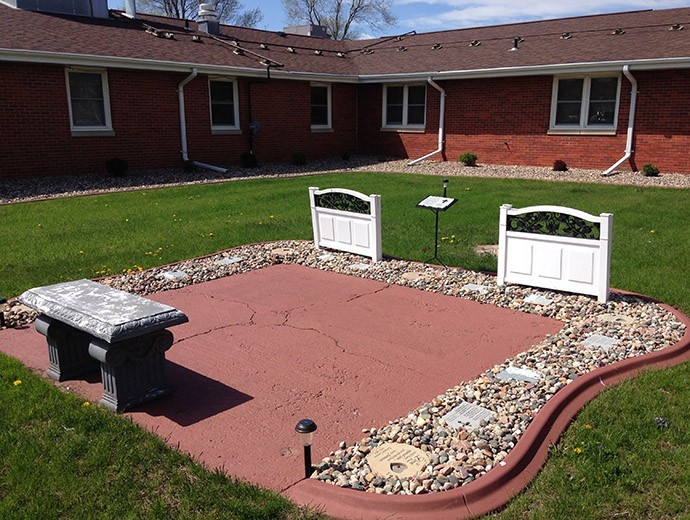
 Garden
 Housekeeping services
 Move-in coordination
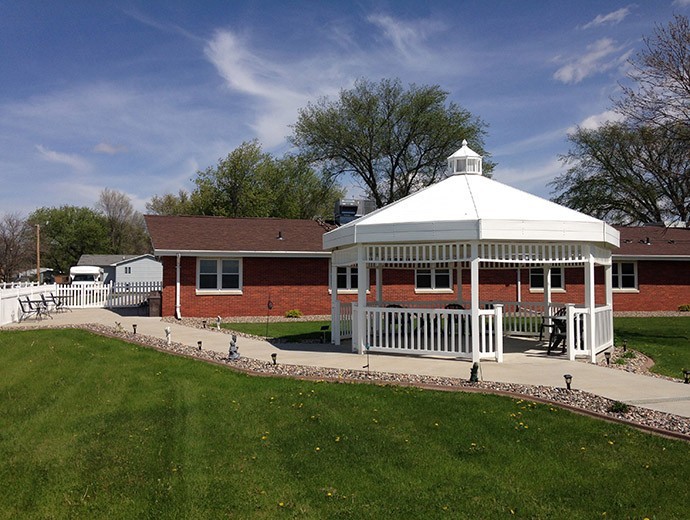
 Outdoor space
 Telephone
 Wi-Fi/high-speed internet available
 24-hour supervision
 Activities of daily living assistance
 Assistance with bathing
 Assistance with dressing
 Assistance with transfers
 Diabetes diet
 Meal preparation and service
 Medication management
 Special dietary restrictions
 Transportation arrangement (medical)
 Transportation to doctors appointments



 Choosing the Right Senior Care: A Detailed Exploration of Assisted Living and Nursing Homes
 Understanding the True Cost of Assisted Living in 2025: A Comprehensive Guide
 Understanding Medicaid Coverage for Assisted Living: A Comprehensive Guide