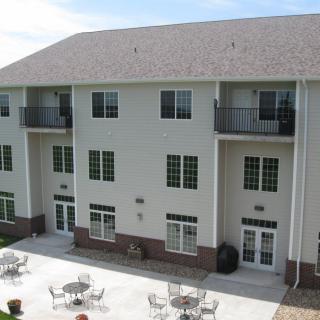
Helping Hand Assisted Living in Brandon, SD

Save
Helping Hand Assisted Living

Helping Hand Assisted Living in Brandon, SD

1000 Teakwood, Brandon, SD 57005

For more information about senior living options: (844) 490-3973

2.4 from 7 reviews
5 stars
1
4 stars
2
3 stars
0
2 stars
0
1 stars
4

Assisted Living

What level of care are you interested in?

Assisted Living

Memory Care

Independent Living

Skilled Nursing Facility

Continuing Care Retirement Community (CCRC)CCRC

Other


Request a tour at Helping Hand Assisted Living

    Overall Review of Helping Hand Assisted Living

    Pros

    • pro The place is considered pretty alright.
    • pro It has an in-town bus, allowing residents to travel around town.
    • pro The staff are described as fine and very good.
    • pro The meals are described as good.
    • pro The family member is happy and pleasant now after moving.

    Cons

    • pro It was awful for the reviewer's mother-in-law, who was left unkempt and had to beg for medical attention.
    • pro The facility charged extra fees for multiple things but still wouldn't care for the resident.
    • pro The staff seemed unconcerned after the resident received the wrong pills and the wrong dosages on many occasions.
    • pro A diabetic resident was given fruit cocktail in heavy syrup daily, and meals were not customized; no dietitian oversight was provided.
    • pro The bathroom had urine and feces on the walls for days and was unusable much of the time, with complaints going nowhere.
    • pro The resident became depressed and mostly wanted to die.
    • pro The owner was unreachable, failing to return calls or messages, making deposit refunds difficult.
    • pro Prospective residents would be happier somewhere else.
    • pro The reviewer would not let their dog live there.

    Review

    Helping Hand Assisted Living in Brandon, SD is best suited for seniors who want a modest, town-focused setting with reasonably solid meals and local transportation, and for residents whose medical oversight comes from external sources (for example, VA placement) rather than from the facility itself. The reviews indicate the staff can be capable and the dining is passable to good, and the in-town bus provides a practical convenience for trips around town. This setup may feel workable for someone who does not require intensive on-site medical management and who tolerates a simpler on-site program in exchange for proximity to local services.

    Those who should consider alternatives are those who prioritize rigorous medication management, spotless hygiene, and consistently responsive administration. Several accounts describe serious lapses: wrong pills or incorrect dosages, meals not aligned with medical needs (such as diabetes management), and a pattern of neglect in essential daily care. One family reported persistent bathroom sanitation problems, while another described ongoing difficulty in obtaining help or redress from the owner. These aren't minor service gaps; they signal real safety and quality-of-life risks that many families will not accept.

    The key positives - staff demeanor and food quality - do offer some offset to the downsides, but they do not fully compensate for the core risks. The existence of an in-town transportation option helps maintain independence for many residents who don't require frequent external medical trips, and the perception of attentive staff in certain shifts can provide some reassurance. Yet these strengths are undermined by repeated reports of medication errors, inconsistent dietary accommodations, and insufficient escalation of concerns, which collectively erode trust in the facility's ability to safeguard residents' health.

    The most troubling themes center on safety and accountability. Medication administration issues, allegedly incomplete or incorrect pill counts, and the absence of consistent dietitian-driven planning point to systemic gaps in clinical governance. Sanitation problems - such as bathrooms left in a condition that residents cannot safely use - further undermine well-being and dignity. Coupled with a pattern of unresponsive communication from owners or administrators, these factors create an environment where family members must continuously supervise and advocate, which is rarely feasible or fair for long-term care.

    For families evaluating this community, there are concrete steps to take before deciding. Insist on a transparent medication management process with daily MARs (medication administration records), double-check that dietary plans align with medical needs, and request a tour during a peak shift to observe housekeeping and bathroom maintenance. Engage with current residents about incident responsiveness and the timeliness of issue resolution. Verify that a qualified dietitian is actively involved in care planning, and obtain a clear, written understanding of deposit handling and return policies, including who signs off on move-out conditions. If possible, seek corroboration from external referral sources or VA caseworkers who can assess ongoing care quality.

    Bottom line: Helping Hand Assisted Living presents a double-edged proposition. It offers basic conveniences and a generally decent dining experience within a town-centered location, but it comes with serious, well-documented concerns about medication safety, cleanliness, and leadership responsiveness. For families prioritizing meticulous clinical oversight and dependable problem resolution, pursuing alternatives is strongly advised. If a family can substantively verify improvement in governance, accountability, and clinical management, and if the resident's needs align with the facility's current strengths, a cautious trial may be worth considering. Otherwise, explore other options with proven medication accuracy, rigorous hygiene standards, and transparent ownership.

    Features

    Housing

    • 68 resident community capacity 68 resident community capacity

    Types of Care

    • Assisted Living Assisted LivingAssisted living facilities provide crucial support and care for seniors who may need help with daily tasks such as medication management, bathing, and meal preparation. These communities offer a safe and comfortable environment where seniors can maintain their independence while receiving the assistance they need to thrive in their golden years.

    Amenities

    • Activities on-site Activities on-siteActivities on-site are important for seniors because they provide opportunities for socialization, mental stimulation, physical activity, and overall well-being. Engaging in activities can help seniors stay active, maintain their independence, and improve their quality of life.
    • Air-conditioning Air-conditioningAir conditioning is important for seniors as they are more vulnerable to heat-related illnesses and may have underlying health conditions that make it difficult for them to regulate their body temperature. It helps to keep them comfortable, safe, and healthy in hot weather.
    • Beauty salon Beauty salonBeauty salons are important for seniors because they provide a space for them to feel pampered, socialize, and maintain their personal grooming and hygiene. Regular visits to a beauty salon can help boost seniors' self-esteem and overall well-being.
    • Cable or satellite TV Cable or satellite TVCable or satellite TV is important for seniors because it provides entertainment, news, and companionship, helping to combat loneliness and boredom. It also offers a wide range of programming options tailored to different interests and preferences.
    • Computer center Computer centerA computer center is essential for seniors as it provides access to technology, communication tools, and resources that can enhance their daily lives. It allows them to stay connected with loved ones, engage in online activities, and learn new skills, ultimately promoting socialization and mental stimulation.
    • Devotional services off-site Devotional services off-siteDevotional services off-site are important for seniors as they provide spiritual nourishment, social engagement, and a sense of community outside of the senior living facility. This can enhance overall well-being and help combat feelings of isolation and loneliness often experienced by older adults.
    • Dining room Dining roomDining rooms are important for seniors as they provide a space for socialization, connection, and nutritious meals. They offer opportunities for residents to bond over shared meals, foster a sense of community, and promote healthy eating habits. Dining rooms also ensure that seniors have access to well-balanced meals tailored to their dietary needs and preferences.
    • Fitness room Fitness roomHaving a fitness room in a senior living community is essential for seniors to stay active, maintain their physical health, and improve their overall well-being. Regular exercise can help prevent falls, reduce the risk of chronic diseases, and promote mental sharpness. It also provides social opportunities for residents to connect with others and enjoy a sense of community.
    • Fully furnished Fully furnishedFully furnished senior living communities are important for seniors because they provide convenience, comfort, and a hassle-free moving experience. Seniors can easily settle into their new living space without the stress of having to buy and move furniture. This allows them to focus on enjoying their new home and community.
    • Gaming room Gaming roomGaming rooms are important for seniors as they provide a fun and engaging environment for socializing, cognitive stimulation, and physical activity. Games can improve memory, problem-solving skills, and overall mental well-being while fostering friendships and reducing feelings of isolation.
    • Garden GardenGardens are important for seniors as they provide a peaceful and therapeutic environment for relaxation, physical activity, and socialization. Being in nature has been shown to reduce stress, improve mood, and promote overall well-being. Gardens also offer opportunities for seniors to engage in gardening activities, which can improve mobility, flexibility, and cognitive function. Additionally, gardens create a sense of community and connection with others who share a passion for plants and outdoor spaces.
    • Housekeeping services Housekeeping servicesHousekeeping services are important for seniors because they help maintain a clean and safe living environment, promote independence, and reduce the risk of accidents or illnesses. Additionally, having assistance with household chores can alleviate physical strain and allow seniors to focus on other aspects of their well-being.
    • Indoor common areas Indoor common areasIndoor common areas are crucial for seniors as they provide a space for socialization, recreation, and community engagement, promoting overall well-being and reducing feelings of isolation and loneliness.
    • Kitchenette KitchenetteKitchenettes are important for seniors living in senior living communities because they provide the convenience and independence of being able to prepare simple meals and snacks in the comfort of their own living space. This can help promote a sense of autonomy and well-being for seniors, allowing them to maintain some level of control over their dietary choices and daily routines.
    • Move-in coordination Move-in coordinationMove-in coordination is important for seniors because it helps ease the transition into their new living environment. It ensures that all logistics, such as packing, organizing movers, and setting up utilities are taken care of, allowing seniors to focus on settling in and adjusting to their new home. Having a smooth move-in process can alleviate stress and anxiety, making the transition smoother and more enjoyable for seniors.
    • Outdoor space Outdoor spaceOutdoor spaces are important for seniors as they provide opportunities for physical activity, social interaction, exposure to natural light and fresh air, and a sense of connection to nature. Having access to outdoor spaces can improve overall well-being and quality of life for older adults living in senior communities.
    • Private bathrooms Private bathroomsPrivate bathrooms are important for seniors in senior living communities because they provide independence, dignity, and comfort. Having a private bathroom allows seniors to maintain their personal hygiene routines without the need for assistance, promoting a sense of autonomy and privacy. Additionally, private bathrooms help prevent the spread of infections and provide a safe and clean environment for seniors to navigate safely.
    • Restaurant-style dining Restaurant-style diningRestaurant-style dining is important for seniors because it allows them to enjoy delicious, nutritious meals in a social and upscale setting. This enhances their dining experience, promotes healthy eating habits, and fosters socialization with fellow residents, ultimately contributing to their overall well-being and quality of life.
    • Small library Small librarySmall libraries are important for seniors as they provide access to a variety of reading materials, including books, newspapers, and magazines. This can help stimulate their minds, keep them engaged, and provide a sense of community through book clubs and other social activities. Additionally, reading has been shown to improve cognitive function and overall mental well-being in older adults.
    • Telephone TelephoneTelephones are important for seniors as they provide a lifeline for communication with loved ones, emergency services, and healthcare providers. They offer a sense of security and independence, enabling seniors to stay connected and access assistance when needed.
    • Wellness center Wellness centerWellness centers are important for seniors because they offer a variety of programs and services that promote physical, mental, and emotional well-being. These centers provide opportunities for exercise, socialization, education, and relaxation, helping seniors maintain their overall health and quality of life.
    • Wi-Fi/high-speed internet available Wi-Fi/high-speed internet availableWi-Fi/high-speed internet is important for seniors to stay connected with loved ones, access online resources, and participate in virtual activities to combat feelings of loneliness and isolation. It also allows them to easily manage healthcare needs, access entertainment, and engage in lifelong learning opportunities.

    Transportation

    • Joe Foss (8 miles away) Joe Foss (8 miles away)
    • Community operated transportation Community operated transportationCommunity operated transportation is crucial for seniors as it provides them with the means to access essential services, social activities, and medical appointments. It allows seniors to maintain their independence and quality of life by ensuring they can participate in activities outside of their homes. Additionally, community-operated transportation services offer a safe and reliable way for seniors to travel without having to rely on family or friends for assistance.
    • Transportation arrangement Transportation arrangementTransportation arrangements are crucial for seniors as they may face challenges with driving, mobility, or access to public transportation. Having reliable transportation services ensures that seniors can easily attend appointments, social activities, and maintain their independence and quality of life.

    Care Services

    • 24-hour call system 24-hour call system24-hour call systems are important for seniors because they provide peace of mind and immediate assistance in case of emergencies. This technology ensures that help is always available, promoting safety and security for elderly individuals living alone or in assisted living facilities.
    • 24-hour supervision 24-hour supervision24-hour supervision is important for seniors to ensure their safety, well-being, and access to immediate assistance in case of emergencies or health issues. This constant support provides peace of mind for both seniors and their loved ones, allowing them to age in place with dignity and security.
    • Activities of daily living assistance Activities of daily living assistanceActivities of daily living assistance are important for seniors because they provide essential support with tasks such as eating, bathing, dressing, and mobility. This assistance helps seniors maintain their independence, dignity, and overall quality of life as they age.
    • Ambulatory care Ambulatory care"Ambulatory care services provide essential medical support and treatment to seniors without requiring hospitalization, allowing them to maintain their independence and quality of life while managing chronic conditions or receiving routine medical care."
    • Assistance with bathing Assistance with bathingAssistance with bathing is crucial for seniors as it helps maintain personal hygiene, prevents infections, and ensures their overall well-being and comfort. It also provides a sense of dignity and independence for seniors who may struggle with this task on their own.
    • Assistance with dressing Assistance with dressingAssistance with dressing is important for seniors because it helps maintain their independence, promotes personal hygiene, prevents accidents and injuries, and improves overall quality of life. This service ensures that seniors can continue to dress comfortably and confidently, despite any physical limitations they may have.
    • Assistance with transfers Assistance with transfersAssistance with transfers is crucial for seniors as it helps prevent falls and injuries, maintains their independence, and ensures they can safely navigate their living environment. It also provides peace of mind for both seniors and their loved ones.
    • Diabetes diet Diabetes dietA diabetes diet is crucial for seniors as it helps manage blood sugar levels, reduce risks of complications, and improve overall health and well-being. By following a balanced and nutritious diet tailored to their specific needs, seniors can better control their diabetes and enhance their quality of life.
    • Diabetic care Diabetic careDiabetic care is crucial for seniors as they are more susceptible to developing diabetes due to aging and other health conditions. Proper management of diabetes can help prevent complications such as heart disease, vision loss, and nerve damage, improving the overall quality of life for seniors in senior living communities.
    • Meal preparation and service Meal preparation and serviceMeal preparation and service are crucial for seniors as they may have limited mobility or energy to cook nutritious meals. Having access to healthy and convenient food options can ensure they are getting the proper nutrition needed to maintain their overall health and well-being.
    • Medication management Medication managementMedication management is crucial for seniors to ensure they are taking the right medications at the correct dosages and times. This helps prevent adverse drug interactions, reduces the risk of medication errors, and promotes overall health and well-being. Proactive management also allows for adjustments as needed based on changing health conditions or new prescriptions.
    • Special dietary restrictions Special dietary restrictionsSpecial dietary restrictions are important for seniors because age-related changes in metabolism and health conditions can make it difficult for their bodies to process certain foods. By following a diet tailored to their specific needs, seniors can maintain their overall health and well-being, manage chronic conditions, and reduce the risk of complications such as malnutrition or food interactions with medications.

    Dining

    • Diabetes diet Diabetes dietA diabetes diet is crucial for seniors as it helps manage blood sugar levels, reduce risks of complications, and improve overall health and well-being. By following a balanced and nutritious diet tailored to their specific needs, seniors can better control their diabetes and enhance their quality of life.
    • Meals provided Meals provided"Meals provided" are crucial for seniors in assisted living communities as it ensures they have access to nutritious, balanced meals without the stress of meal planning and preparation. This can help promote overall health and well-being for seniors who may have limited mobility or cognitive abilities.
    • Special dietary restrictions Special dietary restrictionsSpecial dietary restrictions are important for seniors because age-related changes in metabolism and health conditions can make it difficult for their bodies to process certain foods. By following a diet tailored to their specific needs, seniors can maintain their overall health and well-being, manage chronic conditions, and reduce the risk of complications such as malnutrition or food interactions with medications.

    Activities

    • Activities on-site Activities on-siteActivities on-site are important for seniors because they provide opportunities for socialization, mental stimulation, physical activity, and overall well-being. Engaging in activities can help seniors stay active, maintain their independence, and improve their quality of life.
    • Community-sponsored activities Community-sponsored activitiesCommunity-sponsored activities are important for seniors as they provide opportunities for social interaction, mental stimulation, and physical activity. These activities can help improve overall well-being, combat loneliness and isolation, and promote a sense of belonging and purpose among older adults.
    • Concierge services Concierge servicesConcierge services are essential for seniors as they provide assistance with daily tasks and errands, enhance their quality of life by offering convenience and personalized care, and promote a sense of safety and security.
    • Devotional activities offsite Devotional activities offsiteDevotional activities offsite are important for seniors because they provide social engagement, spiritual growth, and a sense of community outside of their living environment. This can improve overall well-being, mental health, and combat feelings of isolation or loneliness.
    • Fitness programs Fitness programsFitness programs are crucial for seniors as they help improve strength, flexibility, balance, and overall well-being. Staying active can reduce the risk of chronic diseases, improve mental health, and enhance quality of life in older adults.
    • Planned day trips Planned day tripsPlanned day trips are important for seniors because they offer opportunities for socialization, mental stimulation, and physical activity. They provide a change of scenery and help seniors stay engaged and connected to their community, promoting overall well-being and quality of life.
    • Resident-run activities Resident-run activitiesResident-run activities are important for seniors as they encourage social interaction, creativity, and a sense of autonomy. These activities empower seniors to stay engaged and active in their community while fostering meaningful connections with their peers.
    • Scheduled daily activities Scheduled daily activitiesScheduled daily activities are important for seniors because they provide structure, socialization, mental stimulation, and physical activity. Engaging in regular activities can improve overall well-being and quality of life for seniors living in a community setting.

    Description

    Helping Hand Assisted Living in Brandon, SD is a vibrant and welcoming community that offers a range of amenities and care services to enhance the lives of its residents. The facility boasts air-conditioned apartments that are fully furnished and equipped with private bathrooms, ensuring the comfort and privacy of each resident.

    Residents can enjoy a variety of activities and social engagements through the community-sponsored programs, such as fitness programs, planned day trips, and resident-run activities. For those seeking relaxation or quiet time, there are indoor common areas, a small library, and outdoor spaces including a garden to explore.

    The dining experience at Helping Hand Assisted Living is exceptional with restaurant-style dining and meals provided. Special dietary restrictions are accommodated to ensure nutritional needs are met. Assistance with personal care needs such as bathing, dressing, and transfers is readily available through experienced staff members who provide 24-hour supervision.

    In terms of health services, Helping Hand Assisted Living offers medication management and assistance with diabetic care including specialized diets. Transportation arrangements for medical appointments or other outings can be made upon request. The community is conveniently located near cafes, pharmacies, restaurants, places of worship, and hospitals.

    With amenities like a beauty salon, gaming room, computer center with Wi-Fi/high-speed internet access, fitness room, wellness center, and concierge services; residents have numerous opportunities to stay active physically as well as engage intellectually or spiritually.

    Overall Helping Hand Assisted Living provides quality care services paired with an array of amenities that promote independence in a safe and comfortable environment.

    Nearby Places of Interest

    This part of Brandon, South Dakota offers a variety of amenities and services that may be appealing for seniors looking to relocate to the area. With multiple places of worship, pharmacies, restaurants, hospitals, physicians, cafes, parks, theaters, and transportation options within close proximity, residents can easily access the resources they need for a comfortable and convenient lifestyle. The nearby Mary Jo Wegner Arboretum and Arrowhead Park provide opportunities for outdoor recreation and relaxation. Additionally, the Sioux Falls Regional Airport is just a short drive away for those who may need to travel frequently. Overall, this part of Brandon offers a well-rounded community with numerous options for senior living.

    Places of Worship

    • Risen Savior Catholic Church (0.1 miles)
    • Living Springs Church (0.8 miles)
    • Blessed Redeemer Lutheran Chr (1.1 miles)
    • Wels (2.1 miles)
    • Celebrate Community Church (5.8 miles)
    • Hillcrest Baptist Church (6.8 miles)
    • Westminster Presbyterian Church (7 miles)

    Pharmacies

    • Lewis Drug (0.1 miles)
    • Lewis Express Pharmacy (0.2 miles)
    • Lewis (0.2 miles)
    • Brandon Health Mart Pharmacy (2 miles)
    • Walmart Pharmacy (5.6 miles)
    • Medvantx (5.9 miles)
    • Shopko Pharmacy (6 miles)

    Restaurants

    • Subway (0.1 miles)
    • 212 The Boiling Point (0.5 miles)
    • McDonald's (0.6 miles)
    • B&G Milkyway Brandon (0.7 miles)
    • Wilde Prairie Winery (2.7 miles)
    • Alibi (5 miles)
    • Culver's (5.5 miles)

    Hospitals

    • Sanford Brandon Acute Care & Orthopedic Fast Track Clinic (0.2 miles)
    • Sanford Health (0.2 miles)
    • Boehm Shereck, Lori (6 miles)
    • Prairie States Surgical Center (7.3 miles)
    • The Body Mind Bridge (8 miles)

    Physicians

    • Sanford Brandon Acute Care (0.2 miles)
    • Avera Medical Group McGreevy Dawley Farm (5.6 miles)
    • CORE Orthopedics & Sports Medicine of South Dakota (7.3 miles)
    • Plaza 3 on the Avera McKennan Campus (8 miles)
    • Avera Neurosurgery (8 miles)
    • East Bank Yoga: A Healing Arts Open Studio (8.1 miles)
    • Avera Hematology & Transplant (8.1 miles)

    Cafes

    • Scotters Coffee (0.7 miles)
    • Coffea Roasterie (5.4 miles)
    • Panera Bread (5.6 miles)
    • Scotters Coffee (7.4 miles)
    • Annies Coffeehouse & Wine Cafe (9 miles)

    Parks

    • Mary Jo Wegner Arboretum (5 miles)
    • Arrowhead Park (5.1 miles)
    • Palisades State Park (7.1 miles)
    • Harmodon Park (7.2 miles)
    • Falls Park (7.8 miles)
    • Good Earth State Park at Blood Run (8.3 miles)
    • Bucher Prairie (8.4 miles)

    Theaters

    • Century East at Dawley Farm (5.7 miles)

    Transportation

    • Sioux Falls Regional Airport (FSD) (7.9 miles)
    • U-Haul Neighborhood Dealer (8.4 miles)

    Frequently Asked Questions

    Where is Helping Hand Assisted Living?

    Nearby Communities

    • HomeLife Solutions

      HomeLife Solutions

      Brandon, SD


      pro Warm and inviting assisted living with convenient nearby amenities (cafes, parks, pharmacies, hospitals).

    • Bethany Meadows

      Bethany Meadows

      Brandon, SD

       
      $3,000 / month

      pro Affordable, fully furnished private rooms with extensive on-site amenities and round-the-clock care.

    • Bethany Home - Brandon

      Bethany Home - Brandon

      Brandon, SD

      3.8 from 16 reviews
       

      pro Convenient location with well-maintained facilities and caring staff.

    • Washington Crossing

      Washington Crossing

      Sioux Falls, SD

      4.5 from 13 reviews
      $1,400 to $1,950 / month

      pro Friendly staff, spacious apartments, and on-site dining create a welcoming, home-like environment.

    • Meadows on Sycamore Inc

      Meadows on Sycamore Inc

      Sioux Falls, SD

      2.8 from 9 reviews
      $4,623 / month

      pro Competitive pricing below county average with diabetic care.

    • Meadows On Sycamore III

      Meadows On Sycamore III

      Sioux Falls, SD

      2.8 from 9 reviews
       

      pro Comprehensive assisted living with 24/7 supervision, daily living assistance, medication management, meals, and transportation to medical appointments.

    • Meadows on Sycamore Inc

      Meadows on Sycamore Inc

      Sioux Falls, SD

      3.4 from 16 reviews
      $1,400 to $1,600 / month

      pro Clean, spacious environment with caring staff and active social spaces.

    • Touchmark At All Saints

      Touchmark At All Saints

      Sioux Falls, SD

      4.3 from 29 reviews
       

      pro Vibrant activities and excellent dining in a welcoming, hotel-like setting.

    • Dow Rummel Village

      Dow Rummel Village

      Sioux Falls, SD

      3.9 from 28 reviews
      $3,152 to $4,660 / month

      pro Caring staff, clean, home-like environment with extensive activities and flexible care options.

    Assisted Living in Nearby Cities

    Related Resources

    • when to move from assisted living to nursing home8 Key Indicators That Suggest It May Be Time to Transition from Assisted Living to Skilled Nursing Care

      The transition from assisted living to skilled nursing care is often prompted by complex medical needs that assisted living cannot meet, with key indicators including frequent health declines, increased falls, severe memory issues, and caregiver burnout. Families should recognize these signs early to discuss options with healthcare providers and prepare for the emotional and logistical aspects of moving to a facility that offers comprehensive medical support.

    • active senior livingVibrant Senior Living: A Comprehensive Guide for Active Older Adults

      Vibrant Senior Living emphasizes active senior living communities that promote independence and engagement through diverse amenities and activities, fostering wellness and social interaction among older adults. These communities range from independent to assisted living, with a focus on personal growth, family involvement, financial planning, and leveraging technology to enhance residents' experiences.

    • when to move from assisted living to memory careWhen to Transition from Assisted Living to Memory Care: Key Indicators, Steps, and Finding the Right Community

      Transitioning from assisted living to memory care is driven by an individual's cognitive decline and specific needs, requiring careful evaluation of indicators like increased confusion and wandering. The process involves consulting medical professionals, researching suitable communities, considering financial and legal aspects, and ensuring effective communication for personalized care plans.


    Get Pricing Ask A Question Schedule A Tour Contact Senior Advisor