For more information about senior living options: (866) 208-4318
4.2 from 56 reviews
5 stars
40
4 stars
3
3 stars
3
2 stars
2
1 stars
8
Overall Review of The Village at Summerville
differentiator11 reviews mention this
Food quality and dining feel
Food is a clear bright spot, with residents describing restaurant-style meals and strong variety.
Many residents mention consistently good food, from everyday meals to special dining moments. Several describe the dining setup as restaurant-like or comparable to a restaurant rather than a basic cafeteria. A few also point to the range of menus and the overall dining experience during visits. Even where meals are described as not perfect every time, residents still tend to frame dining as generally positive.
common
Care response and daily support
Residents frequently describe attentive, proactive help when care is needed.
Residents commonly talk about staff stepping in quickly and following through on care needs. Communication with family also comes through in multiple reviews as organized and reassuring. Taken together, the reviews tend to portray support during rehab and longer stays as personal and responsive. Residents also note that care teams coordinate across different roles during recovery.
common
Activities keep days full
Daily life here includes frequent activities, games, and organized entertainment.
Multiple reviews describe staying busy with activities ranging from games and exercise classes to community events. Some residents mention specific examples like card games and a piano on a regular schedule, along with resident-friendly entertainment. Others describe activities being available through the day, including opportunities to get involved even when wanting more private time. Overall, residents frame activities as a steady part of life rather than occasional events.
common2 reviews mention this
On-site library and books
The on-site library and reading spaces stand out in resident conversations.
Residents specifically mention enjoying the library area, including books and reading materials available around the facility. Some also describe people using computers in community spaces, paired with access to books and a calm place to browse. This combination shows up as a simple, everyday amenity residents value during their stay.
caveat2 reviews mention this
Some residents call pricing too high
A couple of reviewers say the cost is too high for them.
While many reviews are positive about the overall experience, a few residents/visitors still describe the pricing as expensive. One reviewer says it was “really too expensive” to choose for them right now, and another flags pricing as “a bit high.” This appears to be the main recurring hesitation tied to affordability, even when other aspects of the community are described well.
caveat3 reviews mention this
Medication handling concerns
Some reviews raise concerns about medication accuracy and communication at times.
A small set of reviews describe medication handling problems, including dosing timing and the medication being handled incorrectly. Other reviewers mention episodes where they felt their loved one was overly medicated or not managed as expected, along with dissatisfaction about what was communicated during discharge. These reports are in contrast to the many reviews that praise care, but they are specific enough to stand as a repeated concern for some families.
How we summarize
We summarize when many written reviews mention each theme; a review can touch several themes, and only frequently mentioned themes are displayed.
Features
Housing
114 resident community capacity
1-bedroom apartments
2-bedroom apartments
3-bedroom apartments
Condos / townhomes
Detached homes
Studio apartments
Types of Care
Assisted Living
Continuing Care Retirement Community (CCRC)
Independent Living
Memory Care
Respite Care
Skilled Nursing Facility
Amenities
Air-conditioning
Beauty salon
Cable or satellite TV
Computer center
Dining room
Fitness room
Full kitchen
Fully furnished
Gaming room
Garden
Housekeeping services
Kitchenette
Laundry
Move-in coordination
Outdoor space
Overnight guests
Private bathrooms
Resident parking
Respite or short term stays offered
Restaurant-style dining
Small library
Swimming pool
Telephone
Wellness center
Wi-Fi/high-speed internet available
Transportation
Charleston AFB International (12 miles away)
Community operated transportation
Transportation & parking
Transportation arrangement
Transportation arrangement (non-medical)
Care Services
24-hour call system
24-hour supervision
Activities of daily living assistance
Assistance with bathing
Assistance with dressing
Assistance with transfers
Diabetes diet
Meal preparation and service
Medication management
Physical therapy
Special dietary restrictions
Dining
Diabetes diet
Special dietary restrictions
Activities
Activities off-site
Community-sponsored activities
Concierge services
Fitness programs
Planned day trips
Religious services
Resident-run activities
Scheduled daily activities
Languages Spoken
English
Videos
Nearby Places of Interest
Physicians
Tri-County Spinal Care Center (0.3 miles)
Sweetgrass Plastic Surgery (0.3 miles)
Palmetto Primary Care Physicians (0.3 miles)
Franklin C Fetter Family Health Center (0.4 miles)
Summerville Family Practice (0.7 miles)
Low Country Orthopaedics - David H Jaskwhich MD (0.8 miles)
The Village at Summerville offers 1-bedroom apartments, 2-bedroom apartments, 3-bedroom apartments, Condos / townhomes, Detached homes, and Studio apartments.
The Village at Summerville offers a range of tailored features that significantly enhance the quality of care for residents with dementia or Alzheimer's disease. Assistance with dressing and bathing helps maintain personal hygiene and dignity, while meal preparation and service ensure that nutritional needs are met in a comforting manner. Medication management is crucial for maintaining health and well-being, preventing complications associated with missed doses or incorrect medications. Support with activities of daily living empowers residents to engage as much as possible, fostering independence in a safe environment. Assistance with transfers ensures physical safety while minimizing the risk of falls, complemented by 24-hour supervision which provides reassurances to both residents and families alike. Finally, physical therapy not only aids mobility but also supports cognitive function through structured activities, contributing to an overall holistic approach to memory care.
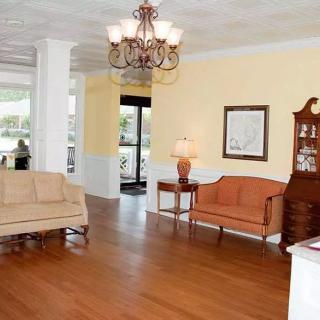
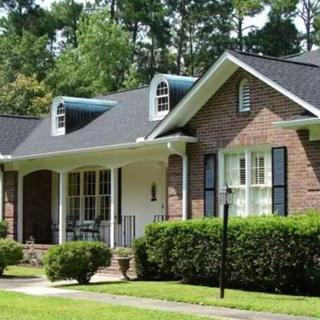
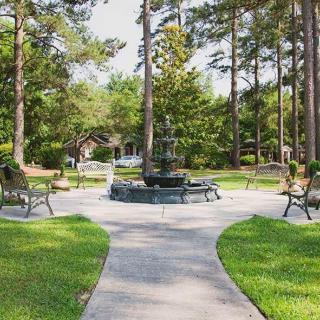
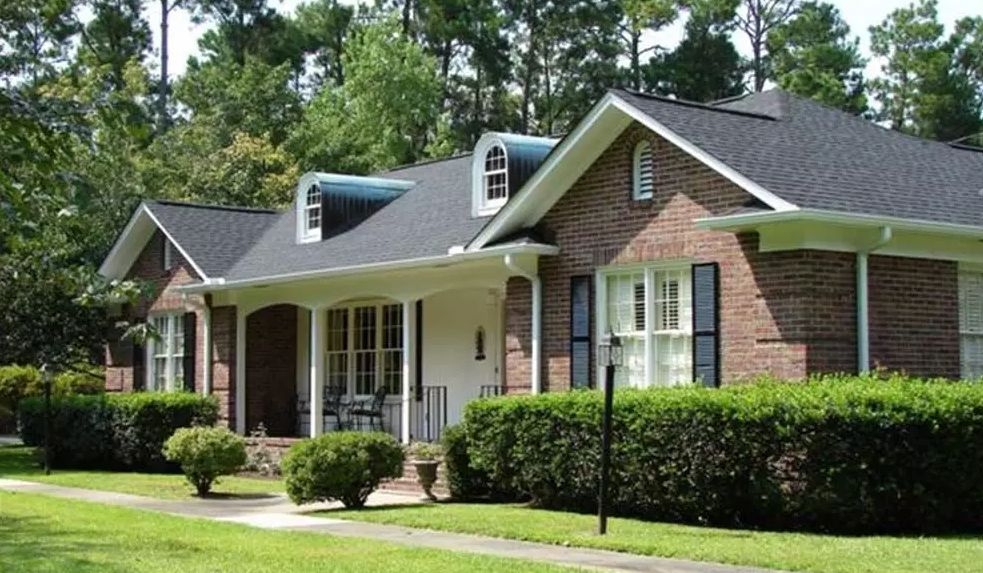
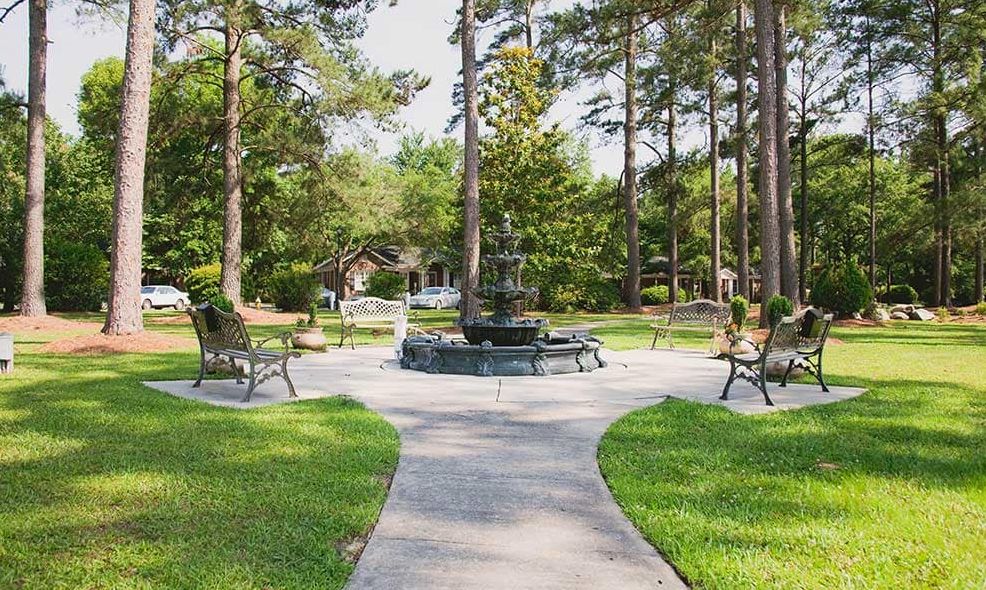
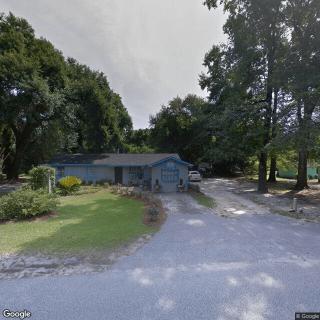
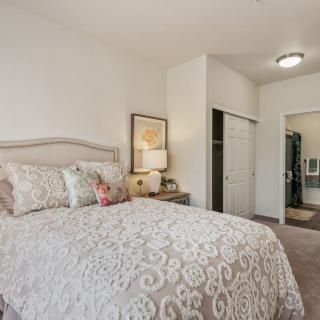
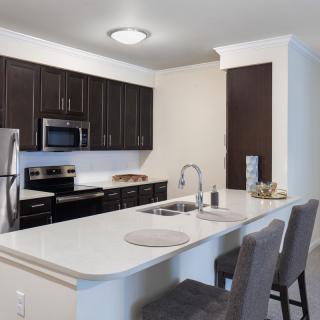
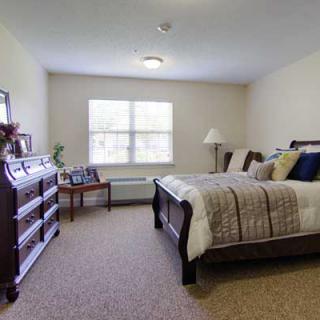
The Village at Summerville on seniors.fyi includes 3 photos including images showing trees, landscaping, park, fountain, pathway, nature, outdoor, living room, and more.
Nearby Communities
Presbyterian Communities Of South Carolina-Summerville
Summerville, SC
Continuum of care with extensive amenities and memory-care programming.
The Claiborne at Brickyard Crossing
Summerville, SC
4.6 from 93 reviews
$3,250 to $5,750 / month
Friendly, resident-focused staff; diverse activities; clean, newly built community with comfortable apartments and a good location.
Amedisys Home Health- Charleston
Summerville, SC
4.2 from 13 reviews
Top-notch care in a comfortable, home-like setting with easy access to nearby amenities and healthcare.
Del Webb Charleston at Nexton
Summerville, SC
Comprehensive care (meal prep, medication management) with modern amenities and connectivity.
Antonio Staples Residential Care Facility
Summerville, SC
4 from 72 reviews
Cozy assisted living with restaurant-style dining and on-site amenities.
Nichols Residential Care Facility
Summerville, SC
4 from 1 review
Cozy, homelike board-and-care with fully furnished rooms and garden.
Summerville Estates Gracious Retirement Living
Summerville, SC
4.5 from 93 reviews
$2,900 to $4,075 / month
Friendly, attentive staff in a bright, welcoming setting with quality dining.
The Blake at Carnes Crossroads
Summerville, SC
4.5 from 158 reviews
$3,650 to $5,750 / month
Beautiful, well-maintained community with engaging activities and caring staff.
TerraBella Summerville
Summerville, SC
4.1 from 122 reviews
$3,010 to $4,005 / month
Friendly, attentive staff; clean, remodeled interiors; engaging activities and a hospital-adjacent location.
Dementia, influenced by aging and certain medications, may be exacerbated by drug classes such as anticholinergics, benzodiazepines, and antipsychotics, which are associated with cognitive impairment. Regular medication reviews by healthcare professionals are crucial for older adults to manage risks and optimize cognitive health.
Dementia often results in disrupted sleep patterns, leading to excessive daytime sleeping due to factors like brain damage affecting circadian rhythms, medication side effects, and lack of structure in daily activities. Caregivers must monitor these changes closely, as oversleeping can increase risks such as malnutrition or dehydration, and provide necessary support and routines to enhance patient engagement and well-being.
The transition from assisted living to skilled nursing care is often prompted by complex medical needs that assisted living cannot meet, with key indicators including frequent health declines, increased falls, severe memory issues, and caregiver burnout. Families should recognize these signs early to discuss options with healthcare providers and prepare for the emotional and logistical aspects of moving to a facility that offers comprehensive medical support.
Get PricingAsk A QuestionSchedule A TourContact Senior Advisor
By clicking submit, you agree to our Partner's Terms of Use. You
also consent to receive calls and texts, which may be autodialed, from our Partner. Your consent is not a condition to
using our Partner's service. Please visit our Partner's Privacy Policy for information about their privacy practices.

 114 resident community capacity
 1-bedroom apartments
 Condos / townhomes
 Detached homes
 Assisted Living
 Continuing Care Retirement Community (CCRC)
 Independent Living
 Memory Care
 Respite Care
 Skilled Nursing Facility
 Air-conditioning
 Beauty salon
 Cable or satellite TV
 Computer center
 Dining room
 Fitness room
 Full kitchen
 Fully furnished
 Gaming room
 Garden
 Housekeeping services
 Laundry
 Move-in coordination
 Outdoor space
 Overnight guests
 Private bathrooms
 Resident parking
 Restaurant-style dining
 Small library
 Swimming pool
 Telephone
 Wellness center
 Wi-Fi/high-speed internet available
 Charleston AFB International (12 miles away)
 Community operated transportation
 24-hour call system
 Activities of daily living assistance
 Assistance with bathing
 Assistance with dressing
 Assistance with transfers
 Diabetes diet
 Medication management
 Physical therapy
 Special dietary restrictions
 Concierge services
 Planned day trips
 Religious services
 English
 Continuum of care with extensive amenities and memory-care programming.


 A Thorough Discussion of Medications Potentially Linked to Dementia Risk
 Why Do Dementia Patients Sleep So Much? Understanding Oversleeping, Stages, and Care Approaches
 8 Key Indicators That Suggest It May Be Time to Transition from Assisted Living to Skilled Nursing Care