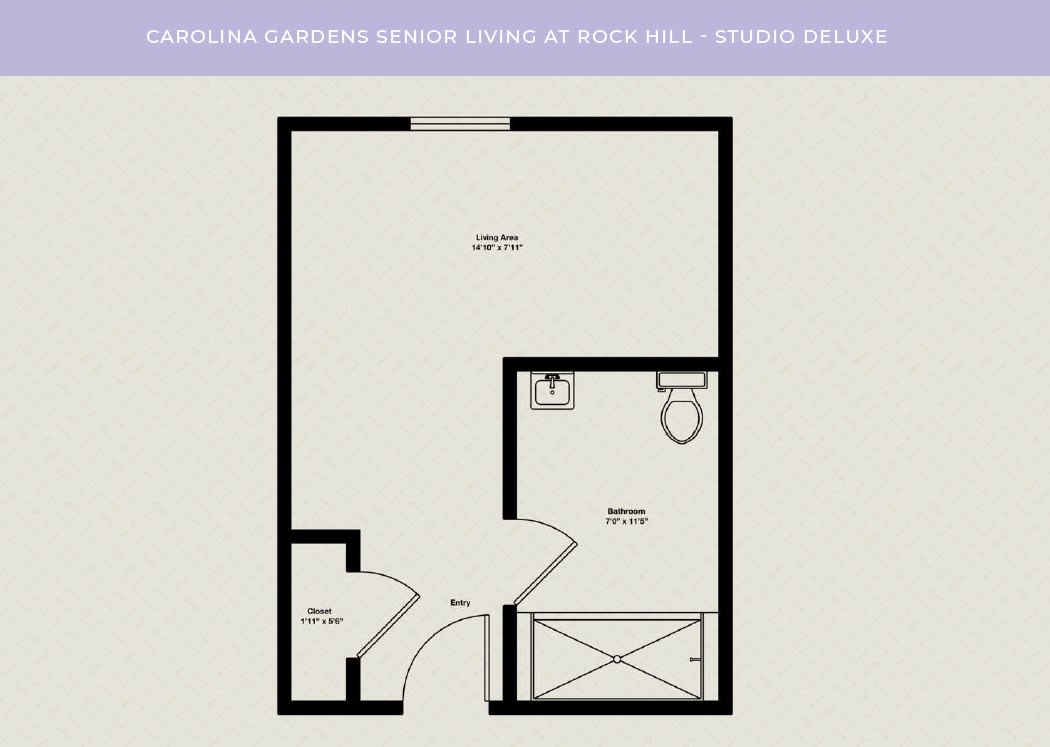
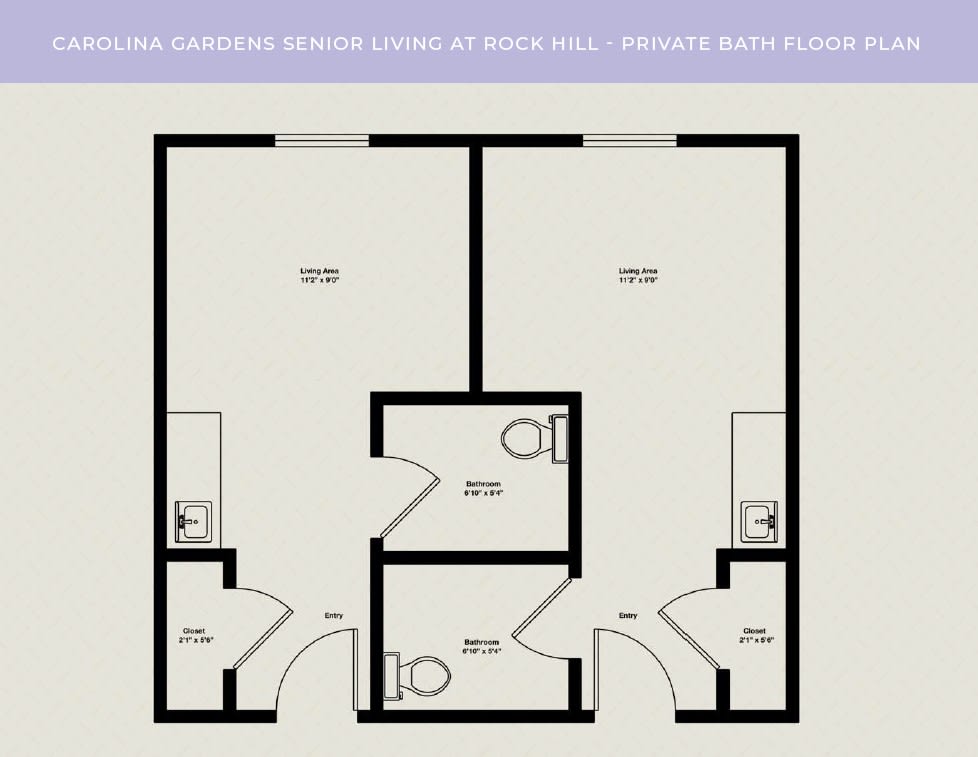
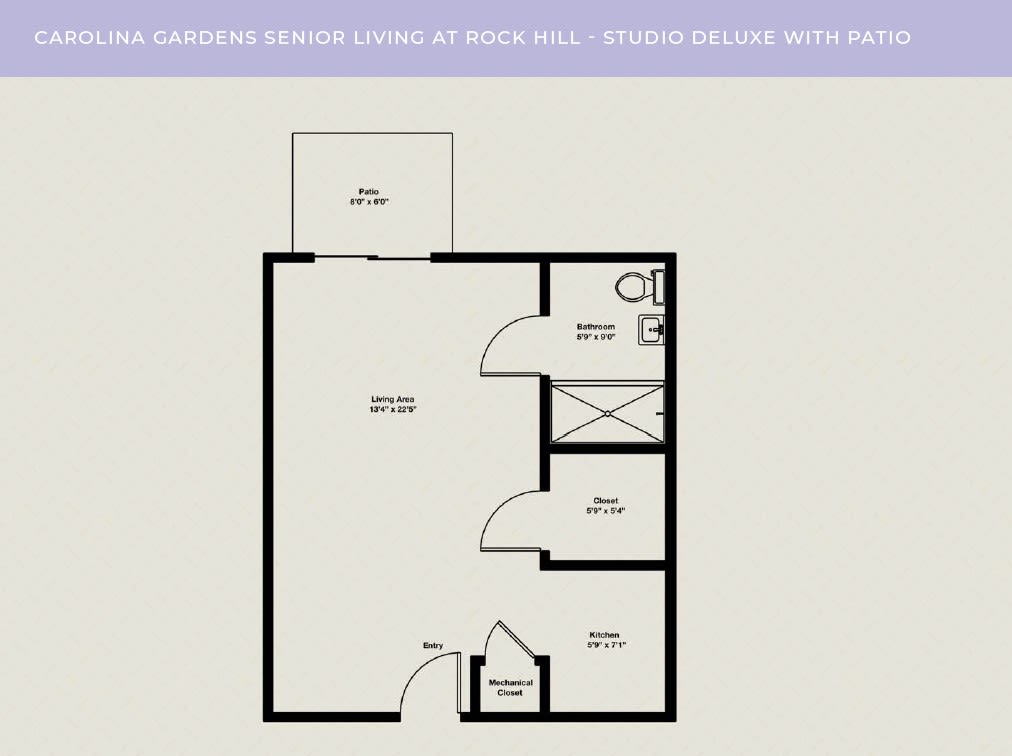
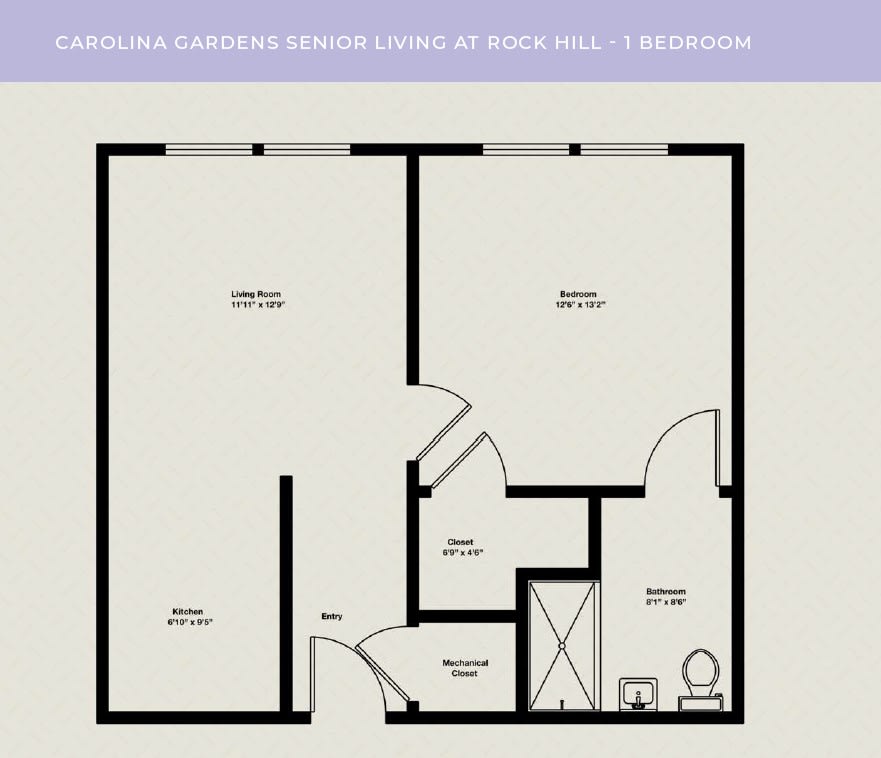
Carolina Gardens at Rock Hill offers a range of pricing structures for its accommodations, reflecting both the amenities provided and the local market. For a semi-private room, the monthly cost is $3,653, which is slightly lower than the York County average of $3,743 but higher than the South Carolina state average of $3,243. The studio units are priced at $4,437, positioning them above both county and state averages - York County's average stands at $3,891 while South Carolina's is at $3,649. Finally, for those seeking more privacy in a one-bedroom unit, residents can expect to pay $4,986 per month; this figure not only surpasses both the county average of $4,395 and the state average of $3,806 but also reflects the added value offered by Carolina Gardens in terms of services and community engagement. Overall, while costs at Carolina Gardens may be higher in certain categories compared to regional averages, they encapsulate a commitment to quality care and an enriched living experience for residents.
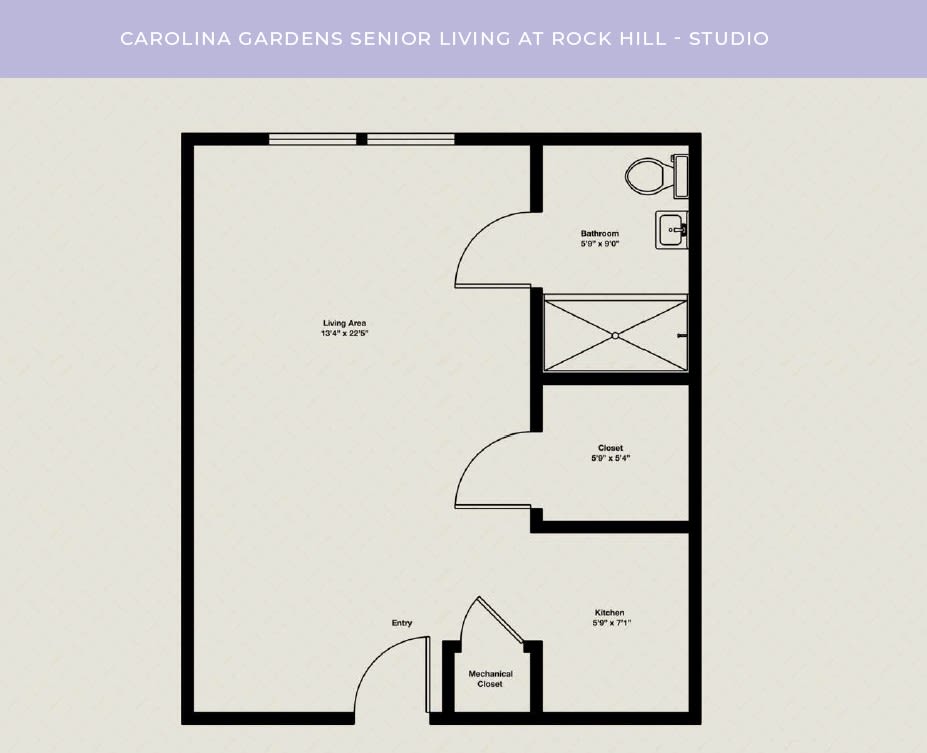
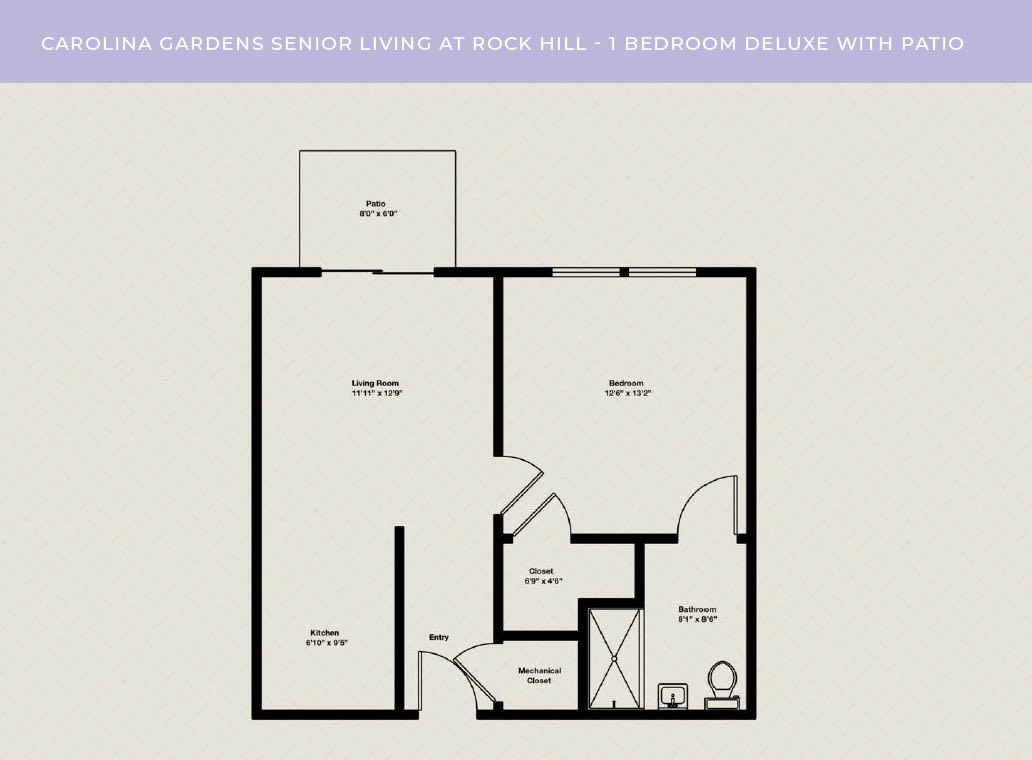
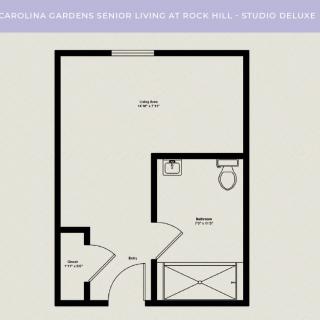
Floor plans
Carolina Gardens at Rock Hill
York County
South Carolina
Semi-Private
$3,653
$3,743
$3,243
Studio
$4,437
$3,891
$3,649
1 Bedroom
$4,986
$4,395
$3,806
Memory care communities with a similar price nearby
Residents and families frequently describe attentive, caring caregivers who stay in touch.
Across reviews, families repeatedly say the staff is responsive and shows up for day-to-day needs, from medication support to helping residents feel comfortable. Several reviewers specifically mention memory care support, including keeping residents safe and engaged. Others describe frequent communication and reassurance during stressful transitions and difficult medical moments.
differentiator4 reviews mention this
24-hour support for memory care
Reviews and care listings point to round-the-clock support for residents who need memory care.
For memory care, reviews mention ongoing supervision and an ability for families to feel they’re getting enough coverage. One reviewer specifically cites 24-hour care as a major relief for the family, while others describe care coordination and comfort-focused support from nurses and caregivers. This lines up with the community’s listed 24-hour call and supervision support and its memory care programming.
caveat7 reviews mention this
Food quality is mixed
Dining reviews range from praised meals to comments about bland or poor taste.
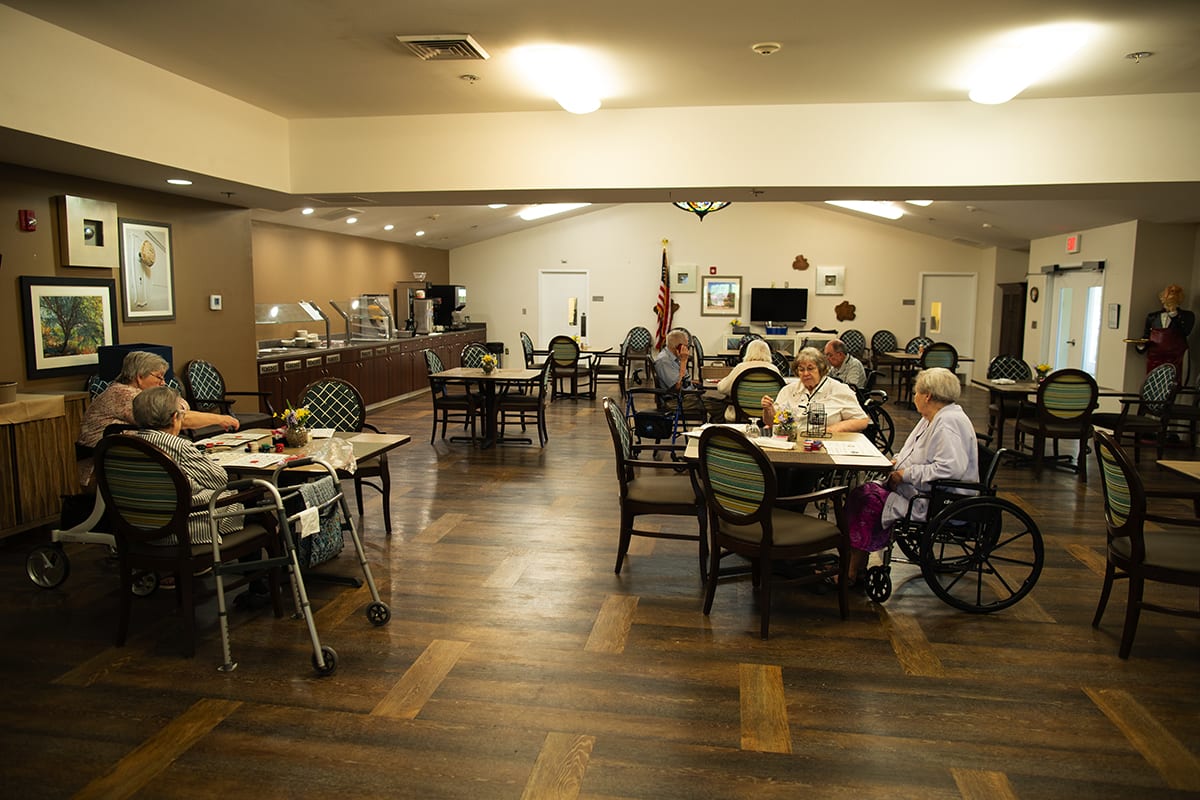
Some residents and families say the meals are good, enjoyable, and even specifically note daily satisfaction with the food. Others describe the food as bland or not good, and one review says staff don’t care about dietary needs for health issues. Several reviewers also tie dining to specific preferences like sugar-free desserts, low/no sodium, and other diet accommodations mentioned in the dining offering.
caveat4 reviews mention this
Activities feel inconsistent
Residents describe more activities in some areas while others say there isn’t enough variety.
A number of reviews highlight scheduled activities, parties, and community-sponsored options like day trips. At the same time, some families say games and general activity options can be limited, with one reviewer also wishing for more exercise programming. These comments suggest residents’ experiences vary by unit and timing, even though the community offers a broad activities calendar.
common9 reviews mention this
Clean, apartment-like environment
Reviews frequently mention cleanliness and a more apartment-like feel.
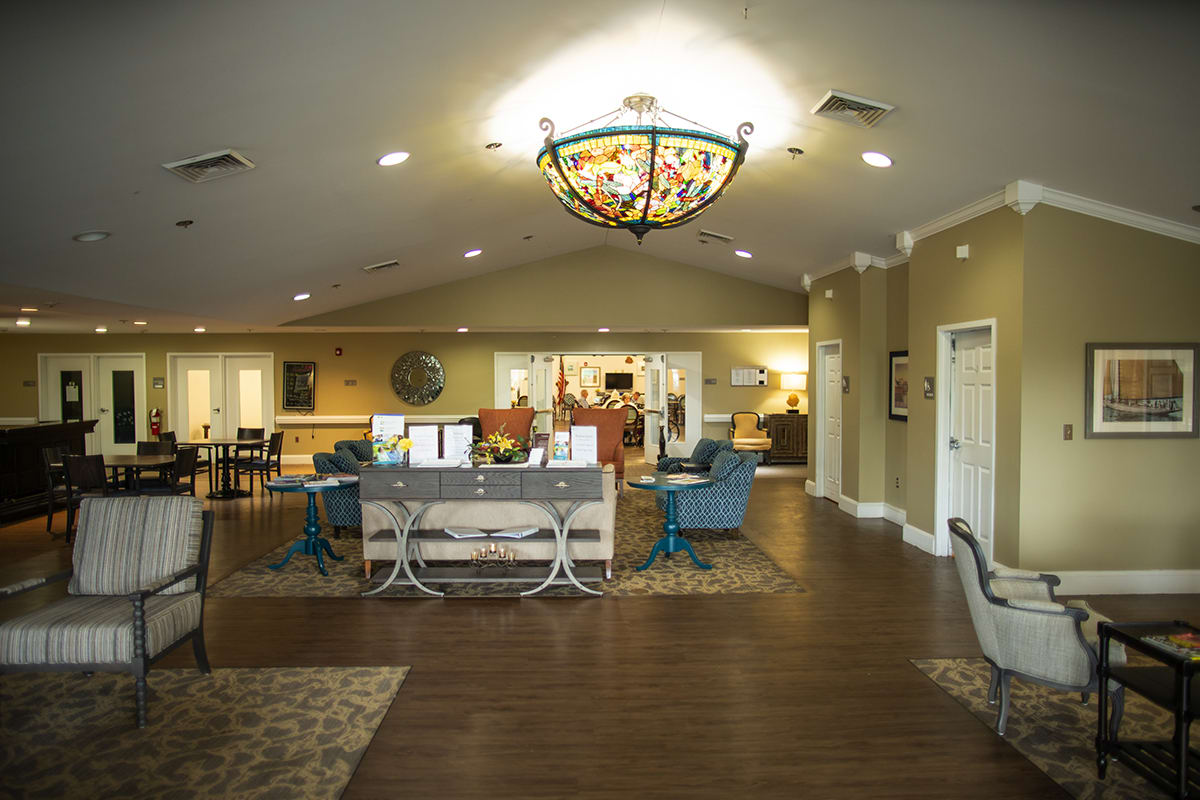
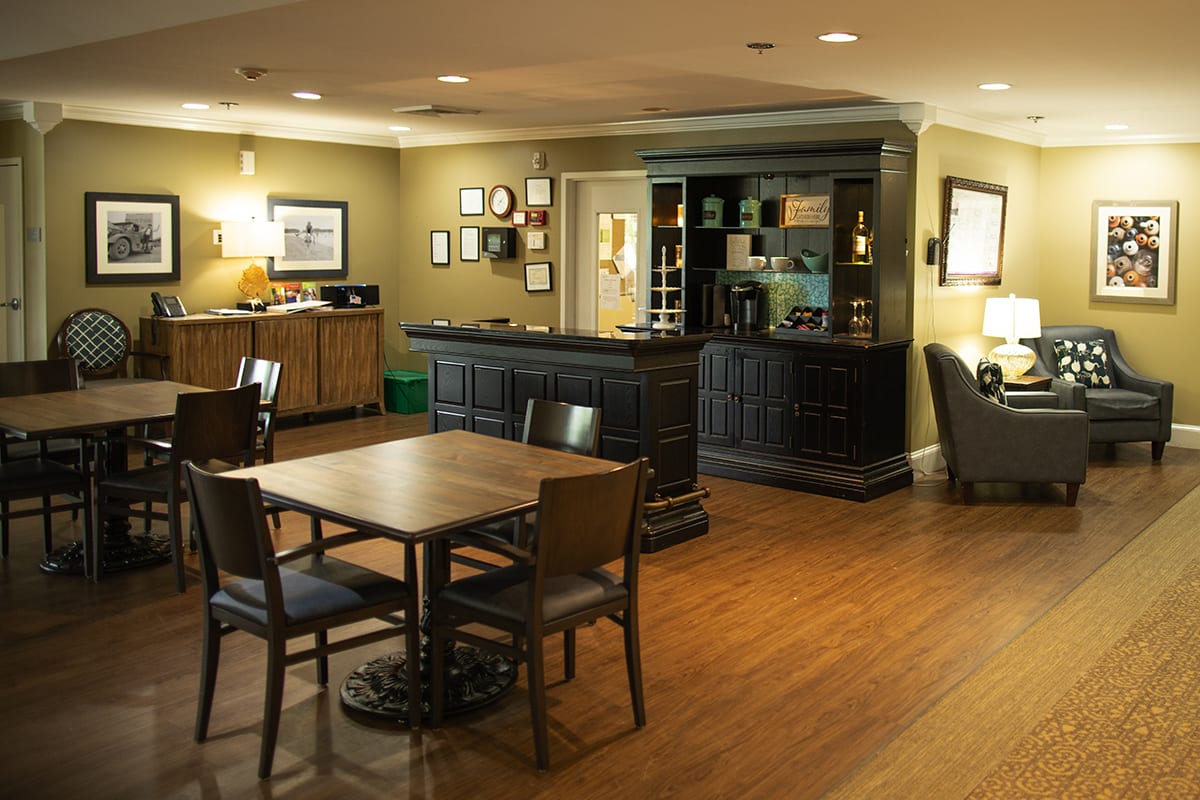
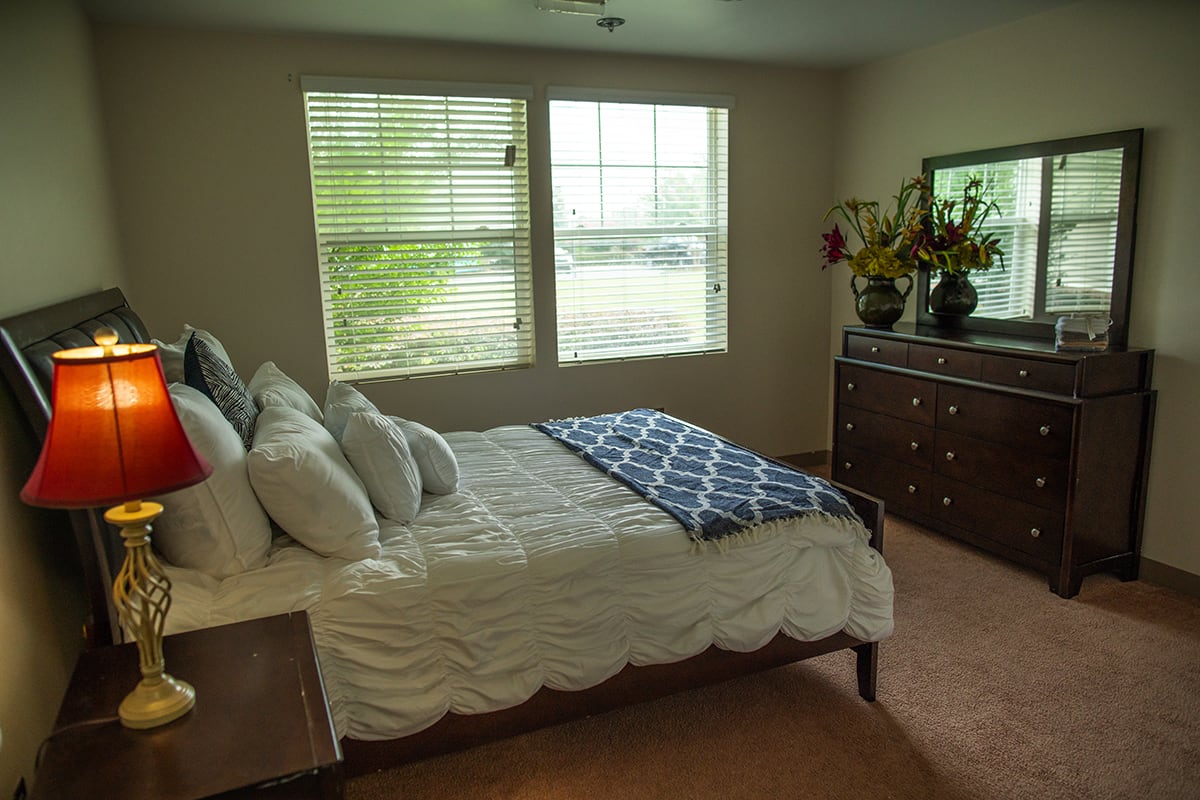
Many reviewers describe the facility as clean, well maintained, and inviting, with spotless environments mentioned more than once. Several also comment that rooms feel closer to an apartment—featuring layouts that reviewers find more homey. A few other notes point out differences in ambiance or lighting, but the overall cleanliness theme stays consistent across reviews.
caveat3 reviews mention this
Pricing can be a sticking point
Pricing receives both reassurance and complaints, with some calling it pricey.
Some families say the community is reasonably priced or affordable, and others mention the pricing feels in line with what they compared. Still, at least one reviewer calls it pricey, and another expressed dissatisfaction that includes a broader negative stance. The community’s listed rates also span multiple unit types and generally come in near or above certain benchmarks, which helps explain why pricing could feel uneven depending on expectations.
How we summarize
Counts show how many written reviews mention each theme; a review can touch several themes, and only frequently mentioned themes are displayed.
Features
Housing
90 resident community capacity
Types of Care
Assisted Living
Memory Care
Respite Care
Amenities
Activities off-site
Activities on-site
Air-conditioning
Beautician on-site
Beauty salon
Cable or satellite TV
Computer center
Devotional services on-site
Dining room
Fitness room
Fully furnished
Gaming room
Garden
Ground floor units
Housekeeping services
Indoor common areas
Kitchenette
Move-in coordination
Outdoor common areas
Outdoor space
Private bathrooms
Respite or short term stays offered
Restaurant-style dining
Small library
Telephone
Wellness center
Wheelchair accessible showers
Wi-Fi/high-speed internet available
Transportation
Charlotte Douglas International (16 miles away)
Community operated transportation
Transportation arrangement
Transportation arrangement (non-medical)
Transportation to doctors appointments
Care Services
12-16 hour nursing
24-hour call system
24-hour supervision
Activities of daily living assistance
Ambulatory care
Assistance with bathing
Assistance with dressing
Assistance with transfers
Diabetes diet
Diabetic care
High acuity care
Incontinence care
Meal preparation and service
Medication management
Mental wellness program
Mild cognitive impairment
Special dietary restrictions
Specialized memory care programming
Dining
Diabetes diet
Guest meals
Low / no sodium
Meals provided
No Sugar
Restaurant style dining
Room service
Special dietary restrictions
Vegetarian
Activities
Activities on-site
Art classes
Community-sponsored activities
Concierge services
Day trips and outings
Devotional activities on-site
Fitness programs
Happy hour
Karaoke
Light therapy programs
Live dance or theater performances
Live musical performances
Planned day trips
Resident-run activities
Scheduled daily activities
Sensory-based programs
Trivia games
Wii bowling
Wine tasting
Nearby Places of Interest
This part of Rock Hill, South Carolina, offers a variety of amenities that cater to the needs of seniors. With multiple physicians and medical facilities located within a short distance, residents have easy access to healthcare services. There are also several pharmacies nearby for convenient medication management. Additionally, there are plenty of dining options including popular chains like IHOP and Starbucks, as well as local cafes for social gatherings. The area boasts various parks where seniors can enjoy outdoor activities and maintain an active lifestyle. For entertainment, there is a movie theater within reach. Overall, this part of Rock Hill provides a well-rounded community with essential services and leisure opportunities for senior living.
Physicians
Levine Cancer Institute - Rock Hill (0.4 miles)
Nephrology Associates PA (0.5 miles)
Shiland Family Medicine (1.7 miles)
Rock Hill Primary Care (3.2 miles)
Retina Institute of the Carolinas (3.2 miles)
Sunshine Pediatrics (3.2 miles)
Ace Medical Group (3.2 miles)
Restaurants
Sonic Drive-In (0.5 miles)
McDonald's (0.8 miles)
IHOP (0.8 miles)
Cook Out (0.9 miles)
Jasmine Grill (1 miles)
Wendy's (1.1 miles)
The Pump House (1.2 miles)
Cafes
Starbucks (0.6 miles)
Starbucks (3.4 miles)
Panera Bread (3.4 miles)
Starbucks (3.5 miles)
Starbucks (3.5 miles)
Gateway Canteen (4.8 miles)
Chatty Cathy s Coffeehouse (6.9 miles)
Places of Worship
Elevation Church - Riverwalk (1.5 miles)
The Body (3.5 miles)
Grace Community United Methodist Church (5.6 miles)
Carolina Gardens at Rock Hill offers a range of pricing structures for its accommodations, reflecting both the amenities provided and the local market. For a semi-private room, the monthly cost is $3,653, which is slightly lower than the York County average of $3,743 but higher than the South Carolina state average of $3,243. The studio units are priced at $4,437, positioning them above both county and state averages - York County's average stands at $3,891 while South Carolina's is at $3,649. Finally, for those seeking more privacy in a one-bedroom unit, residents can expect to pay $4,986 per month; this figure not only surpasses both the county average of $4,395 and the state average of $3,806 but also reflects the added value offered by Carolina Gardens in terms of services and community engagement. Overall, while costs at Carolina Gardens may be higher in certain categories compared to regional averages, they encapsulate a commitment to quality care and an enriched living experience for residents.
Carolina Gardens at Rock Hill enhances the quality of life for residents with dementia or Alzheimer's disease through a comprehensive range of features tailored to their unique needs. The 24-hour supervision ensures safety and security, while assistance with activities of daily living--such as bathing, dressing, and transfers--supports residents in maintaining dignity and independence. Incontinence care provides comfort, reducing stress for both staff and residents. Meal preparation and service are designed to meet nutritional requirements while accommodating personal preferences, promoting overall health. Medication management is crucial for maintaining cognitive function and well-being. Programs focused on mental wellness address emotional needs, while sensory-based initiatives stimulate engagement and connection with the environment. Additionally, specialized memory care programming is tailored specifically to individuals experiencing mild cognitive impairment and advanced stages of dementia, fostering an atmosphere where residents can thrive despite their challenges.
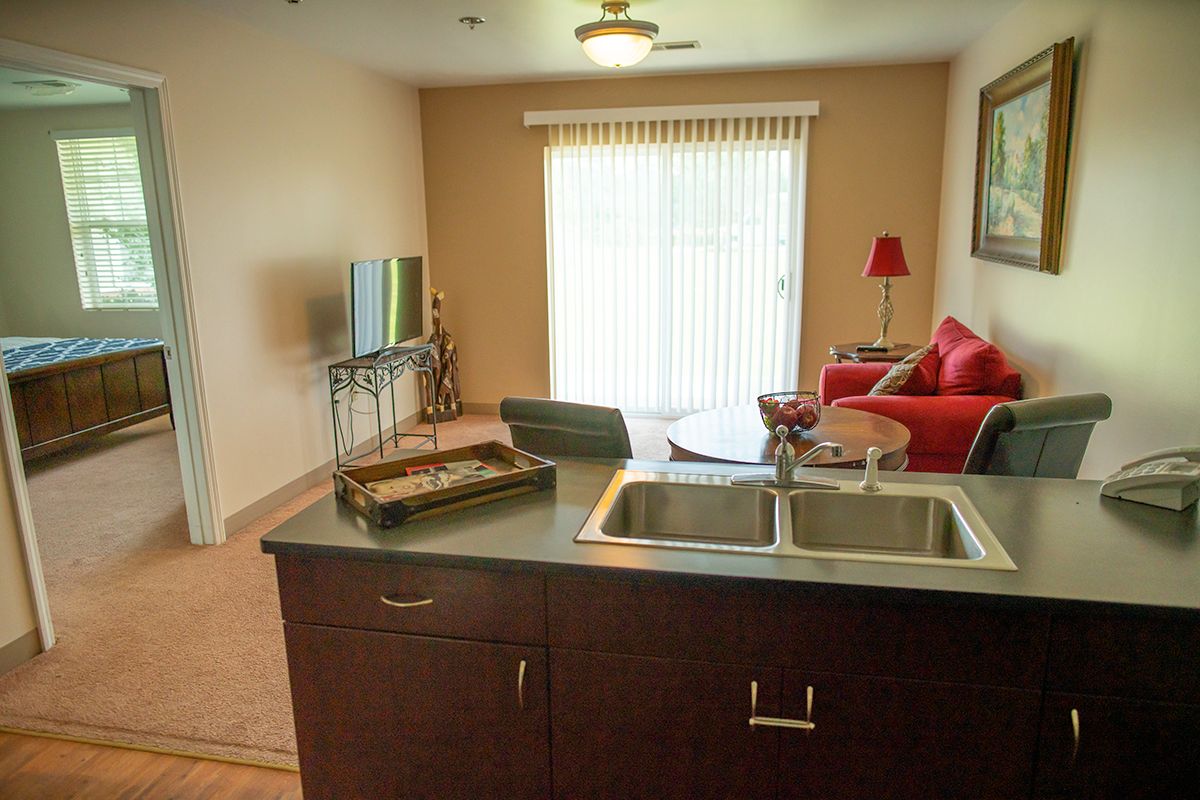
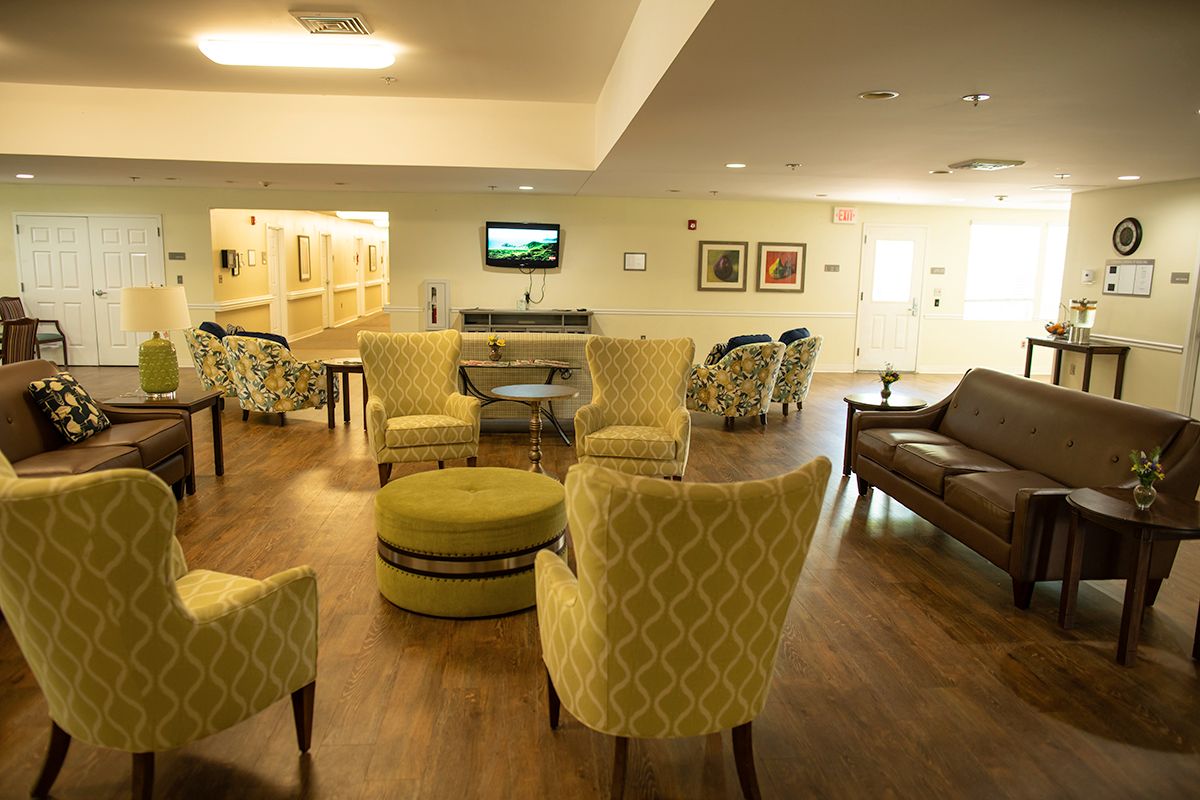
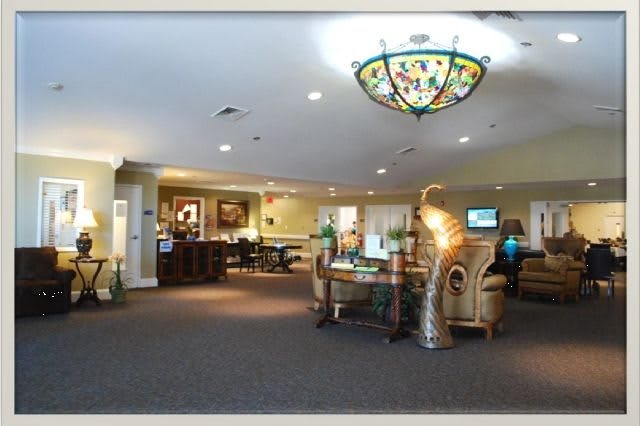
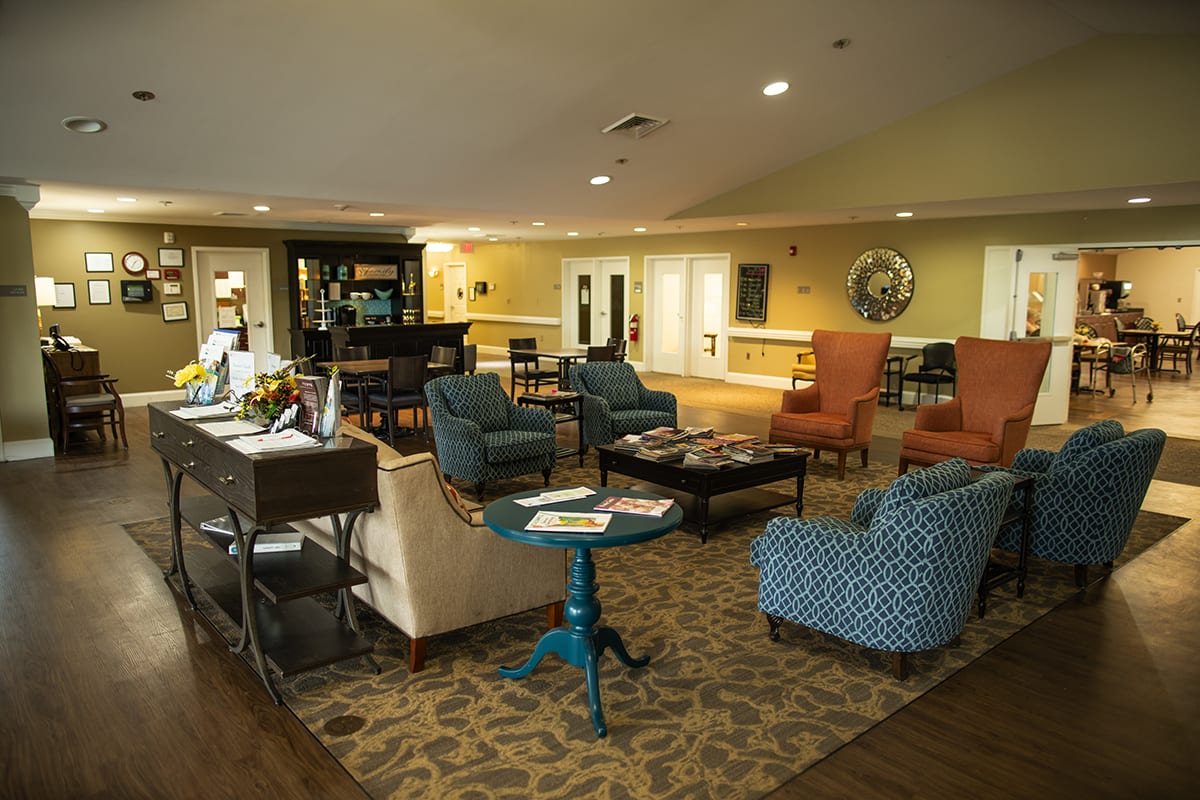
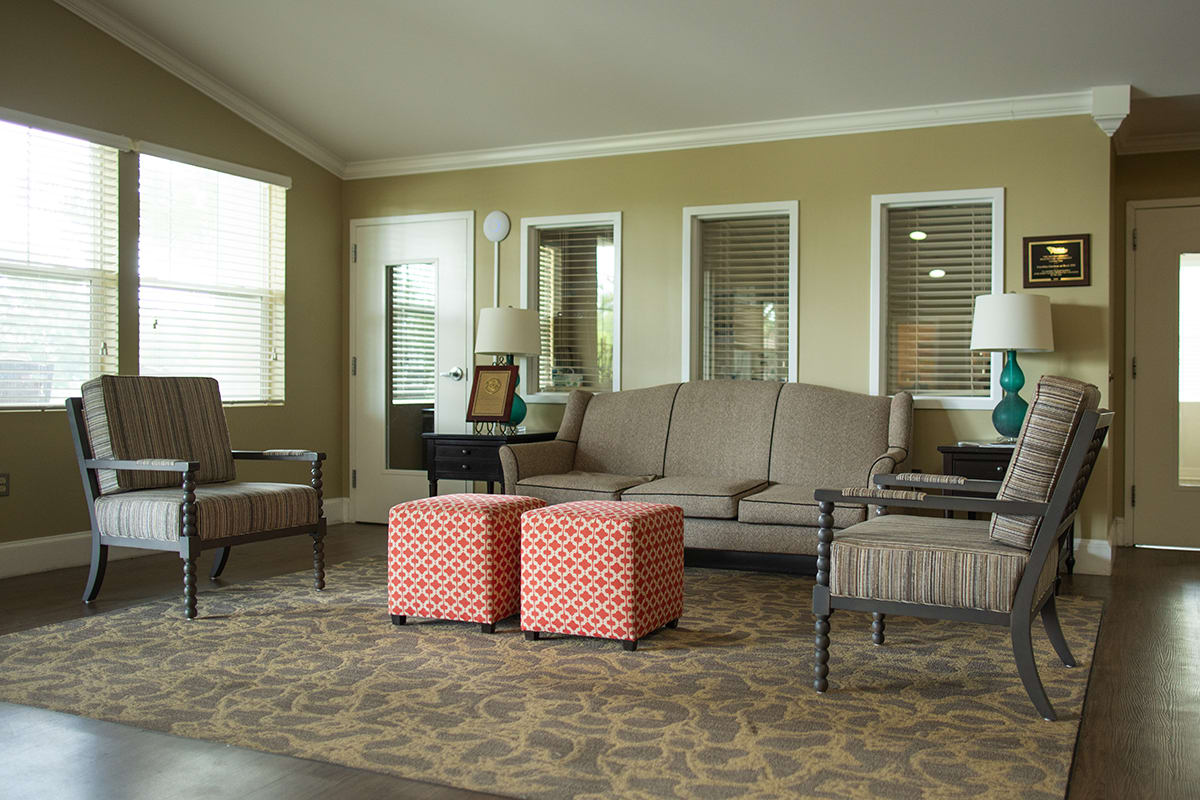
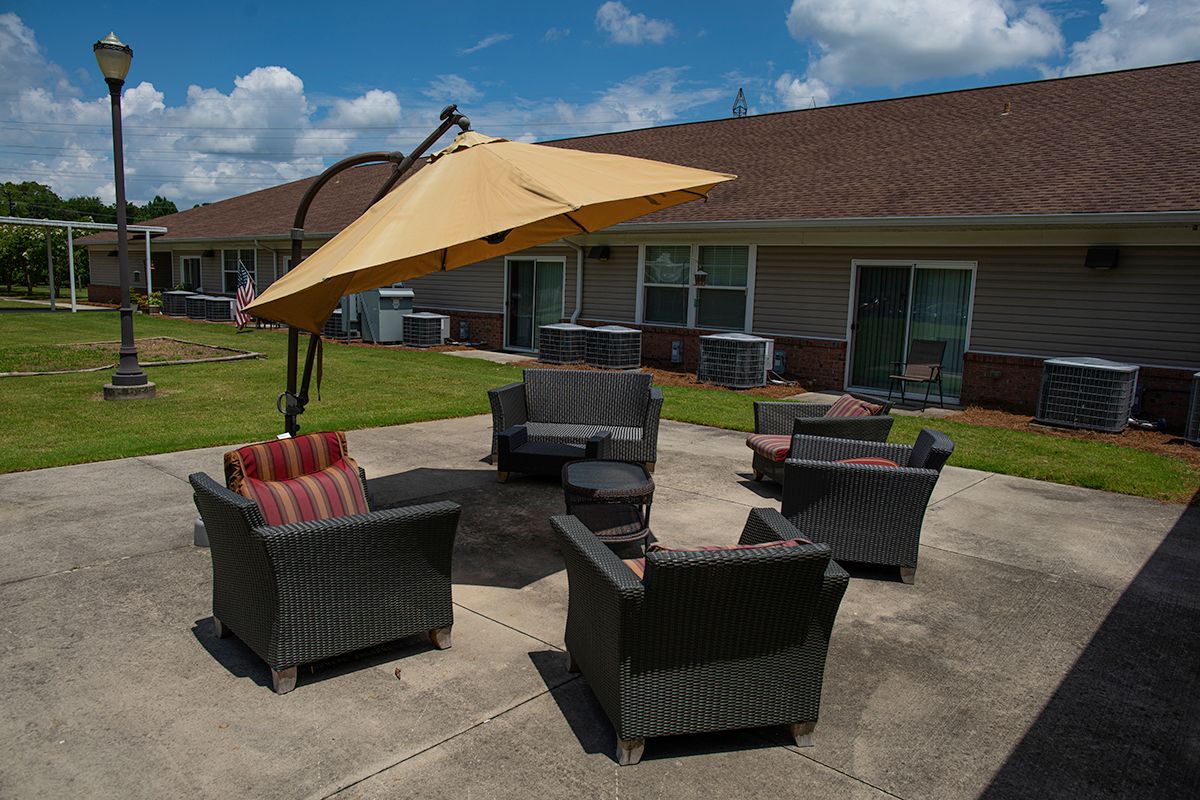
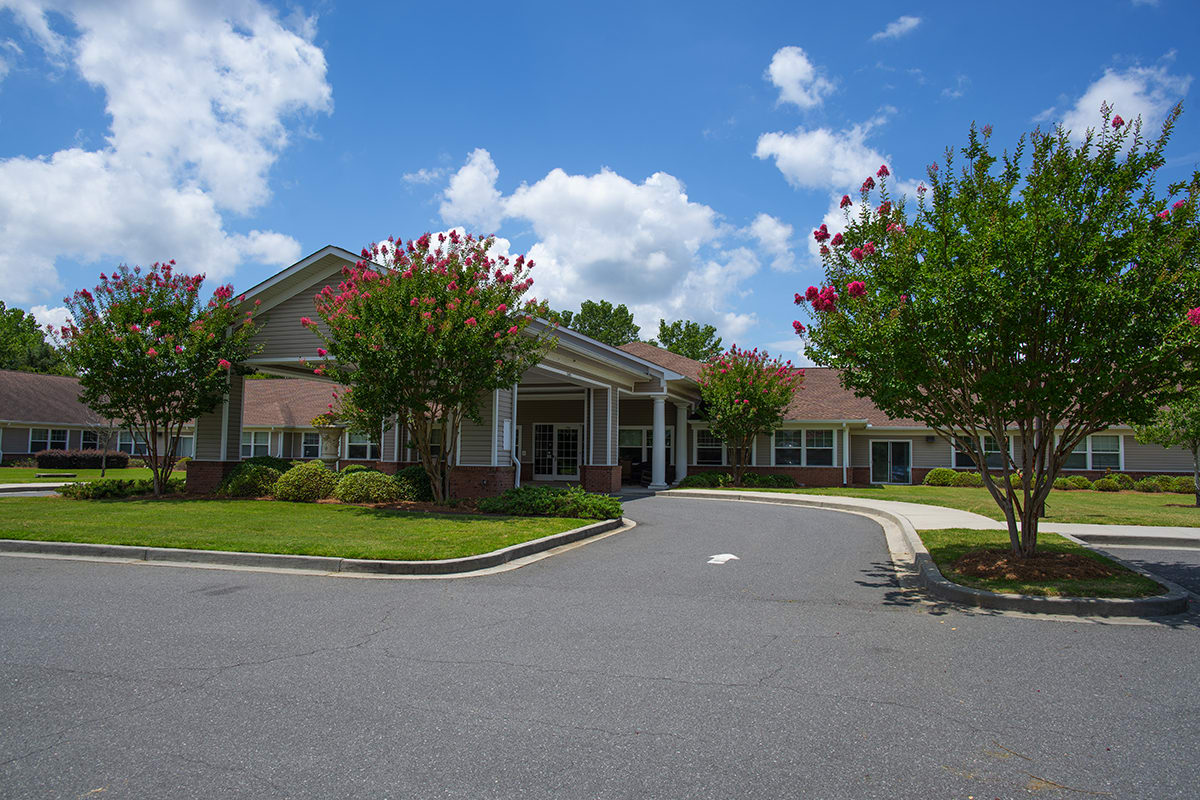
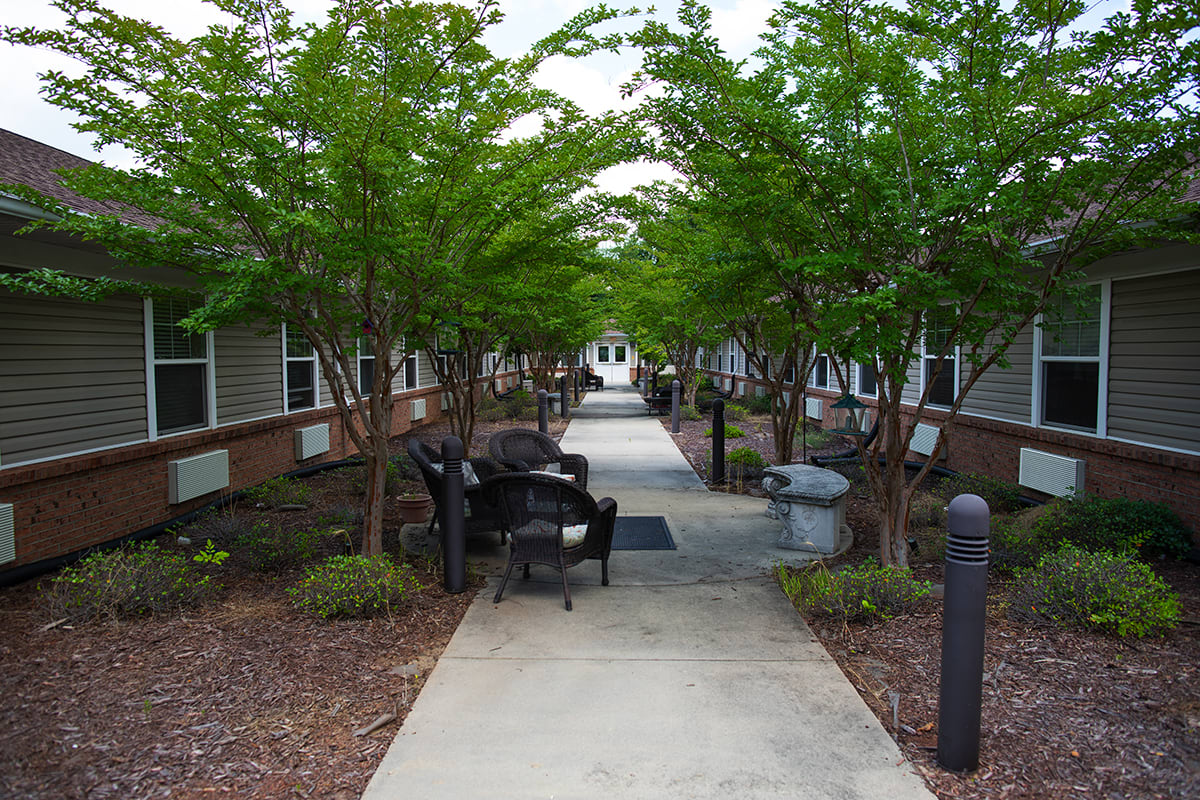
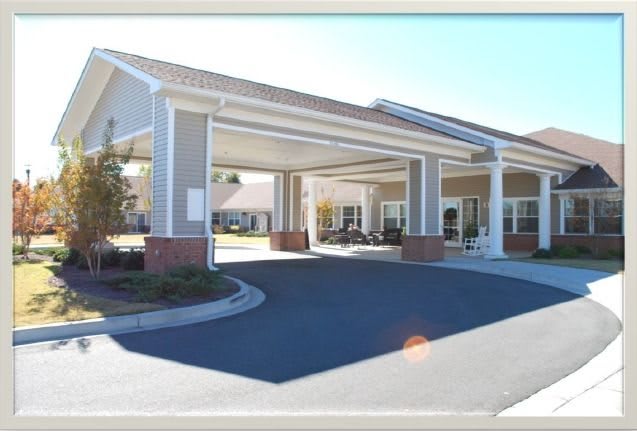
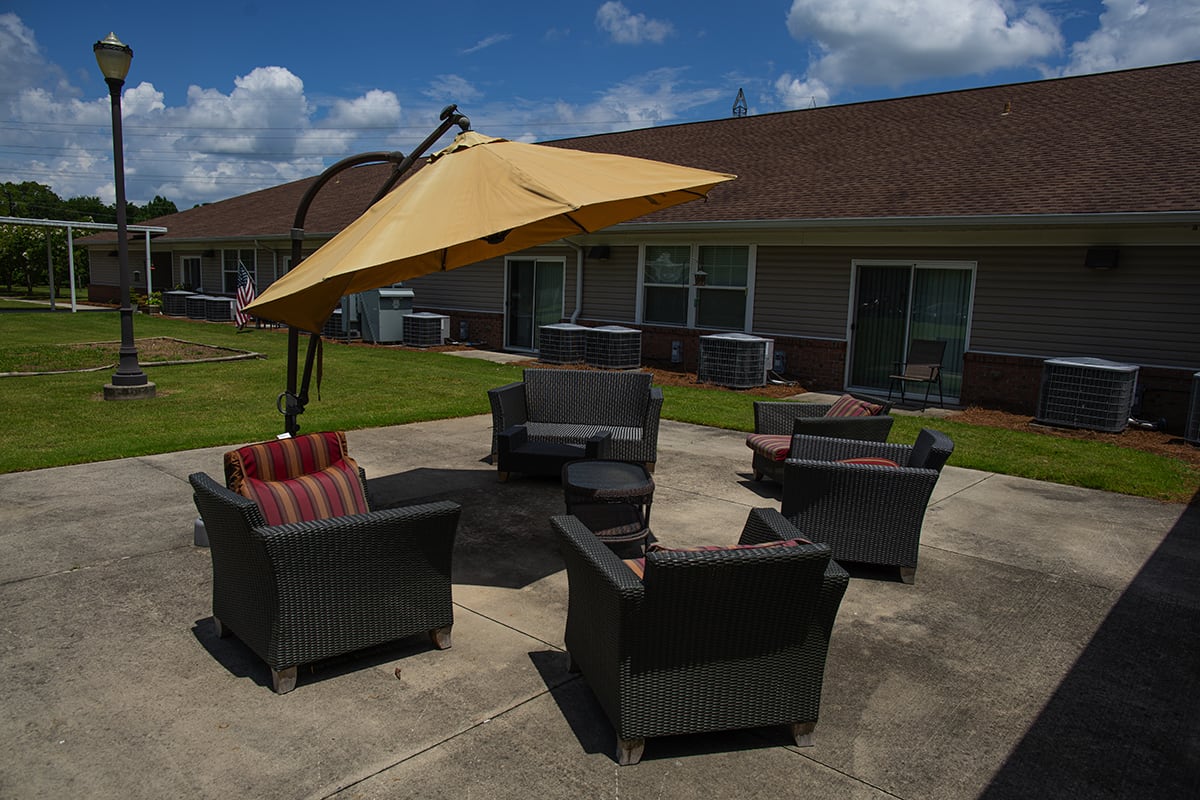
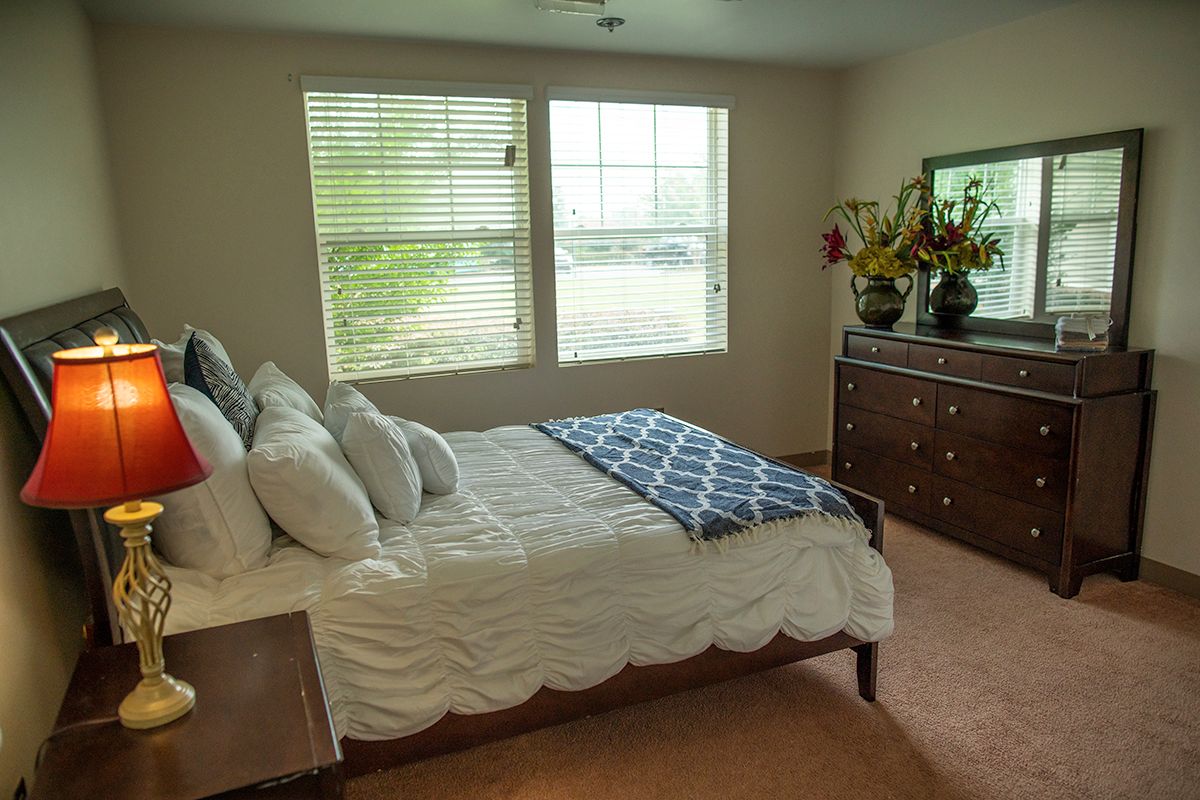
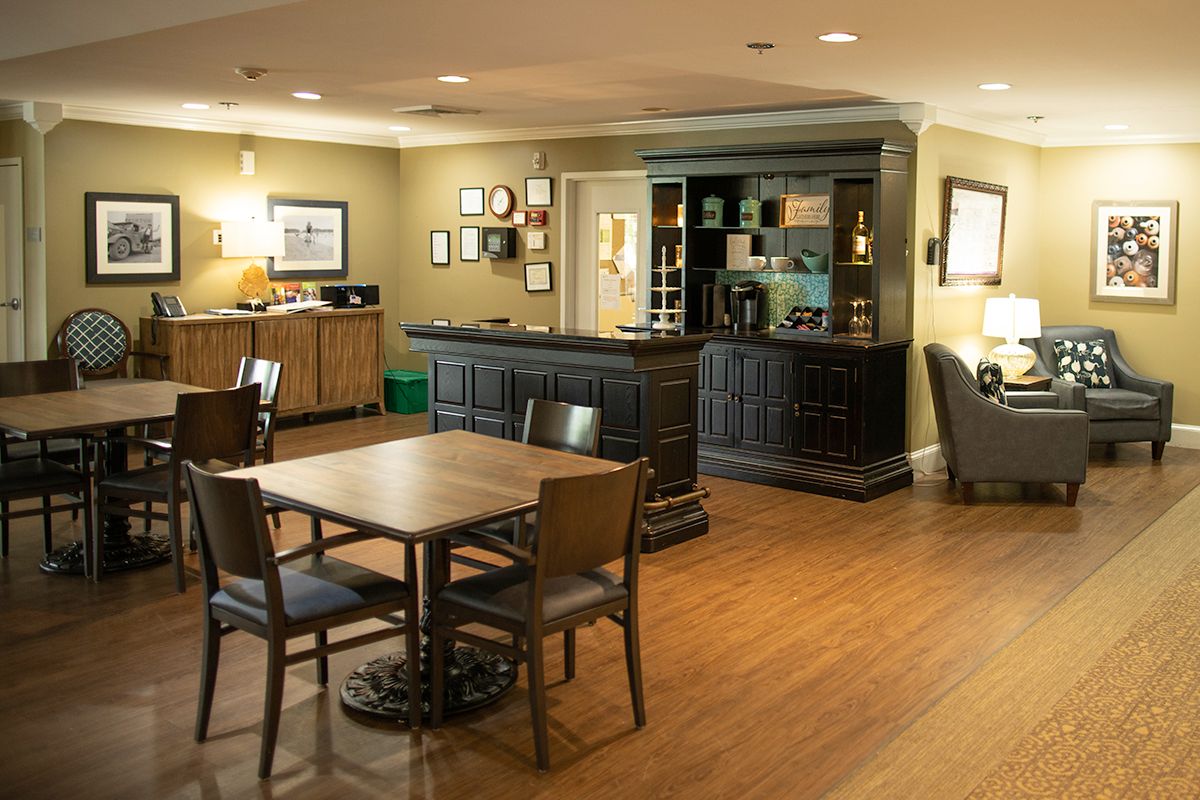
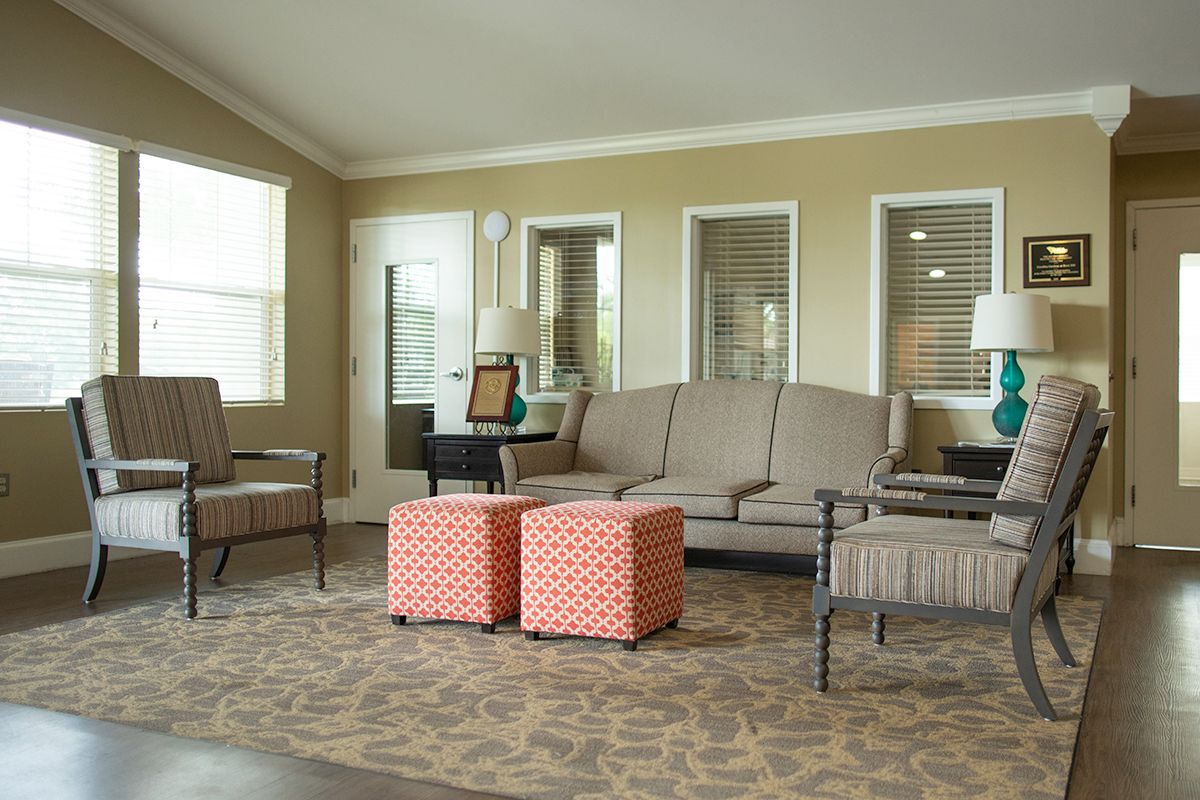
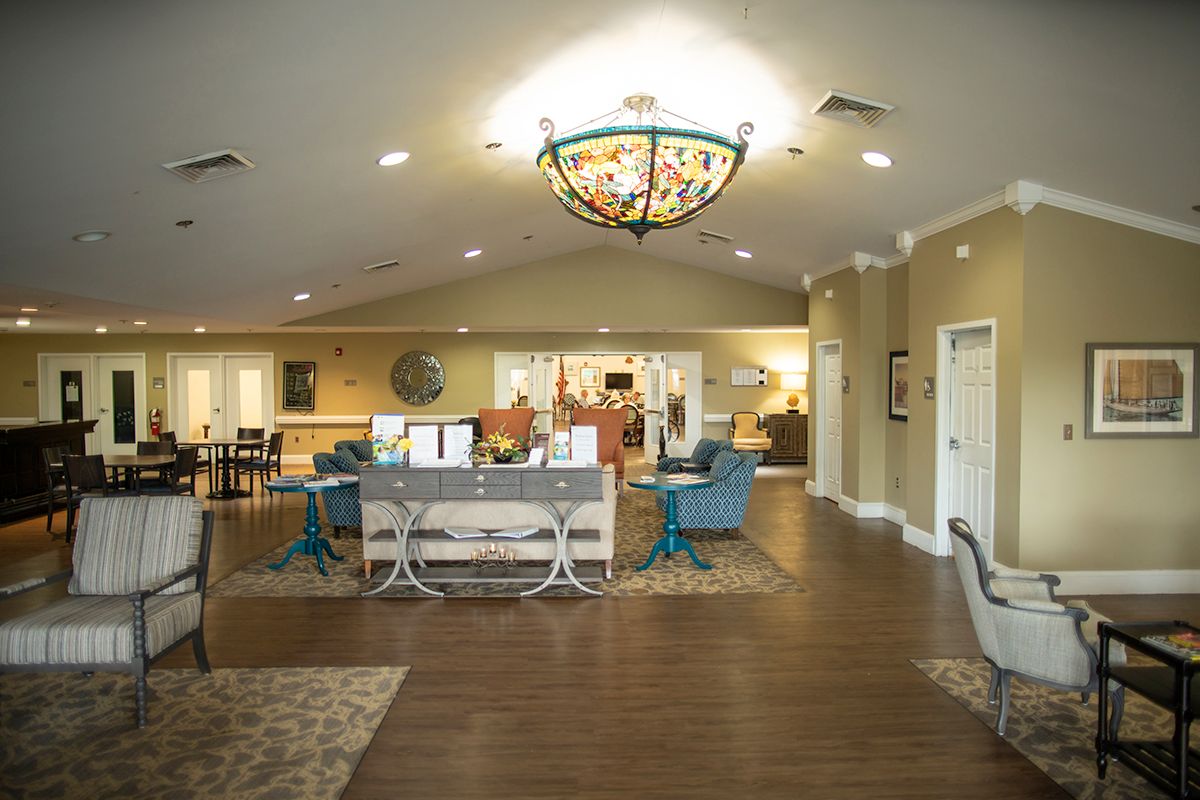
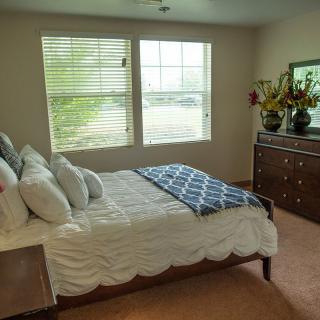
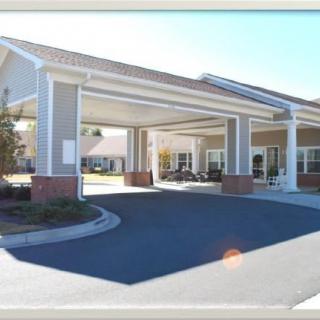
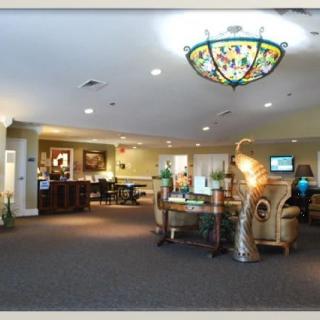
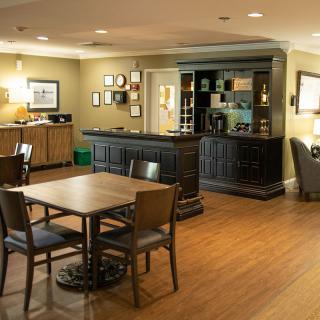
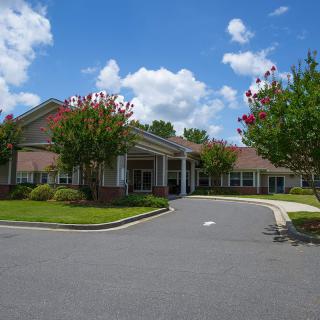
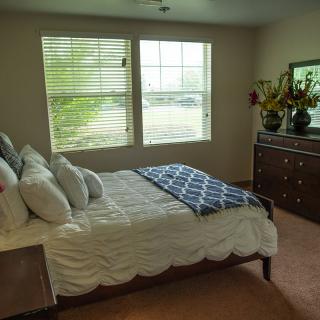
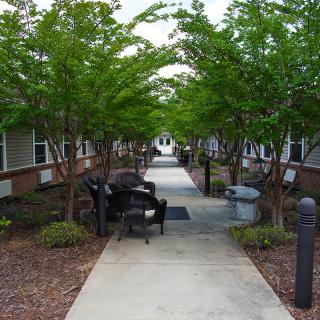
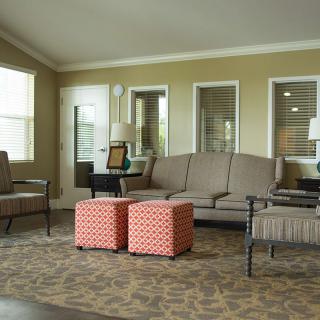
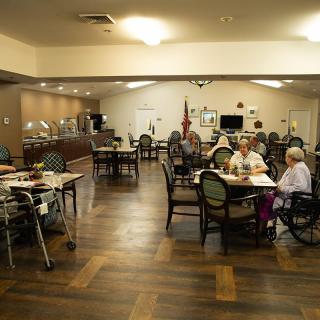
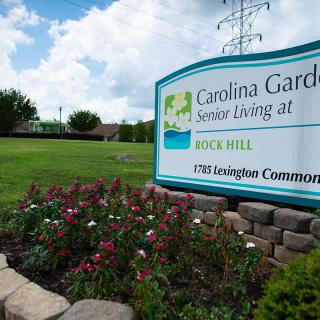
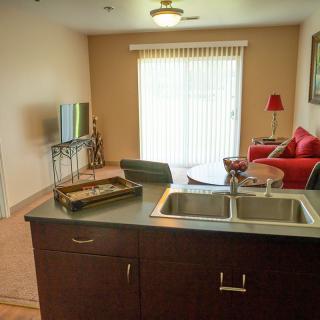
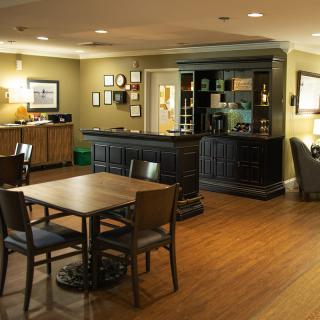
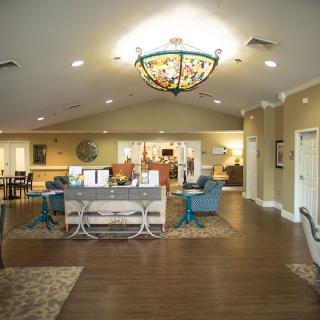
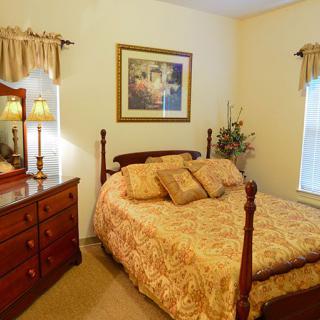
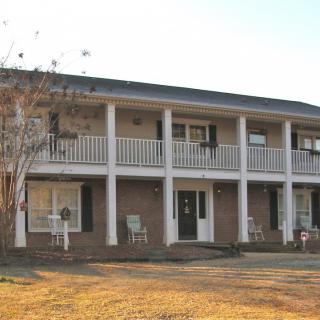
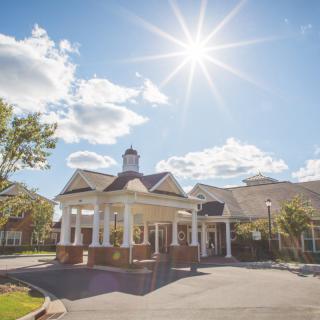
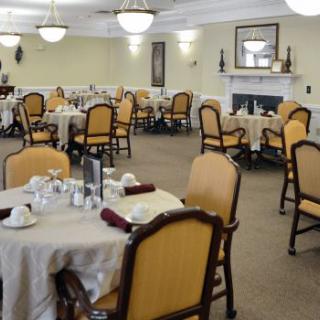
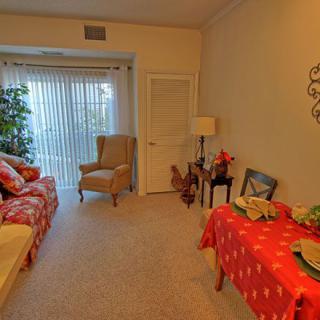
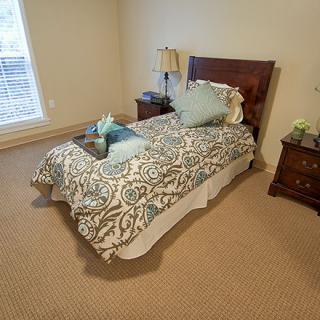
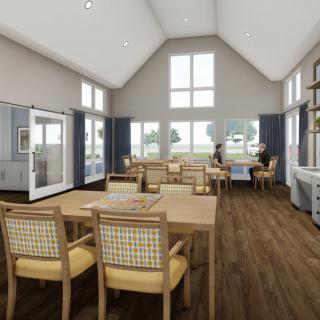
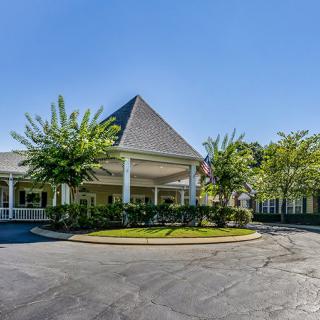
Carolina Gardens at Rock Hill on seniors.fyi includes 28 photos including images showing interior, floor plan, living room, lobby, bedroom, decor, landscaping, outdoor, and more.
Nearby Communities
Right At Home Rock Hill
Rock Hill, SC
4.7 from 95 reviews
Personalized, compassionate care with attentive staff and strong collaboration with families.
HarborChase Of Riverwalk
Rock Hill, SC
4.3 from 25 reviews
Gorgeous, comfortable campus with a strong sense of community, engaging daily activities, and high-quality dining options.
Augusta Place at Laurel Creek
Rock Hill, SC
Small, personalized setting with meal prep, medication management, and access to numerous nearby amenities.
Marett Boulevard Community Residential Care Facility
Rock Hill, SC
4.6 from 73 reviews
Small, home-like board-and-care with 24-hour supervision and ADL support.
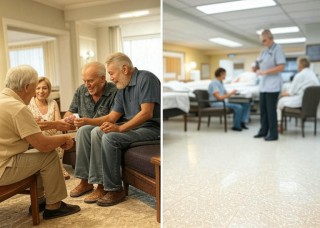
Assisted living provides moderate support for seniors seeking independence, while memory care offers specialized support for individuals with dementia or cognitive impairments through structured routines and trained staff. Key differences include care approaches, environment security measures, staff training levels, activity types, and cost considerations.
Choosing between assisted living and nursing homes involves evaluating emotional and financial factors, with assisted living offering independence and support for daily activities at a lower cost, while nursing homes provide intensive medical care for individuals with significant health needs. The decision is influenced by personal preferences, health status, cognitive function, and varying Medicaid coverage across states.
The article presents eight strategies for preserving cognitive health and memory in older adults, emphasizing a nutrient-rich diet, regular exercise, intellectually stimulating activities, adequate sleep, social connections, stress management techniques, limiting harmful substances, and regular medical checkups to mitigate age-related memory decline.
Get PricingAsk A QuestionSchedule A TourContact Senior Advisor
By clicking submit, you agree to our Partner's Terms of Use. You
also consent to receive calls and texts, which may be autodialed, from our Partner. Your consent is not a condition to
using our Partner's service. Please visit our Partner's Privacy Policy for information about their privacy practices.


 90 resident community capacity
 Assisted Living
 Memory Care
 Respite Care
 Activities off-site
 Air-conditioning
 Beautician on-site
 Cable or satellite TV
 Computer center
 Devotional services on-site
 Dining room
 Fitness room
 Fully furnished
 Gaming room
 Garden
 Ground floor units
 Housekeeping services
 Indoor common areas
 Kitchenette
 Move-in coordination
 Outdoor common areas
 Private bathrooms
 Restaurant-style dining
 Small library
 Telephone
 Wellness center
 Wheelchair accessible showers
 Wi-Fi/high-speed internet available
 Charlotte Douglas International (16 miles away)
 Community operated transportation
 12-16 hour nursing
 24-hour call system
 Ambulatory care
 Assistance with bathing
 Assistance with dressing
 Assistance with transfers
 Diabetes diet
 Diabetic care
 High acuity care
 Incontinence care
 Medication management
 Mental wellness program
 Special dietary restrictions
 Art classes
 Concierge services
 Day trips and outings
 Happy hour
 Karaoke
 Light therapy programs
 Live dance or theater performances
 Live musical performances
 Sensory-based programs
 Trivia games
 Wii bowling
 Wine tasting
 Personalized, compassionate care with attentive staff and strong collaboration with families.

 Assisted Living and Memory Care: Understanding Their Core Differences
 Choosing the Right Senior Care: A Detailed Exploration of Assisted Living and Nursing Homes
 Safeguarding Your Memory Through the Golden Years: Eight Ways to Preserve Cognitive Health