

117 Bellfield Road, Ridgeway, SC 29130
For more information about senior living options: (866) 208-4318
Overall Review of Ridgeway Manor Healthcare
Pros
 The facility is great, with caring professionals who provide quality care.
- They treat their residents like family.
- The facility is very clean and well maintained.
- The food is good.
Cons
 The place is awful.
- The staff are very rude.
- This place is horrible and not providing proper care.
- The state should inspect and shut this place down.
- The meals are awful and the food tastes bad.
- The staff hand out trays rudely and with an attitude, even slamming them without apology.
- The staff show a lack of sympathy or empathy toward residents.
- The facility is a nasty rat hole and is godawful.
Review
Ridgeway Manor Healthcare in Ridgeway, SC is best suited for families that prize a warm, home-like atmosphere and caregivers who show genuine warmth when they are engaged with residents. The facility has a reputation for cleanliness and a level of personal attention that can feel like family care, even as the building itself shows its age. For residents who respond well to familiar faces and a nurturing touch from staff, and who don’t demand flawless consistency every shift, this community can deliver meaningful daily comfort. It is not a luxury option, but it can feel homier than more clinical settings, especially when the care staff establish strong rapport with a difficult resident population.
Those who should consider alternatives are families whose priority is unwavering, consistently professional care across all shifts, predictable dining experiences, and a facility with more modern amenities or newly updated spaces. Several reviews raise red flags about staff demeanor and reliability, and those concerns cannot be dismissed. If a loved one requires highly dependable attention, rapid response to needs, or courteous interactions as a nonnegotiable standard, this community may not meet those expectations. Prospective families should also weigh the risk of inconsistent experiences between wings or shifts, and consider whether a different provider could offer steadier oversight and a more uniformly respectful environment.
From a practical standpoint, the strongest positives are meaningful when they occur: caring professionals who genuinely engage with residents, meals that are described as decent, and a setting that, despite its age, is kept clean and comfortable. When staff members invest themselves in individual residents, families notice the difference in daily quality of life, an element that can soften the impact of any structural drawbacks. The “treating residents like family” sentiment matters deeply for those who value personalized attention and a familiar, less institutional feel. In these moments, the positives can meaningfully offset some concerns, provided a resident forms a reliable rapport with at least a few caregivers who know their needs and preferences.
But the cons are serious and frequent enough to influence a decision decisively. A pattern of rude, loud, or dismissive staff interactions surfaces repeatedly in reviews, including accusations of poor dining service and even blunt blame-shifting when problems arise. Reports that care is not consistently delivered to all residents, particularly in certain wings or sections, raise questions about equity of care and supervision. Pervasive concerns about staff attitudes and accountability, coupled with graphic criticisms of meal service and overall regard for residents, signal a risk that the experience can deteriorate quickly if a resident encounters the less attentive shifts. A stark “rat hole” characterization underscores a fear about overall quality control that cannot be ignored.
To navigate these realities, prospective buyers should adopt a rigorous on-site due diligence approach. Observe dining interactions and meal delivery at multiple times to assess whether residents are treated with courtesy and whether meal quality meets expectations. Ask pointed questions about staffing ratios, turnover, shift coverage, and how frequently caregivers are reassigned away from individual residents. Request to review recent care plans, incident logs, and how nursing needs are escalated and managed, especially for upstairs/downstairs disparities. Arrange conversations with the administrator or director, and seek candid feedback from current residents’ families about consistency, responsiveness, and perceived empathy. Insist on seeing a current activity schedule and evidence of ongoing cleanliness and maintenance.
In the end, Ridgeway Manor Healthcare presents a mixed equation: enough warmth and clean, comfortable surroundings to satisfy families who accept some variability, but with enough documented care-and-behavior concerns to push others toward alternatives. The community likely works best for residents who can establish trusting relationships with a few attentive staff members and who do not require uniformly flawless service. For families prioritizing consistent, courteous care, transparent governance, and modern conveniences, exploring other options is strongly advisable. A measured trial, plus real-time feedback from other families and independent observations, will reveal whether the positives can reliably outweigh the negatives in the specific case of a beloved resident.
 21 resident community capacity
 Assisted Living
 Skilled Nursing Facility
 Beauty salon
 Cable or satellite TV
 Dining room
 Fully furnished
 Garden
 Housekeeping services
 Kitchenette
 Move-in coordination
 Outdoor space
 Telephone
 Wi-Fi/high-speed internet available
 24-hour call system
 Activities of daily living assistance
 Assistance with bathing
 Assistance with dressing
 Assistance with transfers
 Diabetes diet
 Meal preparation and service
 Medication management
 Mental wellness program
 Special dietary restrictions
 Transportation arrangement (medical)
 Transportation to doctors appointments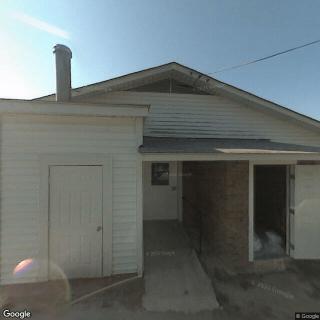






 8 Key Indicators That Suggest It May Be Time to Transition from Assisted Living to Skilled Nursing Care
 Vibrant Senior Living: A Comprehensive Guide for Active Older Adults
 When to Transition from Assisted Living to Memory Care: Key Indicators, Steps, and Finding the Right Community