
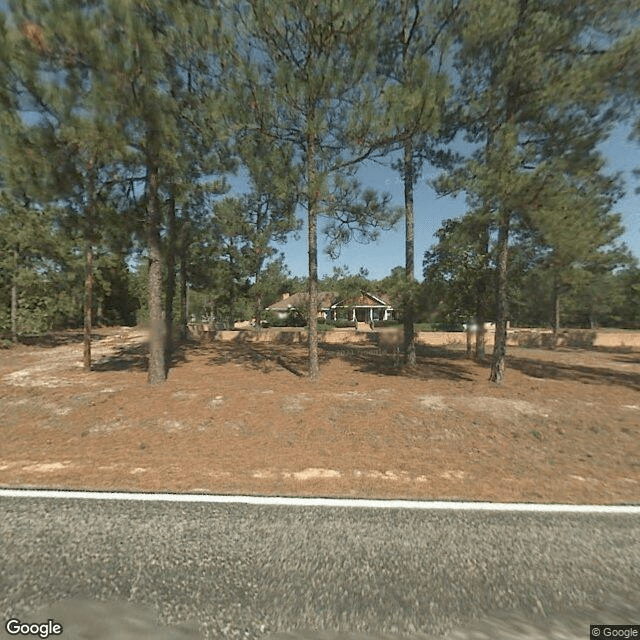
308 Humphries Road, Ridgeway, SC 29130
For more information about senior living options: (866) 208-4318
J C Laraes Southwinds Assisted Living Community Costs & Pricing
At J C Laraes Southwinds Assisted Living Community, the monthly cost for a private room is $2,795, which presents a compelling option compared to averages in Richland County and the broader South Carolina region. Specifically, residents can save significantly, as the average monthly rate in Richland County stands at $4,978 and the state's average is approximately $4,246. This notable difference underscores the value of choosing Southwinds for those seeking quality care without the burden of excessive costs while still benefiting from an enriching living environment tailored to individual needs.
| Floor plans | J C Laraes Southwinds Assisted Living Community | Richland County | South Carolina |
|---|---|---|---|
| Private | $2,795 | $4,978 | $4,246 |
Assisted Living communities with a similar price nearby
-
from -$495 / mo
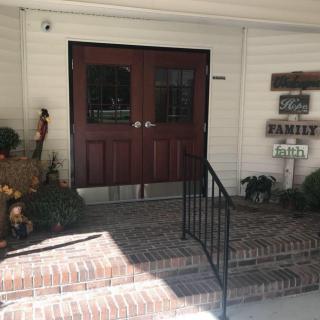
Pinedale Residential Center
$2,300 to $3,100 / month14.6 miles away -
from +$290 / mo
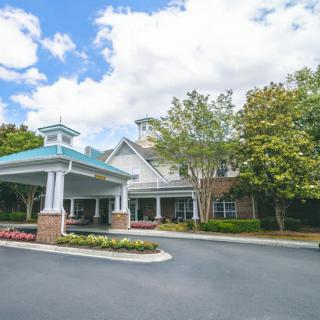
Wildewood Downs Retirement Community
$3,085 to $5,890 / month14.8 miles away -
from -$400 / mo
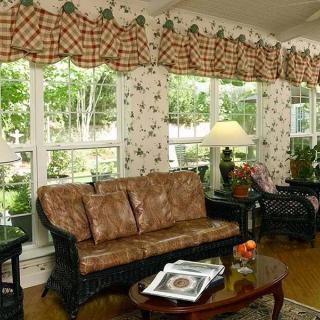
Atria Forest Lake
$2,395 to $3,895 / month21.1 miles away -
from -$385 / mo
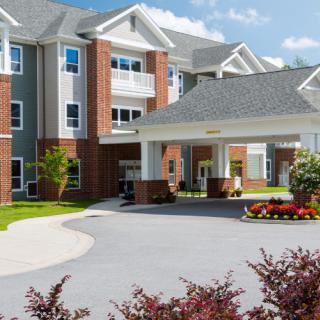
Harmony at Columbia
$2,410 to $4,095 / month12.7 miles away -
from -$200 / mo
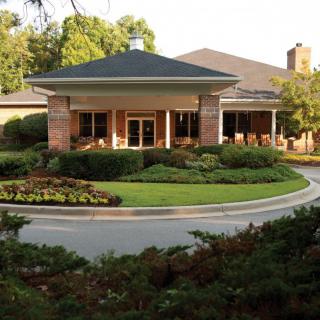
Fairforest Grove Senior Living
$2,595 to $2,995 / month24.7 miles away
Overall Review of J C Laraes Southwinds Assisted Living Community
Pros
 The quality of care at Southwinds is evident, and residents are well cared for.
- It is a small, family-owned facility that feels home-like and caring.
- Each resident has their own room, and the food is very good with country-style cooking.
- The mother is very happy in this place.
- The facility has a family atmosphere, and visitors report no complaints.
- The level of care is excellent, making it an excellent option for loved ones who need care.
Cons
 They just got shut down for firing the entire staff and abandoning 5 residents inside.
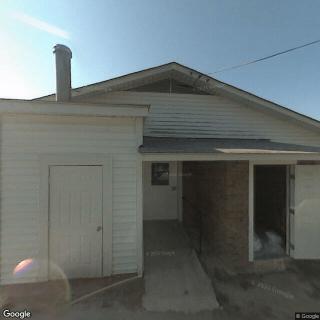
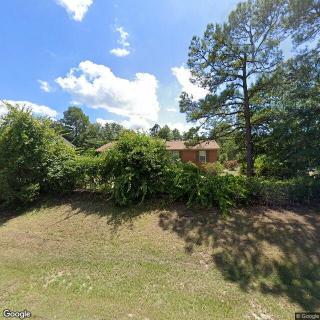
- The facility's exterior may leave a little bit to be desired.
- There was a lot of clutter in the room.
- He did not think it was safe for an elderly person.
Review
Southwinds Assisted Living Community in Ridgeway, SC is best suited for families seeking a small, home-like setting where residents receive intimate, relationship-focused care. It works well for seniors who value a warm, family-owned atmosphere, private rooms, and home-style meals over a polished, clinical feel. In this environment, staff tends to know residents well, and family involvement is a natural, welcomed part of daily life. The strongest selling points are the personal touch, perceived compassion, and the sense that caregivers treat residents with special attention. This advantage, however, comes with trade-offs in programming breadth and the sense that the facility’s exterior and layout may feel dated.
Those who may want to consider alternatives include families prioritizing robust activity calendars, stronger clinical oversight, or a more modern facility. If stability in staffing and a scalable model for memory care are essential, a larger operator with steadier staffing may be preferable. The converted-house layout and limited activities should be viewed with care, as some reviewers noted clutter or safety concerns in room design. For seniors who require frequent, structured programming or ready access to specialized medical staff, this setting may fall short of expectations.
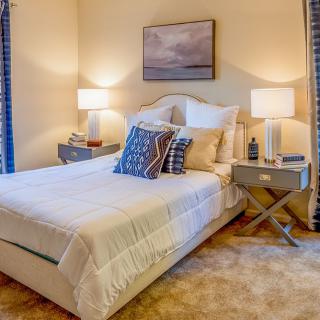
On the upside, the intimate, family-owned model translates into tangible benefits: private rooms, a welcoming, home-like vibe, and meals described as country-style that residents clearly enjoy. Several families report excellent care and genuine affection from caregivers who treat loved ones like family. The small scale fosters quick responsiveness to individual needs and creates a comfort level that can ease daily living challenges. Yet the trade-off is visible in the limited activity options and slower pace of programming, which may leave more active seniors seeking engagement unfulfilled. For residents who thrive on consistent, personalized attention and a predictable routine, these positives can outweigh the drawbacks.
Still, the governance-related red flag raised by one report cannot be ignored. Allegations that the facility was shut down after firing the entire staff and abandoning residents implicate serious questions about stability, crisis management, and regulatory compliance. Even if not fully verified, such a claim highlights potential vulnerabilities in staffing continuity and operational oversight. Beyond that extreme claim, the combination of a small footprint and a converted home suggests susceptibility to staffing swings and occasional safety or space-related concerns. Exterior aesthetics and the potential for clutter further reinforce the cautions that must be weighed against the commendable care culture described by others.
Practical due diligence is essential before committing. Prospective families should visit at multiple times, speak with several staff members, and request current calendars for activities and meal planning. Inspect actual rooms, evaluate safety features, and ask about fire safety and accessibility. Inquire about staffing ratios, 24/7 nursing oversight, and contingency plans for shortages or emergencies. Verify current licensure and inspection reports with the state and request recent regulatory compliance information. For memory care needs, probe available dementia support and how transitions are managed when care requirements escalate. The right family will find here the warmth and personal connection that can make aging feel more like home, provided governance stability and safety considerations are thoroughly vetted.
Overall, Southwinds offers a compelling blend of warmth, privacy, and individualized attention that can be ideal for a senior prioritizing a home-like atmosphere over amenities. It is not the right fit for those who insist on abundant activities, robust clinical support, or guaranteed governance stability. The best decision hinges on aligning the senior’s daily living preferences and safety needs with the community’s strengths, while staying vigilant about staffing continuity and current regulatory status. With careful due diligence, this small, heartfelt setting can deliver meaningful quality of life for residents who fit its intimate, caregiving-focused profile.
 5 resident community capacity
 Assisted Living
 Board and Care Home
 Activities off-site
 Beautician on-site
 Cable or satellite TV
 Dining room
 Fully furnished
 Garden
 Housekeeping services
 Indoor common areas
 Move-in coordination
 Outdoor common areas
 Private
 Swimming pool / hot tub
 Telephone
 Wi-Fi/high-speed internet available
 24-hour supervision
 Ambulatory care
 Assistance with bathing
 Assistance with dressing
 Assistance with transfers
 Diabetes diet
 Meal preparation and service
 Medication management
 Special dietary restrictions
 Transportation arrangement (medical)
 Transportation to doctors appointments
 English
 Comprehensive Insights into Activities of Daily Living (ADLs) and Their Assessment
 Medicare Coverage for Assisted Living: An In-Depth Exploration
 Choosing the Right Senior Care: A Detailed Exploration of Assisted Living and Nursing Homes