
425 South Wheeler Avenue, Prosperity, SC 29127
For more information about senior living options: (866) 208-4318
Palmetto Gardens Costs & Pricing
Palmetto Gardens offers competitively priced accommodations, particularly when compared to both Saluda County and the broader South Carolina market. For a semi-private room, residents will find a monthly cost of $1,700, significantly lower than the $2,083 average in Saluda County and even more so than the state-wide average of $3,243. Similarly, the studio option at Palmetto Gardens is priced at $1,800 per month, which aligns with Saluda County's rate but remains substantially less than the state's average of $3,649. These pricing structures highlight Palmetto Gardens as an appealing choice for individuals seeking quality care without compromising their financial stability.
| Floor plans | Palmetto Gardens | Saluda County | South Carolina |
|---|---|---|---|
| Semi-Private | $1,700 | $2,083 | $3,243 |
| Studio | $1,800 | $1,800 | $3,649 |
Assisted Living communities with a similar price nearby
-
About the same
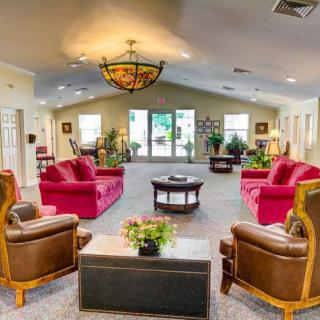
Carolina Gardens At Lexington
$1,720 to $4,358 / month23.9 miles away -
from -$150 / mo
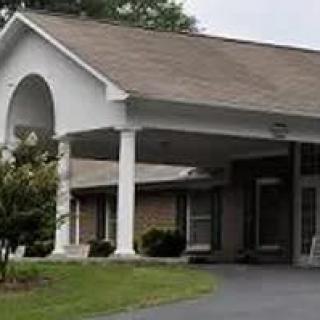
Generations of Batesburg
$1,550 to $2,000 / month21.3 miles away
Overall Review of Palmetto Gardens
Cons
 The facility is poorly run.
- Residents are allowed to walk to nearby businesses and roam in and out of the yard.
- Lights on the patio enable loud conversations outside at night.
- The place seems poorly monitored, with residents able to do whatever they want.
- A wheelchair-bound resident left the building after dark, fell in the driveway, and it took about 10 minutes of knocking and waking someone up to assist.
- The owner labeled that incident as an "escape" and claimed to have "locked him in his room earlier," which raises concerns about safety protocols.
- The marketing information does not reflect the real conditions families should know about.
Review
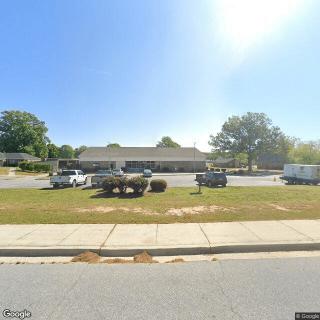
Palmetto Gardens in Prosperity, SC is best suited for families seeking a small, informal setting where residents enjoy real independence and easy access to the surrounding town. This community likely appeals to seniors who want to walk to nearby shops, sit in a yard or patio, and socialize in a loose, non-restrictive atmosphere. It works for families that are comfortable taking an active role in oversight and safety, rather than relying solely on highly structured, highly supervised care. In short, it’s a fit for those who value autonomy and a casual, home-like rhythm over a tightly managed program.
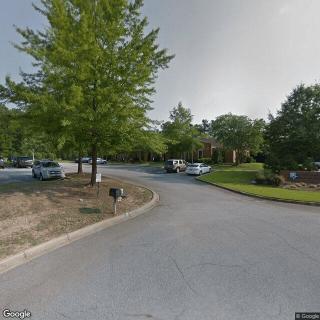
The strongest caution comes from accounts of lax monitoring and open-campus dynamics. The most troubling observations describe residents allowed to wander to nearby businesses, roam in and out of the yard, and stay out well into the night with minimal immediate supervision. In one incident, a wheelchair-bound resident reportedly left the building after dark, fell in the driveway, and required assistance to return, an event that unfolded over ten minutes of knocking on doors before anyone could intervene. The owner reportedly labeled the situation as an “escape” and claimed the resident had been “locked in” earlier, signaling a troubling disconnect between safety expectations and on-the-ground controls. These details point to real gaps in safety protocols and responsiveness.
Pros, when weighed against these concerns, hinge on independence and social access. The ability for residents to walk to nearby businesses and enjoy outdoor seating without the burden of rigid scheduling can be a meaningful daily benefit for ambulatory, cognition-sound seniors who do not require round-the-clock prompting. For families who are prepared to supplement on-site care with vigilant oversight from loved ones or caregivers, the open environment can translate into a livelier, more connected living experience. The risk-to-benefit balance shifts dramatically based on the resident’s mobility, cognitive status, and the family’s capacity to monitor and intervene as needed.
Those considering alternatives should be mindful of the profiles that seem most vulnerable here. Residents who rely on consistent supervision, have significant mobility limitations, or live with memory impairment may not be effectively supported by a setting with reported lapses in door and yard security. If a person requires frequent reminders, alarms, or locked-access routines to prevent wandering, Palmetto Gardens is unlikely to deliver the dependable safety net that families expect from an assisted-living arrangement. For such residents, communities with perimeter controls, dedicated wandering-management, and transparent incident reporting will typically provide greater peace of mind.
Before deciding, undertake a thorough due-diligence process. Ask pointed questions about staff coverage at night, staff-to-resident ratios, and how often security checks occur. Inquire about entry and exit controls, alarm systems, and the availability of wandering protocols. Request recent safety incident logs and any corrective actions implemented in response. Tour at different times, including evening hours, and speak with current residents and their families about daily routines, supervision, and responsiveness. Review state licensing records and third-party inspection reports, and read a range of reviews to detect consistency or patterns in safety, care quality, and communication with families.
Ultimately, the decision hinges on risk tolerance and care priorities. Palmetto Gardens presents a clear choice: a casual, independent-minded environment with genuine social access, balanced against notable safety concerns and a penchant for looser supervision. For families prioritizing a secure, highly structured setting with proactive risk management, alternatives that emphasize controlled access, robust monitoring, and stronger crisis responsiveness are advisable. For those who can couple active family oversight with an appetite for a less regimented lifestyle, it may be worth a careful, hands-on trial, but only after confirming that safety protocols are tightened to the level required.
 30 resident community capacity
 Assisted Living
 Activities off-site
 Beauty salon
 Cable or satellite TV
 Devotional services on-site
 Dining room
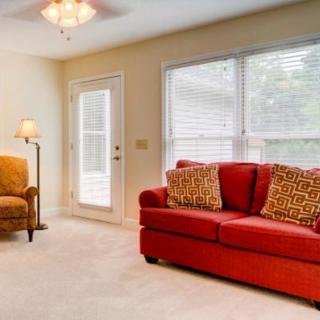
 Fully furnished
 Garden
 Housekeeping services
 Indoor common areas
 Kitchenette
 Move-in coordination
 Outdoor common areas
 Restaurant-style dining
 Small library
 Telephone
 Wi-Fi/high-speed internet available
 24-hour call system
 Ambulatory care
 Assistance with bathing
 Assistance with dressing
 Assistance with transfers
 Diabetes diet
 Medication management
 Mental wellness program
 Special dietary restrictions
 Comprehensive care options (assisted living, memory care, CCRC) with 24/7 supervision and personalized services.


 Understanding the True Cost of Assisted Living in 2025: A Comprehensive Guide
 Understanding Medicaid Coverage for Assisted Living: A Comprehensive Guide
 How and When Medicaid May Cover Assisted Living Costs