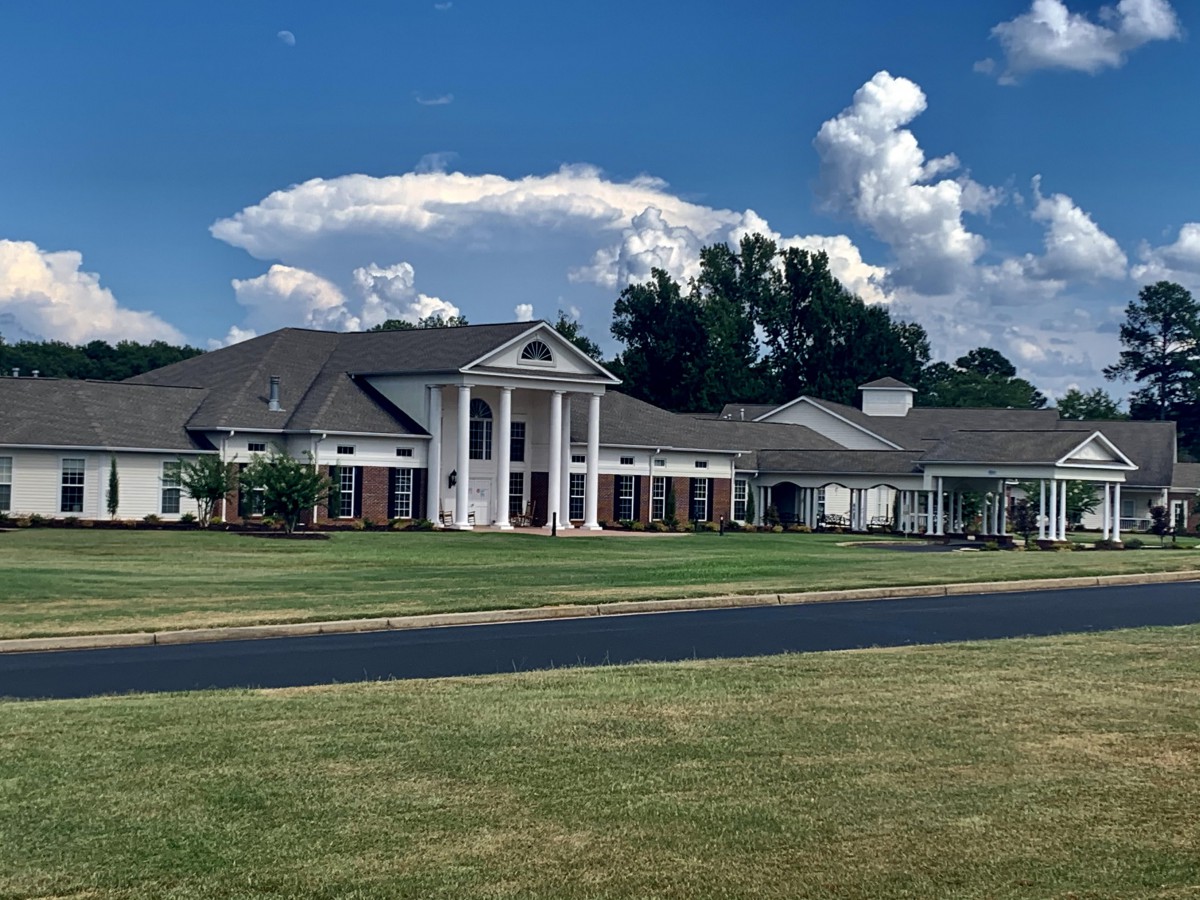
431 East Boundary Street, Chapin, SC 29036
For more information about senior living options: (866) 208-4318
Generations Of Chapin Costs & Pricing
Generations Of Chapin offers competitive pricing for its accommodations, positioning itself as an appealing option within both Richland County and the broader landscape of South Carolina. For a semi-private room, residents can expect to pay $3,000 per month, notably lower than the county average of $3,443 and the state average of $3,243. The one-bedroom option is priced at $3,200, which is also more affordable compared to Richland's average of $3,477 and South Carolina's higher figure of $3,806. However, the two-bedroom suites are listed at $5,600 per month - significantly above both the county rate of $4,475 and the state average of $4,337. Overall, while Generations Of Chapin provides favorable rates for individual rooms compared to its peers in the area, it presents a premium cost for larger living spaces.
| Floor plans | Generations Of Chapin | Richland County | South Carolina |
|---|---|---|---|
| Semi-Private | $3,000 | $3,443 | $3,243 |
| 1 Bedroom | $3,200 | $3,477 | $3,806 |
| 2 Bedrooms | $5,600 | $4,475 | $4,337 |
Overall Review of Generations Of Chapin
Pros
 The administrators and med techs went above and beyond to ensure he was happy and well cared for.
- The med techs who cared for him daily were wonderful and caring.
- The entire staff showed compassion to him and to the family.
- The staff is excellent.
- The staff were wonderful, kind, and loving to residents.
- Residents receive loving and consistent care.
- The administrator is caring and responsive.
- Caregivers and admin staff have been really great, keeping families well informed.
- Generations of Chapin offers an open, country-style atmosphere that feels like home.
Cons
 The facility is accused of abusing the elderly and lacking adequate surveillance after incidents.
- The administration is described as family-owned with zero education, respect, or honesty, caring only about money.
- The building is dirty, worn down, and in need of major renovations.
- There are numerous DHEC violations claimed at the site.
- The management team is described as horrendous.
- Unlicensed non-professionals are allowed to handle narcotics due to lack of thorough background checks.
- Front-door security is lax; the door is often unlocked.
- Office staffing is sparse, making it hard to contact staff.
- A nursing assistant allegedly stole pain medications and was not fired, raising safety concerns.
Review
Generations Of Chapin is best suited for families seeking a warm, neighborhood-style assisted living option close to home where staff relationships and a home-like atmosphere take priority over glossy, institutional features. This community works well for residents who appreciate a steady, personable caregiving team and a calendar full of social activities, church services, and casual gathering spaces. It is especially appealing to families who value proximity (short drives for visits) and a cost structure that delivers decent value for the level of daily care and engagement offered. In short, it fits households that want genuine warmth, visible caregiver attention, and a sense of familiarity more than a polished, high-end campus experience.
For those weighing alternatives, this community may not be ideal for residents with substantial safety or security needs, or for families who demand rigorous administrative oversight. The most frequent caveats involve management visibility and responsiveness, and several reviews flag concerns about front-door security and the ease of reaching administrators or office staff. Prospective movers should also consider whether a larger, more modern campus with tighter security, a broader menu of medical services, or a higher staff-to-resident ratio is a better match for ongoing medical complexity or a desire for less reliance on word-of-mouth assurances about daily care.
The strongest positive in these experiences is the caregiving heart of the operation. Administrators and med-tech staff are repeatedly described as compassionate, attentive, and willing to go the extra mile to keep residents happy and comfortable. Families consistently praise the level of personal attention, staff who answer questions, calm worries, and provide stable, consistent routines. The community’s “family atmosphere” comes through in several narratives, along with reliability in care for long-tenured residents. When care needs are clear and the family wants reassurance that a loved one is treated with dignity, this is a place that often delivers.
Yet the best-feeling care comes with notable caveats. Multiple reviewers report difficulty contacting the right person in the office and uneven day-to-day visibility of caregivers, which can translate to slower responses during urgent questions or scheduling. There are concerns raised about security measures at the entrance, and about the overall upkeep and modernization of the physical plant. Some families also mention additional activity charges that can surprise, and a few pointed critiques about food quality and room space. A few reviews describe more troubling issues, allegations of elder mistreatment and serious management shortcomings, that, depending on their credibility and current state, can undermine trust in the operation’s governance.
Those factors matter most when balancing pros against cons. The core advantage, loving, attentive care that residents and families can rely on, can offset lesser security, modest facilities, or occasional administrative friction for families prioritizing day-to-day comfort and companionship. The value proposition remains appealing for budget-conscious households willing to trade some modernization and formal oversight for access to regular social programming, accessible staff, and the comfort of a familiar, home-like setting. For residents who need consistent human connection and a genuinely kind caregiving team, the positives frequently outweigh the pragmatic drawbacks.
Decision-makers should approach with a clear, practical checklist: verify current staffing levels and turnover, request to speak with several caregivers and the administrator about day-to-day operations, and review a resident’s care plan and incident history. Visit at different times to gauge responsiveness and the daily rhythm, and assess the security features in person, front desk presence, door controls, and how visitors are managed. It’s also wise to compare the facility’s activity calendar, meal quality, and room options with a couple of nearby alternatives that emphasize security, modern amenities, and a broader medical support network. For families prioritizing warmth, attentiveness, and an intimate feel, Generations Of Chapin remains a compelling option; for those prioritizing stringent governance, higher security, and more expansive facilities, alternatives deserve serious consideration.
 56 resident community capacity
 1-bedroom apartments
 Assisted Living
 Activities off-site
 Air-conditioning
 Beautician on-site
 Cable or satellite TV
 Computer center
 Devotional services off-site
 Dining room
 Fitness room
 Fully furnished
 Gaming room
 Garden
 Ground floor units
 Handicap accessible
 Housekeeping services
 Indoor common areas
 Kitchenette
 Laundry
 Move-in coordination
 Outdoor common areas
 Party space
 Private bathrooms
 Respite or short term stays offered
 Restaurant-style dining
 Small library
 Telephone
 Wellness center
 Wheelchair accessible showers
 Wi-Fi/high-speed internet available
 Columbia Metropolitan (20 miles away)
 Community operated transportation
 12-16 hour nursing
 24-hour call system
 Ambulatory care
 Assistance with bathing
 Assistance with dressing
 Assistance with transfers
 Diabetes diet
 Diabetic care
 Incontinence care
 Medication management
 Mental wellness program
 Special dietary restrictions
 Art classes
 BBQs or picnics
 Brain fitness
 Concierge services
 Day trips and outings
 Happy hour
 Karaoke
 Trivia games
 Wii bowling
 Wine tasting
 English




 8 Key Indicators That Suggest It May Be Time to Transition from Assisted Living to Skilled Nursing Care
 Vibrant Senior Living: A Comprehensive Guide for Active Older Adults
 When to Transition from Assisted Living to Memory Care: Key Indicators, Steps, and Finding the Right Community