

601 Mathis Ferry Road, Mount Pleasant, SC 29464
To contact a resident: (843) 884-8812
For more information about senior living options: (866) 208-4318
Mathis Ferry Plantation Costs & Pricing
Mathis Ferry Plantation offers competitive pricing for its accommodations compared to broader market averages in Charleston County and throughout South Carolina. For semi-private rooms, Mathis Ferry Plantation is priced at $2,766 per month, which is significantly lower than the county average of $3,539 and the state average of $3,243. Similarly, private rooms at Mathis Ferry are available for $3,319 monthly, undercutting both the Charleston County rate of $4,075 and South Carolina's average of $4,246. This positioning not only highlights the affordability of Mathis Ferry Plantation but also underscores its commitment to providing quality living arrangements that are accessible without compromising on care or comfort.
| Floor plans | Mathis Ferry Plantation | Charleston County | South Carolina |
|---|---|---|---|
| Semi-Private | $2,766 | $3,539 | $3,243 |
| Private | $3,319 | $4,075 | $4,246 |
Assisted Living communities with a similar price nearby
-
from -$466 / mo
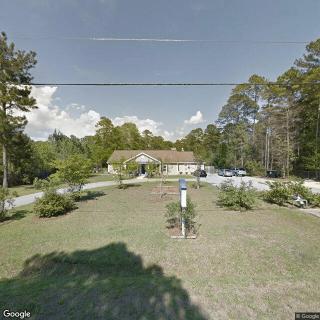
Dayspring Assisted Living
$2,300 to $3,300 / month19.9 miles away -
from -$466 / mo
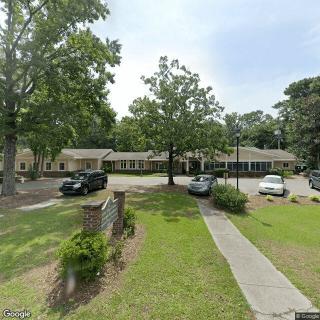
Carter-May Home
$2,300 to $3,650 / month6.9 miles away -
from +$334 / mo
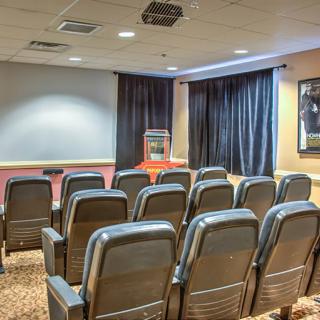
Sweetgrass Village
$3,100 to $4,400 / month0.0 miles away -
from +$484 / mo

The Claiborne at Brickyard Crossing
$3,250 to $5,750 / month22.4 miles away -
from +$219 / mo

Somerby Mount Pleasant
$2,985 to $4,050 / month7.4 miles away
Overall Review of Mathis Ferry Plantation
Pros
 The staff are friendly, caring and engaging, which most residents need when they are new and very elderly.
- The staff in the physical therapy department, affiliated with the center, came forward right away, did the necessary paperwork, and started the assessment as needed.
- They were very good at this.
- The facility would be recommended according to the needs that need to be met by the person living there.
Cons
 The facility left the family confused about the level of care and what was offered.
- When problems arose, there was no immediate intervention, and the family had to handle it themselves.
- The family lacked guidance on resources, indicating the facility did not clearly communicate available options.
Review
Mathis Ferry Plantation in Mount Pleasant, SC is best suited for seniors who prize a warm, resident-facing staff and readily accessible rehabilitation support. The community excels with newcomers who respond well to friendly, engaging caregivers and who benefit from a hands-on approach to daily living assistance. For very elderly residents or those transitioning from independent living, the atmosphere feels welcoming, and the care team is quick to connect on a personal level. The standout element is the rehabilitation pathway: a physical therapy staff that is affiliated with the center, demonstrates initiative, completes the paperwork efficiently, and promptly initiates assessments. In short, this is a good fit for families seeking a socially oriented setting with visible, responsive therapy support.
Those considering alternatives should note a critical caveat: the experience described reveals gaps in upfront care coordination. Families found themselves navigating questions about the level of care and the services offered, with a sense that a proactive staff member should have stepped in earlier to clarify expectations. That lack of immediate, decisive guidance can be unsettling for households facing complex needs or for those who expect a clearly defined care plan from day one. For residents whose requirements extend beyond friendly interaction and rehab readiness, such as tightly managed, explicit care levels, or robust, centralized care coordination, other communities may deliver more predictable onboarding and resource navigation.
The positive energy from the frontline staff and the strong rehabilitation emphasis partly offsets these onboarding gaps. Friendly, caring, and engaging caregivers help new residents acclimate quickly, reducing initial anxiety and promoting a smoother social integration. The physical therapy team emerges as a genuine asset, not only in its affiliation with the center but in its proactive approach to starting assessments and handling the administrative steps efficiently. This dynamic is meaningful: it can translate into faster mobility gains, clearer rehab goals, and a practical sense of progress that families can observe week to week.
Beyond rehab, the staff’s engagement contributes to daily life quality in tangible ways. Residents are likely to find companionship, meaningful interaction, and a sense of community through a team that appears genuinely invested in each person’s comfort and routine. The atmosphere supports those who thrive on regular human connection and structured activity, which can be a powerful stabilizer for aging loved ones who may feel overwhelmed by the idea of leaving a long-time home. Yet the strength in interpersonal warmth must be weighed against the need for formal care-management clarity, especially for families seeking explicit boundaries around medical services, medications, and escalation Protocols from the outset.
In weighing the pros and cons, Mathis Ferry Plantation presents a compelling case for families seeking a practical, rehab-minded living environment with approachable staff. The primary con, the lack of immediate, proactive clarity about care levels and resources, does not negate the facility’s strengths, but it does temper the overall confidence one can place in a completely hands-off onboarding. For families prepared to advocate for their loved one, the combination of friendly care teams and a robust PT program can deliver meaningful results: faster acclimation, better rehab engagement, and a daily life that feels both supportive and sociable. The question becomes a matter of preference for how care coordination is managed and who will drive those conversations.
For families evaluating Mathis Ferry Plantation, the recommended course of action is straightforward. Initiate a candid conversation about care boundaries and resource navigation early in the process, and request a dedicated care coordinator or liaison who can translate needs into a documented plan. Verify the scope and cadence of the physical therapy program, ensuring it aligns with current mobility goals. If the resident’s needs include specialized or intensive medical oversight, or if a highly structured onboarding with explicit service levels is essential, explore options with a more formal care-management framework. If comfort, companionship, and rehab momentum top the list, Mathis Ferry Plantation stands up well, provided there is proactive engagement from both family and facility to cement a clear path forward.
 Assisted Living
 Activities on-site
 Devotional services off-site
 Indoor common areas
 Charleston AFB International (11 miles away)
 Ambulatory care
 Diabetic care
 Meals provided





 When to Transition from Assisted Living to Memory Care: Key Indicators, Steps, and Finding the Right Community
 Assisted Living and Memory Care: Understanding Their Core Differences
 Beyond the Bingo Hall: 50+ Enriching Activities for Seniors in Assisted Living