
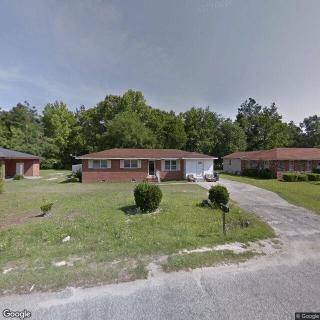
310 East Main Street Bld B, Kingstree, SC 29556
For more information about senior living options: (866) 208-4318
Overall Review of Royal Hill Community Residential Care Facility
Pros
 The staff here is super sweet and takes good care of my brother.
Cons
 The facility is described as not even deserving of one star and is viewed as mistreating residents.
- The reviewers claim staff let the grandmother suffer and refused doctor-prescribed pain relief.
- They warn others not to send loved ones there, saying they do not deserve mistreatment or suffering.
- The nurses are described as having nasty attitudes and lacking knowledge of how to do their jobs.
- There are allegations of abusive behavior toward patients and poor communication.
- The shed out back is suggested as a better option for end-of-life care.
- The place is labeled ghetto and very unprofessional.
- Calls to a relative are said to be transferred multiple times and then hung up on.
- The facility is described as filthy and unorganized, with lazy staff who pass the buck and steal patientsā€™ belongings.
Review
This community is best suited for families with modest care needs who can provide active, hands-on oversight and are shopping for a budget-conscious option in Kingstree. The strongest note across the feedback is a presence of staff who can be kind and attentive on a personal level, suggesting that residents may receive some basic daily support when supervision is consistent. This is not a facility built for high-acuity care or highly structured medical management, but for families willing to intervene and advocate regularly, there is a sliver of value in the human touch that caregiving staff can offer.
Those considering alternatives should recognize this is not the right setting for anyone who requires reliable, professional-grade nursing, memory-care support, or comprehensive end-of-life comfort measures. Families with loved ones who need consistent medication management, rapid response to pain, or strict safety protocols will likely encounter significant gaps here. If frequent family involvement is unlikely, or if the resident depends on well-coordinated care and a clean, well-organized environment, other options with stronger regulatory track records and clearer staffing patterns should be pursued.
The main pros, principally the perceived warmth and personal care from some staff, do not meaningfully offset the core risks exposed by multiple reviews. Positive interactions can ease day-to-day moments, yet they do not resolve ongoing concerns about safety, treatment continuity, and operational competence. In practical terms, the kindness of a few workers does not compensate for broad-system flaws that undermine reliable care, clear communication, and predictable response to urgent needs. For families evaluating long-term viability, warmth alone cannot substitute for consistent, professional standards.
The most troubling themes emerge around neglect, communication breakdown, and environmental quality. Reviewers describe experiences of inadequate pain management at end of life, resistance to doctor-prescribed comfort measures, and a pattern of poor responsiveness. Several accounts claim disorganization, staff hiding from duties, and a lack of coordinated care, with additional accusations that belongings are not safeguarded and that the facility is not properly maintained. These elements paint a disturbing picture of daily life that threatens dignity, safety, and trust, exactly the factors families weigh when choosing where a loved one will spend meaningful time.
From a decision-making standpoint, this facility demands stringent due diligence before commitment. If exploration continues, insist on seeing current care plans, medication administration protocols, and a transparent staffing schedule. Request a detailed tour focusing on cleanliness, emergency response practices, and the handling of personal belongings. Check recent regulatory inspections and any open citations, and speak with both administration and frontline staff to assess consistency of care and communication. Consider arranging unannounced visits to observe how the environment and staff interact with residents over a typical day.
Finally, practical steps for families: prioritize facilities with clear, written care plans and evidence of responsive, well-trained staff; bring a trusted advocate to visits to ask pointed questions about pain management, end-of-life comfort, and incident reporting; verify licensing status and recent inspection outcomes; and maintain a fallback plan to transition if red flags persist. If these criteria cannot be met, or if comfort, dignity, and reliability are not demonstrably safeguarded, the prudent conclusion is to pursue other options where resident safety and care continuity are non-negotiable priorities.
 5 resident community capacity
 Assisted Living
 Cable or satellite TV
 Dining room
 Fully furnished
 Garden
 Housekeeping services
 Move-in coordination
 Outdoor space
 Telephone
 Wi-Fi/high-speed internet available
 24-hour supervision
 Activities of daily living assistance
 Assistance with bathing
 Assistance with dressing
 Assistance with transfers
 Diabetes diet
 Meal preparation and service
 Medication management
 Special dietary restrictions
 Transportation arrangement (medical)
 Transportation to doctors appointments






 When to Transition from Assisted Living to Memory Care: Key Indicators, Steps, and Finding the Right Community
 Assisted Living and Memory Care: Understanding Their Core Differences
 Beyond the Bingo Hall: 50+ Enriching Activities for Seniors in Assisted Living