
1356 Bubzy Road, Kingstree, SC 29556
For more information about senior living options: (866) 208-4318
Overall Review of Good Samaritan Residential Care
Pros
 The staff are great.
- He enjoys the staff.
- They are always available to take messages for him, no matter the time.
- It is a very nice place.
Cons
 My brother has complaints.
Review
Good Samaritan Residential Care in Kingstree, South Carolina, is best suited for seniors who prize a small, homey atmosphere with consistently attentive staff. The community appears to reward families that want reliable, easy access to a caregiver team and a dependable communication channel for updates on a loved one’s day. In practical terms, this is the type of setting where caregivers know residents by name, respond quickly to messages at any hour, and create a sense of security through steady routines and visible warmth. For families balancing proximity, calm surroundings, and steady human contact, this facility is a strong match.
Those with more demanding medical needs, memory-care requirements, or expectations for a large campus with a broad menu of activities and clearly published pricing may want to explore other options. The reviews do not reveal extensive clinical programming, specialized dementia care, or the scale of staffing found in bigger facilities. If a resident requires frequent on-site nursing, complex medication management, or frequent physician visits, a family may wish to compare alternatives that spell out those services, schedules, and costs in detail. Similarly, families seeking expansive activity calendars or modern, resort-like amenities may find fewer choices here.
On the upside, the standout strength is the staff’s consistent presence and engagement. One resident’s family notes that the team is willing to take messages at any time and check in when the resident may be asleep, reflecting a culture of reliability and respect. The sentiment is reinforced by a long-tenured footprint, a family member has stayed there for nearly four years, suggesting that caregivers are stable, familiar with the routine, and invested in residents’ comfort. The environment comes across as friendly and approachable, with a focus on making residents feel seen and cared for rather than merely housed.
These positives begin to offset potential downsides because dependable staff reduce the friction families fear when moving a loved one into care. The ability to reach the facility at all hours, along with staff who actively relay messages and coordinate with families, creates a trust anchor that can ease transitions and ongoing worry. In a setting where detailed state-of-care metrics and programming aren’t fully spelled out in public reviews, the emotional assurance from consistent caregivers becomes a practical substitute for more ambitious amenities. For many families, that human-centered approach will be the deciding factor.
Nevertheless, the limited public detail on clinical oversight, care level distinctions, daily activity structures, and pricing means risk remains for those with higher expectations. The lack of explicit mentions of memory-care programming, on-site nursing staff, or transparent costs makes it essential to ask direct questions during visits and negotiate clear care plans. If a resident needs regular medical supervision, specialized therapies, or a budget with itemized charges, alternatives that publish these particulars up front may prove more suitable. In short, strong interpersonal care is the strength; where formalized clinical infrastructure is unclear, it is prudent to compare against options with clearer medical and financial specifications.
Bottom line: Good Samaritan Residential Care is a practical choice for families prioritizing reliable staffing, personal warmth, and steady communication in a compact Kingstree setting. For those comfortable with a smaller operation and who value the day-to-day human touch over expansive programs, this facility offers credible, steady care. Families that require robust medical oversight, dementia-specific programming, or clearly disclosed pricing should pursue other communities or demand detailed explanations before committing. The recommended path is a structured visit with targeted questions about staffing ratios, care levels, activities, and cost, ensuring the fit is right before making a final decision.
 9 resident community capacity
 Assisted Living
 Board and Care Home
 Activities on-site
 Cable or satellite TV
 Devotional services off-site
 Dining room
 Fully furnished
 Garden
 Housekeeping services
 Indoor common areas
 Move-in coordination
 Outdoor space
 Telephone
 Wi-Fi/high-speed internet available
 24-hour supervision
 Ambulatory care
 Assistance with bathing
 Assistance with dressing
 Assistance with transfers
 Diabetes diet
 Diabetic care
 Meal preparation and service
 Medication management
 Special dietary restrictions
 Transportation arrangement (medical)
 Transportation to doctors appointments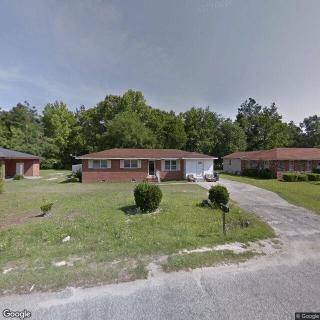





 Vibrant Senior Living: A Comprehensive Guide for Active Older Adults
 When to Transition from Assisted Living to Memory Care: Key Indicators, Steps, and Finding the Right Community
 Assisted Living and Memory Care: Understanding Their Core Differences