1340 Carolina Bay Boulevard, Hartsville, SC 29550
For more information about senior living options: (866) 208-4318
Overall Review of Retreat At Carolina Bay
Pros
 The mother received great care and love at the Retreat.
- The staff are friendly, caring, and work well as a team.
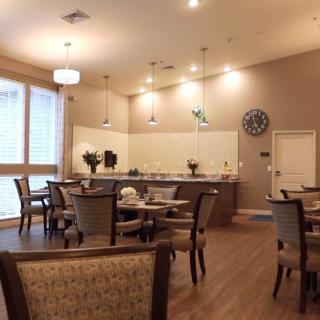
- The meals are great.
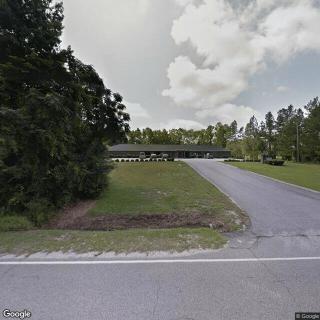
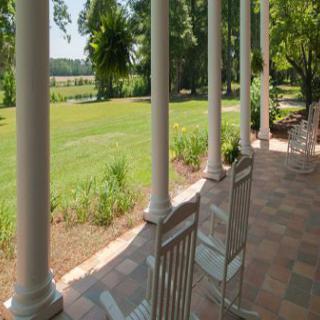
- The facility is neat and clean.
- The cost is reasonable given the level of service.
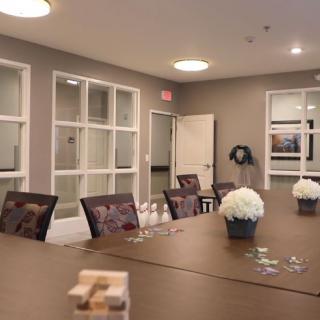
- Carolina Bay is a very nice place.
Review
This community is best suited for families seeking a warm, person-centered assisted living experience where daily life centers on compassionate care, tidy surroundings, and homelike meals. In Hartsville, Retreat at Carolina Bay presents as a small-scale option that emphasizes the human touch: staff who know residents by name, an atmosphere that feels neat and homey, and routines that keep daily life predictable and comfortable. It is particularly well matched to residents who value consistent companionship, respectful attention from a cohesive team, and a setting that prioritizes dignity as time progresses.
Those weighing alternatives should consider whether the resident warrants higher medical acuity or specialized programming. The reviews give no indication of robust on-site medical specialization, memory-care pathways, or 24/7 skilled nursing coverage. If a resident has complex clinical needs, frequent skilled-nursing supervision, or a mandate for more intensive clinical oversight, families may want to compare options with clearly delineated medical services and memory-support environments. In short, the Retreat shines for daily comfort and humane care, but may not be the first choice for residents who require advanced medical care beyond standard assisted living.
The strongest positive signals revolve around staffing and daily life. Neat, clean facilities paired with a team that appears to work cohesively translate into a dependable, respectful daily experience. Families repeatedly note great meals and a genuine sense that staff care deeply for residents, which in turn reduces family anxiety about safety and well-being. The moderate cost is another salient advantage; when the level of service is weighed against price, this community often proves to be a prudent choice for families seeking steady quality without the premium price tag that accompanies higher-acuity settings.
In balancing pros and potential gaps, the substantive strength is the relational climate: staff who collaborate, communicate, and treat residents with warmth, along with well-kept spaces and nourishing meals. These elements can offset the absence of flashy programming or expansive medical amenities by delivering reliable day-to-day quality and a reassuring, home-like atmosphere. Families can feel confident that a loved one will be welcomed, engaged, and cared for with consistent attention. On the flip side, the lack of explicit evidence about specialized clinical services means that any resident with significant medical or cognitive care needs should be carefully evaluated against competing communities that advertise comprehensive care plans and on-site nursing support.
Operationally, the Retreat’s value proposition rests on three pillars: care culture, environment, and cost. The care culture is consistently highlighted, staff seem to genuinely care, coordinate well as a team, and extend that care to residents during challenging times. The environment is clean and pleasant, contributing to a sense of safety and ease for families visiting or residents settling in. The cost, described as reasonable for the level of service, makes this option accessible without sacrificing important quality cues. Taken together, these factors create a compelling case for households prioritizing stability, warmth, and predictable routines over high-intensity medical amenities.
The practical takeaway for decision-makers is clear. Retreat at Carolina Bay is a solid, practical choice for residents who want dependable daily living with a heartfelt care team, comfortable surroundings, and reasonable pricing. It is especially appropriate for those who value relational care and don’t require extensive on-site medical or memory-care infrastructure. Families facing the next step in care planning should, however, explicitly assess medical needs, memory-support requirements, and contingency plans for escalation. If those needs are modest to moderate, this community stands out as a thoughtful, well-run option; if they are higher, it will be wise to explore alternatives that showcase stronger clinical programs and specialized care pathways.
 60 resident community capacity
 Assisted Living
 Memory Care
 Air-conditioning
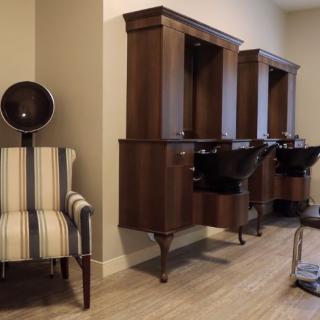
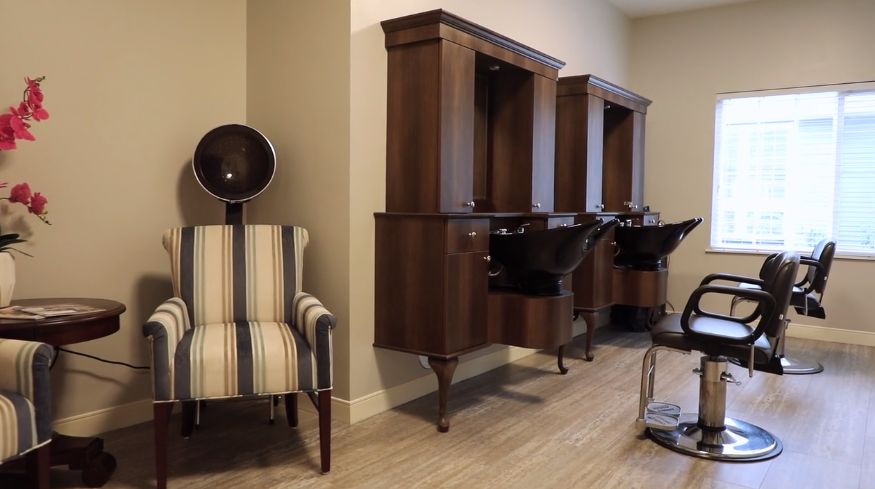
 Beauty salon
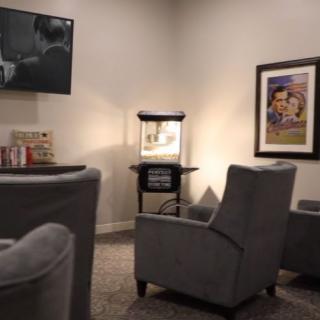
 Cable or satellite TV
 Computer center
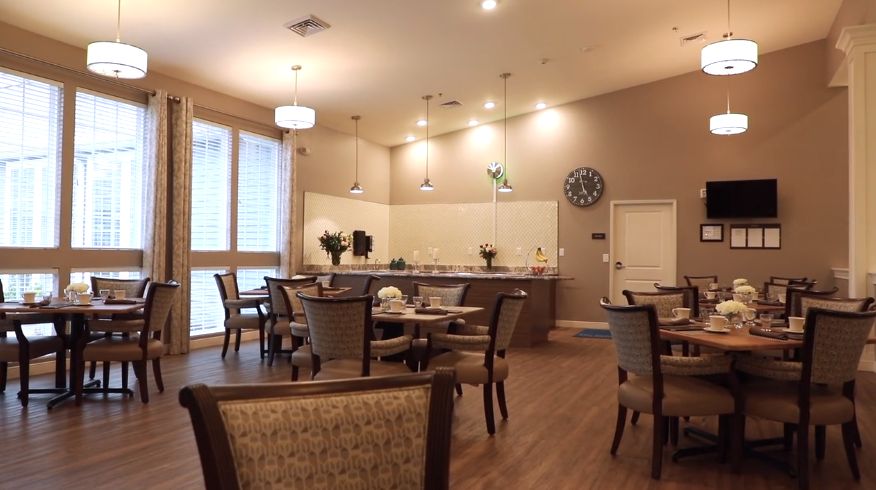
 Dining room
 Fitness room
 Fully furnished
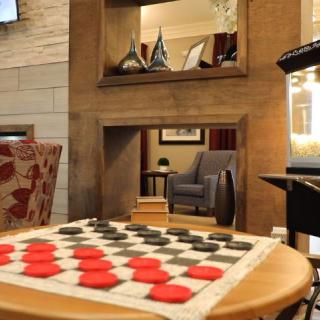
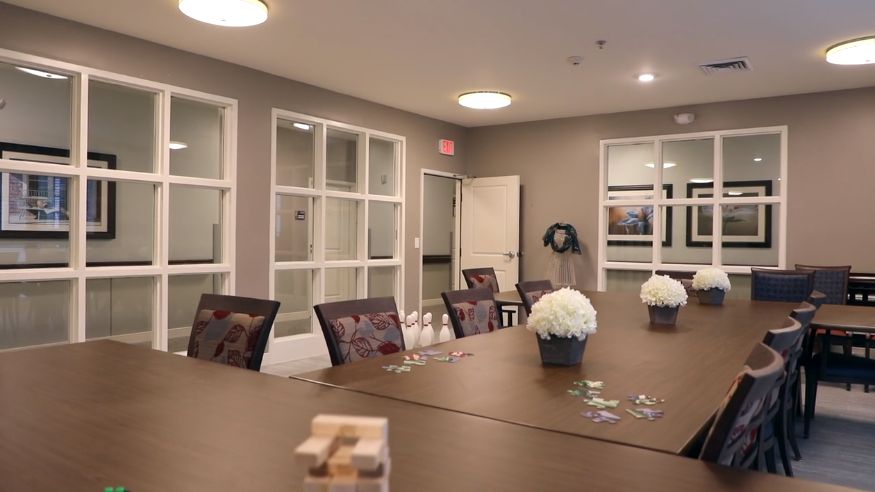
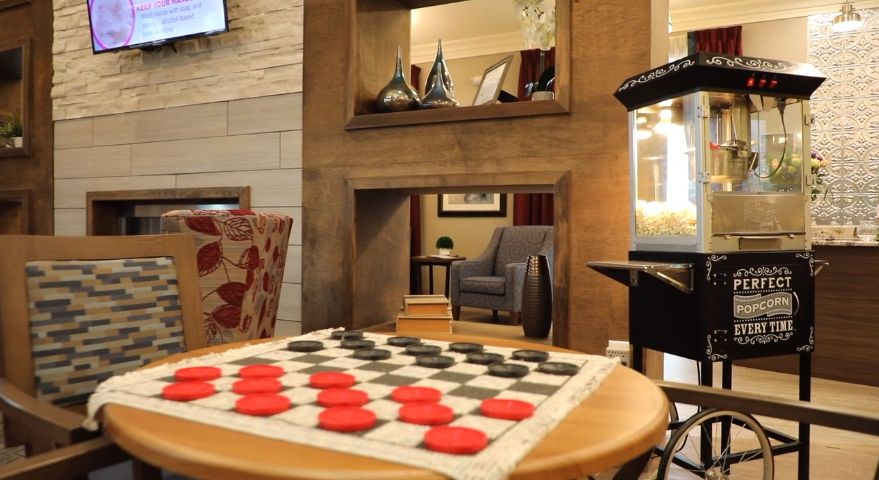
 Gaming room
 Garden
 Housekeeping services
 Kitchenette
 Move-in coordination
 Outdoor space
 Private bathrooms
 Restaurant-style dining
 Small library
 Telephone
 Wellness center
 Wi-Fi/high-speed internet available
 Florence Regional (25 miles away)
 Community operated transportation
 24-hour call system
 Activities of daily living assistance
 Assistance with bathing
 Assistance with dressing
 Assistance with transfers
 Diabetes diet
 Medication management
 Mental wellness program
 Special dietary restrictions
 Concierge services
 Planned day trips




 Why Do Dementia Patients Sleep So Much? Understanding Oversleeping, Stages, and Care Approaches
 8 Key Indicators That Suggest It May Be Time to Transition from Assisted Living to Skilled Nursing Care
 Nourishing the Mind: Essential Dietary Approaches for Dementia