

1131 E Home Ave, Hartsville, SC 29550
To contact a resident: (843) 383-6990
For more information about senior living options: (866) 208-4318
Carriage House Senior Lvg Costs & Pricing
Carriage House Senior Living offers a competitive pricing structure for its residents, with monthly costs for both studio and one-bedroom apartments set at $1,750. In stark contrast to the averages in Lee County and across South Carolina, where similar accommodations typically range from approximately $3,507 to $3,846 for a one-bedroom and studio respectively, Carriage House provides significant savings. This pricing not only positions it as an attractive option for those seeking senior living arrangements but also reflects a commitment to affordability without compromising on quality of care and community engagement.
| Floor plans | Carriage House Senior Lvg | Lee County | South Carolina |
|---|---|---|---|
| 1 Bedroom | $1,750 | $3,507 | $3,806 |
| Studio | $1,750 | $3,846 | $3,649 |
Assisted Living communities with a similar price nearby
-
from -$175 / mo
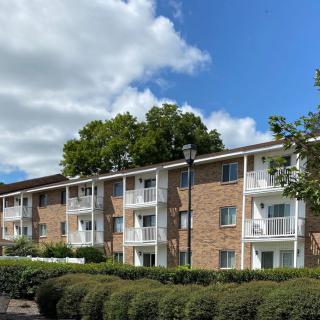
The Carolinian
$1,575 to $2,580 / month21.1 miles away -
About the same
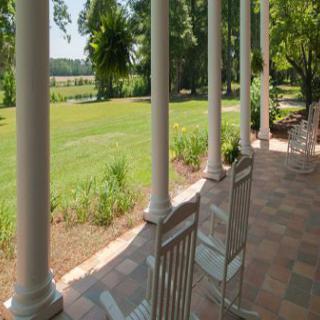
Bethea Retirement Community
$1,797 to $2,174 / month14.6 miles away -
from +$286 / mo

Florence Place
$2,036 to $2,888 / month22.7 miles away -
About the same
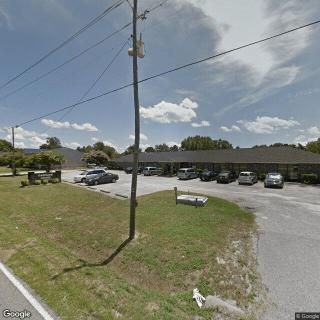
Carriage House Senior Lvg
$1,750 to $2,400 / month19.0 miles away
Overall Review of Carriage House Senior Lvg
Pros
 The resident reports excellent service and a pleasant environment.
Cons
 They claim it is not a place for a loved one.
- They report bed bugs and that the food is awful.
- They cannot wait to get their family member out.
- They say the directors are horrible.
- They note rooms are small and dark, with bathrooms shared between two rooms.
- They describe the place as run down and dingy.
- They state the facility is bed bug infested.
- They say the facility cannot pay its bills.
Review
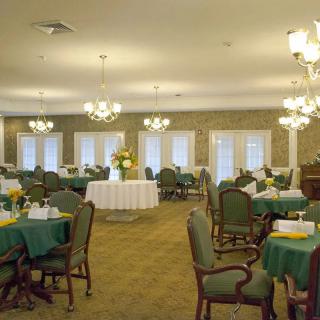
Carriage House Senior Living in Hartsville, SC is best suited for budget-conscious seniors who cannot or will not pay more for housing. The community operates on a lean model where the lowest possible monthly cost drives the experience, resulting in small rooms, limited light, and bathrooms shared between two rooms. For families scrambling to stretch dollars, the price point may feel like a lifeline, but it comes with clear trade-offs. Those who require privacy, modernized accommodations, or reliable, consistent daily life will find better options elsewhere. In this market, several nearby residences offer more contemporary amenities and firmer quality control, often with only modestly higher rates.
Those who should strongly consider alternatives are residents with significant mobility, sensory, or cognitive needs that demand private baths and robust support, as well as families who insist on steady leadership and dependable staffing. The reviews consistently flag operational fragility: pest issues, notably bed bugs, a facility that reads as dated or dingy, and a general sense that maintenance and upkeep lag behind expectations. Management turnover and questions about the home’s financial footing add further risk, making long-term placement uncertain. Even basic expectations around meals and service appear to go unmet in multiple accounts, elevating the risk of ongoing frustration for residents and their families.
On the surface, the main pro is affordability. The lower cost can be decisive for households with tight budgets, and there are at least a couple of voices suggesting attentive staff and a workable environment under pressure. Yet these positives are overwhelmed by the field-wide concerns. The affordability does not compensate for the recurring pest problems, the sense of aging infrastructure, or the lack of consistent leadership. Weighing the numbers, price buys time but does not buy reliability, and families should plan for close oversight and frequent check-ins to bridge the gaps in day-to-day management.
The cons dominate the lived experience here. Bed bug infestations are repeatedly cited, signaling severe pest-control lapses that threaten comfort and health. Food quality is described as inadequate by multiple residents, which matters for daily nutrition and mood, especially for seniors with specific dietary needs. Rooms are consistently described as small and dark, with shared bathrooms amplifying privacy concerns and hygiene challenges. The building’s overall impression is one of neglect and wear, which compounds safety worries and diminishes daily quality of life. Leadership instability, directors who don’t stay, and financial strain that undermines continuity, casts a shadow over the facility’s ability to respond promptly to problems. Taken together, these factors create a fragile environment where potential savings are offset by higher stress, disrupted routines, and unmet basic expectations.
Weighing options requires a disciplined approach. Prospective families should tour with a critical checklist focused on pest-control history, current maintenance responsiveness, and the condition of living spaces. Inquire about room configurations, privacy options, and the availability of private baths. Probe leadership stability: who is managing the home, what support exists for staff, and whether there is transparent financial oversight. Speak with current residents and families about meal quality, safety responsiveness, and how concerns are handled. If the scene feels unstable or if responses are slow, that is a red flag. Compare with nearby facilities that emphasize clean records, regular inspections, and clear billing practices. The objective is to determine whether the price difference truly reflects a safer, cleaner, and more dignified daily life.
Bottom line: for most seniors and their families, Carriage House Senior Living represents a high-risk, low-reward choice. The price advantage may be tempting, but persistent pest issues, poor dining experiences, cramped and dated living spaces, and questionable management stability erode the value proposition. Alternatives that offer stronger pest control, private accommodations, steadier leadership, and cleaner environments are worth pursuing, even at a modestly higher cost. If budget constraints are absolute and the family is prepared for vigilant oversight, it may be considered as a last resort with explicit expectations and a clear contingency plan. In decision-making, prioritize safety, cleanliness, and consistent service over the lure of the lowest rate.
 Assisted Living
 Activities off-site
 Bath tubs
 Beautician on-site
 Devotional services off-site
 Indoor common areas
 Outdoor common areas
 Wheelchair accessible showers
 Florence Regional (23 miles away)
 Ambulatory care
 Diabetic care
 Incontinence care
 Medication management
 Meals provided



 Vibrant Senior Living: A Comprehensive Guide for Active Older Adults
 When to Transition from Assisted Living to Memory Care: Key Indicators, Steps, and Finding the Right Community
 Assisted Living and Memory Care: Understanding Their Core Differences