

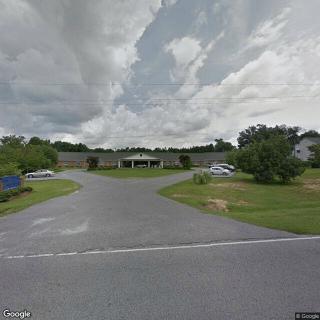
412 Pee Dee Church Rd, Dillon, SC 29536
To contact a resident: (843) 774-0623
For more information about senior living options: (866) 208-4318
Overall Review of Burgess Residential Care Facility #4
Pros
 positive third-person statements were found in the provided reviews.
Cons
 The facility is described as a horrible place where residents are served expired food.
- Mold is present on bread and cakes given to residents.
- They allegedly stretch one dozen eggs with powdered milk to feed 33 people.
- The owner is accused of washing raw expired chicken in a sink with bleach before cooking and serving it.
- Residents’ entire checks are reportedly taken, with only $30 a month given to them.
- The reviewers urge the board of health to shut down all of these facilities.
- The staff are accused of doping residents to control them and their finances.
- A father is described as having declined after staying there, not recognizing himself or family afterward.
Review
This community is best suited for families operating on an extremely tight budget who can accept a high level of family oversight and frequent, direct investigation of daily operations. In practice, Burgess Residential Care Facility #4 appears to perform best for residents whose needs are minimal and who can tolerate irregular supervision, irregular meal quality, and the risk-laden realities that have been raised by families. For anyone seeking steady medical oversight, consistent nutrition, transparent staffing, and reliable preventive care, this setting is not a good fit. The small, homey label cannot compensate for the weighty concerns documented by multiple reviewers.
Owners and operators should be aware that potential residents who require ongoing medical monitoring, medication management, or significant assistance with daily living will want to consider alternatives. Families with a loved one who is easily overwhelmed by changing health conditions, or who needs consistent feeding schedules, hygienic meal preparation, and clear financial accountability, would be wise to move toward facilities with stronger regulatory records and stronger resident-rights protections. If distance, staffing stability, and routine quality checks are non-negotiable, cast a wider net to facilities with verifiable inspections and demonstrable staffing efficacy.
On the surface, a small facility can offer a sense of personal attention and a more intimate environment. However, the strongest available positives do not meaningfully offset the most troubling realities surfaced in reviews. Reported issues, claimed food safety lapses, mold on food, questionable nutrition practices, and a pattern of severe, potentially dangerous food handling, cast a long shadow over any supposed advantage of a cozy, low-traffic setting. When concerns extend to how meals are prepared and served, the core promise of daily nourishment and basic safety is undermined, and that erosion cannot be ignored in decision-making.
The most salient cons focus on health and financial integrity. Allegations range from serving expired or degraded food to improvised feeding practices and improper sanitation, including disturbing claims about how items are stored and prepared. Additional, grave concerns center on the management of resident finances and the apparent withdrawal of substantial portions of monthly checks, leaving residents with minimal funds for necessities. A separate, equally critical issue is the reported deterioration of a resident’s cognition and functional abilities after placement, paired with accusations of aggressive or inappropriate medication practices. Taken together, these elements establish a pattern that dramatically elevates risk for residents and by extension their families.
These red flags do not simply offset any minor conveniences. Instead, they decisively outweigh potential upside in terms of cost or familiarity. When such fundamental protections as food safety, medication safety, and financial transparency are in question, the resulting risk-to-benefit calculus becomes unfavorable. The practical conclusion is that the price of admission is too high for the level of risk presented, particularly for seniors who cannot advocate for themselves or withstand sudden declines in health.
The clear recommendation is to pursue stronger options that provide verifiable safety and dignity. Families should screen facilities for documented, recent health inspections, clear meal plans, consistent staffing ratios, and transparent financial practices. It is prudent to schedule in-person visits, request a copy of menu cycles, observe mealtime operations, and speak with current residents or families about day-to-day care and response to concerns. If immediate red flags persist, especially around food safety, medication handling, or financial management, alternatives should be chosen with confidence. In short, Burgess Residential Care Facility #4 is not suitable for most seniors seeking reliable, safe, and transparent assisted living, and alternatives with stronger safeguards should be pursued without delay.
 Assisted Living
 Activities on-site
 Devotional services off-site
 Indoor common areas
 Ambulatory care
 Diabetic care
 Meals provided




 Social Security Benefits and Assisted Living: Navigating Options Across the U.S.
 An Extensive Exploration of the VA Aid and Attendance Benefit
 Senior Transition Services: Understanding Their Role, Cost, and Importance