Carolina Gardens at Conway offers competitive pricing for its residential options, making it an appealing choice for those seeking affordable senior living. For a semi-private room, residents will find the cost at $1,860 per month, significantly lower than the average rates of $3,512 in Horry County and $3,243 across South Carolina. Studio apartments are available for $3,000, which still maintains an edge over the local county average of $3,503 and the state average of $3,649. Furthermore, one-bedroom units are priced at $3,605 - again demonstrating affordability compared to Horry County's average of $3,964 and South Carolina's average of $3,806. Overall, Carolina Gardens at Conway presents a compelling value proposition in terms of monthly living expenses while ensuring quality care and comfortable accommodations.
Floor plans
Carolina Gardens at Conway
Horry County
South Carolina
Semi-Private
$1,860
$3,512
$3,243
Studio
$3,000
$3,503
$3,649
1 Bedroom
$3,605
$3,964
$3,806
Overall Review of Carolina Gardens at Conway
common
Caregivers are described as compassionate
Residents and families consistently describe staff as compassionate and caring.
Across reviews, families describe staff members as kind, compassionate, and attentive, with many saying they treat residents like family. Several note that communication is reassuring and that questions or concerns get answered promptly. A few reviews also specifically mention help with medication management and day-to-day support.
common
Cleanliness and odor receive praise
Cleanliness is a frequent bright spot in residents’ and visitors’ comments.
Multiple reviews say the community is clean, including common areas and residents’ rooms. Several comment on the lack of unpleasant odors as a sign that upkeep is taken seriously. One negative review cites serious cleanliness concerns, including mold, which is the main outlier in the overall feedback.
common
Activities help residents stay engaged
Scheduled activities and outings are a common reason families feel confident.
Reviews frequently describe resident engagement through activities such as bingo, arts and crafts, and day-to-day programming. Some families mention shopping outings, church involvement, and the community keeping residents active and social. A few reviewers criticize activity variety or frequency, but most comments frame activities as a consistent part of daily life.
differentiator
Memory care caregivers feel like support
Families specifically seeking memory care describe supportive caregivers and a dedicated neighborhood.
Several reviews mention memory care for a loved one and describe caregivers as helpful with daily needs. Families also highlight comfort and relief from knowing their loved one is being cared for, including support around activities and routine. The community offers memory care as a care type, and residents describe it as a fit for dementia-related needs.
caveat
Pricing is a standout concern
Some reviews question value for the price charged.
While many families mention affordability or a good fit, at least one review calls the pricing “overpriced” and links that concern to perceived care issues. The community is positioned across multiple unit types, and the published price ranges sit well below county and state benchmarks for the listed comparisons. Still, reviews show that satisfaction can vary based on individual experiences.
How we summarize
We summarize when many written reviews mention each theme; a review can touch several themes, and only frequently mentioned themes are displayed.
Features
Housing
100 resident community capacity
1-bedroom apartments
2-bedroom apartments
Studio apartments
Types of Care
Assisted Living
Independent Living
Memory Care
Pets
Cats allowed
Dogs allowed
Amenities
Activities off-site
Activities on-site
Air-conditioning
Beautician on-site
Beauty salon
Cable or satellite TV
Computer center
Devotional services off-site
Devotional services on-site
Dining room
Fitness room
Fully furnished
Gaming room
Garden
Ground floor units
Housekeeping services
Indoor common areas
Kitchenette
Laundry
Move-in coordination
Outdoor common areas
Outdoor space
Private bathrooms
Respite or short term stays offered
Restaurant-style dining
Small library
Telephone
Wellness center
Wheelchair accessible showers
Wi-Fi/high-speed internet available
Transportation
Myrtle Beach International (15 miles away)
Community operated transportation
Transportation arrangement
Transportation arrangement (non-medical)
Transportation to doctors appointments
Care Services
12-16 hour nursing
24-hour call system
24-hour supervision
Activities of daily living assistance
Assistance with bathing
Assistance with dressing
Assistance with transfers
Diabetes diet
Diabetic care
High acuity care
Incontinence care
Meal preparation and service
Medication management
Mental wellness program
Physical therapy
Special dietary restrictions
Walking wheelchair assistance
Dining
Anytime dining
Diabetes diet
Gluten-free
Guest meals
Kosher
Low / no sodium
Meals provided
No Sugar
Organic
Restaurant style dining
Special dietary restrictions
Special dining programs
Vegan
Vegetarian
Activities
Activities off-site
Art classes
Catholic services
Community-sponsored activities
Concierge services
Devotional activities offsite
Devotional activities on-site
Educational speakers / life long learning
Fitness programs
Jewish services
Mormon/LDS services
Other religious services
Planned day trips
Protestant services
Religious services
Resident-run activities
Scheduled daily activities
Visiting Rabbi
Visiting chaplain or priest
Languages Spoken
English
Nearby Places of Interest
This area of Conway, South Carolina offers a variety of amenities and services that may be beneficial for seniors looking to relocate. There are several dining options nearby, including Taco Bell, Applebee's, and McAlister's Deli, providing convenient options for meals. Additionally, there are multiple hospitals and pharmacies in close proximity, such as Conway Medical Center and Walgreens, ensuring accessible healthcare services. Various physicians' offices are also located nearby, offering medical care within a short distance. For leisure activities, there is The Park within a few miles for outdoor enjoyment. Places of worship are plentiful in the area as well, catering to various religious affiliations. Overall, this part of Conway provides a supportive community with essential resources for seniors considering senior living options.
Carolina Gardens at Conway offers competitive pricing for its residential options, making it an appealing choice for those seeking affordable senior living. For a semi-private room, residents will find the cost at $1,860 per month, significantly lower than the average rates of $3,512 in Horry County and $3,243 across South Carolina. Studio apartments are available for $3,000, which still maintains an edge over the local county average of $3,503 and the state average of $3,649. Furthermore, one-bedroom units are priced at $3,605 - again demonstrating affordability compared to Horry County's average of $3,964 and South Carolina's average of $3,806. Overall, Carolina Gardens at Conway presents a compelling value proposition in terms of monthly living expenses while ensuring quality care and comfortable accommodations.
Carolina Gardens at Conway offers a range of features designed to support residents with memory care needs, enhancing their quality of life and promoting safety. The 24-hour supervision ensures that residents are continually monitored, which is crucial for those experiencing confusion or disorientation. Assistance with activities of daily living, such as bathing, dressing, and transfers, helps maintain dignity while ensuring physical safety and comfort. Incontinence care provides both practical help and emotional reassurance, alleviating stress related to personal hygiene. Nutritional needs are met through meal preparation and service tailored to individual preferences, fostering a sense of normalcy. Medication management is critical for maintaining health stability among residents who may struggle with adherence due to cognitive impairments. Additionally, the mental wellness program engages residents in meaningful activities that stimulate cognitive function and emotional health, while physical therapy supports mobility and overall physical well-being, contributing to an environment conducive to managing dementia or Alzheimer's disease effectively.
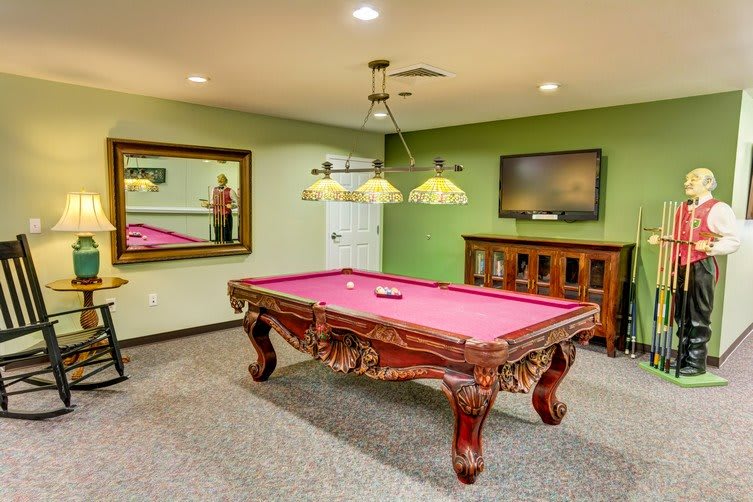
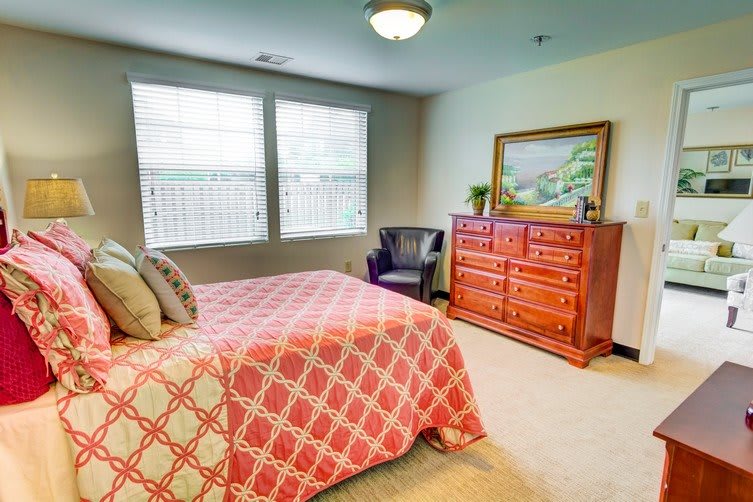
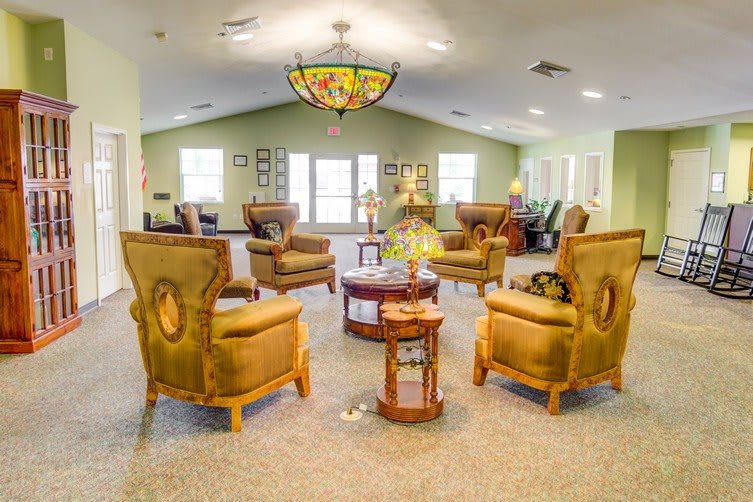
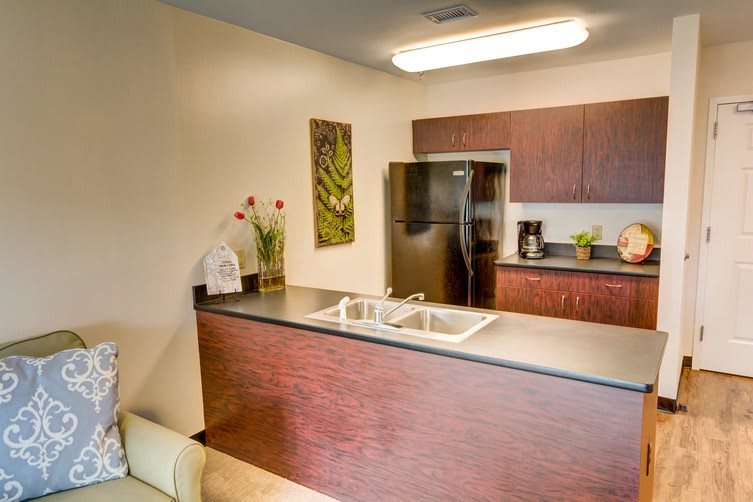
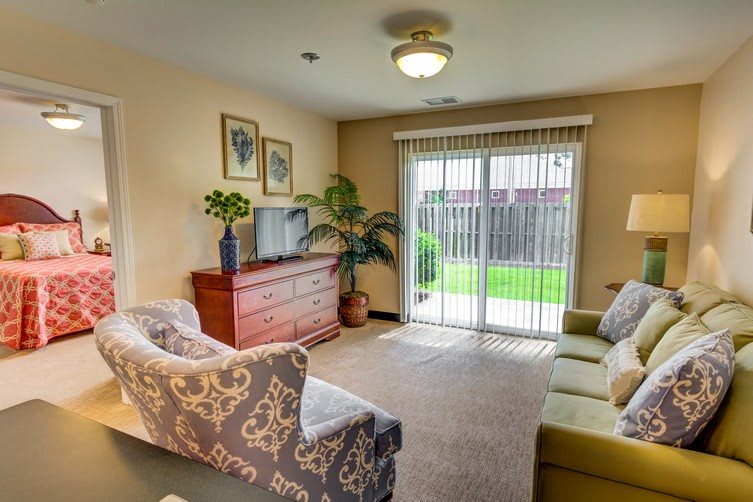
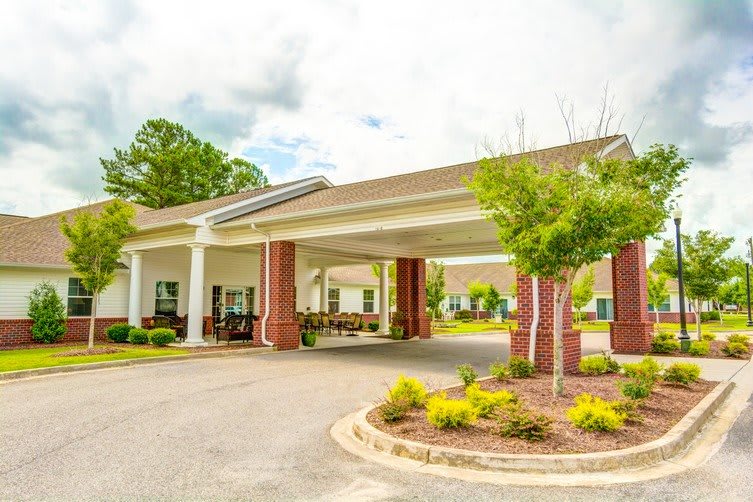
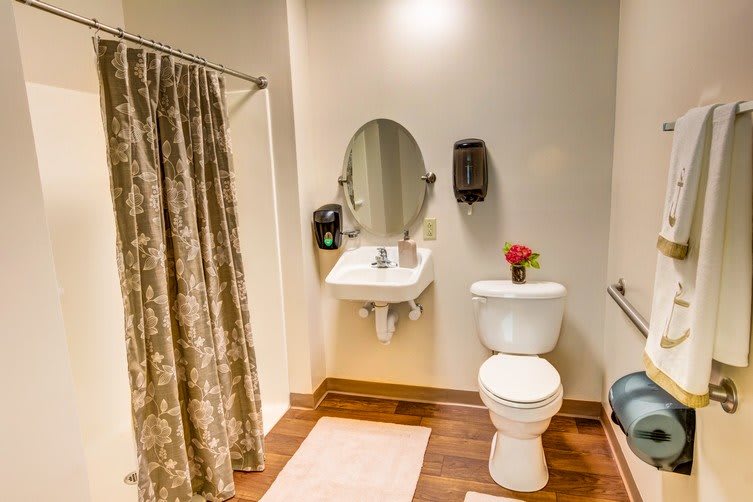
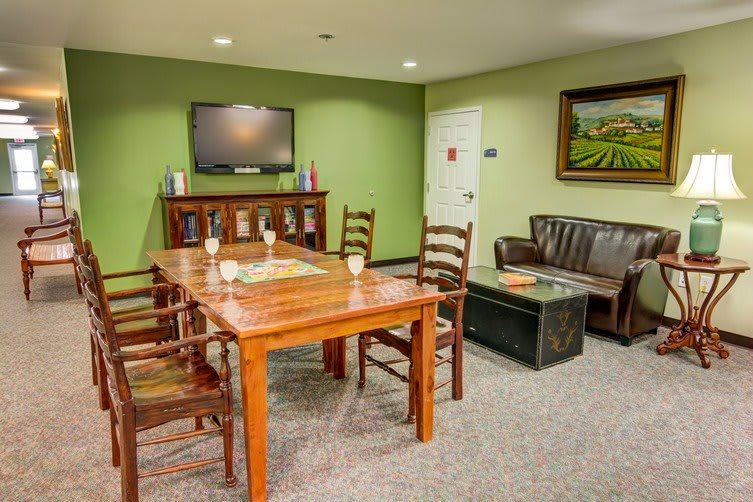
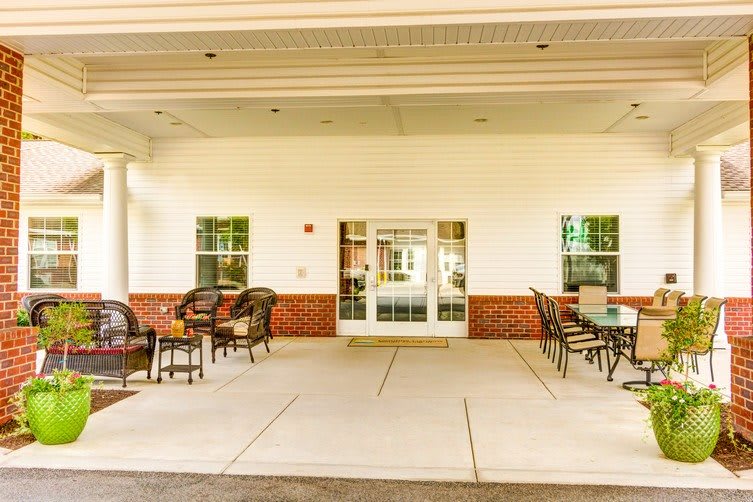
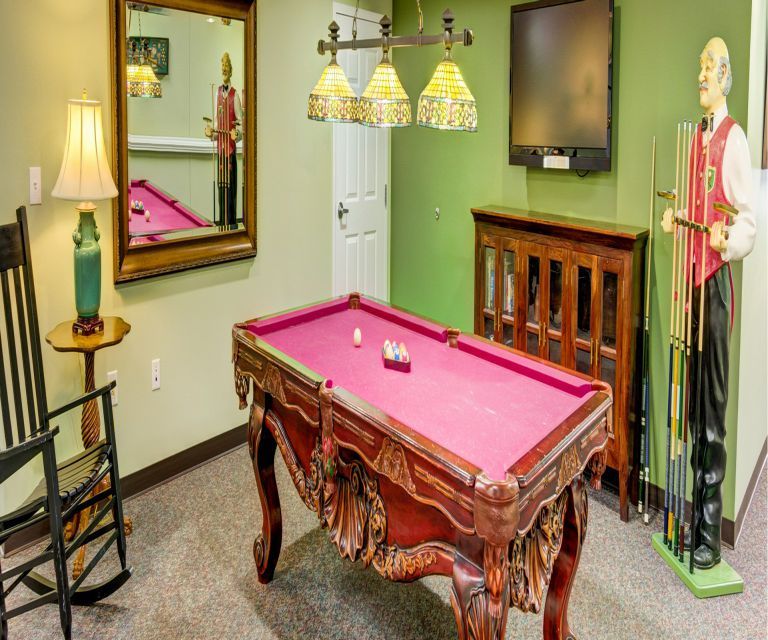
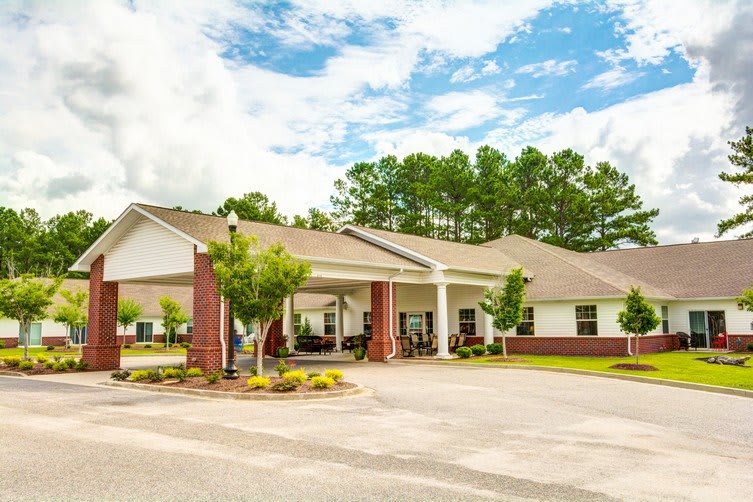
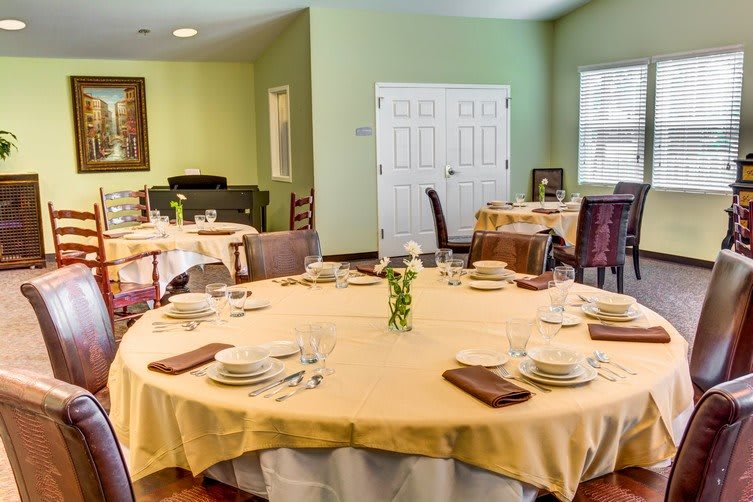
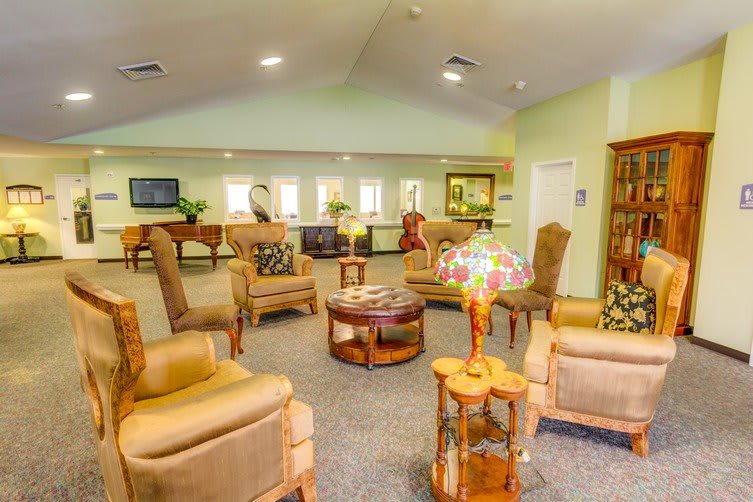
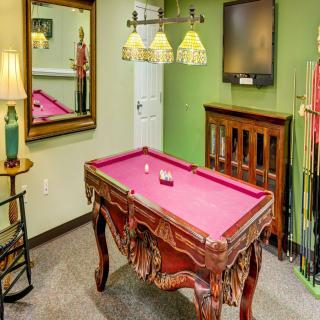
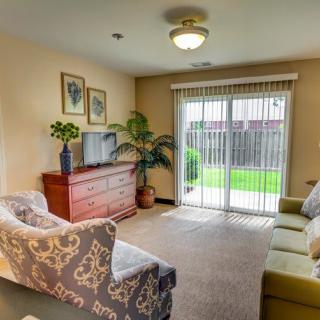
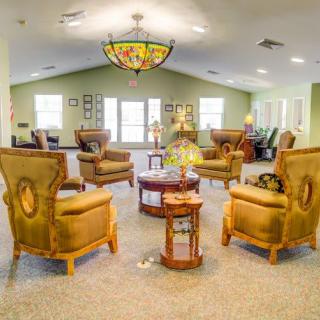
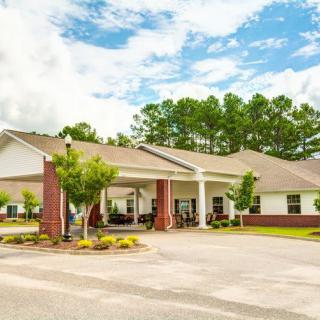
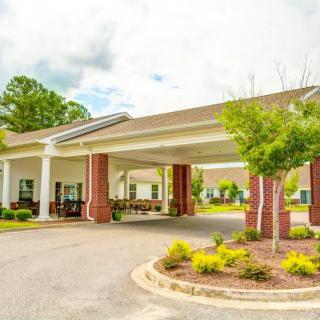
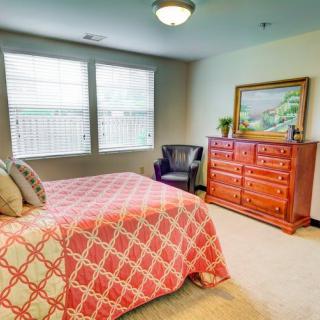
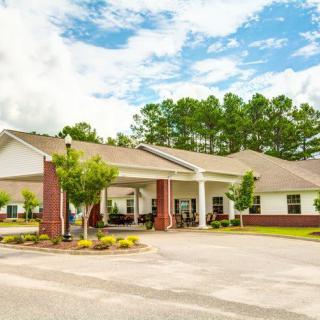
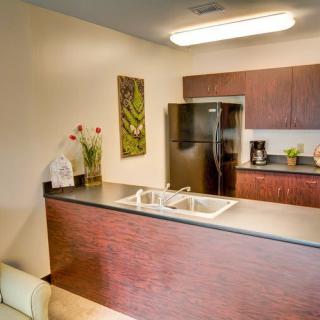
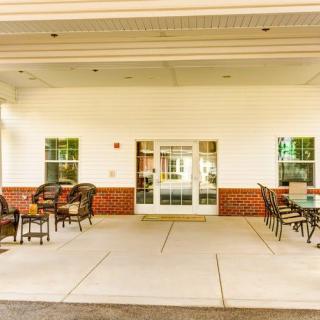
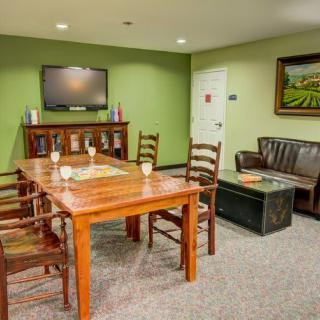
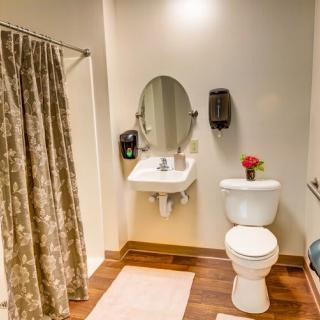
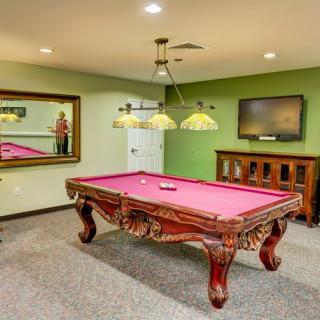
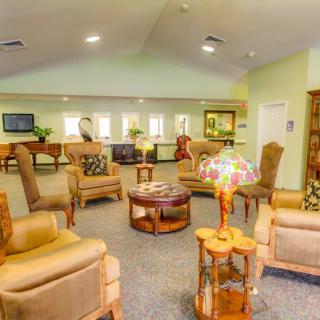
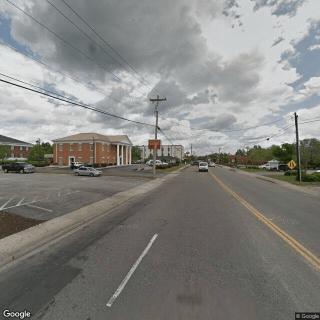
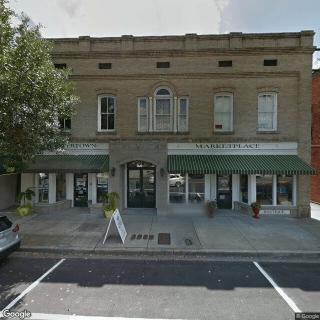
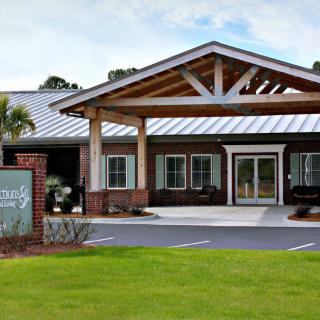
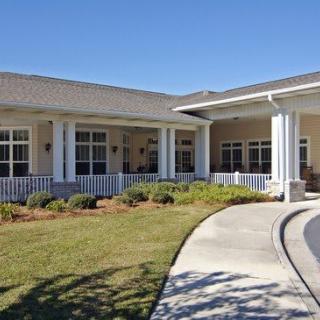
Carolina Gardens at Conway on seniors.fyi includes 15 photos including images showing interior, billiards, decor, entrance, television, building, bathroom, landscaping, and more.
Nearby Communities
Conway Manor
Conway, SC
3 from 14 reviews
Compassionate staff and engaging activities
Martinfield Plantation Lake
Conway, SC
Diabetic care and engaging on-site activities with indoor common areas.
Compass Post Acute Rehabilitation
Conway, SC
3.5 from 108 reviews
Staff praised for attentive care and effective rehabilitation; clean facility with good dining options.
Lois Eargle Home
Conway, SC
Close to amenities and healthcare.
Compassionate Care Senior Services - Conway, SC
Conway, SC
4.2 from 13 reviews
Caregivers feel like extended family, providing safety, trust, and peace of mind.
Lois Eargle Home
Conway, SC
Small, eight-bed board and care home offering personalized attention with 24-hour supervision and comprehensive daily living support.
Reflections At Carolina Forest
Myrtle Beach, SC
4.3 from 50 reviews
$2,800 to $5,000 / month
Small, well-maintained community with personalized care and friendly staff.
Myrtle Beach Grove Senior Living
Myrtle Beach, SC
4.6 from 114 reviews
$3,175 to $4,950 / month
Friendly, attentive staff in a smaller, well-maintained community with engaging activities and personalized care.
Dementia encompasses progressive neurological disorders that impair cognitive functions and can lead to paranoia due to cognitive decline and emotional changes. The article discusses the triggers of paranoia in dementia, caregiver strategies for managing it, and the importance of distinguishing between dementia-related paranoia and other psychiatric conditions.
Memory care activities are essential for improving the quality of life of seniors with cognitive impairments, as they stimulate cognitive function, promote well-being, and encourage social interaction through tailored strategies. These activities combine structured exercises with spontaneous tasks, sensory engagement, physical workouts, creative pursuits, and intergenerational interactions to enhance emotional connection and a sense of purpose.
Transitioning from assisted living to memory care is driven by an individual's cognitive decline and specific needs, requiring careful evaluation of indicators like increased confusion and wandering. The process involves consulting medical professionals, researching suitable communities, considering financial and legal aspects, and ensuring effective communication for personalized care plans.
Get PricingAsk A QuestionSchedule A TourContact Senior Advisor
By clicking submit, you agree to our Partner's Terms of Use. You
also consent to receive calls and texts, which may be autodialed, from our Partner. Your consent is not a condition to
using our Partner's service. Please visit our Partner's Privacy Policy for information about their privacy practices.



 100 resident community capacity
 1-bedroom apartments
 Assisted Living
 Independent Living
 Memory Care
 Cats allowed
 Dogs allowed
 Activities off-site
 Air-conditioning
 Beautician on-site
 Cable or satellite TV
 Computer center
 Devotional services off-site
 Dining room
 Fitness room
 Fully furnished
 Gaming room
 Garden
 Ground floor units
 Housekeeping services
 Indoor common areas
 Kitchenette
 Laundry
 Move-in coordination
 Outdoor common areas
 Private bathrooms
 Respite or short term stays offered
 Restaurant-style dining
 Small library
 Telephone
 Wellness center
 Wheelchair accessible showers
 Wi-Fi/high-speed internet available
 Myrtle Beach International (15 miles away)
 Community operated transportation
 12-16 hour nursing
 24-hour call system
 Assistance with bathing
 Assistance with dressing
 Assistance with transfers
 Diabetes diet
 Diabetic care
 High acuity care
 Incontinence care
 Medication management
 Mental wellness program
 Physical therapy
 Special dietary restrictions
 Walking wheelchair assistance
 Art classes
 Catholic services
 Concierge services
 Educational speakers / life long learning
 Jewish services
 Planned day trips
 English
 Compassionate staff and engaging activities


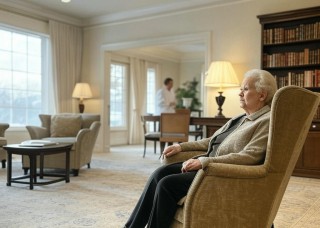 Dementia, Paranoia, and Caregiver Guidance: Understanding the Connection
 Engaging Memory Care Activities That Enhance Quality of Life
 When to Transition from Assisted Living to Memory Care: Key Indicators, Steps, and Finding the Right Community